

Ankara Laser Sensitivity Treatment
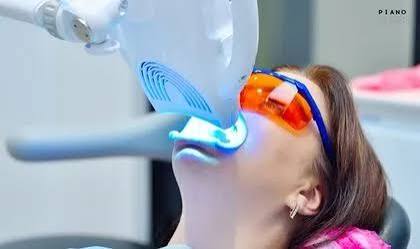
Modern restorative and preventive dentistry identifies tooth sensitivity (Dentin Hypersensitivity) as one of the most significant biomechanical problems limiting patients’ quality of life and freedom in eating and drinking. For many years, the management of this issue was restricted to chemical desensitizing toothpastes used at home for months or temporary fluoride varnishes applied in clinics. Today, however, the technology known in medical literature as “Laser Desensitization” represents an advanced medical revolution that eliminates sensitivity not with chemicals but directly through quantum physics and light energy at the cellular level. Redefining Ankara laser sensitivity treatment standards through the vision of “Photothermal Crystallization” and “Pulpal Neuromodulation,” Panorama Ankara offers patients professional pain management that seals the microscopic nerve channels exposed in the tooth within seconds using specific wavelengths of laser light—without any physical contact with the tooth (no needles or drills). The systems applied in our clinic provide instant relief from hot and cold sensitivity without even requiring anesthesia, reconstructing the biological shield of the tooth through the power of light with uncompromising clinical precision.
The true scientific achievement behind laser sensitivity treatment technology lies in the optical tissue interaction known in medical literature as “Melting and Recrystallization.” In the advanced laser unit of Panorama Ankara, tens of thousands of microscopic dentin tubules (channels) filled with cellular fluid—exposed due to gum recession or aggressive brushing (abrasion)—are precisely targeted. Nd:YAG or Er:YAG laser beams applied by our clinicians deliver photothermal (heat-light) pulses to the surface in milliseconds. The laser energy melts the calcium and phosphate minerals on the tooth surface at a microscopic level, fusing the openings of these tubules together with a glass-like impermeable layer (glazing). A drop of cold water or acidic food can no longer pass through this glass-like laser barrier to reach the internal nerve network. This vision transforms sensitivity treatments in Ankara from temporary chemical masking into an advanced discipline of “Tissue Physics,” where the tooth’s own structure is reshaped by laser energy into a biological shield.
Clinical Classification: Laser Wavelengths and Photobiological Mechanisms
The pain-relieving success of a laser application depends on the depth of the sensitivity and the wavelength of the laser device used. Each laser type penetrates dental tissue at different depths and triggers a distinct cellular response (biostimulation or thermal occlusion). In order to help patients clearly understand this advanced and comfortable tissue-sealing process, Panorama Ankara presents the technological evolution used in our clinic within the scientific framework below.
| Laser Technology and Wavelength | Biomechanical Tissue Interaction and Optical Target | Panorama Ankara Clinical Application Advantage |
|---|---|---|
| Nd:YAG Laser (1064 nm) | Penetrates deeply into tissue; produces a photochemical effect that directly blocks pain transmission in nerve fibers (C-fibers). | Especially effective in severe and deep sensitivity, simultaneously sealing dentin tubules while providing cellular-level nerve analgesia. |
| Er:YAG Laser (2940 nm) | Highly absorbed by water molecules; vaporizes or melts surface tissue quickly and superficially. | Creates a powerful glass-like layer (glazing) on the root surface, forming a physical barrier against hot and cold stimuli. |
| Diode Laser (810–980 nm) | Sensitive to pigments; when applied with special initiating gels (fluoride or calcium), it locks the gel minerals into the tooth tissue. | Ideal for mild to moderate sensitivity by pressing protective minerals into the tooth using laser energy. |
| LLLT (Low-Level Laser Therapy) | Cold red or infrared light that produces no heat but increases cellular metabolism (ATP production). | Known as photobiomodulation in medical literature; accelerates the natural repair of inflamed nerves and suppresses pain. |
Photobiomodulation: Silencing the Electrical Storm in Nerve Endings
Laser sensitivity therapy has a much deeper neurological dimension beyond simply “melting and sealing the surface.” This effect, known in medical literature as “Pulpal Neuromodulation” or “Photobiomodulation,” occurs when laser beams reach the nerve network (pulp) located in the innermost layer of the tooth and temporarily halt the electrical activity of sodium-potassium pumps responsible for transmitting pain signals to the brain. In the Nd:YAG laser protocols applied at Panorama Ankara, light energy stabilizes the electrical storm (depolarization) within the membranes of nerve cells. As a result, patients often feel the sensitivity disappear instantly even while the laser treatment is still ongoing in the clinic. This immediate cellular relief—achieved without needles, anesthesia, or chemical agents and relying solely on the wavelength of light—represents one of the most refined pain management practices in dentistry beyond pharmacological solutions.
Biological Maintenance and Protection After Laser Treatment
The tooth surfaces that have been transformed into a glass-like structure within seconds through light energy and whose nerve transmission has been blocked can maintain this remarkable resistance for years, provided that certain mechanical habits at home are controlled. The Panorama Ankara pain management board presents the following two essential guidelines as a maintenance protocol to preserve the long-term effectiveness of laser treatment:
- To prevent the microscopic glass-like seal created by the laser from being mechanically worn away, toothpaste containing baking soda or highly abrasive whitening agents (High-RDA) should be avoided, and brushing should be performed only with ultra-soft toothbrushes without applying excessive pressure.
- To neutralize acid attacks that chemically erode enamel and cementum layers and weaken the laser barrier, consumption of lemon, acidic beverages, or concentrated vinegar should be limited, and the mouth should be rinsed thoroughly with water after consumption to balance oral pH.
End Sharp Sensitivity with Light-Based Treatment at Panorama Ankara
The sharp pain that shoots through your brain when eating ice cream, the piercing sensation when breathing in cold winter air, or the reflexive discomfort when your toothbrush touches the root surface does not mean you must live with sensitivity and rely on desensitizing toothpaste forever. On the contrary, in expert hands these problems can be resolved within minutes through photothermal laser frequencies and optical tissue sealing technologies. In your search for Ankara laser sensitivity treatment, Panorama Ankara combines the protocols of “Melting-Recrystallization” and “Photobiomodulation,” freeing you from temporary chemical varnishes, long waiting periods for results, and persistent sensitivity with scientific elegance. We respect the biological nerve transmission of your teeth completely and reconstruct nature’s perfect insulation system in a single session using the power of laser light.
To clinically analyze the true cellular origin of your tooth sensitivity and the openness of your dentin tubules, determine the most suitable Er:YAG or Nd:YAG laser treatment pathway for you, and regain the confidence of consuming hot and cold foods freely every time you look in the mirror, you can schedule a detailed laser therapy consultation at Panorama Ankara and entrust your oral health to the safe hands of experience and modern optical science.