
Ankara E-Max Crowns
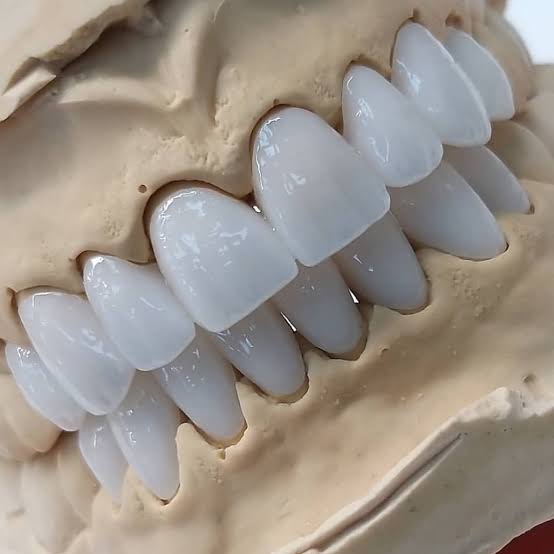
In modern aesthetic dentistry, the most flawless optical peak reached in anterior restorations is achieved with all-ceramic systems known in the literature as “Lithium Disilicate Glass-Ceramics”—commercially referred to as E-Max (Esthetic Maximum). The dark gray shadow that traditional metal-supported porcelains create at the gumline, or the extremely matte (opaque) appearance of zirconia substructures, often diminishes the natural vitality sought in the front teeth. Redefining Ankara E-max crown standards through the vision of “Translucency (Light Transmission)” and “Monolithic Crystallization,” Panorama Ankara offers patients a professional cosmetic rehabilitation with no opaque substructure (metal or zirconia), capable of filtering and reflecting light like organic enamel. The systems we apply are a resilient synthesis of clinical engineering and art: they prevent the tooth from looking unnaturally white and lifeless like an artificial prosthesis, and they imprint that three-dimensional sense of depth (fluorescence) into glass.
The core scientific success behind E-max technology lies in the unique physical structure gained during the firing (crystallization) process—described in the literature as “Biomimetic Optical Reflection.” In Panorama Ankara’s advanced aesthetic and CAD/CAM laboratories, E-max blocks first emerge from the milling unit in a purple (violet) and relatively soft state. After the tooth’s anatomical “makeup” and surface texture (natural lines) are sculpted, these blocks undergo a crystallization shock in special ceramic furnaces at 850°C. Once fired, they gain exceptional enamel-like strength (approximately 500 MPa) and acquire a natural tooth color. The incisal edge of a natural tooth is translucent and reflects the background darkness (opalescence). E-max porcelains are the only material where this translucency level (degree of translucency) can be adjusted micron by micron according to the patient’s face and neighboring teeth. This vision elevates anterior esthetics in Ankara from an “ordinary crown” into an “Illusion Architecture” discipline that copies nature’s optical rules into porcelain.
Clinical Classification: Aesthetic Materials and Zirconia vs. E-max Comparison
In smile design planning, the most common confusion is the biomechanical and optical differences between zirconia and E-max. The choice of material varies depending on the severity of clenching/grinding, whether there are missing teeth, and the tooth’s position in the mouth. To help patients clearly understand these advanced ceramic materials, Panorama Ankara presents the restorative methodology used in our clinic within the scientific framework below.
| Restorative Material | Biomechanical Structure and Optical Light Index | Panorama Ankara Clinical Selection Criteria |
|---|---|---|
| E-Max (Lithium Disilicate) | A monolithic structure produced from 100% glass-ceramic, with no substructure core. | The gold standard for maximum light transmission and naturalness in anterior incisors on the smile line (single crowns or veneers). |
| Zirconia-Framework Porcelain | Porcelain layered over a white, metal-like, non-translucent substructure (zirconium oxide). | Used to mask very dark underlying tooth color (e.g., heavily discolored root-canal-treated teeth) or for strength in posterior bridges. |
| Monolithic Zirconia | Milled from a single zirconia block; contains no aesthetic porcelain layering. | Applied for uncompromising chewing strength in posterior molars of severe bruxism patients where esthetics are secondary. |
| Metal-Supported Ceramic | Porcelain layered over a gray/black nickel-chromium alloy; completely blocks light and can cause gumline graying. | An alternative strength option for long-span bridges where esthetic expectations are minimal and an economical, traditional approach is preferred. |
Adhesive Cementation: The Process of Glass-Ceramic Becoming One with the Tooth
The most critical clinical step that distinguishes E-max restorations from conventional zirconia crowns is the bonding mechanism. While zirconia crowns can often be seated like a “cap” using conventional cements, long-term success of glass-ceramic E-max porcelains requires adhesive (chemical) bonding. In Panorama Ankara’s ultra-precise cementation protocol, the internal surface of the E-max crown is roughened with special hydrofluoric acids and saturated with chemical coupling agents called silane. At the same time, the patient’s tooth is prepared with specific adhesive agents. The resin cement placed between the surfaces penetrates microscopic porosities on both sides, transforming the tooth and porcelain into a single monoblock structure. This resilient “fusion” not only prevents debonding, but also dramatically increases the fracture resistance of the glass-ceramic by transferring support from the tooth—a remarkable micro-engineering principle.
Marginal Fit and Maintenance Discipline After E-Max Restorations
The long-term preservation of the smooth surface of your E-max crowns—designed in our digital studios according to your facial features and crystallized with lithium disilicate to achieve those perfect light effects—and the healthy, pale-pink harmony with the gums depends on your cellular-level hygiene. The Panorama Ankara aesthetic dentistry board presents the following two essential rules as a usage protocol to sustain the longevity of this premium smile investment:
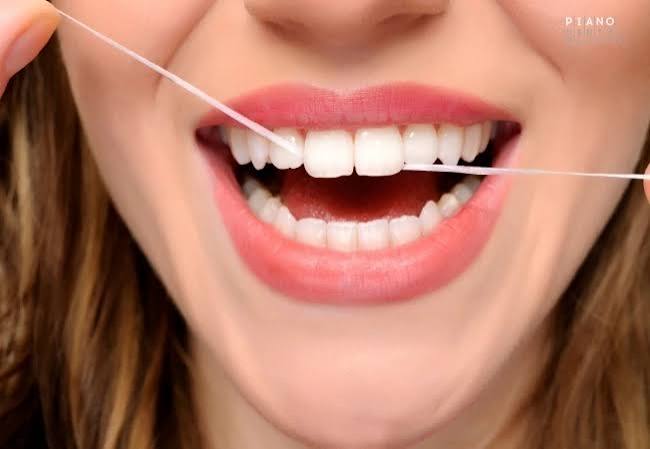
- To prevent plaque accumulation at the microscopic cervical (neck) region where E-max porcelain meets the gumline—and thereby prevent gum recession—patients should combine a gentle brushing technique suited to dental anatomy with either special-shaped floss (e.g., super floss) for under-crown areas and interproximal surfaces, or a water flosser.
- Although glass-ceramics bond chemically to the tooth with tremendous strength, it must be remembered that they are structurally “glass.” To protect the incisal edges from micro-cracks caused by intense point-impact trauma (e.g., crunching ice, opening metal fasteners) and from the destructive forces of involuntary nighttime clenching/grinding (bruxism), patients should strictly follow the clinician-recommended night guard routine.
Let the Light Flow Freely in Your Smile with Panorama Ankara
Your old porcelain crowns that look matte and artificial in the mirror, or severe shape irregularities in your anterior teeth, are not something you must accept by compromising esthetics. In expert hands, lithium disilicate technology and adhesive cementation can become a professional cosmetic process in which you are, in a sense, reborn. In your search for Ankara E-max crowns, Panorama Ankara combines the protocols of monolithic crystallization and biomimetic translucency, freeing you from gum-darkening substructures, opaque zirconia reflections, and lifeless smiles with scientific elegance. With these glass-ceramics that do not compete with your natural enamel but optically imitate it, we restore the depth and vitality you have been imagining.
To analyze your tooth structure loss and esthetic expectations with our digital intraoral scanners (IOS), resolve the “zirconia or E-Max” choice biomechanically, and achieve flawless anterior esthetics that transmits light, you can schedule a detailed smile architecture consultation at Panorama Ankara and entrust your oral health to the safe hands of experience and modern porcelain artistry.