

How Long Does a Dental Implant Take? The Complete Dental Implant Treatment Timeline
Dental implant treatment is undoubtedly the most reliable, aesthetic, and biologically compatible solution available today for replacing missing teeth. However, almost everyone considering this treatment has the same important question in mind:
“How long does a dental implant treatment take to complete?”
For patients who do not want to interrupt their social lives and wish to regain their chewing comfort and beautiful smile as quickly as possible, the treatment timeline is a critical factor.
Contrary to popular belief, implant treatment is not a procedure that is completed in a single day, nor is it a one-size-fits-all process that takes the same amount of time for every patient. The total treatment duration depends on numerous factors, including the quality of the patient’s jawbone, the number of missing teeth, the need for additional surgical procedures, and the technological infrastructure used throughout the treatment process.
1. Dental Implant Duration: An Overall Timeline
When discussing the total duration of implant treatment, it is important to divide the process into two main categories: traditional implant protocols and modern rapid/same-day implant approaches. As a general rule, a standard implant treatment is completed within 2 to 6 months.
Most of this period is not spent in the dental chair. Instead, it consists of the biological healing phase during which the body adapts to the titanium implant and forms new bone around it.
The table below shows the average treatment duration according to different jaw and bone conditions:
| Jaw Condition and Treatment Type | Average Total Treatment Time |
|---|---|
| Lower Jaw with Ideal Bone Structure | 2 – 3 Months |
| Upper Jaw with Ideal Bone Structure | 3 – 4 Months |
| Cases Requiring Bone Grafting and Sinus Lift Surgery | 6 – 9 Months |
| Same-Day Implant (Under Suitable Bone Conditions) | 1 Day (Including Temporary Restoration) |
As you can see, treatment duration is entirely personalized. Let’s examine each stage in detail.
2. How Long Does the Surgical Stage Take? (Implant Placement Time)
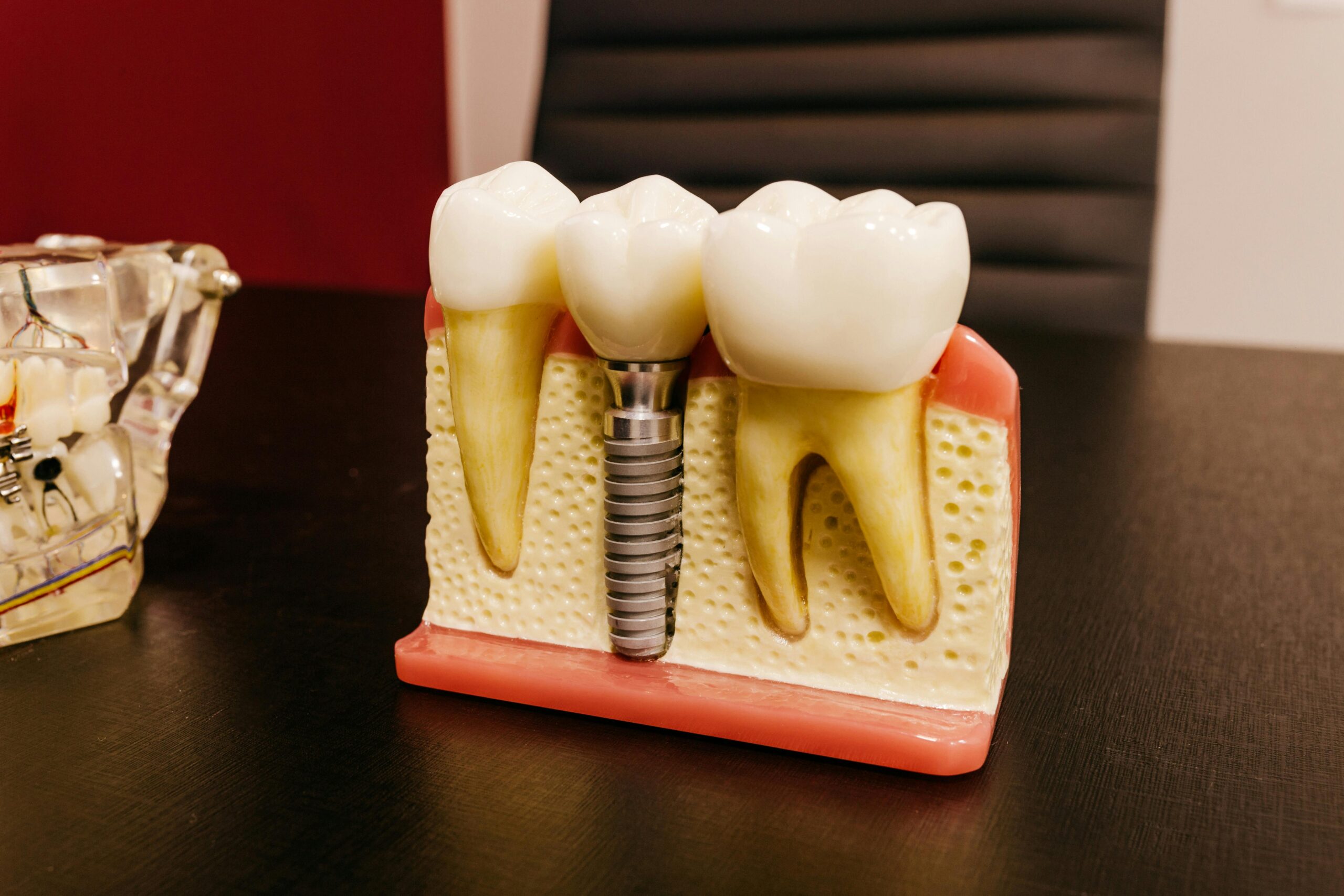
Although it is often the stage patients worry about most, the surgical placement phase is actually one of the shortest parts of the entire treatment process. Thanks to advanced anesthesia techniques and modern surgical instruments, placing a single artificial tooth root into the jawbone takes approximately 10 to 15 minutes.
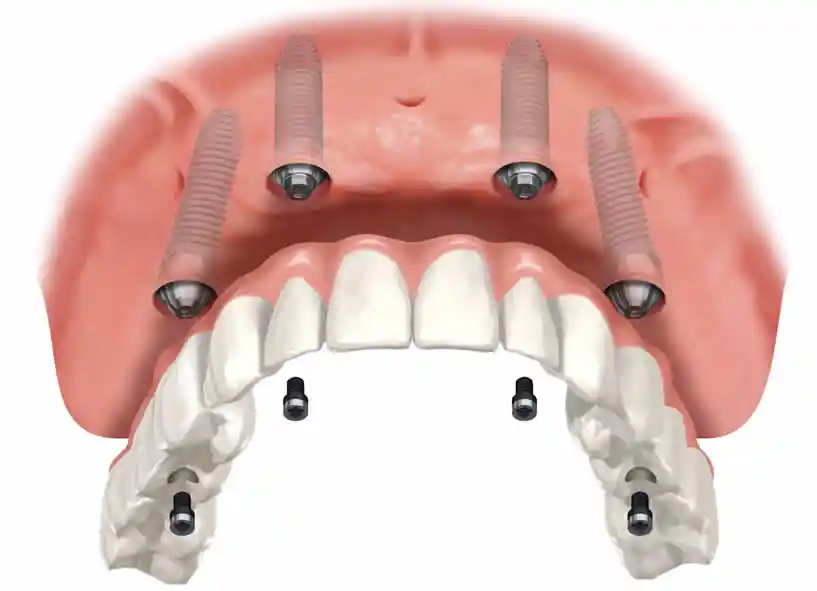
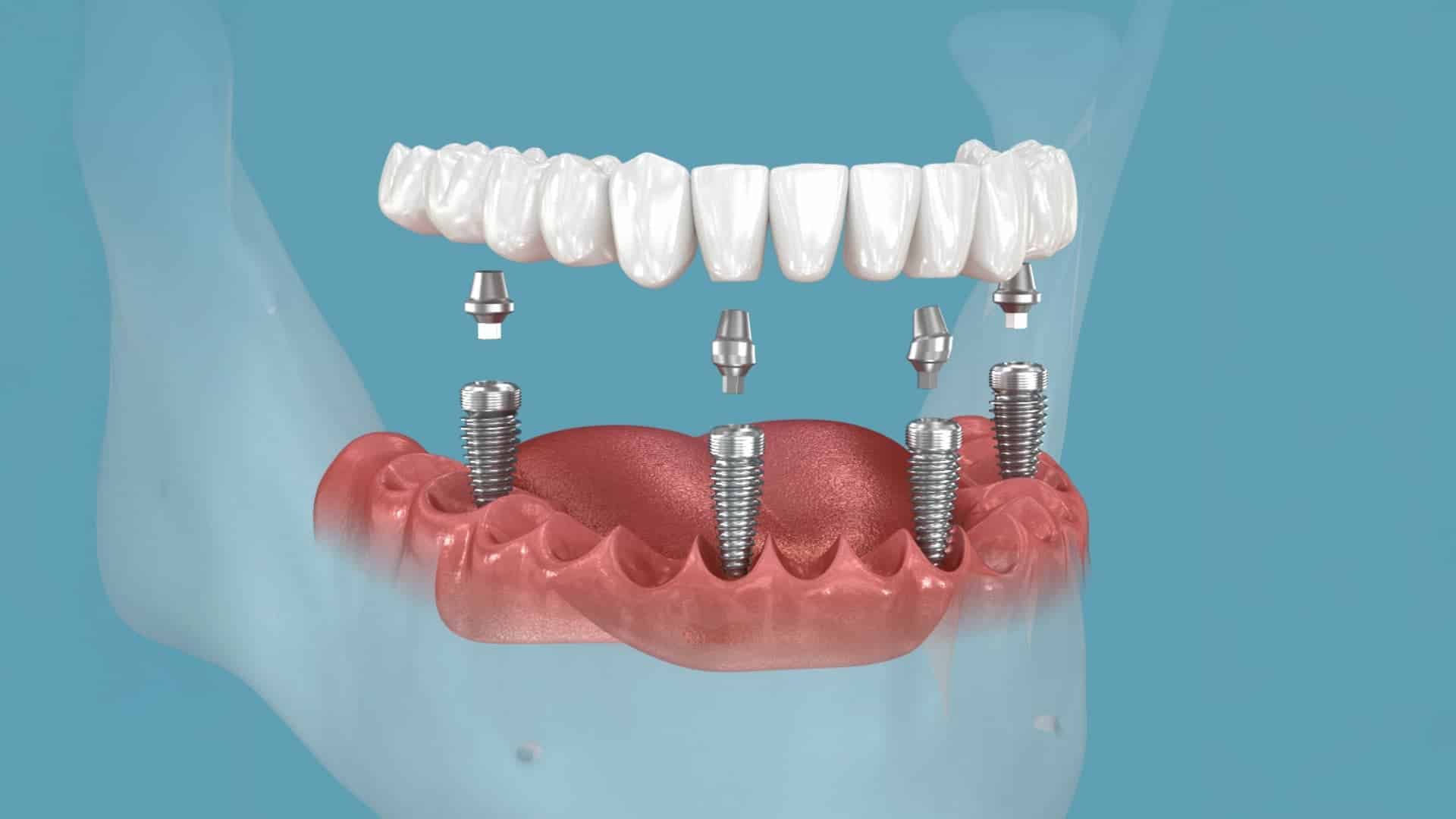
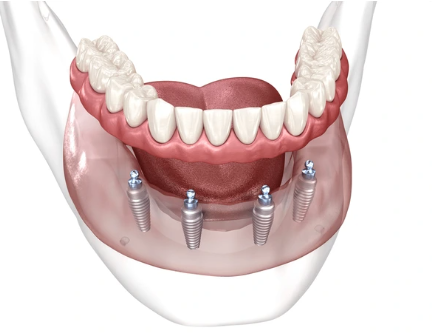
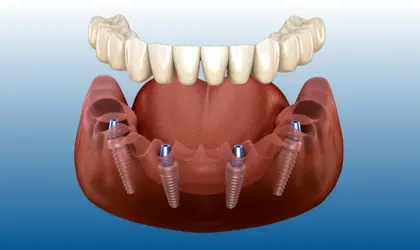
If a patient requires multiple implants during the same appointment due to extensive tooth loss—such as in All-on-4 or All-on-6 treatment concepts—the total surgical procedure may take between 1 and 2 hours.
Since the procedure is performed under local anesthesia, patients do not feel pain and often do not realize how quickly the surgery is completed.
3. The Longest Stage: Osseointegration (Bone Fusion Process)
There is a biological reason why permanent zirconia or porcelain restorations are not attached immediately after the implant is surgically placed. This reason is known as osseointegration.
Osseointegration refers to the microscopic bonding and integration of the titanium implant surface with the surrounding jawbone cells.
For the implant to withstand chewing forces without loosening or failing, this bone-healing process must be completed successfully. Because the lower jawbone is denser and harder, this period usually lasts around 2–3 months. The upper jawbone, which is more porous and located closer to the sinus cavities, generally requires 3–4 months for complete integration.
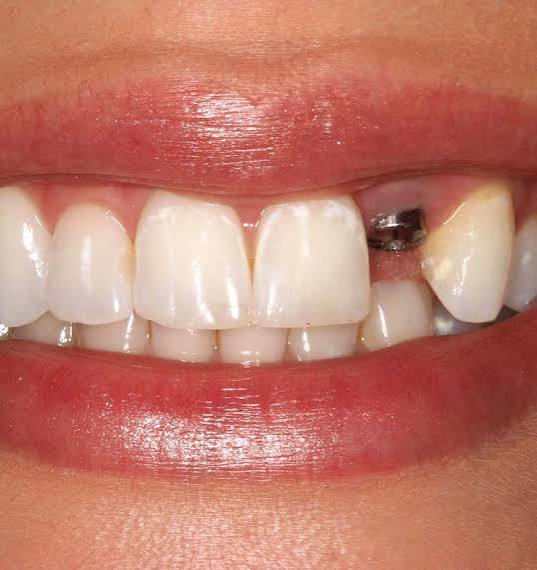
During this healing phase, patients are provided with temporary restorations that preserve aesthetics and allow them to continue their daily social lives without interruption.
4. Additional Surgical Procedures That Extend Treatment Time (Bone Grafting and Sinus Lift)
If many years have passed since a tooth was extracted, the jawbone in that area may lose volume due to lack of stimulation. When there is insufficient bone height or width for implant placement, additional procedures become necessary and directly affect the treatment timeline.
- Bone Grafting: Bone graft materials placed in areas with insufficient bone volume may require an additional healing period of 4 to 6 months before transforming into stable bone tissue.
- Sinus Lift Surgery: Performed when the sinus cavities in the upper jaw have expanded downward, this procedure creates a secure foundation for implant placement but may add approximately 6 months to the overall treatment duration.
In these situations, patience is an investment toward achieving a strong and long-lasting foundation for dental implants that can serve you for decades.
5. How Long Does the Prosthetic and Crown Fabrication Stage Take?
Once the healing period is complete and radiographs confirm successful osseointegration, patients move on to the most exciting phase of treatment: the prosthetic restoration stage.
This process is typically completed within 5 to 7 days.
- Gum Shaping (3–5 Days): A healing abutment or gingival former is attached to the implant to shape the gum tissue and create a natural-looking emergence profile.
- Digital Impressions (1 Day): Once the gums are properly shaped, precise measurements of the oral structures are taken.
- Laboratory Try-Ins and Final Delivery (3–5 Days): Zirconia or porcelain crowns designed digitally are tested in the mouth. Once the fit, bite, aesthetics, and color match are approved, they are permanently attached to the implants.
6. Time-Saving Technologies: Immediate Implants and Fast & Fixed Concepts
Modern dental technologies have revolutionized treatment timelines for patients who do not want to wait several months or who suffer from complete tooth loss.
With the Immediate Implant approach, suitable patients can have a tooth extracted, an implant placed, and even receive a temporary fixed restoration all on the same day.
For completely edentulous patients, advanced treatment concepts such as Fast & Fixed and All-on-4 allow patients to arrive at the clinic without teeth and leave the very same day with fixed temporary restorations capable of supporting normal function.
These innovative approaches significantly reduce the waiting period and eliminate the stress associated with long treatment timelines.
7. Factors That Shorten Treatment Time and Improve Success
The speed and success of implant treatment largely depend on the patient’s commitment to postoperative care. Key factors that promote faster healing include:
- Excellent Oral Hygiene: Using the interdental brushes, mouth rinses, and hygiene products recommended by your dentist minimizes infection risk and supports bone healing.
- Avoiding Smoking: Smoking slows blood circulation within the oral tissues, delays osseointegration, and reduces treatment success rates. Quitting or significantly reducing smoking during the treatment period is highly recommended.
- Proper Nutrition: Consuming soft foods such as yogurt, soups, and purees during the first weeks helps protect the implant site and maintain initial stability.
8. Time and Comfort Management with Panorama Ankara
One of the most important factors affecting the duration of implant treatment is the technological infrastructure available at the dental clinic.
Panorama Ankara incorporates the latest innovations in digital dentistry to minimize treatment times while maximizing patient comfort.
Using advanced 3D dental tomography systems, treatment planning can be carried out with exceptional precision, preventing unexpected delays. Intraoral digital scanners and CAD/CAM laboratory integration replace traditional impression techniques and significantly reduce the time required for crown fabrication and fitting.
Our experienced team of specialists develops the most efficient and comfortable treatment timeline for each patient, providing a truly premium dental experience.
9. Frequently Asked Questions (FAQ)
Will I be completely without teeth during the implant process?
Absolutely not. Especially in aesthetically important areas such as the front teeth, temporary removable or fixed restorations are provided throughout the osseointegration period (2–4 months). This allows you to maintain your appearance and continue your social life confidently.
Does implant treatment take longer for older patients?
Age itself does not directly prolong implant healing time. What matters most is the quality of the jawbone and the patient’s overall systemic health, including conditions such as diabetes or hypertension. When chronic conditions are properly controlled, healing progresses similarly to that of younger patients.
Does digital implant surgery (guided surgery) reduce treatment time?
Yes. Implant procedures performed with digital surgical guides often eliminate the need for sutures through flapless techniques. This not only shortens the procedure itself but also significantly accelerates soft tissue healing after surgery.