

Dental Implant or Dental Bridge? Which Treatment Is More Advantageous for You?
When one or more teeth are lost, both aesthetic concerns and impaired chewing function can directly reduce quality of life. Fortunately, modern dentistry offers highly advanced solutions for replacing missing teeth. Among these solutions, the biggest dilemma patients face is undoubtedly:
“Should I choose a dental implant or a dental bridge?”
Although both treatment methods serve the same fundamental purpose—replacing missing teeth and restoring an attractive smile—they differ significantly in terms of application techniques, biological impact, treatment duration, and long-term longevity. Determining which option is the “best” and most advantageous for you depends on factors such as the condition of your jawbone, your budget, your overall health history, and your expectations regarding treatment time.
1. What Is a Dental Implant? What Are Its Advantages and Disadvantages?
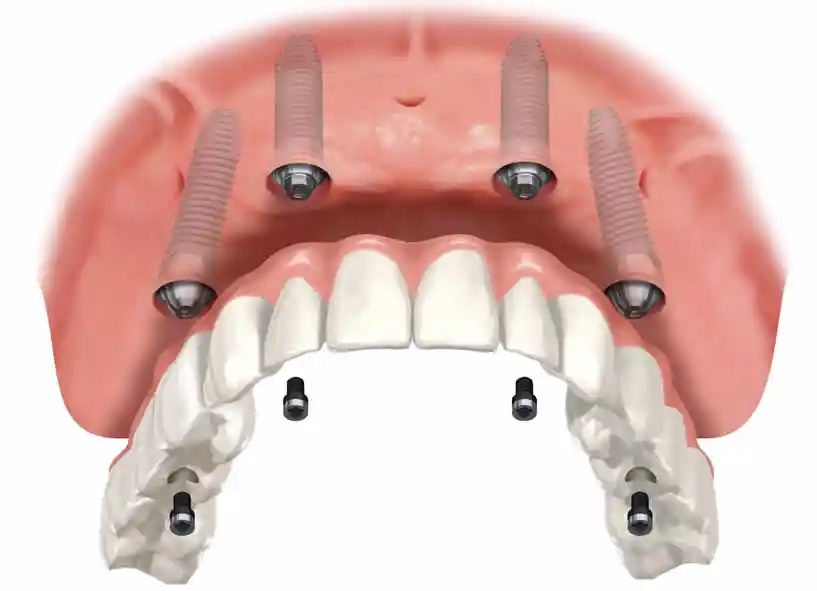
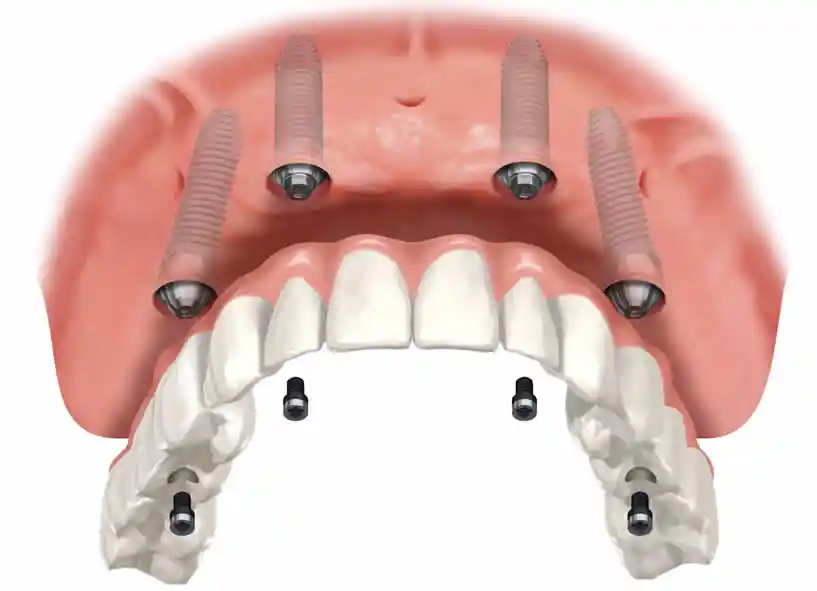
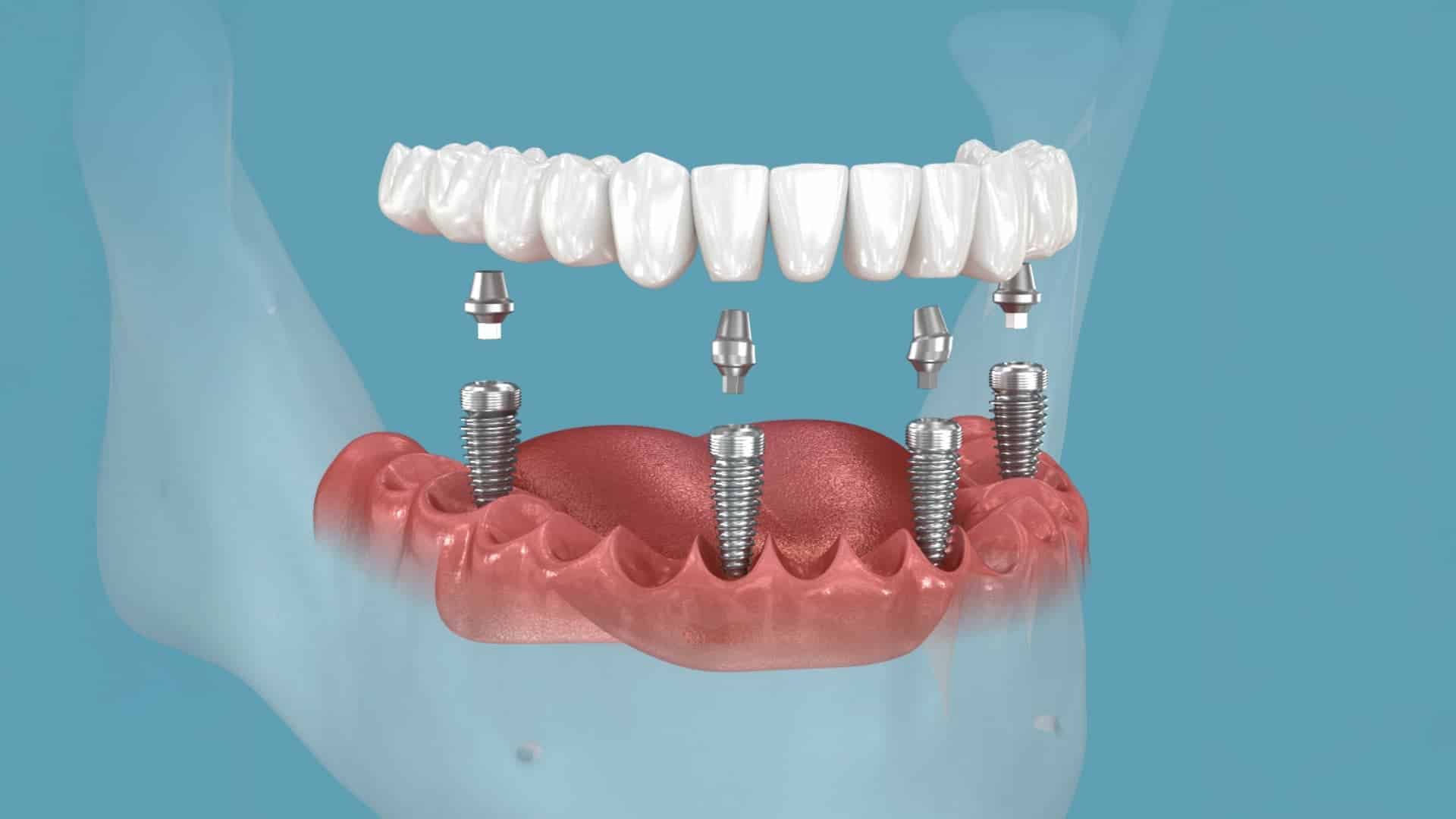
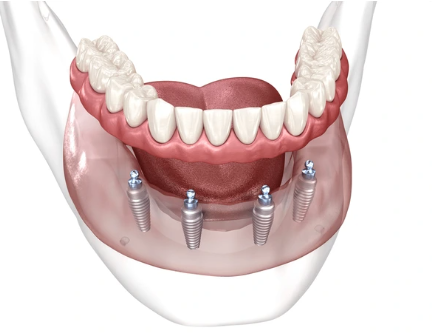
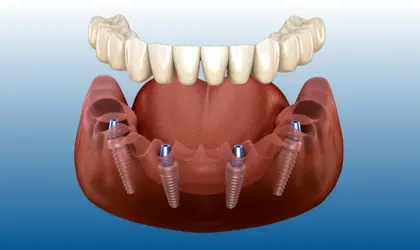
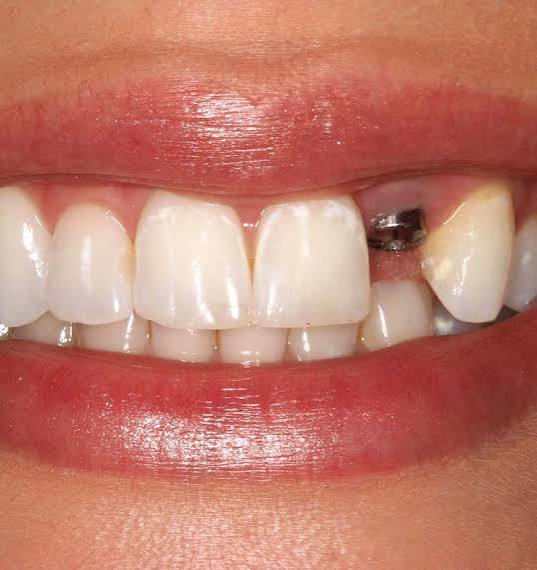
A dental implant is a system consisting of a porcelain or zirconia crown placed on top of a titanium artificial screw that is surgically inserted into the jawbone to mimic the root of a missing tooth. It is considered the closest alternative to a natural tooth structure.
Advantages of Dental Implant Treatment
- Independent Structure: Adjacent healthy teeth are never touched, trimmed, or reduced in size.
- Preserves the Jawbone: By functioning like a natural tooth root, it stimulates the jawbone and prevents bone loss (resorption).
- Lifetime Durability: With proper oral hygiene and professional treatment, implants can remain in the mouth for a lifetime.
- Maximum Chewing Strength: Since it receives direct support from the jawbone, it provides the same strength and comfort as natural teeth during chewing.
Disadvantages of Dental Implant Treatment
- Treatment Duration: It generally takes 2 to 4 months for the implant to fuse with the jawbone (osseointegration).
- Surgical Procedure: Even though it is minor, it still requires surgery and an anesthesia process.
- Higher Initial Cost: Compared to bridge treatment, the upfront investment is generally higher.
2. What Is a Dental Bridge? Pros and Cons of the Traditional Prosthetic Approach
A traditional dental bridge is a procedure in which the healthy teeth located on both sides of a missing tooth are reduced in size and used as support pillars. A connected prosthetic restoration is then attached to these supporting teeth to fill the gap.
Advantages of Bridge Treatment
- Fast Results: Treatment is usually completed within 5 to 7 days after only a few fitting appointments.
- Non-Surgical: Since there is no intervention in the jawbone, it is a comfortable option for patients who fear surgery.
- Lower Initial Cost: Compared to implants, it is generally a more affordable and budget-friendly option in the short term.
Disadvantages of Bridge Treatment
- Sacrificing Healthy Teeth: To close the gap, two adjacent healthy teeth with no existing problems must be reduced and reshaped. This may shorten their lifespan.
- Continued Bone Loss: Since there is no tooth root beneath the bridge, the jawbone in that area continues to deteriorate over time, potentially creating unattractive gaps beneath the restoration.
- Limited Lifespan: The average lifespan of a bridge is between 7 and 10 years. Over time, cement may leak, the supporting teeth may develop decay, and replacement may become necessary.
3. Quick Comparison: Key Differences Between Implants and Bridges
| Criteria | Dental Implant Treatment | Traditional Dental Bridge |
|---|---|---|
| Impact on Adjacent Teeth | Adjacent teeth remain completely untouched. | Adjacent teeth must be reduced and reshaped. |
| Effect on Jawbone | Prevents bone loss. | Bone loss continues in the empty area. |
| Total Treatment Duration | 2–4 Months (including healing period) | 5–7 Days (with several fitting appointments) |
| Lifespan | Can last a lifetime with proper care. | Average of 7–10 years (replacement eventually required). |
| Cleaning and Hygiene | Maintained like a natural tooth with brushing and flossing. | Requires special bridge floss for cleaning underneath. |
| Surgical Procedure | Requires a minor surgical procedure. | No surgery required. |
4. Biological Health Differences: Protecting Adjacent Teeth and Preserving the Jawbone
When oral health is evaluated from a long-term and comprehensive perspective, the biological advantages of dental implants become clearly apparent. Natural teeth are firmly anchored within the jawbone and stimulate the bone during chewing, maintaining healthy blood circulation and continuous bone cell production in the area.
“When you lose a tooth, the bone tissue in that area is no longer stimulated and gradually begins to shrink, much like a muscle that weakens while immobilized in a cast. An implant is the only treatment that prevents this bone loss by fusing directly with the jawbone through its titanium structure. With bridge treatment, the visible gap is closed, but the bone loss beneath the gums continues silently over time.”
In addition, because the protective enamel layer of adjacent teeth is removed during bridge preparation, these supporting teeth may become susceptible to sensitivity, decay, and even root canal treatment in the future. An implant, on the other hand, functions independently and remains securely anchored to the jawbone without relying on neighboring teeth.
5. Aesthetics and Chewing Function: Which Option Feels More Natural?
From an aesthetic standpoint, both treatment options can provide exceptionally natural-looking and attractive teeth thanks to modern zirconia restoration technologies. However, a significant difference emerges when it comes to comfort and natural feel.
Because implants derive their strength directly from the jawbone, activities such as biting into an apple or chewing harder foods feel almost identical to using your natural teeth. In bridge treatment, chewing forces are transferred from the artificial tooth to the supporting teeth on either side of the gap.
In cases involving multiple missing teeth, this can place excessive stress on the supporting teeth and may slightly reduce overall chewing comfort compared to implants.
6. Time and Cost Analysis: Short-Term Expense vs. Lifetime Investment
Cost and treatment duration are often the two factors patients focus on most when making a decision. Because bridge treatment can typically be completed within one week and has a lower initial cost, it may appear to be the more attractive option.
However, this can sometimes be a misleading financial comparison.
Although implant treatment generally requires a higher upfront investment, it should be viewed as a long-term solution. Patients who choose bridge treatment may eventually need replacement restorations due to deterioration of the supporting teeth or ongoing bone loss beneath the bridge after 7 to 10 years.
As a result, the cumulative long-term costs associated with bridge treatment can ultimately exceed the cost of implant therapy.
7. Which Option Should You Choose? Critical Factors That Influence Your Decision
The following factors should be considered when determining which treatment is most advantageous for your specific situation.
Dental Implants Are Generally More Advantageous When:
- The teeth adjacent to the missing space are completely healthy, free of fillings, and free of decay, making preservation desirable.
- The tooth loss occurs at a relatively young age and a long-lasting solution is preferred.
- Your jawbone has sufficient volume and density to support implant placement.
- Several consecutive teeth are missing and bridge support teeth would be too far apart.
A Dental Bridge May Be Preferred When:
- You have advanced systemic health conditions or bone diseases that prevent implant surgery.
- Your jawbone has experienced severe resorption and you do not wish to undergo additional bone grafting procedures.
- You have very limited time and require a complete aesthetic restoration within approximately one week.
- The adjacent teeth already contain large fillings, are heavily worn, or require crowns regardless of the missing tooth.
8. Personalized Digital Treatment Planning at Panorama Ankara
The decision between an implant and a bridge should not be made solely through online research or laboratory comparisons. It requires a professional clinical evaluation performed by experienced dental specialists.
At Panorama Ankara, we avoid one-size-fits-all treatment approaches and instead analyze each patient’s oral anatomy using advanced digital technologies.
Through our state-of-the-art 3D Dental Tomography systems, we create a detailed map of your jawbone structure. Whenever implant treatment can be performed safely and predictably, our priority is to preserve your natural anatomy by recommending implants.
However, if factors such as bone quality, systemic health conditions, or time limitations make bridge treatment the more appropriate option, we design highly aesthetic zirconia restorations using advanced CAD/CAM technology.
Our goal is not simply to replace a missing tooth—it is to provide long-term biological health, optimal function, and exceptional aesthetics that you can rely on for many years.
9. Frequently Asked Questions (FAQ)
I already have a bridge. Can it be removed and replaced with an implant?
Yes. Existing bridge restorations that have become worn, outdated, or unsatisfactory can be removed. The condition of the underlying jawbone is then evaluated, and if necessary, bone grafting procedures can be performed before placing an implant in the edentulous area. The teeth previously used as bridge supports can often be restored individually with crowns.
I am afraid of implant surgery. Is bridge treatment less painful?
Thanks to modern local anesthesia techniques, patients typically feel no pain during implant surgery. Likewise, anesthesia is used while preparing teeth for bridge treatment, making both procedures comfortable during treatment. Any mild discomfort that may occur after implant placement is usually managed easily with standard pain medications. Therefore, fear of surgery alone is generally not a reason to eliminate implant treatment as an option.
Is cleaning underneath a bridge difficult?
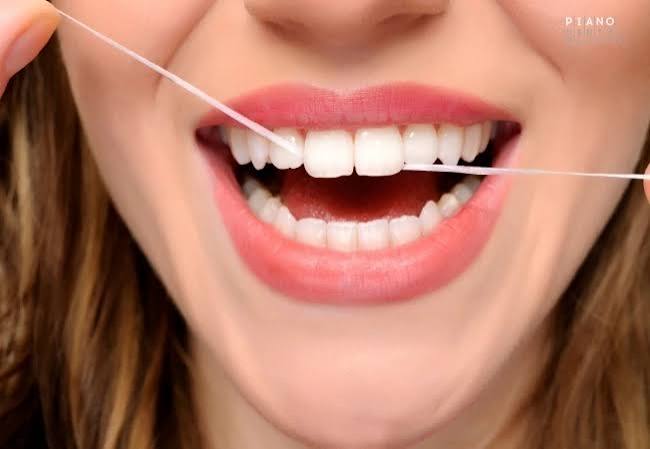
Caring for an implant is very similar to caring for a natural tooth, requiring regular brushing and flossing. In bridge treatment, the artificial tooth spans the gap and may trap food particles underneath. For this reason, bridge patients are typically advised to use special bridge floss (super floss) or oral irrigators in addition to regular brushing.