


What is Root Canal Treatment in Children?
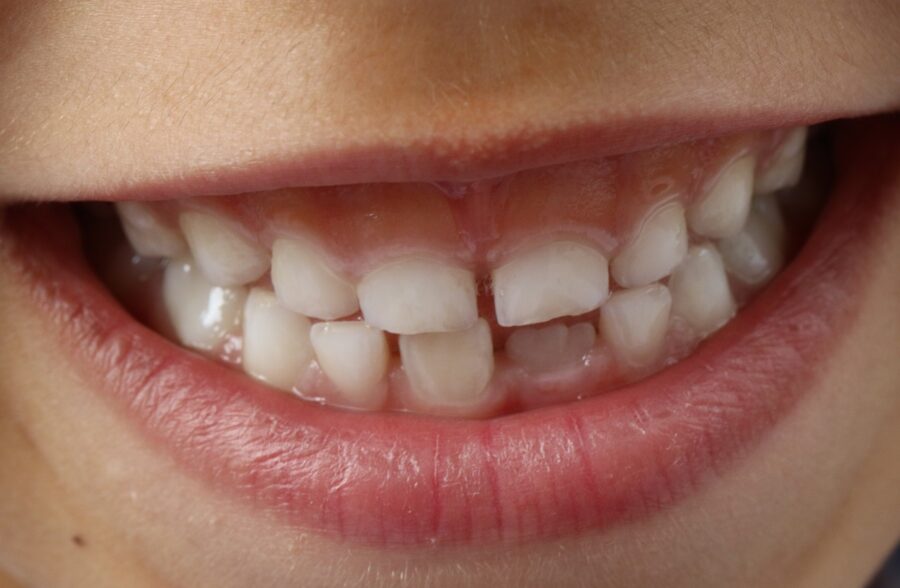
Root canal treatment in children (pulpectomy) is a micro-invasive hard tissue treatment discipline in the field of pediatric dentistry (pedodontics) aimed at halting acute or chronic infections that develop as a result of microorganisms reaching the living pulp chamber of the tooth. Children’s primary teeth have a much thinner protective enamel-dentin layer and a volumetrically much larger nerve chamber compared to adult permanent teeth. This histological structure causes caries acids to seep into the nerves within seconds, producing widespread inflammatory cells. This operation directed at children is based on the principle of meticulously removing all infected pulp tissue down to the root apices and sealing the canal space tightly.
- Total Pulpectomy: Complete extirpation of the damaged nerve structures within both the crown and root canals of the tooth.
- Biological Resorpsion Compatibility: Selection of canal filling materials that can dissolve spontaneously along with the roots when the physiological shedding schedule of the primary tooth arrives.
- Periodontal Fiber Isolation: Absolute prevention of infection leakage from the root apex into the jawbone and permanent tooth germs, avoiding any damage.
In Which Cases is Root Canal Treatment Applied in Children?
Pedodontic root canal cleaning processes are applied as a clinical necessity in cases where bacterial destruction or mechanical trauma infects the dental nerve at an irreversible level (irreversible pulpitis phase). If the child experiences persistent, throbbing pain that wakes them up from sleep at night and cannot be alleviated with analgesic syrups, this is certified proof that the infection has enveloped the entire nerve network. The physician rationally decides on this endodontic shield protocol in order to prevent early loss of the tooth via extraction and to maintain the intraoral masticatory balance.
The primary clinical conditions where root canal treatment is absolutely deployed in children are as follows:
- When purulent or necrotic (loss of vitality), foul-smelling discharge is detected from the root canals during the cleaning of deep nursing bottle or interproximal caries,
- When an insidious abscess pimple (fistula opening) appears at the gingival margin or along the line of the root apex, causing inflammation discharge,
- When it is understood that the nerve-vascular bundles of the tooth root are completely severed as a result of play traumas such as severe falls or impacts experienced by the child,
- When micro bone resorption shadows are observed in the furcation areas (bifurcation zone) of tooth roots during radiological scans.
Who is Root Canal Treatment in Children Suitable For?
Root canal disinfection processes are medically suitable for all pediatric patients who harbor an infected primary tooth in their mouth that is severely damaged but whose root structures have not yet resorbed, or who have deep caries detected in newly erupted young permanent teeth with open apices. The process can be adapted according to the child’s mental maturity and chair cooperation capacity. For little ones who have difficulty staying still in the chair, possess a very high dental phobia threshold, or belong to a very young age group with widespread nursing bottle caries, the treatment can be safely performed under operating room standards accompanied by sedation or general anesthesia units to ensure trauma-free completion in a single session.
- Children in the Mixed Dentition Period: Patients aged 6-10 who have both primary and permanent molars together in their mouths and experience deep pain.
- Individuals Avoiding Tooth Loss: Children of parents who do not want their child’s tooth extracted at an early age and support preventive medicine solutions.
- Sensitive Children with Systemic Follow-ups: Cases where it is documented that intraoral infection foci adversely affect general body health (growth rhythm).
Why is Root Canal Treatment Performed on Primary Teeth?
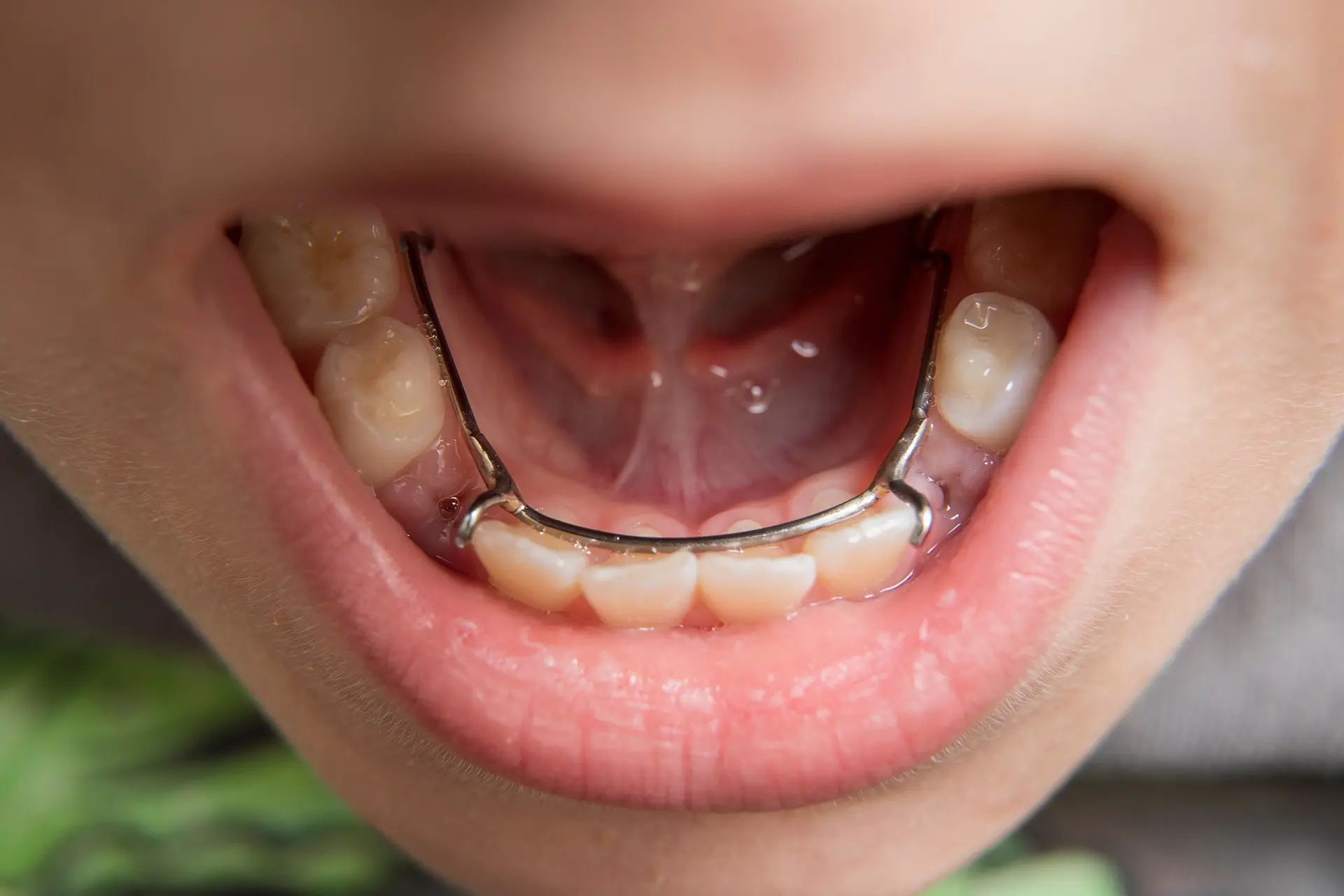
The primary reason for performing canal cleaning in primary dentition is to break the heavy skeletal and periodontal destruction chain right at the beginning, rather than leaving the infected tooth to its own devices with the perception that “a new one will replace it anyway.” The physiological shedding and replacement schedule of primary molars with permanent teeth biologically extends to the ages of 11-12. If the infected tooth of a 5-6-year-old child is left untreated and extracted early, the adjacent teeth tilt into the space, narrowing the jaw arch and causing the underlying permanent tooth to remain impacted, which leads to severe future orthodontic anomalies; root canal treatment prevents this structural collapse by retaining the tooth in the mouth.
- Natural Space Maintainer Preservation: Retention of the tooth in the jaw with its original body, mechanically preventing the permanent tooth socket from being encroached upon.
- Jawbone Matrix Support: Stimulation of the volumetric growth of the alveolar skeleton due to the ongoing transmission of masticatory forces to the bone.
- Permanent Germ Security: Prevention of the inflammation at the apex of the primary root from damaging the enamel layer of the underlying developing permanent tooth germ (via Turner’s hypoplasia).
How is Root Canal Treatment for Children Applied to Permanent Teeth?
Root canal treatment for newly erupted permanent teeth in children (especially 6-year molars) is carried out within the framework of “Apexification” (Root End Closure) or “Regenerative Endodontics” protocols, which are histologically completely different from the matured tooth patterns of adults. The root apices of a newly erupted permanent tooth are not yet fully closed, appearing much like an open funnel. The physician does not use conventional hard filling materials in these teeth; after the canals are cleaned, bio-active calcium silicate-based premium medical cements (MTA / Bioceramic) are placed at the root end, triggering the natural completion of root development inside the jawbone and elongation of the root length at the cellular level.
- Encouraging Apexogenesis: Preserving the deep vitality of the pulp tissue to stimulate the natural closure of the root apex by the child’s organism.
- MTA Barrier Lock: Creating an artificial hard tissue cap in canals with open apices to seal the canal within seconds.
How is the Examination Performed Before Root Canal Treatment in Children?
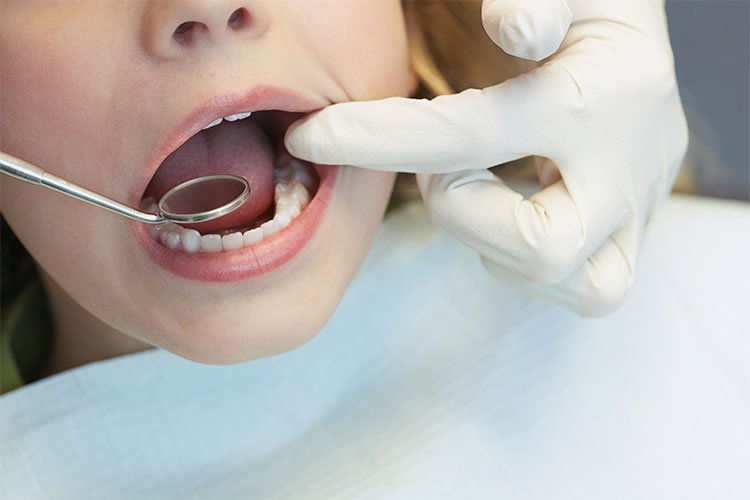
The pre-operative evaluation performed in the diagnostic chair is the most vital analysis phase that millimetrically maps the boundaries of infection spread within the pulp chamber and eliminates insidious pathologies. During the examination, the physician applies “Percussion Tests” by gently tapping on the tooth with a micro mirror to measure the child’s pain reflex degree; this move verifies whether the inflammation has reached the bone ligaments. In this phase, high-resolution digital radiology data and bite-wing radiographs are scanned layer by layer to eliminate insidious bone resorptions in the unseen root furcation areas (bifurcation margins).
- Fistula Tracking Examination: Inspection of the presence of a pimple opening leading to pus discharge in the gingiva, as well as checking the mucosal color.
- Root Resorption Level Analysis: Measuring the normal physiological resorption rate of primary tooth roots; if more than half of the roots are resorbed, treatment is contraindicated.
- Mobility Assessment: The process of documenting the looseness (mobility) degree of the tooth with the help of periodontal probes.
How is Root Canal Treatment Planned in Children?
The planning of the pedodontic endodontic workflow is executed through a step-by-step clinical hierarchy based on the anatomical depth of the caries, the complexity of the root tunnels, and the child’s dental chair anxiety threshold. Rote numbers of days are not given while planning the process; all steps are shaped with absolute loyalty to the rate of infection clearance from the root apex tissues. In planning, combining filling and canal steps within the same session radically optimizes the child’s clinic appointment schedule.
A modern pediatric root canal treatment planning matrix covers the following hierarchical phases:
| Treatment Planning Phase | Applied Clinical Protocol and Method | Targeted Tissue and Cellular Outcome |
|---|---|---|
| Phase 1: Diagnosis and Isolation | Radiological mapping and deployment of a rubber dam barrier. | Verification of the depth of the infection focus and a sterile working field isolated from salivary moisture. |
| Phase 2: Cavitation and Extirpation | Opening the pulp chamber and removing the infected nerve mass from the canals. | Eliminating the toxin factory that triggers pain and opening the tunnels phase. |
| Phase 3: Chemomechanical Preparation | Enlargement with nickel-titanium flexible files and antiseptic rinsing regimens. | Complete eradication of micro bacterial colonies on the inner walls of the canal and a sterile foundation. |
| Phase 4: Bio-Filling and Crown | Infusion of resorbable medical paste and mounting a sealed compomer/SSC restoration. | Full compliance with permanent tooth eruption physiology; restoring the tooth to its steadfast masticatory rigidity. |
What are the Stages of Root Canal Treatment in Children?
The chemomechanical clearance steps executed in the procedure chair advance through a strict medical hierarchy that completely eliminates the risks of micro-leakage brought on by human error. Each phase contains technical infrastructure chains that directly reinforce the sealing quality of the medical gels to be injected into the root end in the subsequent stage. Atraumatic micro-surgery rules are applied without compromise throughout the process.
- Access to the Pulp Chamber: Cleaning the carious tissues and completely removing the roof of the nerve chamber using high-speed, water-cooled diamond burs,
- Working Length Measurement: Determining the millimetric lengths of the root canals with the aid of digital apex locator devices,
- Chemomechanical Shaping: Smooth shaving of the root tunnels with flexible micro tips suitable for the delicate structure of the canals,
- Chemical Disinfection: The process of rinsing the canals hydraulically with sodium hypochlorite and EDTA solutions to clear the microscopic walls.
What are the Methods Used in Root Canal Treatment in Children?
The methods used in next-generation pedodontic endodontics practices are formulated from pharmaceutical raw materials in medical laboratories so that the components can fully respond to pediatric intraoral biology and root resorption reflexes. Unlike the frozen hard materials used in adult treatments, smart fluid paste combinations that will not block the pathway of the emerging permanent tooth are put to use in children’s primary canals. This wealth of methods makes it easier for the pedodontist to set up a customized sealing barrier for each root anomaly.
- Iodoform-Based Pastes (Vitapex/Metapex): Premium filling components with high antibacterial power that can be tracked radiologically and dissolve within the bone without leaving residues as the root resorbs.
- Zinc Oxide Eugenol Regimens: A conventional method phase that diffuses an antiseptic effect in root canals while soothing intra-tissue tensions with its mildly sedative anesthetic aroma.
- Nickel-Titanium Robotic Rotary Files: Smart flexible metals that clean by flexing in the very thin and fragile root curvatures of primary teeth without carrying a breakage risk.
Which Anesthesia Methods Can Be Used During Root Canal Treatment in Children?
To reset the child patient’s psychological anxiety level during surgery and render pain transmission lines completely insensitive, high-safety profile anesthesia technologies are deployed in modern pedodontics. Computer-controlled smart digital anesthesia devices (Wand units) are the primary choice to eliminate panic waves that develop the moment children see a syringe needle; because this system infiltrates the solution at a micro speed matching tissue resistance, the child absolutely does not perceive the stinging pressure sensation of the injector. For children with an advanced degree of phobia threshold or those who cannot stay still in the chair, a semi-sleep phase of fairytale comfort is created by administering sedation with nitrous oxide gas (laughing gas).
- Topical Anesthesia: Fruit-flavored strong numbing gels applied to the gingival mucosa prior to digital injection.
- Regional Block Tuning: The safety measure of numbing the main nerve line supplying transmission from the root during the surgical cleaning of mandibular molars.
How Long Does Root Canal Treatment Take in Children?
Pedodontic endodontics interventions are among the processes executed with the fastest, most dynamic, and practical time management in the medical calendar, taking into account the fact that children’s capacity to focus and keep their jaws open in the chair is much more delicate and limited compared to adults. Thanks to advanced robotic rotary file tips and fluid, rapidly injected bio-pastes, the complete canal cleaning and sealing stages of a multi-rooted primary molar are generally completed smoothly in a short time frame of only 20 to 30 minutes per session.
“Root canal treatment in children is a 20-minute light-speed endodontic success procedure that does not give the child a chance to get bored, thanks to advanced rotary microscopic tips.”
How Does the Healing Process Advance After Root Canal Treatment in Children?
The tissue recovery phase following the operation progresses through highly rapid, predictable, and linear steps, despite the intervention deep within the root canals, thanks to atraumatic pedodontic approaches. During the first 24 hours, the occurrence of a slight tingling sensation upon biting due to the periodontal defense reflex initiated by the body in response to the eradication of infection cells at the root end is a completely natural physiological wound repair reflex given by the extracellular matrix. The healing rate is very high in a child’s body; after the 3rd day, the gingiva regains its pinkness, and the complete renewal of the surrounding bone tissue is finalized with an insidious silence over an average period of a few months.
What Should Be Considered After Root Canal Treatment in Children?
To make the functional success of the restoration session permanent, support the rapid repair of stimulated root end tissues, and maintain the full hardening stability of the filling margin bonds, there are some practical rules for parents to observe in the home environment following the procedure. Keeping the child under close supervision during the first hours when the gums are temporarily desensitized due to anesthesia is a necessity for clinical safety.
The medical rules that must be meticulously observed at home during the sensitive period following the procedure are as follows:
- Until the effect of local anesthesia (numbness) disappears completely during the first 2 hours, absolutely no solid food should be given to prevent the child from opening deep wounds by inadvertently biting their desensitized lips or cheeks.
- For the first 48 hours following treatment, soft foods such as purée, yogurt, and plain soup should be preferred instead of excessively hard-shelled foods to avoid triggering temporary pressure pains at the root apex.
- Excessively sticky sugary foods like jelly beans, caramel, or chewing gum should be kept away from the child’s diet to prevent disrupting the adhesive margin quality of the filling or the stainless steel pediatric crown.
How Should Oral Care Be Performed After Root Canal Treatment in Children?
Post-session home hygiene processes must include a balanced discipline that prevents new bacterial plaque accumulation at the junction boundaries of the tooth undergoing canal treatment, but at the same time does not mechanically harass sensitive mucosal boundaries. The use of charcoal or baking soda hard toothpastes sold in pharmacies, which have an excessively high abrasiveness, is strictly forbidden because they can scratch pediatric oral tissues; home hygiene should be entrusted to gentle sweeping motions supported by parents.
- Ultra Soft Filament Brushing: Brushing at least twice a day for a minimum of 2 minutes with soft-bristled brushes manufactured specifically for children to clean without harassing the gums.
- Interdental Floss Discipline: The necessity of gently slipping dental floss through the adjacent contact points of the treated tooth every night by the parent to clear it from interproximal food remnant acids.
How Should the Tooth Be Protected After Root Canal Treatment in Children?
The ability of a primary or permanent tooth that has undergone canal clearance to be protected against intraoral masticatory forces for many years without fracturing depends directly on the sealing quality of the restoration to be applied to its upper crown part. Because teeth undergoing root canal treatment lose water content, their brittleness coefficients are higher compared to normal teeth. After a dental filling is placed, if an excessive loss of substance is present, the top of the tooth should be put under a full protective armor by completely capping it with bio-compatible Stainless Steel Pediatric Crowns (SSC) or aesthetic zirconium pediatric crowns registered to medical standards to prevent the tooth from breaking and splitting in two.
How Does Root Canal Treatment Contribute to the Preservation of Primary Teeth in Children?
The greatest contribution of this professional endodontic prophylaxis model to primary tooth integrity is that it certifies the tooth to maintain its natural space maintainer mission in the jaw skeleton with absolute stability until the shedding age. As long as the primary tooth is kept alive and inflammation-free in the mouth, tilting of adjacent teeth into the space is prevented; this keeps the containment corridor where the underlying permanent tooth will erupt secure. Thus, at an early age, the child is protected from the likelihood of requiring complex orthodontic wire treatments that would demand thousands of liras in budgets and surgical operations in the future.
What Are the Advantages of Root Canal Treatment in Children?
The advantages provided by the advanced technology pedodontic endodontics workflow to the general facial and systemic development of the child not only alleviate an instantaneous ache but also protect the future of oral health. Keeping the child away from early tooth losses and jaw narrowing nightmares positions this method at the forefront of the most valuable preventive investments in modern pediatric dentistry.
- Eradicates Pain and Abscesses from the Root: It helps the child get full sleep by freeing them from chronic aches, supporting the comfortable continuation of their nutrition.
- Preserves Natural Anatomy: It allows the child to maintain intraoral pH balance with their own natural tooth integrity instead of wearing artificial wire appliances.
- Systemic Health Barrier: By closing the inflammation factories at the root apex, it zeros out the risks of bacteria mixing into the blood and triggering damage in internal organs.
- Reinforces Speech Phonetics: Especially when performed on anterior teeth, it supports the child in pronouncing letters clearly without lisping.
Why Are Regular Controls Important After Root Canal Treatment in Children?
Periodic control sessions following surgical and endodontic intervention include the most vital examination steps that monitor the rate of ossification (bone formation) within the jawbone and supervise the eruption depth of the underlying permanent tooth germ. The jaw skeleton in children continues to grow and expand every month; therefore, monitoring whether the roots of a primary tooth with a canal filling are resorbing in harmony with the underlying permanent tooth every 6 months by a physician with radiological data in a clinical setting is an uncompromised rule of medicine.
Which Other Pediatric Dental Treatments Can Be Planned Alongside Root Canal Treatment in Children?
Pedodontic canal technology can be planned in a combined synergy with other modern preventive protocols of pediatric dentistry to preserve intraoral hard and soft tissue integrity and elevate facial aesthetics. While underlying root seals are locked with pastes, other caries risk lines throughout the jaw can be treated simultaneously with different robotic units.
- Fissure Sealant (Tooth Vaccine): Sealing deep grooves of adjacent sound teeth with resins while the patient is in the child chair to protect them from decay upon completion of the canal treatment,
- Prefabricated Pediatric Crowns (SSC): Armoring the top of a severely damaged canal-treated tooth with aesthetic metal or zirconium crowns to prevent it from fracturing,
- Clinical Fluoride Gel Therapies: Processes of applying protective matte varnishes to all tooth surfaces to harden the enamel calcium bonds across the mouth 5 times over against acid attacks.
What Are the Frequently Asked Questions About Root Canal Treatment in Children?
The most common practical anxieties arising in the minds of parents planning root canal treatment processes for their children due to deep dental caries and abscess pains, along with their uncensored medical answers, are presented below:
Does root canal treatment performed on primary teeth damage the permanent tooth germ hidden in the lower layer?
No, on the contrary, it protects the permanent tooth germ from absolute infectious destruction. The medical pastes (calcium hydroxide/iodoform) used in root canal treatments applied to primary teeth are special smart materials that can be resorbed (dissolved) by the body along with the primary root as the permanent tooth pushes upward; therefore, they cause no mechanical or chemical harm to the permanent tooth. If the primary tooth is left infected instead of undergoing a root canal treatment, the acid factory in that region permanently decays and yellows the enamel of the underlying permanent tooth.
Will my child experience a lot of pain while the inside of the root canals is being cleaned during root canal treatment?
No, they will absolutely not feel the slightest pain or ache. Prior to the procedure, strong topical numbing gels with strawberry or banana flavors, which children love very much, are applied to the gingival mucosa; immediately afterward, full desensitization is achieved via computer-controlled smart digital anesthesia technologies (Wand units) by infiltrating the solution at a speed matching tissue resistance. Since pain transmission lines are completely closed during the session, the child only perceives the water coolness of the devices, and the process is completed in full comfort.
In adults, teeth undergoing root canal treatment become devitalized and turn black; will my child’s tooth darken as well?
The filling materials and medications used in adult canals could cause slight discoloration in teeth in the past; however, the next-generation bio-active pastes (iodoform components) used in modern pediatric dentistry do not carry risks of darkening or staining tooth tissues black. Furthermore, since the upper structure of the tooth is sealed with nanohybrid compomer fillings or aesthetic white pediatric zirconium crowns, the tooth fully maintains its intraoral aesthetic brilliance and transparent whiteness.
How will you treat my very young child who absolutely refuses to open their mouth to the dentist and cries constantly in the clinic?
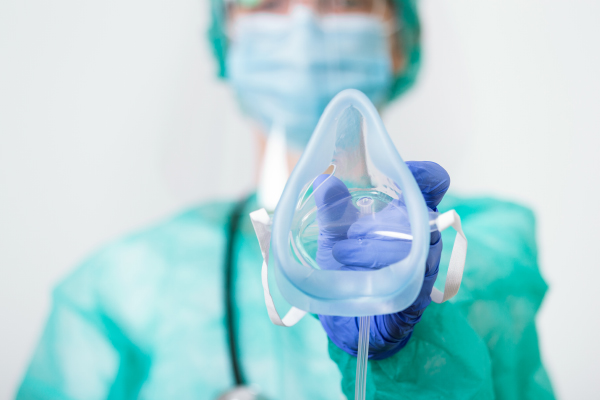
This situation is a standard process model managed with the highest sensitivity and empathy in our clinician practices. If our pediatric patient has an advanced degree of dental phobia or does not respond to persuasion techniques, forcing and holding the child in the chair to traumatize them psychologically is absolutely against our charter. In these cases, with the comfort of Sedation (Semi-Sleep) applied under the supervision of our anesthesiologist in a fully equipped operating room environment, the child is transitioned into a sweet fairytale sleep with a mask, and all canals and fillings can be finished painlessly and without needles in a single session.
Can the child return to their normal school or kindergarten immediately on the day root canal treatment is completed?
Yes, root canal treatment in children consists of completely local and micro-invasive restoration steps that do not disturb consciousness, do not affect motor manual skills, and do not involve surgical scalpel incisions; therefore, the exact second the filling is cured, the child can get up from the chair and continue their normal daily play, kindergarten, school, or social life rhythm with bright self-confidence; there is no medical obstacle to their participation in activities after the session; only solid food should not be given for the first 2 hours until the numbness wears off.
Who Are We? & Panorama Ankara Oral and Dental Health
Panorama Ankara is a licensed oral and dental health center providing institutional health assurance to its patients by combining an academic expert staff and the latest global bio-technological digital infrastructure under a single roof, particularly in all specialty branches of dentistry such as oral, dental, and maxillofacial surgery, advanced implantology, microscopic endodontics, periodontology, pediatric dentistry (pedodontics), and aesthetic dentistry. Instead of condemning abscess-draining teeth that sabotage early childhood caries, nursing bottle destruction, and children’s life comfort to extraction scalpels with the convenience of “it will shed anyway,” our center attaches vital importance to bringing about permanent oral integrity centered on the principles of “preventive vital pedodontics” with evidence-based medical disciplines; it operates the 3D Digital Diagnostic Mapping and Pediatric Dentistry (Pedodontic Root Canal Treatments) ecosystems seamlessly with schedule discipline from the very beginning to the end of the clinical operation workflow.
Under the roof of Panorama Ankara, all diagnostics, radiological scans, designs, and microscopic restoration interventions are carried out in full compliance with medical regulations in terms of absolute sterilization, high patient safety, transparency, and honesty principles. In our clinical practices, while analyzing the vertical boundaries of the jawbone and the deep curvatures of permanent tooth germs with millimetric sections through 3D tomographies, proprietary intraoral scanner cameras that transfer the intraoral twin to the computer within seconds without causing gagging stress to the patient, and computerized digital anesthesia stations that prevent children from feeling needle pain are applied with millimetric precision under the supervision of our expert pedodontist staff. Our goal is not to impose old-fashioned, fear-inducing, severely tooth-cutting, distressing, and mismatched analog treatment patterns on our pediatric patients; but rather to analyze each little one’s jawbone quality, occlusion mechanics, and facial aesthetic golden ratio boundaries on the virtual screen prior to the operation, achieving maximum session comfort without harming surrounding soft tissues and vascular pathways, a sleep standard with sedation, and smooth permanent dental infrastructures that you will use with unshakable confidence for a lifetime. If you are tired of black decay spots and unyielding abscess pains on your child’s teeth when looking in the mirror, yet postpone your check-ups due to fear of the dentist’s chair or pediatric phobia limitations, and wish to start your smart digital treatment process from start to finish with scientific assurance in an expert institutional center environment; you can safely protect your health and smile integrity by contacting the expert staff of Panorama Ankara for a detailed examination.