

What Are Dental Treatments Under Sedation?
Dental treatments under sedation are a modern clinical anesthesiology practice in which the patient’s central nervous system activity is controlled and suppressed with the help of pharmacological agents, thereby completely eliminating dental-induced fear, panic, and physical stress responses. Unlike general anesthesia (full narcosis), the patient’s consciousness is not completely shut down in this method; the individual continues to breathe freely on their own and can fulfill simple verbal commands coming from the physician, such as “open your mouth” or “turn your head to the right,” with passive compliance. Thanks to the amnesic (temporary memory erasure) effect created by the medications, the patient absolutely does not remember the mechanical sounds, vibrations, or needle movements heard during the operation afterward; this fundamentally prevents dental processes from turning into psychological trauma.
- Conscious Sedation (Minimal/Moderate): A semi-sleep phase in which the patient remains awake, fully maintains protective airway reflexes, and responds to commands.
- Deep Sedation: A deep relaxation stage where the patient is more difficult to awaken but can give meaningful responses to painful stimuli or repeated verbal commands.
- Amnesic Effect Quality: The illusion that a 2-hour surgery feels as short as 10 minutes to the patient as a result of the shrinking perception of time when the procedure is finished.
In Which Situations Are Dental Treatments Under Sedation Applied?
Carrying out dental procedures within sedation protocols is indicated in the presence of psychological or physiological barriers that sabotage the patient’s treatment efficiency and tissue safety in the clinical chair. This anesthesia support is a clinical necessity for patients who experience a panic attack crisis the moment they hear the dentist’s syringe or rotary instrument sound, and for individuals whose severe gag reflex is triggered even by the slightest intraoral examination mirror. The physician rationally decides on this pharmacological approach in order to both keep the patient’s cardiac stress coefficient in balance and to seamlessly weave complex surgical steps.
The main clinical situations in which sedation-supported dental treatments are definitively preferred are as follows:
- In patients who have postponed their routine checkups for years due to severe needle and dentist phobia (dentophobia) and have widespread destruction in their mouths,
- In cases with chronic muscle spasms or temporomandibular joint (TMJ) disorders who find it physically difficult to keep their mouths open for a long time,
- When it is planned to complete a large number of extractions, fillings, and root canal treatments distributed over four separate jaw quadrants in a single appointment session,
- In individuals with hypertension or coronary heart disease, in order to prevent sudden adrenaline discharges and blood pressure crises that chair fear may cause.
Who Are Dental Treatments Under Sedation Suitable For?
Sedo-anesthesia-supported dental treatment processes are medically suitable for pediatric age group children who cannot show chair compliance, individuals with special needs who have mental or motor skill limitations, and any adult patient who cannot allocate weeks to dental treatments due to an intense work schedule. The system is dependent on the rule that the patient is certified to have no obstacles to receiving anesthesia in pre-operative laboratory tests and systemic questioning performed by the anesthesiology team. In our clinical table below, suitability and process characterization parameters of dental treatments under sedation according to patient groups are listed:
| Patient Group / Clinical Biotype | Sedation Suitability Criterion | Expected Clinical and Cellular Success Outcome |
|---|---|---|
| Adults with Advanced Dentophobia | Completely Suitable / Primary Choice | Flawless completion of all fillings and surgical procedures in a single session by suppressing stress hormones. |
| Cases with High Gag and Vomiting Reflex | Completely Suitable / Absolute Indication | Perfect execution of impression taking and posterior tooth filling steps by quenching the excessive sensitivity in pharyngeal muscles. |
| Uncooperative Young Children (Ages 2-6) | Completely Suitable / Pedodontist Supervised | Cleaning of all caries in a single session without creating permanent psychological dental trauma in the child. |
| Those with Acute Severe Systemic Respiratory Failure | High Risk / Stabilization Required | Sedation steps are postponed until lung or heart function stability is approved by a medical doctor. |
What Are Sedation Methods?
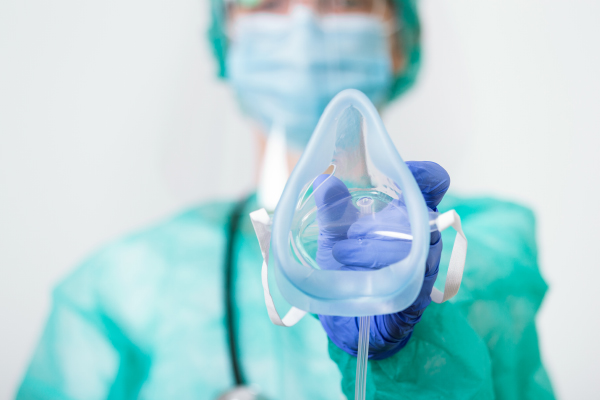
Sedation protocols applied in anesthesiology practices are put into practice with different medical methodologies depending on the routes of drug administration to the patient, the targeted depth of semi-sleep, and the estimated duration of the operation. The most common and controllable method is the “Intravenous (IV) Sedation” technique, in which sedative agents are leaked directly into the blood circulation through a microcatheter opened from the arm vein. In shorter-term and milder stages, “Inhalation (Gas) Sedation” (laughing gas), in which a mixture of nitrous oxide and oxygen gas is inhaled by the patient through a medical nose mask, is brought into play.
- Intravenous (IV) Sedation: The most stable method in which the drug dose can be adjusted instantly and precisely on a milliliter basis according to the patient’s pulse and blood pressure course.
- Inhalation Sedation (Nitrous Oxide): A system that offers rapid recovery, where the effect completely evaporates from the body within a few minutes from the moment the gas is cut off.
- Oral Sedation: The phase covering medical syrups given to pediatric child patients to calm down before entering the operating room.
How Is Dental Evaluation Performed Before Sedation?
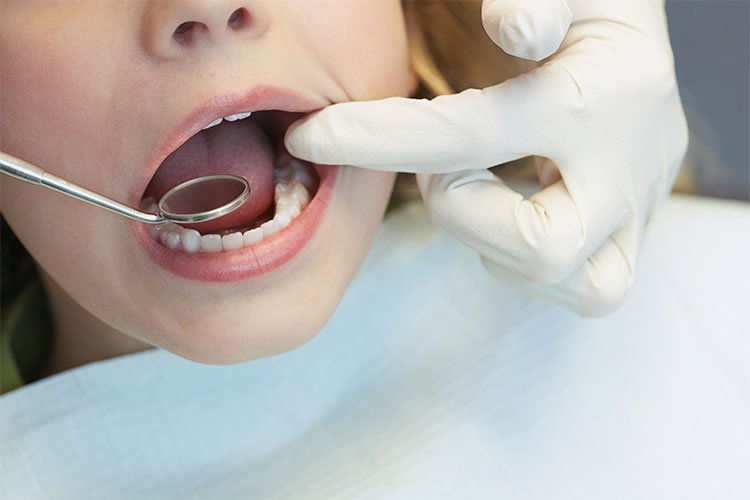
The clinical dental evaluation performed before finalizing the sedation appointment is the most vital pre-operative mapping phase that millimetrically plans which microscopic intervention (filling, extraction, root canal) will be performed continuously on which tooth while the patient is in sleep mode. During the examination, the physician registers the intraoral tissues and lesion depths with the help of periodontal probes. In order to keep the operation time at the optimum limit and prevent extra time losses, CBCT 3D dental tomographies or digital panoramic radiologies showing the jaw skeleton and root canal anatomies at a 1:1 scale are scanned layer by layer and recorded on the treatment card.
- Detection of Infection Foci: Clear determination of which teeth can be saved with root canal treatment and which ones will be surgically sacrificed.
- Restorative Material Calibration: Pre-preparation of the composite resin or prefabricated pediatric crown quantities to be used during sedation in the laboratory.
How Is the Dental Treatment Process Planned Under Sedation?
The planning of the sedo-anesthesia-supported dental flow is carried out through a step-by-step algorithm based on the total caries and surgical lesion load in the dental arch, the patient’s age lines, and the pharmacological safety limits determined by the anesthesiology specialist. When planning the process, the temporomandibular joint is not battered with hasty moves; because efficient management of sleep duration directly determines the patient’s awakening comfort. In planning, the hierarchical workflow order of surgical steps and filling stages is registered in advance.
- Stage 1 (Diagnosis and Consultation): Analysis of intraoral tomographic data and a systemic check-up of the patient by the anesthesiologist.
- Stage 2 (Hierarchical Work Sequence): Planning to perform infected extractions first on the day of operation, followed by root canal and filling stages.
- Stage 3 (Recovery and Discharge): The schedule of discontinuing sedative agents at the end of the procedure, resting the patient in the recovery room, and discharging them on the same day.
How Is Patient Comfort Provided During Sedation Application?
During the sedation session, the patient’s comfort and safety standards are provided at the maximum level by operating advanced pharmacological combinations integrated with full-fledged operating room equipment ecosystems. While the agents leaked through the vascular access carry the patient to a mode of deep relaxation, peace, and lightheartedness (anxiolysis), any kind of drill leakage or mechanical sound perception in the procedure room is dampened before reaching the cerebral cortex. Throughout the time the patient lies in the chair, they get through the process smoothly without feeling any physical fatigue, jaw joint tension, or time pressure.
- Local Anesthesia Support (Combined): Performing local anesthesia on the gums after the patient is put to sleep with sedation; in this way, pain signals traveling to the brain are locked with a double barrier.
- Noise Isolation: The phase of preventing the high-frequency sounds produced by the dental turbines from creating panic waves in the patient, thanks to the power of the amnesic effect.
Which Dental Treatments Can Be Applied Under Sedation?
Under the controlled sedative sleep phase, complex dental restorations and surgical operations belonging to all specialty branches of intraoral hard and soft tissues can be combined and successfully applied in a single session. The team of physicians, who use time very efficiently while the patient is in a relaxed position, purifies the entire dental arch from pathologies by showing the highest level of loyalty to tissue integrity. This flexibility prevents the patient from coming to the clinic repeatedly and experiencing needle stress.
- Restorative and Endodontic Treatments: Cleaning of all deep caries, layer-by-layer application of light-cured composite aesthetic fillings, and root canal treatments.
- Oral, Dental, and Maxillofacial Surgery: Removal of impacted wisdom teeth by bone shaving, scraping of jaw cysts, and resolution of root-end abscesses.
- Advanced Implantology and Grafting: Placement of titanium screws into missing tooth areas, jawbone powdering (grafting), and membrane applications.
How Are Dental Treatments Performed Under Sedation in Children?
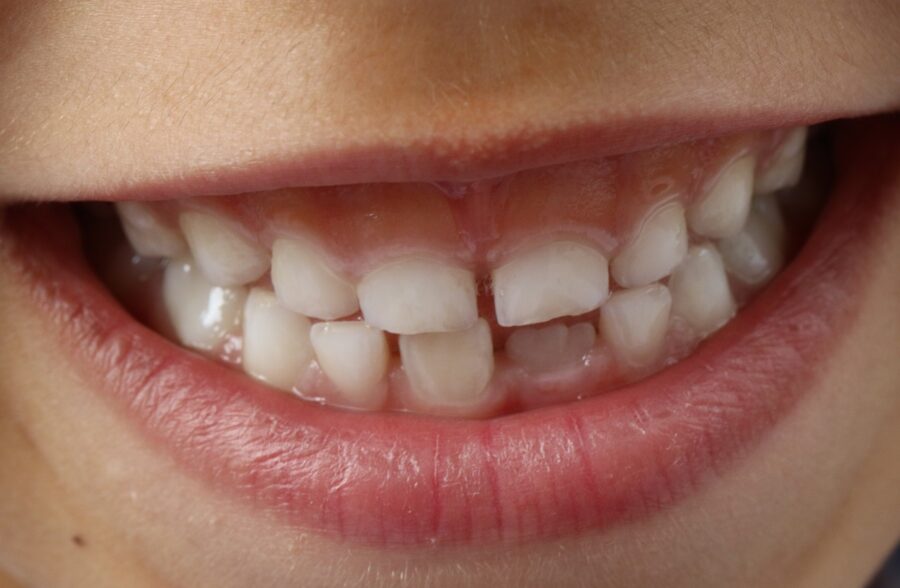
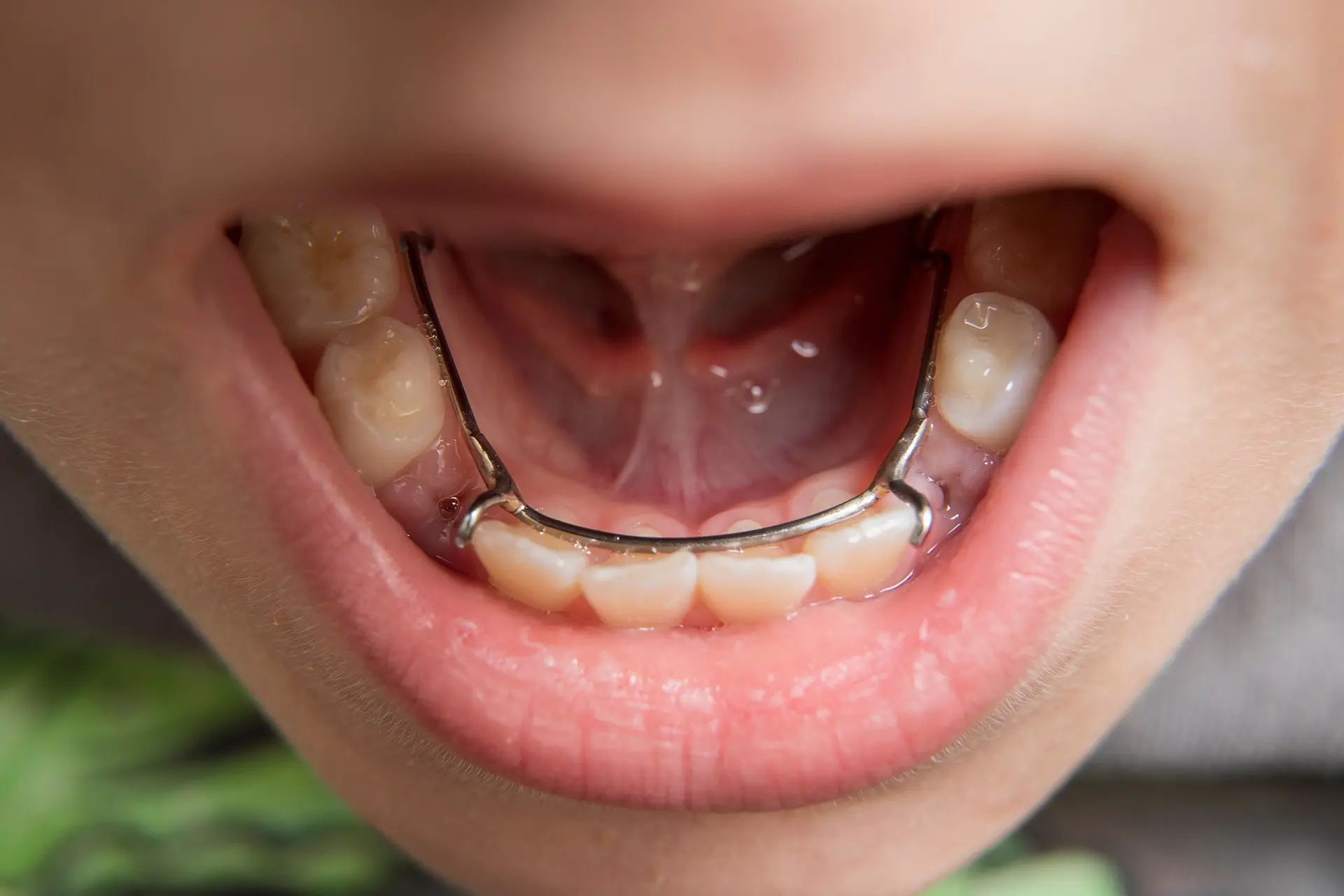
Treating children under sedation in the discipline of pedodontics (pediatric dentistry) is the most visionary approach that prevents the child’s dental phobia coefficient from being broken for life and preserves the space-maintainer protection mission of primary teeth in the jaw skeleton. The little ones, taken into the operating room with pre-calming syrups (premedication) suitable for child psychology, transition into a fairy tale sleep without experiencing mother-separation anxiety. After cleaning the nursing bottle caries in the primary teeth, the pedodontist coats the teeth with artificial composite fillings or bio-compatible stainless steel pediatric crowns to zero out recurrence in children, certifying that the teeth remain in the mouth until their exfoliation age.
- Needle-Free Induction Phase: Ensuring that the child does not even cry while their vascular access is being opened, with the help of strawberry-flavored gases inhaled from a nasal mask.
- Primary Root Canal Treatments (Pulpotomy): Securing the underlying permanent tooth buds by filling the primary tooth root canals with biologically resorbable fillings.
How Is Sedation Application Used in Individuals with Fear of the Dentist?
In adult patients experiencing severe dental phobia and fear of needles (dentophobia), sedation technology is the most uncompromising medical shield that saves the patient from that cold wall anxiety of the clinic room and permanently stops tooth loss. The heart rates (pulses) of these patients skyrocket uncontrollably the moment they sit in the chair, and this biochemically reduces the absorption power of local anesthesia in the tissue. Sedation reduces the pulse and blood pressure to physiological safety limits by soothing the anxiety receptors in the brain with agents administered through the vascular access; all their treatments are completed while the patient sleeps in dream-like comfort.
“Sedation is turning the dental chair from being a room of fear into a dream serenity where you will see all your teeth smoothly done when you open and close your eyes.”
What Preparations Should Be Done Before Sedation?
The preparations that the patient must complete in the home environment until the hour of surgery are uncompromising medical safety barriers that zero out sedo-anesthesia complication risks. The most vital rule is the absolute fasting schedule applied to ensure that the patient’s stomach contents are empty, that is, to prevent stomach fluid from escaping into the lungs (aspiration) during deep relaxation that may develop at the time of operation. The patient’s pre-operative check-up card is combined with the anesthesia approval form and delivered to the clinic team.
- Absolute Fasting Period: No food, solid or liquid nourishment, including water, should definitely be consumed for at least 6 hours before the operation hour.
- Companion Obligation: The rule that the patient must be discharged from the clinic accompanied by a companion, since the mild drowsiness effect of the medications will continue after the procedure.
- Medical Drug Notification: If there are continuously used blood pressure or heart medications, taking them on the morning of the surgery with a very minimal sip of water within the approval of the anesthesia physician.
How Long Do Dental Treatments Under Sedation Take?
The total duration of sedo-anesthesia-supported dental operations varies according to the number of decay fillings planned for intervention, the skeletal depth of impacted teeth, and the dimensions of grafting stages. Considering the elimination cycle of sedation drugs from the body, the net surgical working time in a single session within safety limits is generally kept constant between 1.5 and 2.5 hours. The discontinuation of medications at the end of the operation, the patient regaining full consciousness, and being taken to the recovery room is an average 15-minute practical medical process.
- Short Session Applications: Single impacted tooth extractions or pediatric fillings; a practical schedule of average 30 – 45 minutes.
- Holistic Mouth Rehabilitation: Simultaneous implant and filling construction for the entire jaw; an appointment block of approximately 2 hours.
How Does the Healing Process Progress After Sedation?
The tissue recovery and recuperation phase after the operation progresses with extremely fast, predictable, and linear steps, despite containing surgical extraction lines, thanks to the atraumatic clinical comfort brought by sedation. In the patient taken to the waking room after the medications are discontinued, the formation of a mild dizziness, feeling of drunkenness, or orientation slowness in the first hours is a completely natural part of the elimination phase of pharmacological agents by the liver and kidneys. After an average of 1 hour of inpatient rest, the patient is discharged to their home from the polyclinic walking together with their companion.
- First 2 Hours (Recovery Phase): Metabolizing and eliminating medications from the body; the feeling of dizziness completely disappears, and a clear level of consciousness is reached.
- The Turning Point of the First Night: Mild seepages in surgical areas are normal; the process is managed comfortably with ice compresses and pain relievers to be prescribed by the physician.
What Should Be Considered After Sedation?
In order to make the aesthetic and surgical success of the restoration session permanent, to support the regenerative repair cycle initiated in lower cell layers, and to protect the vascular balance of the patient during the awakening phase, there are strict medical rules to be followed in the home environment after the operation. Since the mild slowing effects of pharmaceutical agents on motor skills may continue in the first hours, it is a clinical necessity for the patient to act meticulously for their safety.
The medical rules that must be meticulously followed at home during the critical process after the operation are as follows:
- For the first 2 hours after surgery, absolutely nothing, including water, should be drunk or eaten so that swallowing reflexes can completely normalize.
- In the first day’s nutritional schedule, instead of excessively fatty foods that may irritate the stomach and cause vomiting, lukewarm plain soups and purees should be chosen.
- Due to the risk of anesthesia medications temporarily slowing down motor reflexes, driving must absolutely not be done for the first 24 hours after the operation.
- Smoking, tobacco products, and alcohol consumption must be completely stopped for at least 3 days so as not to paralyze the capillary vessel repair speed at the wound site.
How Is Safety Ensured in Dental Treatments Under Sedation?
Patient safety protocols in clinical sedation processes are certified at the highest level through continuous digital monitoring tracking by a professional medical team consisting of an anesthesiology and reanimation specialist physician and anesthesia technicians. Sensitive electronic sensors connected to the patient’s fingertip and arm project vital organ functions layer by layer onto the computer screen at every second the operation progresses. At the exact millisecond a micro-fluctuation is registered in any parameter, smart anesthesia devices give audible warning signals, triggering the immediate software revision of drug doses; the process is in vascular safety.
- Pulse Oximetry Control: The safety of keeping the oxygen saturation rate in the blood at the limits of 98-100% every second.
- ECG and Pulse Monitoring: Instant graphic mapping of heart rate rhythm and vascular blood pressure fluctuations.
Which Age Groups Can Sedation Application Be Preferred For?
Sedation-supported dental anesthesia protocols can be safely applied in all stages of life, completely independent of the chronological age lines of the patient; from 2-year-old pedodontics patients in the early childhood phase to elderly patients over 80 with systemic risks in the geriatric age group. Age alone is not a barrier criterion; what is vital is that the patient’s general physiological organ capacities to reduce and absorb anesthesia drugs have been certified by pre-operative laboratory tests.
- Pediatric Period (Children): The comfortable group of little ones who have zero chair compliance and contain widespread nursing bottle caries.
- Geriatric Period (The Elderly): The group of elderly clients who cannot receive commands due to reasons such as Alzheimer’s, Dementia, or who have Parkinson’s tremors.
Comparison of Sedation and General Anesthesia
The most radical difference between sedation-supported maxillofacial surgery and restoration workflows and conventional general anesthesia (narcosis) applications is the management style of the patient’s respiratory mechanism, the pharmaceutical depth of the medications used, and the speed of discharge after the operation. While the patient breathes naturally on their own in sedation, respiratory muscles are paralyzed in general anesthesia and a ventilator is mandatory. In the comparison table below, clinical features of two advanced medical anesthesia classes are listed:
| Clinical and Pharmaceutical Comparison Criterion | Sedation Application (Conscious / Deep) | General Anesthesia Application (Full Narcosis) |
|---|---|---|
| Patient’s Level of Consciousness and Command Perception | It is semi-open; they can give passive responses to simple verbal commands coming from the physician. | It is completely closed; they do not perceive any external stimuli or commands. |
| Management of Respiratory Mechanism | It is natural; the patient breathes freely on their own, without device support. | It is artificial; respiratory muscles are relaxed, and they are connected to the device with a breathing tube (intubation). |
| Speed of Discharge from Clinic to Home | It is fast; the patient returns home walking with a 1-hour rest at the end of the procedure. | It is slow; due to narcosis, the patient is required to remain under observation for at least 4-6 hours. |
| Tissue Muscle Relaxation Coefficient | It is at a medium-high level; jaw muscles relax, anxiety is zeroed out. | It is at the maximum level; the entire skeletal muscle system is pharmacologically paralyzed. |
What Are the Advantages of Dental Treatments Under Sedation?
Among holistic mouth rehabilitations, the sedation workflow carried out in operating room and clinic conditions is at the top of the most visionary solutions that bring patients who have postponed their treatment for years due to chair phobia to permanent oral health. Combining exhausting analog session losses that would last for weeks into a single appointment session makes this method one of the most popular and patient-friendly processes of modern dental surgeries.
- Complete Treatment in a Single Session: Finishing 10-12 caries, extractions, and implant steps within the same session without losing time.
- Psychological Trauma Is Zeroed Out: The comfort of preventing the formation of a new fear threshold in the minds of individuals with a dentist’s chair phobia.
- Maximum Procedure Accuracy: Since the patient’s sudden twitching or gagging movements are eliminated, the physician can work with zero error tolerance.
- Fast Healing Comfort: Acceleration of the wound site repair speed after the operation since stress hormones (cortisol/adrenaline) are not secreted.
How Should Oral Care Be Performed After Dental Treatments Under Sedation?
Post-session home hygiene processes must contain a delicate balanced protocol that will limit the intraoral pathogenic bacterial population to prevent infection (alveolitis) risks at the extraction and filling borders, but will also not batter the freshly sutured fresh mucosa margins. On the day of the operation, the inside of the mouth should not be rinsed forcefully with water and should not be spat out; from the next day, while normal brushing steps start, the hygiene of the procedure area is entrusted to chemical antiseptics.
- Antiseptic Mouthwash Barrier: Rinsing with medical mouthwashes containing chlorhexidine in the morning and evening without touching the brush to the wound, starting 24 hours after the operation.
- Transition to Micro-Filament Brush: From the 48th hour, the use of ultra-soft surgical brushes manufactured only for sensitive periods to purify the filled tooth surfaces from plaque accumulation.
What Are Frequently Asked Questions About Dental Treatments Under Sedation?
The most common practical anxieties arising in the minds of clients who plan to have their dental procedures under sedation comfort and in semi-sleep mode, and their polyclinic medical responses are presented below:
Does the sedation application hurt while I am asleep, will I feel what is being done during the procedure?
No, you definitely will not feel the slightest pain, ache, or sting. Seconds after sedation gels and medications are injected through the vascular access, you pass into a deep dream mode. While our physician performs local anesthesia on your teeth or cleans the caries, you only perceive light sweet touches, but these perceptions cannot produce pain signals in the brain; the session is completed in a full comfort room.
Is the memory erasing (amnesia) effect of sedation medications permanent, will it damage my brain or mind?
No, the amnesia (loss of memory) effect created by sedation is a completely temporary, pharmacological, and medical process. It only covers that 1-2 hour operation moment when the drug is actively secreted from the vein. After the operation is finished and the drug is cut off, your memory mechanism regains its old original clarity within seconds; permanent forgetfulness, mental damage, or brain cell loss towards the past or future is definitely not experienced.
Will fillings made under sedation be as durable and long-lasting as those made in a normal chair?
Yes, on the contrary, they become much more leak-proof, robust, and long-lasting. In traditional chair sessions, the patient’s tongue movements, saliva leakages, or sudden twitching reflexes can sabotage the bonding (adhesion) quality of the filling to the enamel. In sedation, since the patient is completely motionless and 100% isolated from oral fluids with barriers, the surgeon weaves all filling and root canal stages with a micron-level accuracy, in ideal dryness; this carries the restoration life to the maximum.
How long after getting up from the sedation chair will I come to myself, do I need to stay in the hospital?
Sedation applications are highly flexible procedures that fall into the class of “outpatient day surgery” in medical literature. The moment the surgery ends and the drug is cut off, it takes only 5 to 10 minutes for the patient to open their eyes and for their consciousness to clear. After an average of 45-60 minutes of inpatient rest and a liquid nutrition schedule in the recovery room, the patient is discharged to their home comfortably on foot within the same hour accompanied by their companion, there is no requirement for overnight stay.
Can I return to my normal professional and daily life immediately on the day my sedation treatment ends?
Due to the mild weakness, exhaustion, or feeling of drunkenness that anesthesia medications can cause in the lower muscle layers on the day of the operation, it is a medical rule to spend the rest of the day resting at home. However, when you wake up the next morning, since the pharmaceutical agents will be completely eliminated from your body; you can return to your normal daily, professional, social, academic, or travel life rhythm instantly from where it left off, purified from pain and with high self-confidence serenity.
Who Are We? & Panorama Ankara Oral and Dental Health
Panorama Ankara is a licensed oral and dental health center that offers corporate health assurance to its patients by combining an academic expert staff and the latest global bio-technological digital infrastructure under a single roof in the branches of oral, dental, and maxillofacial surgery, advanced implantology, microscopic endodontics, periodontology, pedodontics (pediatric dentistry), and specialized anesthesiology. Our center, which attaches vital importance to bringing its patients—who have to postpone their dental treatments due to fear of the dental chair, intense syringe phobia, excessive gag reflex, or special needs limitations—to permanent oral integrity by centering the principles of “controlled sedo-anesthesia comfort” with evidence-based medicine disciplines instead of condemning them to tooth loss, operates the ecosystems of Digital Diagnostic Mapping and Dental Treatments Under Sedation with schedule discipline without compromise from the very beginning to the end of the clinical operation workflow.
Under the roof of Panorama Ankara, absolute sterilization, high patient safety, transparency, and honesty principles are operated in full compliance with medical regulations by virtue of the statute in all diagnostic, radiological screening, design, and clinical restoration interventions performed. In our clinical practices, while analyzing the vertical borders of the jawbone and lesion depths with milimetric sections via 3D tomographies, advanced pulse oximetry and ECG stations monitoring vital organ functions every second are meticulously applied under the supervision of our expert anesthesia physician and surgeon staff. Our aim is not to impose old-fashioned, slow, exhausting analog chair molds that create psychological trauma and pain risk in the patient; but to analyze each individual’s physiological organ quality, occlusion mechanics, and facial aesthetic golden ratio borders on the virtual screen before the operation, to achieve maximum session comfort, outpatient discharge standard, and healthy, smart smile designs that you will use with unshakable confidence for a lifetime without damaging surrounding soft tissues and vascular pathways. If you are tired of your ruined teeth when you look in the mirror, but you postpone your treatments due to fear of the dentist’s chair, syringe phobia, or severe vomiting limitations, and you want to start your smart digital sedation process from start to finish with scientific assurance in an expert corporate center environment; you can safely protect your health and smile integrity by contacting the expert staff of Panorama Ankara in line with your detailed 3D scanning and pre-operative anesthesia analyses.