


What are Composite and Compomer Fillings?
Composite and compomer restorations, which form the basis of adhesive (chemically bonding to the tooth) technologies in restorative dentistry, are modern biomaterials that have replaced traditional mercury-based, dark-colored amalgam fillings. Composite filling is a synthetic material obtained by embedding microscopic-sized glass-ceramic particles such as silica, quartz, and zirconium dioxide into an organic polymer matrix via a silanization bridge. Compomer filling (polyacid-modified composite resin), on the other hand, is a smart material that combines the superior properties of traditional composite resins and glass ionomer cements in a single hybrid structure. These two materials are in the consistency of plastic dough when outside the mouth and reach diamond hardness within seconds when stimulated by blue LED light sources of specific wavelengths.
- Adhesion Mechanism: Interlocking at the molecular level into the microscopic pores in the tooth enamel to provide monoblock retention.
- Chromatic Chemistry: Light transmittance that exactly copies the optical refractive indices in the dentin, enamel, and translucent incisal areas of the tooth.
- Bio-Active Protection: Weaving a fluoride shield against acid attacks thanks to the glass particles in the content of compomers.
What are the Differences Between Composite Filling and Compomer Filling?
The most fundamental clinical and chemical distinction between composite filling systems and compomer-based hybrid fillings lies in the biomechanical responses that the materials’ inorganic filler ratios, mechanical flexural strengths, fluoride release capacities, and wear coefficients show against facial masticatory forces. Composite resins have a much higher load-bearing capacity and excellent polishability (polishing) quality thanks to the dense ceramic particles they contain; therefore, they are the primary rule in high-pressure posterior molar teeth of adults. Compomers, on the other hand, are mechanically slightly more flexible, prevent insidious secondary caries by releasing fluoride ions, and exhibit full compatibility with the child’s oral ecosystem due to their delicate structure. The medical parameters of these two superior restorative materials are detailed in the comparison table below:
| Mechanical, Optical, and Clinical Criteria Group | Composite Filling (Glass-Ceramic Based Resin) | Compomer Filling (Polyacid-Modified Hybrid Resin) |
|---|---|---|
| Fluoride Ion Release and Protection Power | Does not release fluoride under normal conditions, functions as a passive tissue shield. | Protects the surrounding tooth tissue from decaying by releasing continuous fluoride throughout the process. |
| Coefficient of Resistance Against Masticatory Forces | It is at the maximum level; perfectly withstands the masticatory tonnages of posterior molars. | It is at a medium-high level; its delicate structure is fully parallel to the load limits of primary teeth. |
| Surface Polishability and Chameleon Effect | Very high; when polished with diamond pastes, it refracts light perfectly just like natural enamel. | Medium-high level; the matting coefficient may develop slightly faster compared to ceramics. |
| Bond Strength to Enamel and Dentin Tissue ($MPa$) | Locks very strongly to the tooth at a molecular scale with adhesive acids and bonding agents. | Binds to the tooth in a more practical and flexible way thanks to the acidic monomers in its own structure. |
| Clinical Primary Indication Field | Anterior aesthetic group teeth and posterior masticatory molar corridors of adults. | Primary teeth of children and deep groove protective fillings of permanent teeth. |
In Which Situations are Composite and Compomer Fillings Preferred?
In restorative treatment planning, deploying these two smart materials is clinically indicated according to the volume of material loss in hard tissues, the propagation speed of caries, and the age lines of the patient. When a destruction occurs in the anatomical integrity of the tooth, circumferentially carving and reducing the tooth for zirconium or porcelain crowns is a waste of tissue that goes against the rules of preventive medicine. The physician rationally decides on these adhesive approaches in order to restore the tooth’s old rigidity with minimum intervention without disrupting the tooth’s vitality.
The fundamental situations in which composite and compomer fillings are precisely preferred are as follows:
- In cases where bacterial caries cross the enamel border and advance into the dentin layer, opening material loss holes in the tooth,
- When sudden fractures and aesthetic asymmetries occur at the corners of the anterior incisor teeth as a result of trauma or accidents,
- In closing the spaces between separated teeth (diastemas) within the same day without making laminate veneers,
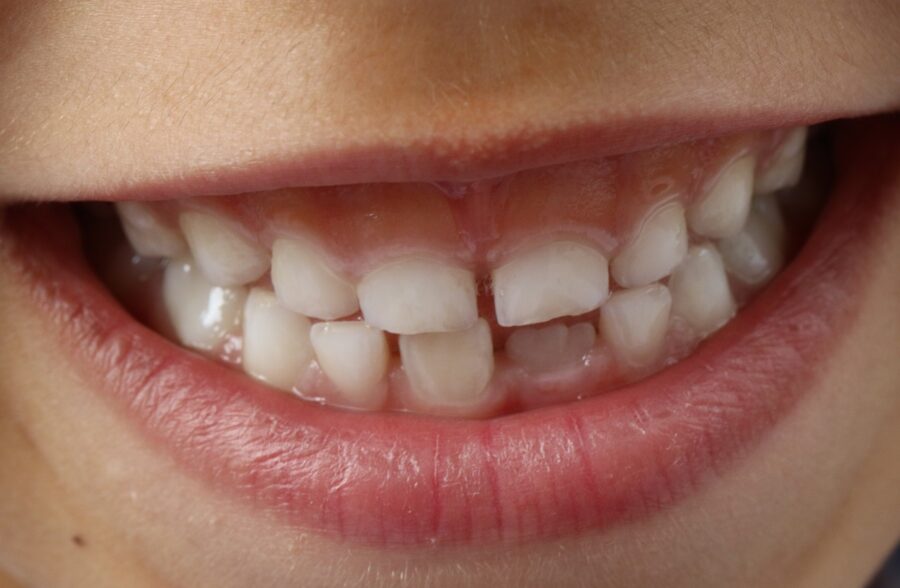
- In cases where the caries resistance of primary teeth in children is weak, with the aim of taking the tooth under protection with fluoride doping.
Who are Composite and Compomer Fillings Suitable For?
Adhesive dental filling protocols are medically suitable for children and adult individuals of all age groups who have active caries leakages, fractured tooth margins, or asymmetric enamel wear in their mouths, and who aim to get rid of old black amalgam fillings that release mercury. Since the system does not contain toxic heavy metals in its content and works with adhesive bond strength, it is applied with a high biocompatibility profile, including patients with a sensitive general health profile. However, in extremely destroyed cases where cusp losses on the masticatory surfaces reach giant dimensions that cannot keep the tooth upright, preferring laboratory-produced ceramic porcelain fillings (inlays/onlays) instead of fillings is more correct in terms of biomechanical safety.
- Aesthetic-Oriented Individuals: Patients who are disturbed by metal images while smiling and desire a white smile with glass smoothness.
- Pediatric Child Patients: Little ones whose caries reproduction index is very high and whose tooth enamels exhibit a delicate structure.
- Elderly People with Tooth Wear: Clients who have wedge-shaped notches opened at their tooth necks due to hard brushing or bruxism.
How is the Tooth Assessment Performed Before Filling Treatment?
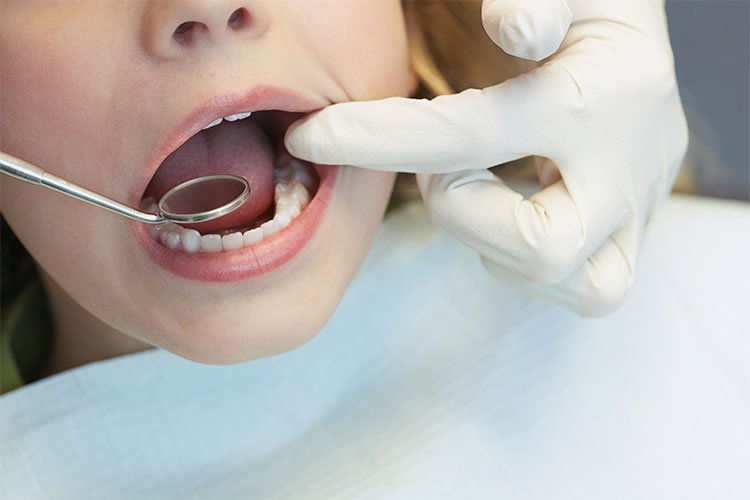
The clinical assessment conducted before moving on to the restoration session is the most vital examination phase that scans the tooth’s potential to be biologically saved with a filling and guarantees the long-term marginal sealing of the filling. During the examination, the physician inspects the health of the gingival margins; because performing an adhesive filling in the presence of bleeding and edematous gingiva will reset the bonding strength. At this stage, in order to rule out deep caries lines and root-end abscesses that cannot be noticed with the naked eye, high-resolution digital periapical or panoramic X-ray data are scanned layer by layer to certify the vitality integrity of the nerve chamber (pulpa).
- Pulpal Distance Calibration: Radiological certification of the millimetric distance of the caries to the living nerve center of the tooth.
- Diagnosis of Root Canal Treatment Need: If there is a history of an insidious chronic inflammation or spontaneous night pain in the tooth, directing to root canal treatment before filling.
- Dentin Wall Thickness Analysis: Measuring the thickness of the remaining sound tooth walls to determine whether a standard filling will be sufficient.
How is the Tooth Treatment Process Planned Under General Anesthesia?
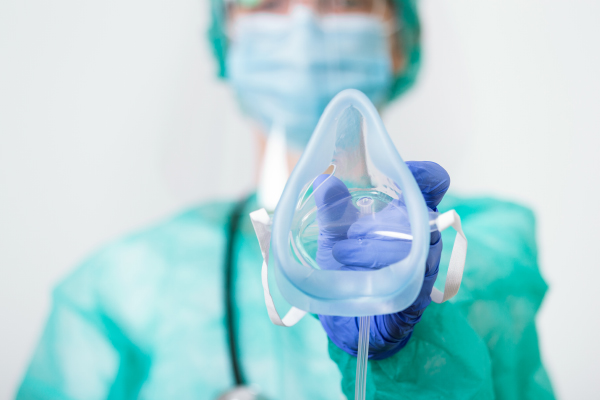
The planning of the aesthetic filling workflow is carried out over a step-by-step clinical algorithm according to the depth of the caries, the number of teeth to be intervened, and the patient’s occlusal (bite) movement lines. While planning the process, fillings by rule of thumb are strictly not made; all steps are shaped by showing full loyalty to the anatomical cusp and valley morphologies. In planning, thanks to the flexibility of restoring a large number of teeth within the same day, the total number of days the patient spends in the clinic is radically optimized. In cases of phobia or mental limitations, planning is integrated into the general anesthesia or sedation schedule.
- Step 1 (Color and Tone Tuning): Certification of the natural color code of the tooth in the daylight spectrum with the help of the Vita Scale and spectrophotometer devices.
- Step 2 (Cavitation and Isolation): The process of purifying carious tissues and isolating the working field from moisture with rubber dam barriers.
- Step 3 (Layering Construction): The phase of processing the resin dough into the tooth by curing it in micro layers.
- Step 4 (Occlusal Control and Polishing): The cycle of eliminating high spots with articulating papers and applying a glass glaze with diamond discs.
How is Composite Filling Application Performed?
The composite filling application performed in the clinical room is a precise chemical restoration procedure carried out step-by-step under local anesthesia comfort, showing maximum loyalty to enamel integrity. After the tooth is completely purified from caries with the help of diamond burs, a 37% orthophosphoric acid gel is applied to the enamel and dentin walls; this acid opens microscopic rough pores on the enamel surface. An adhesive liquid called “bonding” is applied to the washed and dried tooth surface and cured with blue light to establish a sealed primer bond. On top of this primer, composite resin is placed layer by layer in accordance with the cusp morphology of the tooth, and each layer is light-cured to complete the monoblock structure.
- Acid Etching: Increasing the surface tension coefficient of enamel prisms for chemical interlocking.
- Hybrid Layering: The technique of curing the resin in 2 mm micro layers in order to reset the polymerization shrinkage stress of the material.
- Anatomical Sculpting: The process of drawing the masticatory valleys (fissure lines) of the tooth onto the filling with hand instruments.
How is Compomer Filling Application Made?
The compomer filling application, frequently preferred in pediatric dentistry clinical processes, is a high biocompatibility profile procedure carried out with more practical and fast steps in order to optimize children’s remaining stable times on the chair. After the caries is purified, thanks to the self-etching adhesive monomers within the compomer material’s own content, extra long etching steps are mostly not needed. The compomer dough can be placed into the primary tooth cavity in a single or two large masses after the primer liquid is applied; because the material’s modulus of elasticity minimizes the risk of forming shrinkage cracks. The filling, which is cured with blue light in 20 seconds, is polished with discs suitable for children’s finger massage.
- Time Saving Steps: Preventing the child patient’s boredom reflex on the chair by eliminating the etching and rinsing phases.
- Moisture Tolerance Coefficient: Due to the chemical structure of the compomer, its more tolerant stance compared to composites against saliva moisture, which is difficult to control in children.
What are the Materials Used in Composite and Compomer Fillings?
Filling materials used in modern restorative dentistry are formulated from nanotechnological raw materials in order for the material to exhibit the highest resistance against intraoral hydraulic shocks, acid attacks, and staining factors. The main function of these materials is to restore the lost anatomical strength to the tooth while not compromising on biocompatibility. The formulation quality of the material to be chosen is the main factor determining the long-term sealing success of the treatment.
- Organic Polymer Matrix (Bis-GMA / UDMA): The flexible resin backbone that forms the body of the filling and polymerizes with light.
- Inorganic Ceramic Fillers: Micronized quartz, barium glass, and zirconium dioxide crystals that add diamond hardness to the resin.
- Silane Coupling Agents: Chemical locking molecules that build a bridge at a microscopic level between the organic resin bed and hard ceramic crystals.
- Fluoroaluminosilicate Glass Particles: Smart glass crystals located in the structure of compomers that release fluoride ions into the mouth as they come into contact with water.
What Aesthetic Advantages Do Composite Fillings Offer?
The supporting power of glass-ceramic content composite restorations on facial and smile aesthetics is based on the rules of “light transmittance balance” and “chameleon illusion”. Since a natural human tooth is not a matte mass, composite materials allow light to filter through the filling and seep into the lower layers just like natural tooth enamel, thanks to the quartz crystals they contain. This optical contribution triggers the restoration boundary lines to transition into a completely invisible phase when viewed with the naked eye; thus, when looked at from the outside, it is definitely not understood that a artificial filling has been made in the mouth, and a smooth natural brightness is certified.
- Optical Fluorescence Quality: Glowing like a natural tooth under daylight or night UV lights and not creating artificial dark shadows in the mouth.
- Wide VITA Color Palette: The luxury of copying the dark yellow tone at the neck region of the tooth and the translucent grayness at its incisal edge exactly with filling layers.
Why are Compomer Fillings Preferred in Pediatric Dental Treatments?
The primary preference for hybrid compomer systems in pediatric dentistry (pedodontics) practices is based on the “bio-active fluoride release” mechanism inherent in the material and the full biological compatibility it shows to the elasticity modulus of child jawbones. Since the discipline of tooth brushing is not fully established in children, the risk of starting new caries at the margins of fillings is very high. Compomer pumps fluoride ions to the surrounding tissues whenever the mouth becomes acidic, hardening the enamel and assuming an anti-bacterial barricade duty against insidious nursing bottle caries.
“Compomer filling is a smart medical shield that does not just fill your children’s delicate primary teeth, but protects them against insidious caries acids thanks to the fluoride ions it secretes.”
How Long Do Composite and Compomer Filling Treatments Take?
Adhesive filling interventions are among the most dynamic dental processes that perfectly match the intense time constraints of modern metropolitan life, thanks to the speed of modern clinicians and the practicality of adhesive systems. The stages of cleaning the caries in a tooth, filling it by curing layer by layer, and polishing it are usually completed in a short time frame of only 20 to 30 minutes per tooth depending on the size of the case; because laboratory cargo waiting times are eliminated, the process is quite fast.
- Single-Surface Practical Filling: Approximately 20 minutes of chair session (does not divide working hours or school schedule).
- Multi-Surface Large Restorations: In deep cavities surrounding three walls of the tooth, the session duration is an average of 35-40 minutes.
Which Steps are Applied During Filling Application?
The operation steps carried out on the treatment chair proceed over a strict medical hierarchy that completely eliminates the micro-leakage risks that human error can bring. Each stage contains technical infrastructure chains that will directly reinforce the locking power of the next material to the tooth. Sterilization rules are operated at the highest level throughout the process.
- Scaling and Cleaning: Cleaning the bio-film and stains on the tooth surface to reveal clear enamel boundaries,
- Cavitation Phase: Evaporating the carious tissue up to the healthy enamel-dentin boundary with the help of micro diamond burs,
- Adhesion Primer (Bonding): Applying acids that open enamel pores, then infiltrating the bonding liquid and light-curing it,
- Anatomical Layering and Polishing: Placing the resin material in the form of cusps, curing it, and smoothing it with polishing discs.
Is Composite and Compomer Filling Application a Painful Procedure?
No, adhesive aesthetic filling applications definitely do not cause the patient to feel the slightest pain, ache, or mechanical sting during the session; because before the procedure, strong topical numbing gels are applied to the gingival mucosa, and then the local solution is infiltrated at a speed suitable for tissue resistance with computer-controlled digital anesthesia units to provide full desensitization. Since nerve transmission lines are completely closed throughout the session, you only perceive the light touch of the devices and the water coolness. A slight sensitivity sensation in cold water during the first few days after the procedure, depending on the micro-stresses the enamel is exposed to during light-curing, is a completely normal physiological cell adaptation and completely fades away on its own within days.
What Should Be Considered After Filling Treatment?
In order to make the aesthetic and functional success of the restoration session permanent, to support the rapid repair of stimulated periodontal fiber networks, and to maintain the final hardening balance of the injected polymer bonds, there are some practical home care rules for the patient to pay attention to in the home environment after the procedure. It should not be forgotten that the tooth enamel may temporarily transition into a more sensitive phase against external factors during the first hours it is exposed to chemical acids.
The medical rules that need to be carefully watched out for at home during the critical period after the procedure are as follows:
- Until the local anesthesia effect (numbness) completely disappears for the first 2 hours, food should not be eaten to prevent tongue, lip, and cheek biting injuries.
- In order to preserve the glass smoothness of the filling surface and prevent micro-stain absorption in the first days, intensely colored foods such as tea, coffee, cigarettes, and wine should be avoided for the first 24 hours.
- If large fillings have been made on the posterior teeth, bad mechanical habits such as chewing ice, trying to open packaging caps with teeth, or forcing to crack hard nuts with anterior teeth should be abandoned.
How Should the Maintenance of Composite and Compomer Fillings Be Done?
Since aesthetic restorations are artificial nanohybrid structures, they cannot biologically show a decaying reaction; however, that micron-level lower boundary line (marginal line) where the filling ends and joins your own natural tooth enamel is the most sensitive corridor in the mouth for bacteria plaque to accumulate. If home hygiene is neglected at these boundary lines, plaque deposits can leak under the filling over time and start insidious sub-filling caries called “secondary caries”; to reset these risks, a disciplined cleaning schedule should be implemented in the home environment.
- Sweeping Brushing: Brushing twice a day with a soft-bristled brush with circular massage movements from the gingiva toward the tooth (highly abrasive charcoal or baking soda toothpastes should be avoided as they can scratch the filling polish).
- Uncompromising Interdental Flossing: Elimination of plaque by linearly sliding dental floss every night through the side interproximal surfaces where fillings touch each other.
What are the Factors Affecting the Lifespan of Fillings?
The ability of composite and compomer fillings to remain in the mouth for many years without breaking, falling out, or making marginal leakages depends directly on the full coordination between the technical workmanship quality at the moment of restoration and the patient’s functional home hygiene diligence. New generation nanohybrid resins structurally exhibit high resistance against wear; however, the sole factor determining the long-term success of the prosthesis is that saliva moisture was not allowed to leak into the cavity even at a microscopic level during bonding.
- Power of Moisture Isolation (Rubber Dam): The safety of absolute isolation of the working field from intraoral fluids with rubber sheets; if moisture leaks, the bonding strength collapses by 80%.
- Masticatory and Bruxism Dynamics of the Patient: It is a rule for patients with teeth grinding problems to regularly wear their protective night guards so that they do not experience micro-stress cracks at the filling margins.
What are the Advantages of Composite and Compomer Filling Treatment?
The certified advantages of nanotechnological adhesive filling systems compared to traditional gray amalgam fillings do not only create a momentary visual whiteness but also take the biological integrity of tooth tissues under protection at the highest level. The risks of staining the tooth gray due to corrosion in old type fillings are completely eliminated in these smart materials. Chemical interlocking strength offers the patient a lifelong permanent masticatory comfort and tissue hygiene success.
- Maximum Tissue Saving: Does not require cutting sound tooth tissues to retain the filling, it only cleans the caries.
- Same Modulus of Elasticity as the Tooth: Flexing like natural dentin to absorb the loads coming during mastication, preventing tooth walls from cracking right down the middle.
- Finishes in a Single Session: The luxury of providing an aesthetic smile transformation in a single appointment sitting without laboratory cargo waiting processes.
In Which Age Groups Can Composite and Compomer Fillings Be Applied?
Adhesive filling technologies can be safely applied in all life stages, completely independent of the chronological age limits of the patient, from the infancy period of 1-2 years old when the first primary tooth appears in the mouth to elderly patients over 80 years old in the geriatric age group. Age alone is not a criterion; what is vital is the selection of the smart material suitable for the morphology of the defect (compomer in children, nanohybrid composite in adults) under correct clinical isolation.
Why are Regular Dental Check-ups Important After Filling Treatment?
Routine dental examinations repeated periodically every 6 months are the clearest and most cost-effective preventive medicine investment that saves the oral health ecosystem from destruction on a linear line. Those micron-sized boundary lines where the fillings end may undergo micro-wear over time due to the aggressive brushing of the patient or acid attacks. By scanning these boundaries in regular check-ups, the sealing lifespan of the fillings is carried to the maximum limit with a light 5-minute polish (polishing) renewal if necessary.
Regained Whiteness: Frequently Asked Questions
The most common practical anxieties arising in the minds of individuals planning to apply for intraoral restoration and aesthetic filling protocols and their uncensored medical responses are presented below:
Are aesthetic composite fillings as strong as gray amalgam fillings, do they break immediately under masticatory pressure?
Old generation composites were weak in terms of fracture coefficient, but new generation “nanohybrid” ceramic-filled composites used in today’s dentistry have been brought to a level to compete with amalgam metal fillings in terms of flexural and compressive strengths. Since they chemically bond to the tooth, they protect the tooth by wrapping it from the inside like a belt; therefore, they serve safely for decades without breaking or cracking even under the heaviest masticatory tonnages of posterior molar teeth.
Does the caries cleaning stage hurt a lot while having an aesthetic filling?
No, you definitely do not feel the slightest pain or sting. Before the procedure, strong topical numbing gels are applied to the gingival mucosa, and then the local solution is infiltrated at a speed suitable for tissue resistance with computer-controlled digital anesthesia units to provide full desensitization. Since nerve transmission lines are completely closed throughout the session, you only perceive the light touch of the devices quickly, and the procedure is completed very comfortably.
Do the aesthetic bonding fillings I had on my anterior teeth turn yellow over time due to tea, coffee, or cigarettes?
Even if composite resins are polished non-porously, they can accumulate superficial stain pigments over time in very heavy tea, coffee, and nicotine exposures just like natural tooth enamel. However, this yellowing is not a permanent material deterioration; when you come to your 6-month routine dentist check-ups, our doctor polishes the filling surface with special polishing pastes and felt discs at the chairside in just 5 minutes (by performing polishing), instantly restoring your filling to its bright tone of the first day.
Is it safe in medical standards to have those old gray/black amalgam fillings in my mouth replaced with aesthetic fillings?
Yes, replacing amalgam fillings with aesthetic composites is an extremely popular and safe clinical practice step both to stop aesthetic and toxic mercury release risks. However, it is essential that the mercury vapor released from the old filling during this removal process is not swallowed by the patient; here, amalgam removals are carried out with maximum safety within the framework of “Smart Protocol” rules, accompanied by rubber dam rubber sheet protection and high suction power special filtered aspirators.
Can I return to my normal life and work immediately on the day my aesthetic filling treatment finishes?
Yes, aesthetic filling application is a completely local and micro-invasive restoration workmanship that does not shake consciousness, does not affect motor skills, and does not involve surgical scalpel incisions or sutures; therefore, you can get off the chair at that very minute your fillings are light-cured and polished, and continue your normal daily, professional, social, or academic life rhythm from where it left off uninterruptedly; there is no clinical obstacle to driving a car immediately after the procedure.
Who Are We? & Panorama Ankara Oral and Dental Health
Panorama Ankara is a licensed oral and dental health center that offers corporate health assurance to its patients by combining an academic expert staff and the latest global bio-technological digital infrastructure under a single roof in all specialty branches of dentistry, primarily oral, dental and maxillofacial surgery, advanced implantology, microscopic endodontics, periodontology, pediatric dentistry (pedodontics), and aesthetic dentistry. Attaching vital importance to completely eliminating rote-based guesses, human-error-sourced marginal boundary errors, and those old harrassing syringe needles that create chair anxiety in the patient in treatment practices, our center operates seamless Digital Dentistry and Nanohibrit Primary/Permanent Tooth Restorations aesthetic ecosystems with schedule discipline from the very beginning to the end of the clinical operation workflow.
In all diagnosis, radiological screening, design, and microscopic restoration interventions performed under the roof of Panorama Ankara; absolute sterilization, high patient safety, transparency, and honesty principles are operated in full compliance with medical regulations by virtue of the charter. In our clinical practices, proprietary intraoral scanners with micron-level point cloud processing resolution and smart artificial intelligence integrations, high-frequency piezoelectric units, and absolute rubber dam moisture isolation systems that keep resin bond strength at maximum are applied with millimetric precision under the supervision of our expert restorative staff. Our aim is not to impose old-fashioned, slow, tooth-over-cutting harrassing and non-compliant filling molds on our patients; but to analyze the jawbone quality and occlusion mechanics of each individual on the digital screen in the preliminary examination, and to obtain smooth smile designs that will be used with maximum session comfort, same-day dentistry standards, and lifelong sealing without damaging the surrounding soft tissues. If you postpone your treatments due to dental chair fear or time constraints despite being tired of your old worn-out fillings and the nursing bottle caries on your children’s teeth when you look in the mirror, and you want to start your smart digital treatment process from start to finish with scientific assurance in an expert corporate center environment; you can safely protect your health and smile integrity by contacting the expert staff of Panorama Ankara for your detailed intraoral examination.