

What are Primary Tooth Treatments?
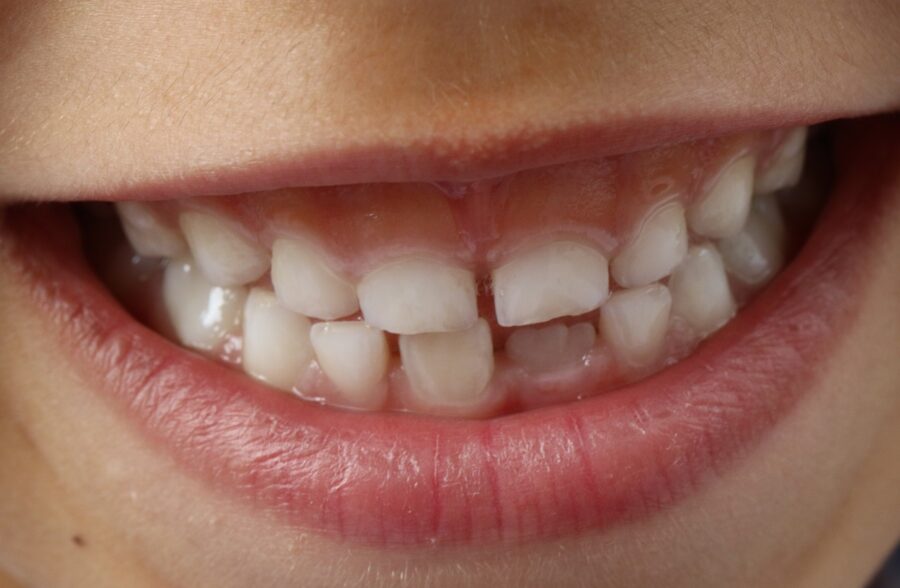
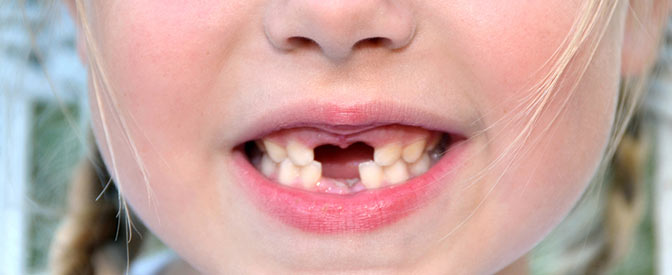
Primary tooth treatments, called “pedodontic restorative and endodontic treatment protocols” in clinical dental literature, are a micro-invasive treatment discipline aimed at protecting the health of 20 primary teeth actively serving in the mouth from infancy to the end of the mixed dentition period. Histologically and anatomically, primary teeth have an enamel-dentin layer that is 50% thinner and a volumetrically much wider pulpal (nerve) chamber compared to permanent teeth. This microscopic structural difference leads to a weak resistance of primary teeth against external stimuli and bacterial acids, causing caries to advance within seconds and infect the nerve chamber. Pedodontic treatments are the engineering of restoring organic functions to the tooth by showing loyalty to the anatomical boundary lines of these delicate hard tissues.
- Atraumatic Preparation: Removing the caries with minimum tissue cutting in order to protect the delicate morphology of the primary tooth.
- Bio-Active Release: Choosing fluoride-emitting materials for the fillings to nourish the enamel from within and prevent secondary caries.
- Preservation of Vitality: Extending the physiological lifespan of the tooth within the jawbone by protecting the living tissues in the root canals.
What is the Importance of Primary Teeth in Children’s Development?
Primary teeth harbor biological depths that go far beyond being just a temporary chewing instrument on the general facial and systemic development of children. Primary teeth are the most primary source of mechanical stimulus that enables the jawbone to grow vertically and horizontally in volume; the hydraulic forces transmitted to the bone during each chewing move stimulate osteoblast (bone-building) cells. Their most strategic task is to serve as a natural space maintainer and eruption guide for the permanent tooth buds maturing silently in their lower layers. Every primary tooth lost prematurely triggers a chain of chaos in the dental arch, sabotaging permanent tooth integrity.
- Guidance Mission: Certifying that the underlying permanent tooth germ erupts in a straight line toward the mucosal boundary without deviation.
- Speech Phonetics Support: Ensuring that letters are pronounced clearly without lisping by establishing the tongue-to-lip contact contours of the anterior incisor primary teeth.
- Gastrointestinal Protection: Keeping the child away from chronic digestive system burdens by grinding food completely in the mouth before sending it to the stomach.
Why Should Primary Teeth Be Treated?
Abandoning a cavity in a primary tooth with the perception that “it will be replaced by a new one anyway” is a major periodontal neglect case certified by modern medical standards. When caries formed in primary teeth are left untreated, they progress rapidly, leading to severe toothaches, sleeplessness, and nutritional disorders. More importantly, the infection reaching the root end infects the follicle sac of the permanent tooth bud growing insidiously in the lower layer, causing the permanent tooth’s enamel layer to emerge completely yellow-spotted, chalky matte, or developmentally deficient/decayed (Turner’s Tooth Anomaly) even before it erupts.
- Infection Barrier: Preventing bacteria from forming root-end abscesses and causing permanent destruction to the jawbone tissue.
- Focal Infection Risk: Shutting down the inflammation factories at the root end to eliminate the risks of bacteria mixing into the blood and triggering damage in the kidneys or heart valves.
Which Age Group are Primary Tooth Treatments Applied To?
Primary tooth filling, root canal, and preventive appliance applications planned in the pedodontics polyclinic are medically suitable for all pediatric patients who have any primary tooth pathology certified in the mouth, from the 2-year-old boundary in the infancy period to the 12-13 age boundary where the mixed dentition period concludes. This process is shaped dynamically according to the jaw development stages of children and continues until the period when permanent teeth complete their intraoral mapping.
| Child Age Group Turning Point | Frequently Encountered Dental Pathology Type | Primary Preferred Treatment Approach |
|---|---|---|
| Early Childhood Period (Ages 2 – 5) | Widespread anterior tooth caries due to bottle or pacifier feeding habits. | Atraumatic restorative fillings, microabrasion, and fluoride varnish cures. |
| School Age / Mixed Period (Ages 6 – 9) | Deep proximal caries in primary molars and severe pulpal pain. | Amputation (pulpotomy), pediatric root canal treatment, and stainless steel crowns. |
| Late Childhood Period (Ages 10 – 13) | Primary roots that do not fall out despite their time having come and risks of space narrowing. | Process-controlled extractions, space maintainer appliances, and fissure sealants. |
How is the Examination Performed Before Primary Tooth Treatment?
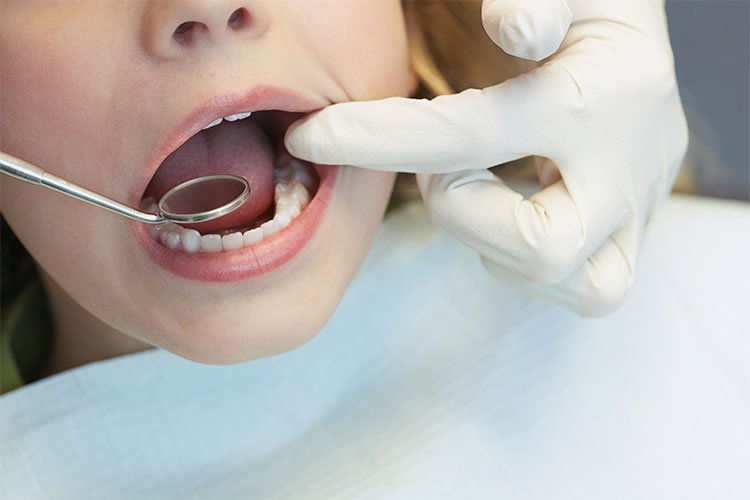
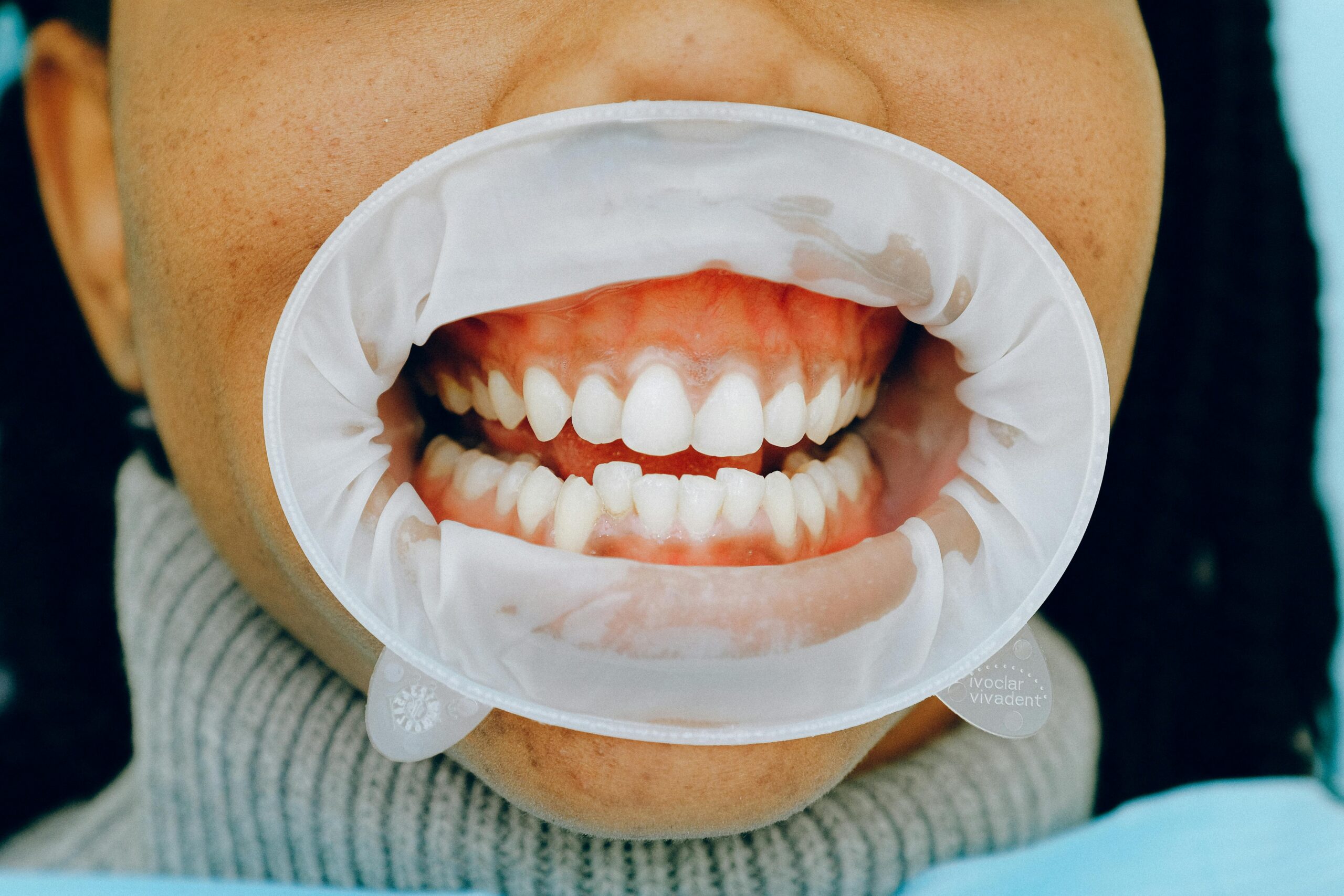
The primary tooth examination conducted in the pedodontic clinical environment is an artistic and scientific orientation phase that aims to stimulate the trust receptors of child psychology, completely stripped of those cold and distant medical tones of adult examinations. The physician establishes eye-level communication with the child, introducing the dental chair as a play station. During the examination, sharp, scary hand instruments are strictly not brought into the phase where the child can see them directly; diagnostic steps are carried out with gentle touches with the help of micro mirrors and spectrum-lit explorer tips.
- Visual Mapping: Scanning all intraoral walls, mucosal folds, and tooth surfaces in terms of caries index.
- Periodontal Tissue Analysis: Charting primary gingiva in terms of color, consistency, and edema variations caused by food impaction.
- Radiological Examination: Certification of introbone permanent tooth buds with low-radiation-budget digital panoramic films that do not trigger the child’s gag reflex.
How Can Caries Formation in Primary Teeth Be Prevented?
The basic mechanism of preventing primary tooth caries is to limit the intraoral pathogenic bacterial population, to halt the speed at which cariogenic (decay-producing) microbes convert sugars into acid, and to fortify the enamel layer in terms of minerals. Since the enamel layer is thin in children, preventive dentistry applications are the most uncompromising guarantee in building a caries barrier. Correct nutritional reflexes at home and smart bio-material applications in the clinic should be executed as a whole.
- Fissür Örtücü (Fissure Sealant / Tooth Vaccine): Closing the deep and narrow fissures of molar teeth with fluid resins to prevent food impaction by 90%.
- Fluoride Varnish Applications: Hardening calcium mineral bonds 5 times against acid attacks with the help of matte varnishes applied to the enamel surface in a clinical environment.
- Nutritional Calibration: Completely abandoning the habit of giving a bottle filled with honeyed, sugary milk during night sleep.
How is Filling Treatment Applied to Primary Teeth?
Filling processes applied to primary teeth involve completely different adhesive and chemical parameters compared to adult filling steps. After the area is brought into a completely desensitized phase with computer-controlled digital anesthesia, the carious tissue is micro-evaporated with diamond burs. Proprietary smart materials called “compomer” (glass ionomer modified resin) are chosen as the filling material in primary teeth. The biggest advantage of these materials is that they continuously secrete fluoride ions into the surrounding enamel tissue for years from the moment they are bonded to the tooth; this fluoride doping chemically prevents the weaving of new caries around the filling margins.
- Rubber Dam Isolation: Sealing with a rubber sheet so that the child’s tongue and saliva movements do not sabotage the bonding quality of the filling.
- Layered Polymerization: Bringing the compomer paste to diamond hardness within seconds using blue LED light waves.
- Anatomical Polishing: Checking the height at the end of the filling and smoothing it in accordance with the child’s chewing order.
In Which Situations is Root Canal Treatment Applied to Primary Teeth?
The pediatric root canal treatment (pulpectomy) protocol is tatbiq-ed in cases where the infection passes the enamel and dentin borders, leaking down to the lowest points of the tooth’s root canals, creating permanent throbbing and spontaneous night pain in the tooth. Root canal treatment applied to primary teeth radically diverges from permanent tooth root canal treatments in terms of biological material choice. While adult canals are closed with gutta-percha substances that harden and do not dissolve in bone; the root canals of primary teeth are filled with special iodoform or calcium hydroxide-based medical pastes that can be resorbed (absorbed) by the body simultaneously and synchronously with the primary root as the underlying permanent tooth root pushes upward.
- Cleaning with Micro-Rotary Files: Purifying primary root tunnels from bacteria by scraping them with nickel-titanium flexible tips.
- Antiseptic Irrigation: Deactivating microscopic bacterial remnants by washing the canals with special liquids.
- Absorbable Paste Infusion: Filling the root canal body tightly with absorbable medical pastes loyal to permanent tooth eruption physiology.
When is Amputation Treatment Preferred in Primary Teeth?
Amputation treatment (pulpotomy) is preferred at clinical certification moments when the infection reaches only the living nerve chamber in the crown portion of the tooth (coronal pulpa), but the tissues in the root canals (radicular pulpa) still remain healthy and vital. It is based on the principle of cutting only the inflamed nerves in the upper chamber and closing the root entries with bio-active materials, without the need for a complete root canal treatment. Since the tooth’s nutrition and blood circulation continue uninterrupted from the roots, the tooth maintains its vitality.
- MTA Barrier Construction: Deploying smart medical cements that will weave fresh bone bridges (reparative dentin) on the cutting line.
- Fast Session Comfort: The luxury of completing the entire process in a single sitting of an average of 15-20 minutes since the inside of the canals is not entered.
In Which Situations May Primary Tooth Extraction Be Necessary?
Primary tooth extraction is always the last resort, the most radical surgical reflex in pedodontics philosophy; because every tooth extracted early invites jaw narrowing. However, at boundaries where the lesion becomes chronic and completely resorbs the tooth roots, entirely rotting the bone skeleton in the root furcation area, the tooth no longer functions as a protective organ but as an active inflammation bomb. The physician rationally arrives at the extraction decision in order to prevent this toxic pus from permanently crippling the enamel development of the permanent tooth bud growing insidiously in the lower layer.
- In cases where the root-end abscess cannot be dried up despite antibiotic courses, creating a risk of chronic high fever in the child.
- In cases where the root body of the primary tooth is split horizontally/vertically in half as a result of trauma and the chance of repair is reset.
- In cases where the roots of the primary tooth do not resorb even though the eruption time of the underlying permanent tooth has come, creating a double-row tooth appearance.
Why is Space Maintainer Application Important in Primary Teeth?
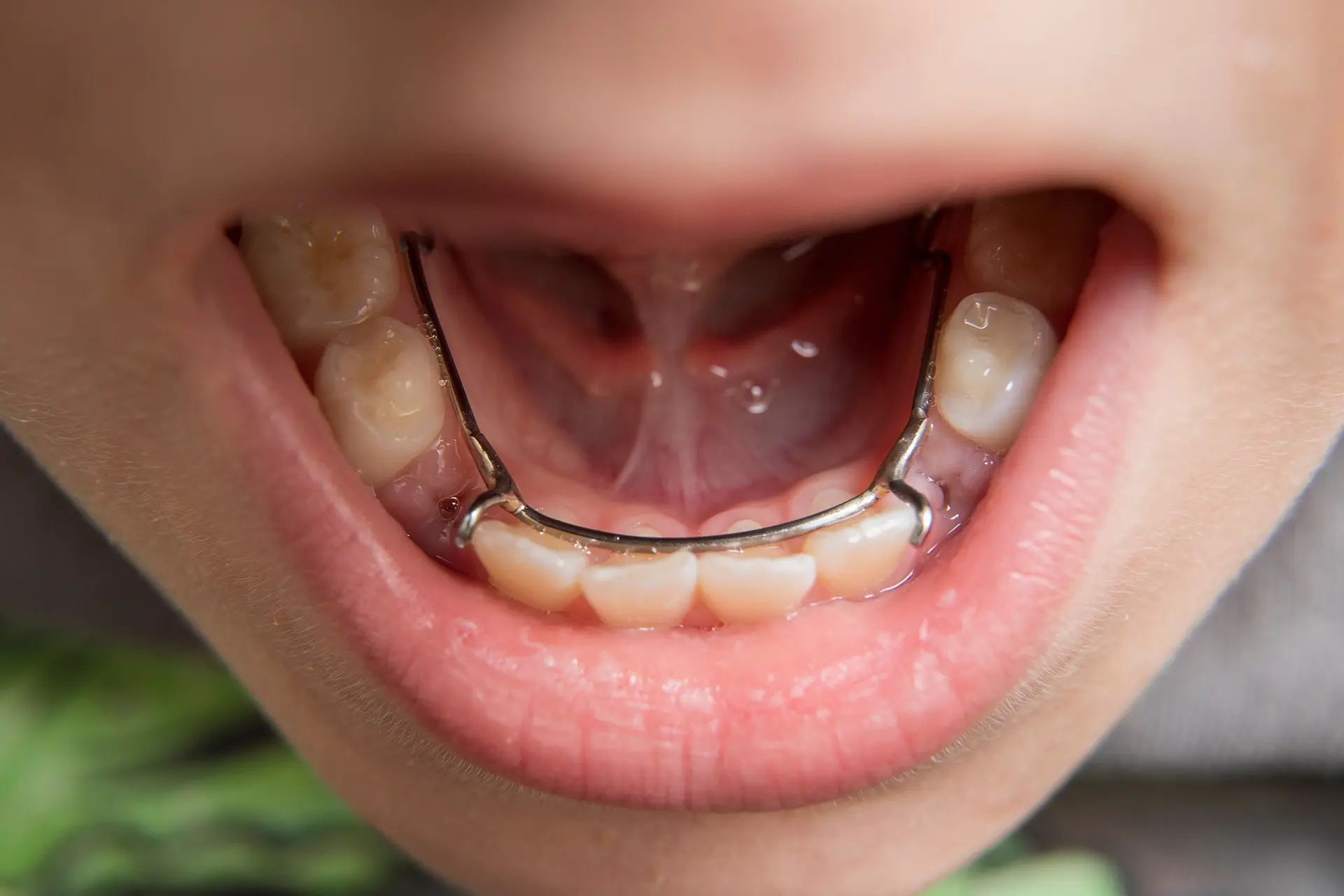
If primary molars have to be extracted at a stage much earlier than the normal exfoliation schedule for any reason, the risks of recurrence of space narrowing in the dental arch are triggered within seconds. The permanent teeth located behind the space begin to tilt forward, and those in front begin to drift backward. This migration movement completely closes the area where the permanent tooth from below will erupt. The space maintainer appliance physically prevents the narrowing of the space by weaving a rigid metal barricade between these two neighboring teeth and eliminates the probability of the child’s future requirement for heavy and high-cost orthodontic wire treatments (bracket surgeries) that would last for years.
“Space maintainers are biomechanical guardians that cast a protective anchor into the empty spaces left by primary teeth that fall out prematurely, protecting the nests of the permanent teeth that will come from below against invasion.”
What are Preventive Applications in Primary Teeth?
Preventive pedodontics applications are clinical barrier systems that reduce the permeability of the enamel structure against acids and make it harder for bacterial plaque to adhere to the surface before teeth decay. The aim is to put intraoral homeostasis stability under protection before introducing the child to invasive processes involving drills or needles. These applications are practical steps that are painless, ache-free, and completed by children playing games on the chair.
- Fissure Sealants: Blocking the deep grooves on the chewing surfaces of teeth to prevent the fermentation of food residues.
- Clinical Fluoride Applications: Increasing the crystallized rigidity of the enamel matrix with fluoride gels applied to tooth surfaces once every 6 months.
- Space Maintainer Appliances: Putting the jawbone arch distance under millimetric protection in early losses.
How to Build a Dentist Habit in Children?
Dental anxiety and fear management in children is the most fundamental psychological pillar of clinical success. Fear is not a reflex inherent in children’s nature; it is an acquired conditioning engraved in the mind through parents’ faulty punitive statements like “I will have your tooth pulled, I will have you given a needle”. To tear down this wall, the physician implements the “Tell-Show-Do” technique. The water-spraying feature of the drill is squeezed onto the child’s hand, turning it into the illusion of a “tooth-washing brush,” and the child connects to the clinic with the joy of a playground.
- First Appointment Timing: Making the first appointment solely for the purpose of meeting and mirror examination while the child has no toothache.
- Positive Reinforcement: The discipline of encouraging the child who behaves compliance-oriented throughout the session with micro-rewards and certificates of achievement.
How is the Comfort of Children Supported During Primary Tooth Treatments?
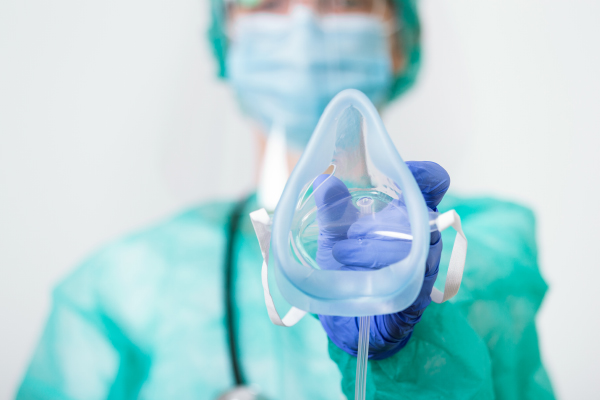
In order to bring the session quality of children to the peak on the operation and filling chair, modern pedodontics clinics are equipped with bio-technological anesthesia and sedation stations. Computer-controlled smart digital anesthesia technologies (Wand units) are used to reset the panic reflexes that develop the moment children see a syringe needle. Because this system infuses the solution at a speed suitable for tissue resistance, the child definitely does not perceive the stinging pressure ache of the injector. In children with advanced phobias, a semi-sleep phase is created in fairy-tale comfort by performing sedation with nitrous oxide gas (laughing gas).
How Long Do Primary Tooth Treatments Take?
Primary tooth restorations are processes executed with the fastest, most dynamic, and practical time management in the medical schedule, considering the fact that children’s focus and remaining stable times on the chair are much shorter and more delicate compared to adults. Cleaning a primary tooth cavity and closing it with a compomer filling is usually completed in a microscopic time of only 15 to 20 minutes per tooth, thanks to the hand agility of the pedodontist and fast-curing light devices; multiple teeth can be finished with comfort in the same sitting.
What Should Be Considered After Primary Tooth Treatments?
In order to make the functional success of the session permanent and to support the rapid repair of stimulated periodontal tissues, there are some critical rules for parents to pay attention to in the home environment after the procedure. Since the temporary feeling of numbness created by local anesthesia solutions on the lip and cheek margins will continue for the first hours, the child should be monitored closely.
The points that need to be carefully watched out for at home during the sensitive period after the procedure are as follows:
- Until the local numbness effect completely disappears for the first 2 hours, solid food should definitely not be given to prevent the child from opening deep wounds by biting their desensitized lip or cheek without realizing it.
- On the day of the filling session, highly sticky chewing gums and jellybeans should not be given to the child in order to preserve the full polymerization stability of the resin marginal bonds.
- A slight sensitivity tenderness during chewing for the first few days is normal in teeth that have undergone root canal or amputation; the process is easily placated with mild pain reliever syrups in pedodontic doses.
How Does Early Loss of Primary Teeth Affect Permanent Teeth?
Sacrificing primary teeth prematurely triggers destructive histological and orthodontic anomaly waves over the permanent tooth series continuing their maturation cycle in the lower layer. As a result of neighboring teeth tilting into the space, the bone corridor where the permanent tooth will erupt becomes completely blocked. The permanent tooth, unable to find an escape route, remains impacted, jammed in the deep layers of the jawbone, and very heavy reconstructive operation burdens arise in future years to expose this tooth with surgical operations and pull it up with the help of braces.
How Should Oral Care Be Done to Keep Primary Teeth Healthy?
Daily oral hygiene routines in children are the most uncompromising home medical discipline that protects the smooth polished layer of delicate primary enamel and prevents bacterial plaque from petrifying and settling on the surface. The cleaning schedule should be initiated from the infancy period when the first primary tooth appears in the mouth. Since children’s hand motor muscle coordination skills are not fully developed until the age of 9-10, the brushing process should not be left solely to the child’s initiative; it should be carried out under parent supervision and support.
- Pediatric Toothpaste Choice: Using proprietary children’s toothpastes that contain fluoride in milligrams (in ppm) suitable for the child’s age and do not create toxic risks when swallowed.
- Sweeping Technique Training: Rotating the toothbrush at least 2 times a day for 2 minutes with circular massage movements from the gingiva toward the tooth (from red to white).
- Uncompromising Interdental Flossing: The necessity of sweeping the narrow side surfaces of primary molars touching each other with dental floss every night to protect them from proximal caries.
What are the Advantages of Primary Tooth Treatments?
The advantages provided by primary tooth treatment protocols on the child’s general facial and systemic development harbor corporate medical benefits far beyond just momentarily relieving an ache. Saving the child from future heavy and high-budget surgical operation burdens makes these bio-technological processes the most valuable preventive dentistry investment.
- Prevents Future Braces Treatments: It lightens the risks of permanent teeth remaining crowded or impacted by 80% by performing millimetric space protection in the jaw arch.
- Accelerates Body Growth: It fortifies the child’s comfortable chewing of foods, getting full sleep, and stable secretion of growth hormones thanks to ache-free oral functions.
- Provides Psychological Self-Confidence: It supports the child, who gets rid of the black decay image on their anterior teeth, to smile freely among peers and talk with clear letters without lisping.
What are the Frequently Asked Questions About Primary Tooth Treatments?
The most common practical anxieties arising in the minds of parents planning pedodontic processes to get rid of damages and abscess aches in the primary dentition and their uncensored medical responses are presented below:
Won’t primary teeth fall out in the future and be replaced by new ones anyway, why are we bothering with fillings or root canal treatments?
This situation is a major medical misconception that is most frequently fallen into in society and puts children’s oral health at risk. The schedule of primary molars falling out and being replaced by permanent teeth biologically reaches the 11-12 age limits. If you do not have the decayed tooth of a 5-year-old child treated thinking “it will fall out anyway”; the tooth either hurts the child with severe abscesses or has to be extracted early. When extracted, side teeth tilt into the space and close the area; the underlying permanent tooth gets jammed inside the jaw, remaining impacted, and gives rise to very heavy orthodontic anomalies and surgical operation burdens in the future.
Will these filling or primary root canal procedures to be done to my child in the clinic hurt them during the session?
No, absolutely they do not feel the slightest ache or pain. Before the procedure, strong topical anesthetic gels with strawberry or banana flavors, which children love very much, are applied to the gingival mucosa. Immediately after, full desensitization is certified by infusing the solution at a speed suitable for tissue resistance via computer-controlled smart digital anesthesia technologies (Wand units). The child only feels the water coolness of the devices every second throughout the session, the process is completed ache-free in a complete comfort room.
Does a root canal treatment performed on a primary tooth damage the permanent tooth bud hidden in the lower layer?
No, on the contrary, it protects the permanent tooth bud from absolute infectious damage. The medical pastes (calcium hydroxide/iodoform) used in root canal treatments applied to primary teeth are special smart materials that can be resorbed (absorbed) by the body in a capillary direction together with the primary root as the permanent tooth root pushes upward; therefore, they do not cause any mechanical or chemical damage to the permanent tooth. If the primary tooth is left with inflammation without a root canal treatment, the acid factory in that area rots the enamel of the underlying permanent tooth.
How will you treat my very young child who absolutely does not open their mouth to the dentist and continuously cries in the clinic?
This situation is a standard process model managed with the highest sensitivity and empathy in our clinician practices. If our child patient has an advanced dental phobia, does not respond to persuasion techniques, or harbors very widespread nursing bottle caries; holding the child on the chair by forcing them and traumatizing them psychologically is strictly against our regulations. In these cases, with the comfort of Sedation (Semi-Sleep) applied under the supervision of our anesthesiologist in a fully equipped operating room environment, the child is put into a sweet fairy-tale sleep with a mask, and all fillings and extractions can be finished ache-free and needle-free in a single 1-hour sitting.
Who Are We? & Panorama Ankara Oral and Dental Health
Panorama Ankara is a licensed oral and dental health center that offers corporate health assurance to its patients by combining an academic expert staff and the latest global bio-technological digital infrastructure under a single roof in all specialty branches of dentistry, primarily oral, dental and maxillofacial surgery, advanced implantology, microscopic endodontics, periodontology, pediatric dentistry (pedodontics), and aesthetic dentistry. Instead of condemning early childhood caries, nursing bottle destructions, and abscess aches sabotaging children’s life comfort to the extraction scalpel with the easiness of “it will fall out anyway”, our center attaches vital importance to reaching permanent oral integrity by centering “preventive vital pedodontics” principles with evidence-based medicine disciplines, and operates seamless 3D Digital Diagnosis Mapping and Pediatric Dentistry (Primary Tooth Treatments) ecosystems without compromise with schedule discipline from the very beginning to the end of the clinical operation workflow.
In all diagnosis, radiological screening, design, and microscopic restoration interventions performed under the roof of Panorama Ankara; absolute sterilization, high patient safety, transparency, and honesty principles are operated in full compliance with medical regulations by virtue of the charter. In our clinical practices, while analyzing the vertical boundaries of the jawbone and the depth curves of permanent tooth buds with millimetric sections via 3D tomographies, proprietary intraoral scanner cameras that transfer the intraoral twin to the computer in seconds without causing gag stress to the patient and computerized digital anesthesia stations that prevent children from feeling needle pain are tatbiq-ed with millimetric precision under the supervision of our expert pedodontist staff. Our aim is not to impose old-fashioned, scary, tooth-over-cutting harrassing and non-compliant analog treatment molds on our pediatric patients; but to analyze the jaw bone quality, occlusion mechanics, and facial aesthetic golden ratio boundaries of each little one on the virtual screen before the operation in 3D, and to obtain smooth permanent tooth infrastructures that you will use with maximum session comfort, sedation sleep standards, and lifelong unshakable confidence without damaging the surrounding soft tissues and vascular lines. If you postpone your check-ups due to dental chair fear, injector phobia, or child phobia constraints despite being tired of the black decay spots and non-passing abscess aches on your child’s teeth when you look in the mirror, and you want to start your smart digital treatment process from start to finish with scientific assurance in an expert corporate center environment; you can safely protect your health and smile integrity by contacting the expert staff of Panorama Ankara for your detailed examination analyses.