


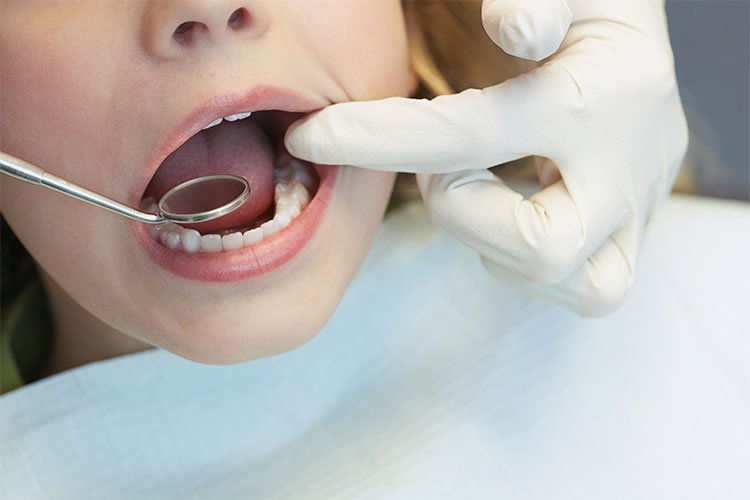
What Are Dental Treatments Under General Anesthesia?
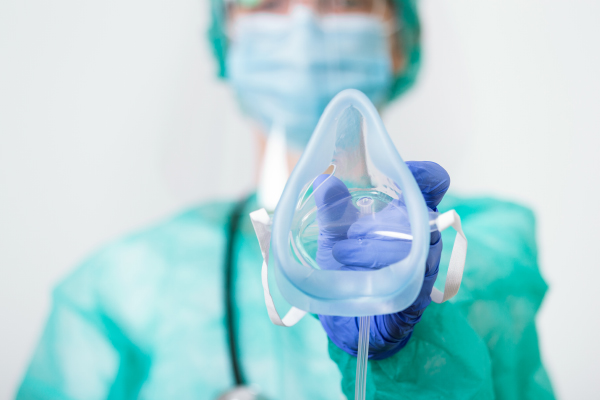
Dental treatments under general anesthesia (operating room dental approaches) is a multidisciplinary surgical procedure carried out by creating a controlled pharmaceutical sleep phase under the supervision of an anesthesiology and reanimation specialist, completely bypassing the patient’s fear of dental injectors, drill noise, and phobia triggers. Unlike local numbing in a clinical environment, reversible general anesthetic drugs are administered to the patient via intravenous (IV) lines and a breathing mask (inhalation) in this system. Once the patient transitions into full sleep mode under medical standards, the pain transmission mechanisms of the central nervous system are completely shut down. In this way, the patient’s reflex movements or involuntary jaw contractions are eliminated, providing the surgeon with the opportunity to work with micron-level resolution and a zero margin of error.
- Controlled Loss of Consciousness: Ensuring that the patient does not feel any mechanical trauma, sound, or pain during the operation.
- Biomechanical Immobility: Eliminating the risks of tongue, cheek, and lip injuries in particular, thanks to the reining in of reflexes.
- Operating Room Isolation: A process carried out in fully sterile hospital room standards, away from contamination risks and managed with multidisciplinary monitoring.
In Which Situations Are Dental Treatments Under General Anesthesia Applied?
Scheduling dental procedures in the operating room calendar by resorting to general narcosis is indicated in the presence of major barriers that make it medically or psychologically impossible to carry out the treatment in an analog clinical chair. Situations such as the inability to even insert a scanner into the patient’s mouth due to a severe gag reflex, or the spread of multiple jaw cysts to wide skeletal areas exceeding the limits of local anesthesia, make this process inevitable. The physician decides on this rational method to protect the patient’s mental integrity and to eradicate infections in a single session.
The primary clinical situations where dental treatments under general anesthesia are definitively indicated are:
- In cases where even a local injection needle cannot be administered in the chair due to severe dentofobia (fear of the dentist) or a history of panic attacks,
- When it is understood that the patient cannot tolerate sessions that would last for weeks under local anesthesia due to the presence of a large number of root tip abscesses, deep caries, and impacted teeth spread across four jaw quadrants in the mouth,
- In completely edentulous cases harboring advanced jawbone resorption, when it is desired to finish grafting (bone powder transplantation) and multiple implantations across the entire jaw at the same time in a single session,
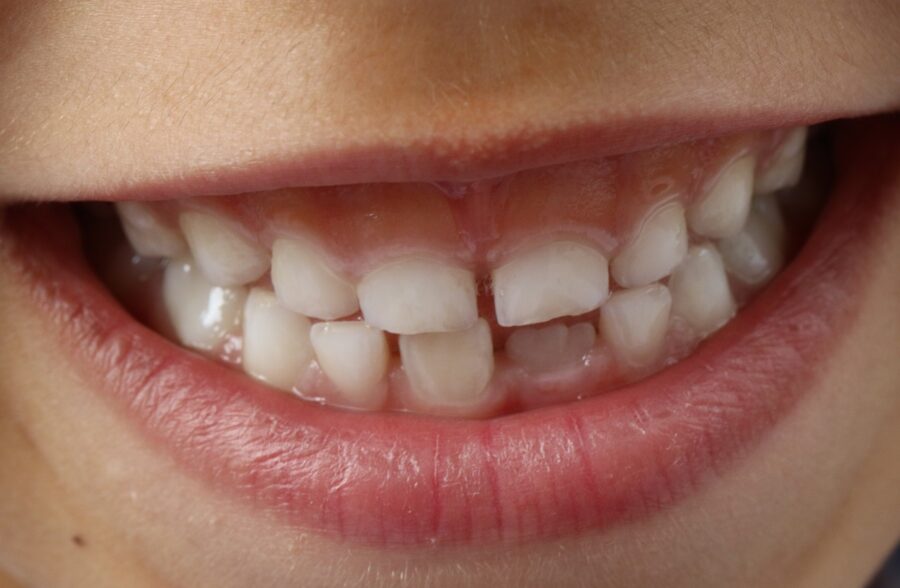
- In situations where bottle tooth decay rots all primary teeth in children, sabotaging nutrition, and making it medically impossible for the child to remain still in the chair.
For Whom Are Dental Treatments Under General Anesthesia Suitable?
This advanced medical-supported dental process is medically suitable for pediatric patient groups with whom cooperation cannot be established, individuals with mental or physical disabilities, and all adult patients who constantly postpone their dental treatments due to fear. The system depends on the rule that the patient proves to have a general health profile of “ASA I” or “ASA II” in pre-operative laboratory tests (blood count, chest X-ray, ECG) performed by the anesthesiology team, meaning there is no medical obstacle to receiving anesthesia. In our clinical table below, the suitability and process characterization parameters of dental treatments under narcosis according to patient groups are listed:
| Target Patient Group / Biotype | Surgical and Pharmaceutical Suitability Degree | Expected Cellular and Clinical Success Outcome |
|---|---|---|
| Adults with Severe Dentophobia | Completely Suitable / Primary Choice | Finishing the filling and surgery of 10-15 teeth in a single session without creating psychological trauma. |
| Pediatric Children Group (Bottle Caries) | Completely Suitable / Pedodontist Supervised | Preventing the formation of a lifelong dentist fear threshold in the child, preserving primary teeth. |
| Individuals with Mental or Physical Special Needs | Completely Suitable / Operating Room Mandatory | Safe operation without risks of tongue and mucosal lacerations by bypassing involuntary muscle movements. |
| Those with Acute Severe Systemic Organ Failure | High Risk / Stabilization Required | Postponed until stabilization is achieved in the relevant medical branch (e.g., cardiology) and medical board approval is obtained. |
How Is Dental Evaluation Performed Before General Anesthesia?
The dental evaluation carried out in the clinic before the operating room appointment is finalized is the most vital pre-operative mapping stage that plans which microscopic intervention (filling, extraction, root canal) will be performed on which tooth during narcosis down to the millimeter. During the examination, the physician registers the status of intraoral tissues and lesion depths with the help of periodontal probes. In order to avoid encountering extra surprises while the patient is asleep under narcosis and not to prolong the operation time, CBCT 3D dental tomography or digital panoramic radiologies showing the jaw skeleton and root tunnel anatomy in 1:1 scale cross-sections are scanned layer by layer and recorded on the treatment card.
- Odontogenic Infection Registration: Clearly detecting which teeth can be saved with root canal treatment and which ones will be sacrificed.
- Bone Volume Measurement: Millimetric scaling of alveolar crest height in areas where implants or grafting are planned.
- Restorative Material Calibration: The process of writing the number of composite resin or prefabricated stainless steel crowns (SSC) to be used during the operation into the laboratory schedule.
How Is the Dental Treatment Process Under General Anesthesia Planned?
The planning of the narcosis-supported dental workflow is carried out through a phased medical algorithm based on the total load of caries and surgical lesions in the mouth, the patient’s age lines, and the maximum safe sleep duration limits determined by the anesthesiology specialist. While planning the process, the account of every minute to be spent in the operating room is clarified with software simulations; because keeping the narcosis duration within the optimum range directly determines the patient’s awakening comfort. In the planning, the hierarchical order in which surgical steps and filling stages will be executed is registered in advance.
- Phase 1 (Systemic Check-Up): Screening the patient by the anesthesiologist in terms of laboratory blood, lung, and cardiac ECG parameters.
- Phase 2 (Chronological Workflow Drawing): The plan to perform infected extractions first in the operating room, and then proceed to the root canal and filling stages.
- Phase 3 (Time Management Calibration): The phase of coordinating the total operation to be completed within the safe time block of 2 to 3 hours, which are the anesthesia boundary lines.
What Preparations Are Made Before General Anesthesia?
The preparations that the patient must complete in the home environment and clinical laboratory until the morning of the operation are uncompromising medical safety barriers that zero out the risks of anesthesia complications. The most vital rule is the absolute fasting schedule applied to ensure that the patient’s stomach contents are empty, thereby preventing the vomiting reflex that may develop during the operation from escaping into the lungs (aspiration pneumonia). The patient’s pre-operative check-up card is combined with the anesthesia approval document and delivered to the operating room sterilization units.
The medical preparation rules that must be meticulously followed before the morning of general anesthesia are:
- Absolutely no food, solid or liquid nourishment, including water, should be consumed for at least 6 to 8 hours prior to the operation time (starting from midnight) (absolute fasting rule).
- If there are continuously used blood pressure or heart medications, they should be taken with a minimal sip of water on the morning of the surgery, within the approval of the anesthesia physician.
- Nail polish on the nails must be cleaned so that the pulse oximeter (oxygen measurement) devices in the operating room can receive the correct signal from the nail bed.
- In order to reduce the intraoral microbial load on the day of the operation, teeth should be brushed smoothly and rinsed with antiseptic solutions before leaving the house.
Surgical Model in Cysts and Caries: Which Procedures Are Performed?
Under the comfort of general anesthesia or deep sedation, complex dental operations belonging to all specialty branches in the mouth are combined and successfully deployed in a single surgical session. The surgical team, racing against time while the patient is in sleep mode, purifies the entire jaw arch from infections by showing the highest level of loyalty to tissue integrity. This flexibility prevents the patient from coming to the clinic repeatedly and experiencing needle stress.
- Restorative and Endodontic Procedures: Cleaning all deep caries with diamond burs, performing layer-by-layer light-cured composite aesthetic fillings, and microscopic root canal treatments.
- Maxillofacial Surgery Steps: Removal of impacted wisdom teeth with bone shaving, scraping jaw cysts using the enucleation method, and resolving root tip abscesses.
- Advanced Implantology and Reconstruction: The phase of placing titanium screws into missing tooth regions, and locking bone powder (graft) and membranes seamlessly into crests with insufficient bone.
How Are Dental Treatments Under General Anesthesia Performed in Children?
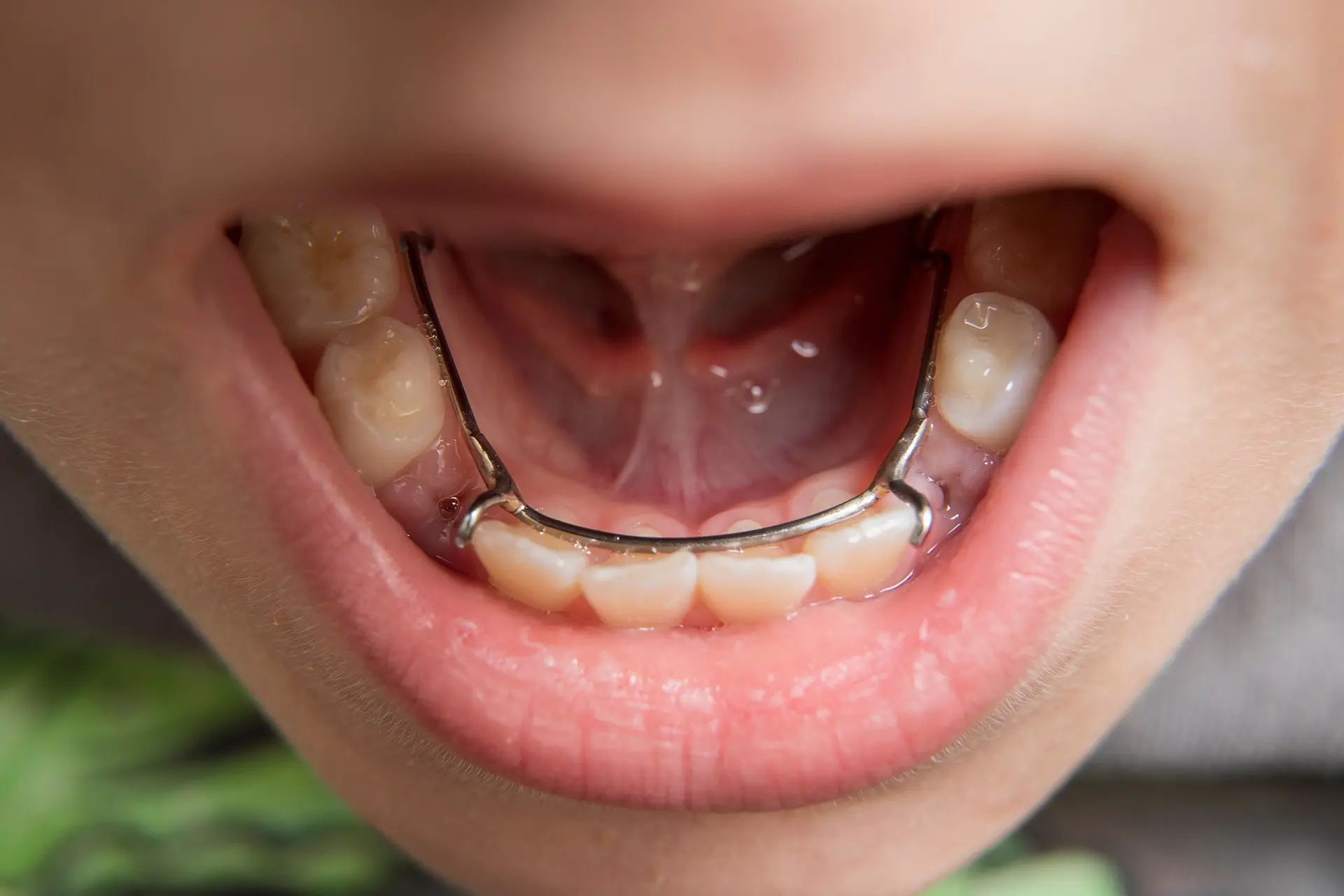
Treating children under narcosis in the discipline of pedodontics (pediatric dentistry) is the most visionary approach that prevents the child’s dental phobia coefficient from breaking for life and maintains the primary teeth’s space maintainer protection mission in the jaw skeleton. Taken to the operating room with pre-calming syrups (premedication) suitable for child psychology, the little ones transition into a fairy tale sleep without experiencing maternal separation anxiety. After cleaning the bottle caries in the primary teeth, the pedodontist completely covers the teeth with artificial composite fillings or bio-compatible stainless steel aesthetic pediatric crowns (SSC) to zero out recurrence in children, ensuring that the teeth remain in the mouth until their exfoliation age.
- Premedication Comfort: Eliminating the fear of needles and crying reflexes through sweet syrups given to the child before an IV line is opened.
- Primary Root Canal Treatments (Pulpotomy): Securing the permanent tooth seeds in the lower layer by filling primary tooth root canals with biologically resorbable fillings.
Dental Treatments Under General Anesthesia in Individuals with Special Needs
In the dental treatment processes of patients with mental or physical special needs (Autism, Down Syndrome, Cerebral Palsy, advanced dementia), general anesthesia units act as the most uncompromising medical shield, saving the patient from chronic gingivitis and abscess pains caused by brushing neglect. These special patients may exhibit involuntary, severe motor muscle movements (spasms) by becoming irritated by the sounds and sudden touches of the instruments in the clinical chair; this situation fuels the risks of cutting the tongue and palate while working with a scalpel or drill. The full muscle relaxation phase under narcosis completely eliminates these risks, offering the patient absolute tissue safety, a smooth operation, and humane comfort standards.
- Elimination of Spasms and Reflexes: Smooth opening of the jaw joint without strain, thanks to muscle-relaxant pharmaceutical agents.
- Holistic Oral Rehabilitation: Alleviating the chronic systemic infection load by finishing all gingival curettages and extractions of the special patient at one time.
What Are the Methods Used in Dental Treatment Under General Anesthesia?
The success of dental processes in the operating room depends on execution of anesthesia techniques, restorative, and surgical methods in perfect technological synchronization. After the patient is connected to the ventilator via endotracheal intubation (breathing tube), special sterile gauze barricades called “throat packs” are placed inside the mouth. This method mechanically prevents water leaks, filling debris, or micro blood clots used while teeth are being cleaned from escaping into the patient’s pharynx and trachea by 100%; the surgeon smoothly coordinates all steps in this safe area.
- Nasotracheal Intubation: Slipping the breathing tube through the nostrils into the pharynx; in this way, the oral cavity is left entirely to the surgeon, expanding the working area.
- Rubber Dam Isolation: Since the patient is also under narcosis, sealing the teeth to be filled with rubber sheets to isolate them adhesively from saliva moisture.
How Is Patient Safety Ensured During the General Anesthesia Process?
Patient safety protocols in the operating room are registered at the highest level through continuous digital monitoring tracking by a professional medical staff consisting of anesthesia specialist physicians and anesthesia technicians. Sensitive electronic sensors connected to the patient’s fingertip, chest wall, and arm project vital organ functions layer by layer onto the computer screen at every second the operation progresses. At the exact millisecond a micro fluctuation is registered in any parameter, smart anesthesia devices give audible warnings, triggering immediate software revisions of drug doses; the process is in vascular safety.
- ECG and Pulse Monitoring: Instant graphic mapping of heart rhythm and vascular vessel pressure fluctuations.
- Pulse Oximeter Supervision: The safety of keeping the oxygen saturation rate in the blood within the limits of 98-100% every second.
- Capnography Tracking: Registration of respiratory depth by measuring the amount of carbon dioxide ($CO_2$) emitted from the patient’s lungs during exhalation.
How Long Does Dental Treatment Under General Anesthesia Take?
The total duration of narcosis-supported dental operations requires a certain time hierarchy in medical literature according to the number of caries fillings planned for intervention, the skeletal depth of impacted teeth, and the scope of grafting stages. Considering the elimination cycle of general anesthesia drugs from the body, the net surgical working time in a session within safe limits is generally kept constant between 2 to 3 hours. The pre-operative phase of putting the patient to sleep (induction) and the post-procedure phase of discontinuing medications to wake the patient up (extubation) cover practical medical processes of approximately 15 minutes each.
- Putting to Sleep and Preparation Stage: Opening the IV line and transitioning the patient to the full sleep phase; approximately 15-20 minutes.
- Net Dental Intervention Time: Completion of all filling, root canal, surgical extraction, and implant steps; an average of a 2-hour appointment block.
- Recovery (Waking Up) Period: Discontinuing medications, the patient opening their eyes, and being taken to the operating room recovery room; 15 minutes.
How Does the Healing Process Progress After General Anesthesia?
The post-operative tissue recovery and convalescence phase progresses extremely fast, predictably, and comfortably, despite containing scalpel incisions or extraction areas, thanks to the atraumatic micro-surgical precision in the operating room. After the medications are stopped, the patient is taken to the recovery room; a slight dryness in the throat due to the breathing tube, hoarseness, or a general feeling of drowsiness (lethargy) in the first hours is a completely natural and expected part of the elimination phase of pharmaceutical agents from the body. After an average of 1 to 2 hours of inpatient rest, the patient is discharged from the polyclinic walking with their companion.
- First 4 Hours: The phase where medications are eliminated from the body through urine and respiratory tract; the feeling of drowsiness completely disappears, orientation normalizes.
- First Night Turning Point: Slight oozing in surgical extraction lines is normal; the process is comfortably soothed with ice compresses and medical syrups.
- 7th Day Control: The phase of registering intraoral mucosal epithelial integrity, and removing surgical sutures, if any, without causing stinging in the line.
What Should Be Considered After General Anesthesia?
There are strict medical rules to be followed in the home environment after the operation in order to make the aesthetic and surgical success of the restoration session permanent, to support the regenerative repair cycle initiated in the lower cell layers, and to protect the vascular balance of the patient in the awakening phase. Since the mild slowing effects of pharmaceutical agents on motor skills may continue in the first hours, it is a clinical necessity for the patient to act meticulously for their safety.
The points that must be meticulously followed at home during the critical post-operative process are:
- Absolutely nothing, including water, should be eaten or drunk for the first 2 to 3 hours after surgery so that swallowing reflexes completely normalize.
- In order not to irritate the stomach and cause vomiting in the first day’s nutrition calendar, soft foods such as plain soups and purees at room temperature should be selected instead of excessively fatty, spicy foods.
- Due to the risk of anesthesia drugs temporarily slowing down motor reflexes, cars must absolutely not be driven and machinery requiring attention must not be operated during the first 24 hours after the operation.
- Since pediatric patients may develop reflexes to bite the inside of their lips and cheeks without realizing it due to numbness, the child should be kept under parental supervision during the first hours.
How Should Oral Care Be Performed After Dental Treatment Under General Anesthesia?
Post-operative home hygiene processes should include a delicately balanced protocol that will limit the intraoral pathogenic microbial population to prevent the risks of infection (alveolitis) at extraction and filling borders, but at the same time will not rough up the newly sutured fresh mucosal margins. On the day of the operation, the mouth should not be rinsed vigorously with water and should not be spit; from the next day, while normal brushing steps resume, the hygiene of the procedure area is entrusted to chemical antiseptics.
- Antiseptic Mouthwash Barrier: Starting 24 hours after the operation, rinsing with chlorhexidine-containing medical mouthwashes morning and night without touching the toothbrush to the wound.
- Transition to Micro-Filament Brush: From the 48th hour, using ultra-soft surgical brushes manufactured only for sensitive periods in order to clear the filled tooth surfaces from plaque accumulation.
What Are the Advantages of Dental Treatments Under General Anesthesia?
Among holistic oral rehabilitations, the dental workflow carried out under operating room conditions is the most visionary medical support that brings patients who have postponed their treatment for years due to chair phobia to permanent oral health and social self-confidence. Fitting grueling needle sessions that would last for weeks into a single comfortable sleep session makes this method one of the most popular process models of modern prophylactic dentistry.
- Fear and Trauma Are Completely Eliminated: The patient does not remember any drill sound, needle pain, or bleeding phase related to the operation time; their psychology is protected.
- Time and Comfort Savings: The luxury of finishing all filling, root canal, and surgical extraction steps that would take 10-15 sessions in a single 2-hour session.
- Maximum Procedure Accuracy: Since the patient’s sudden startle movements are zeroed out, the surgeon can weave the most sensitive root canal margins or implant steps with zero error tolerance.
In Which Age Groups Can Dental Treatment Under General Anesthesia Be Applied?
Dental anesthesia protocols carried out under operating room conditions can be safely applied in all life stages, completely independent of the patient’s chronological age lines, ranging from 2-year-old pedodontic patients in infancy to elderly patients with systemic risks over the age of 80 in the geriatric age group. Age alone is not a contraindication (obstacle) criterion; what is vital is that the patient’s general physiological organ capacities to reduce and absorb anesthesia drugs have been registered through pre-operative laboratory tests.
- Early Childhood Period (Ages 2 – 6): The group of little ones with widespread tooth destruction due to bottle caries and zero chair compliance.
- Geriatric Period (Ages 65 and Over): The group of elderly clients who cannot receive commands due to reasons such as Alzheimer’s, dementia, or who have Parkinson’s tremors.
Why Is Anesthesiologist Evaluation Important Before General Anesthesia?
The pre-operative examination carried out by the anesthesiology and reanimation specialist medical doctor before the operation is the most uncompromising medical rule that draws the safety limits of life functions under narcosis. The anesthesia physician examines the patient’s airway anatomy (Mallampati score) to register the ease of intubation; looks at kidney and liver enzyme values in blood biochemistry to mathematically calculate at what speed drugs will be eliminated from the body. This control is the main medical assurance that prevents anaphylaxis (allergy) or vascular tension fluctuations that may develop during surgery right at the beginning of the road.
How Is Long-Term Follow-Up Performed in Dental Treatments Under General Anesthesia?
Ensuring that the oral ecosystem, which is completely purified from infections and whose fillings are completed in a single session in the operating room, maintains this healthy form for life is carried out within the framework of a periodic “Clinical Monitoring and Prophylaxis” calendar registered in accordance with medical standards. After the permanent delivery is finished, the patient is called for routine polyclinic controls every 6 months, especially during the first year. In these sessions, home hygiene quality is supervised, filling margins are scanned, and intra-bone implant integration qualities are monitored with micron resolution via low-radiation digital panoramic X-rays to keep the process secure.
What Are the Frequently Asked Questions About Dental Treatments Under General Anesthesia?
The most common practical concerns arising in the minds of clients planning to have their dental procedures done in the operating room sterilization comfort and in full sleep mode, and their polyclinic medical counters, are presented below:
Is there a risk of the patient not being able to wake up again or remaining paralyzed after dental treatments performed under general anesthesia?
No, in modern anesthesiology medical standards, these types of major risk coefficients are close to zero in procedures carried out under the supervision of an experienced anesthesiologist physician and accompanied by fully equipped operating room monitoring devices. The new generation pharmaceutical agents used are bio-compatible drugs with high vascular stability, which are rapidly eliminated from the body through respiration and urine within seconds; therefore, a complication chain of not waking up or permanent paralysis is medically out of the question.
Are fillings or root canal treatments done under general anesthesia as durable and long-lasting as those done in a normal chair?
Yes, on the contrary, they become much more leak-proof, durable, and long-lasting. In traditional chair sessions, the patient’s tongue movements, saliva leaks, or sudden startle reflexes can sabotage the bonding (adhesion) quality of the filling to the enamel. In the operating room, since the patient is completely immobile and 100% isolated from oral fluids via rubber dam barriers, the surgeon weaves all filling and root canal stages with micron-level accuracy and ideal dryness; this extends the restoration life to the maximum.
Does the patient need to stay in the hospital or remain for days after dental treatments are completed on the day of surgery?
No, dental interventions under general anesthesia are practical procedures that fall into the “day surgery” class in medical literature. The patient, whose medications are discontinued at the end of the surgery, opens their eyes within approximately 15 minutes and is taken to the recovery room; following the inpatient rest and liquid nutrition schedule here, they are comfortably discharged to their home on foot accompanied by their companion an average of 2-3 hours after the operation; there is absolutely no necessity to overnight at the hospital.
What is the difference between general anesthesia and the sedation (semi-sleep) method, which one is more correct for me?
In general anesthesia, the patient’s consciousness is completely shut down and their respiration is secured by an anesthesia device (intubation tube); it is ideal for multiple surgical removals and pediatric patients. In sedation, the patient is taken into a deep sleep mode with sedatives given through an IV line, but their consciousness is slightly clear, they breathe on their own, and respond passively to the physician’s “open your mouth” commands; it is the primary rule in short surgeries of adults with dental phobia. Which one will be chosen is decided during the pre-operative check-up session.
When can I return to my normal professional and daily life after dental procedures in the operating room are finished?
It is a medical rule to spend the rest of the day resting at home due to the feeling of mild weakness, exhaustion, or fatigue that anesthesia drugs can cause in the lower muscle layers on the operation day. However, when you wake up the next morning, since the pharmaceutical agents will be completely eliminated from your body; you can immediately return to your normal daily, professional, social, academic, or travel life rhythm from where it left off, free of pains and with a high sense of self-confidence freshness.
Who Are We? & Panorama Ankara Oral and Dental Health
Panorama Ankara is a licensed oral and dental health center offering corporate health assurance to its patients by combining an academic specialist staff and the latest global bio-technological digital infrastructure under a single roof in oral, dental, and maxillofacial surgery, advanced implantology, microscopic endodontics, periodontology, pedodontics (pediatric dentistry), and specialized anesthesiology branches. Instead of condemning patients who experience chair anxiety due to dental phobia, gag reflex, or mental/physical special needs to helplessness or tooth loss, our center attaches vital importance to bringing them to permanent oral integrity by centering the principles of “fully equipped operating room comfort” with evidence-based medicine disciplines, and operates seamless Digital Diagnostic Mapping and Dental Treatments Under General Anesthesia / Sedation ecosystems with calendar discipline without compromise from the very beginning to the end of the clinical operation workflow.
Under the roof of Panorama Ankara, absolute sterilization, high patient safety, transparency, and honesty principles are operated with full compliance with medical regulations by law in all diagnostic, radiological scanning, design, and operating room restoration interventions. In our clinical practices, while analyzing jawbone borders and lesion depths with 3D tomographies in millimetric sections, advanced capnography and ECG stations that monitor vital organ functions every second are meticulously applied under the supervision of our expert anesthesia physician and surgeon staff. Our aim is not to impose old-fashioned, slow, grueling analog chair frameworks on our patients that create psychological trauma and pain risk; but to analyze each individual’s physiological organ quality, occlusion mechanics, and facial aesthetic golden ratio limits on a virtual screen before the operation, achieving maximum session comfort, day-case discharge standards, and healthy, smart smile designs that you will use with unshakable confidence for a lifetime without damaging surrounding soft tissues and blood vessels. If you are tired of your ruined teeth when looking in the mirror, yet postpone your treatments due to fear of the dentist chair, injector phobia, or special need limitations, and wish to start your smart digital operating room process from beginning to end with scientific guarantee in an expert corporate center environment; you can safely protect your health and smile integrity by contacting the expert staff of Panorama Ankara for a detailed 3D scanning and pre-operative anesthesia analysis.