

What Treatments Does Oral, Dental and Maxillofacial Surgery Cover?
Oral, dental and maxillofacial surgery is a broad clinical medical discipline requiring specialization, covering the extraction of impacted teeth, dental implant applications, removal of jaw cysts and tumors, bone grafting procedures, sinus floor elevation, temporomandibular joint (TMJ) disorders, and the repair of maxillofacial trauma.
This field goes beyond standard tooth extractions to address the diagnosis and surgical treatment of all soft tissue (cheek, lip, palate, tongue) and hard tissue (teeth, bones) pathologies within the oral cavity. In today’s modern dentistry practices, surgical procedures are supported by advanced radiological imaging techniques (3D tomography) and planned to best suit the patient’s anatomical structure. The goal of these treatments is to eliminate existing infection or tissue damage, restore lost function and anatomical integrity to the patient, and ensure the sustainability of overall oral health.
In Which Cases Does Wisdom Tooth Extraction Fall Under Jaw Surgery?
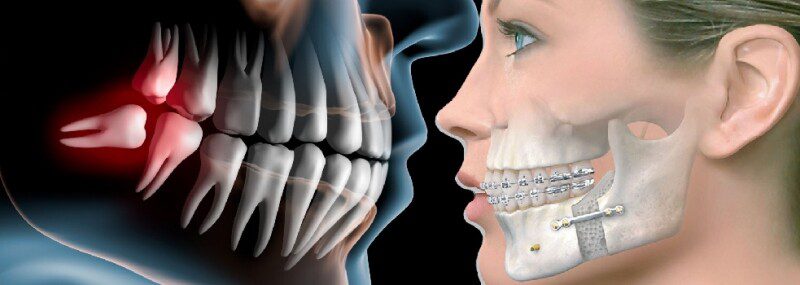
Wisdom tooth extraction goes beyond a routine extraction and falls under oral, dental and maxillofacial surgery in cases where the tooth remains fully or partially impacted within the jawbone, exerts structural pressure on adjacent tooth roots, forms cystic tissue around itself, or attempts to erupt at an abnormal angle.
When impacted or partially impacted wisdom (third molar) teeth cannot find sufficient space to erupt in the jawbone, they can push the front teeth, causing crowding, deep decay related to food accumulation in that area, or recurrent gum inflammation called pericoronitis. Before the procedure, the maxillofacial surgeon examines in detail the tooth’s proximity to the mandibular nerve (lower jaw nerve) or the maxillary sinus (upper jaw cavities) using panoramic X-rays or three-dimensional tomography (CBCT). Through a surgical protocol supported by the bone tissue or gum, the tooth in question is safely removed and the area is closed.
How Is Dental Implant Surgery Performed?
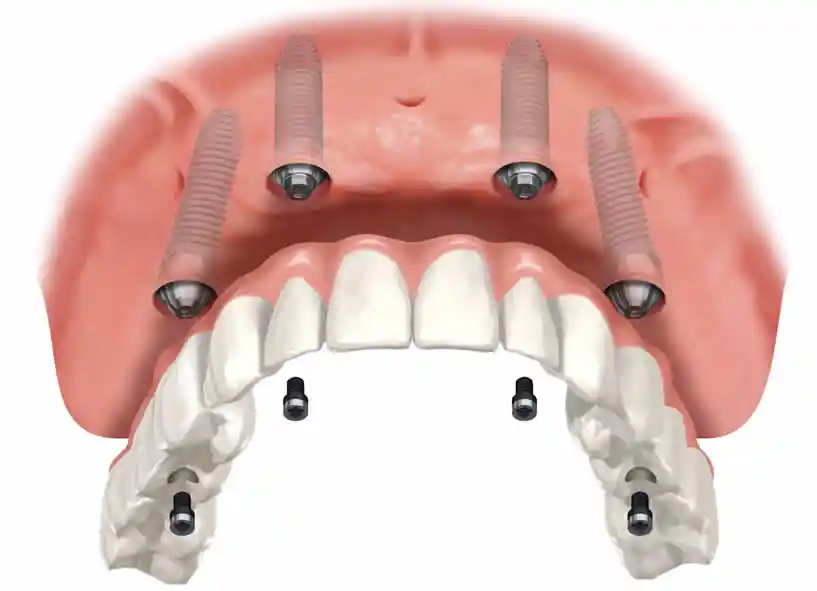
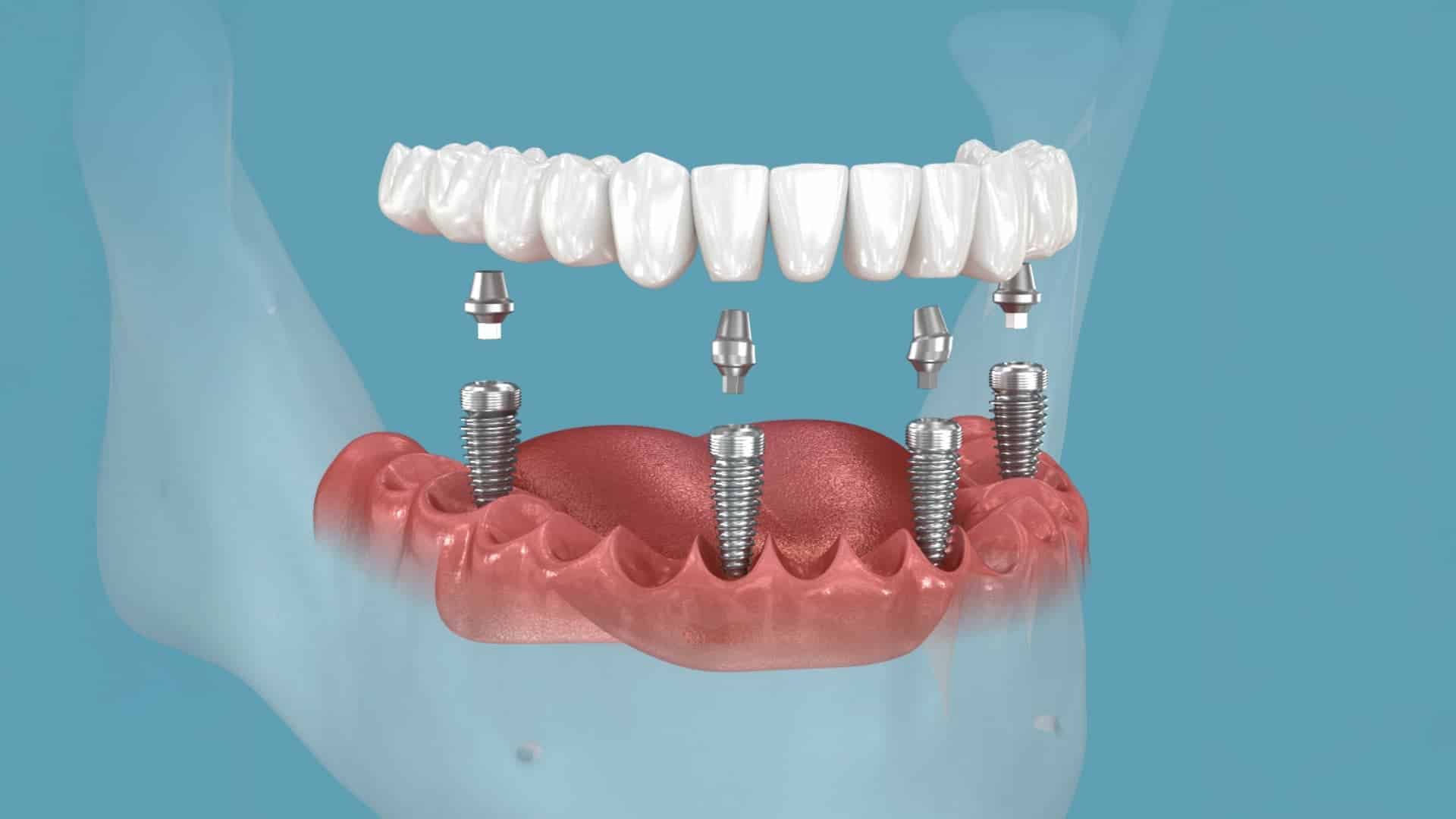
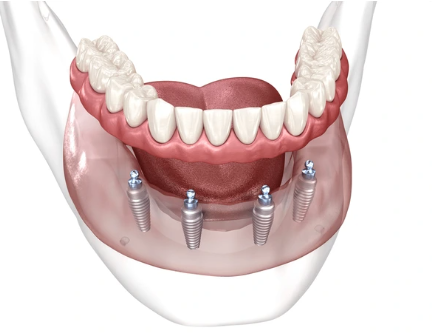
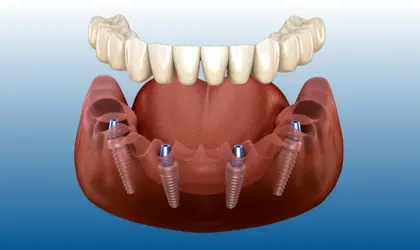
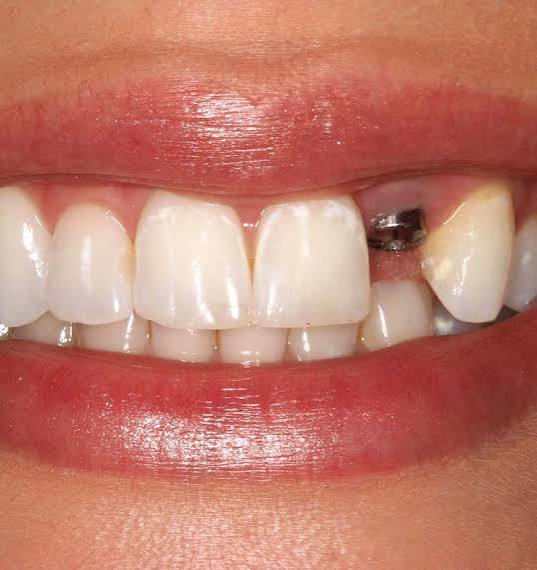
Dental implant surgery is performed by placing artificial tooth roots made of titanium into the jawbone in place of missing teeth. After the bone socket is prepared with precise drills under local anesthesia and the implant is placed, a biological healing process is awaited for fusion with the bone (osseointegration).
Implant applications are one of the most frequently performed procedures in oral, dental and maxillofacial surgery. This method, used to compensate for extracted or congenitally missing teeth, stands out because it does not require cutting into adjacent teeth and has the effect of halting bone resorption. Before placing the implant, the surgeon assesses the patient’s bone density, height, and width down to the millimeter. Today, digitally guided implantation techniques using surgical guide plates significantly increase the reliability of the procedure and the precision of reaching the target tissue.
| Stage | Clinical Procedure and Purpose | Estimated Timeframe |
|---|---|---|
| Clinical and Radiological Planning | Examining the jawbone with 3D tomography and measuring the implant diameter/length. | Before treatment (1 session) |
| Surgical Stage (Implantation) | Opening the socket under local anesthesia and placing the titanium root into the jaw. | 30 – 60 minutes (depending on number of implants) |
| Osseointegration Waiting Period | Waiting for the implant to biologically fuse with the bone cells. | Average of 2 – 4 months |
| Superstructure (Prosthesis) Stage | Fitting porcelain or zirconium crowns onto the fused implant. | 1 – 2 weeks |
Why Are Bone Graft and Sinus Lift Procedures Performed?
Bone graft and sinus floor elevation procedures are performed before or during dental implant surgery, in cases where there is not enough bone volume for the implant to be retained, in order to increase the amount, density, and height of bone in the area (regeneration).
After tooth loss, a physiological resorption process begins in the jawbone. If the patient has been without teeth for a long time or has chronic gum disease, the bone can become quite thin. Especially when tooth loss occurs in the posterior upper jaw, the “maxillary sinus” cavities directly above sag downward, and the bone height available for implants disappears. The oral, dental and maxillofacial surgeon performs a “sinus lifting” operation, pushing the sinus membrane upward and filling the resulting space with biological bone graft material. Similarly, bone-thickening protocols are applied in other areas with insufficient jaw width to prepare the site for implants.
How Does the Treatment Process for Jaw Cysts and Tumors Proceed?
The treatment process for jaw cysts and tumors proceeds through the stages of radiologically detecting the lesion, determining its type, surgically removing it completely under local or general anesthesia (enucleation), and sending the removed tissue for pathological examination to establish a definitive diagnosis.
Cysts that form in the oral and jaw region generally originate from infected tooth roots (radicular cyst), the follicles of unerupted teeth (dentigerous cyst), or developmental disorders within the bone. These lesions usually grow without symptoms and are only noticed when an X-ray is taken. As cysts grow, they resorb healthy jawbone and can press on the nerves of adjacent teeth. During surgical intervention, the area is carefully cleaned up to the healthy tissue around the cyst membrane in order to eliminate the risk of recurrence. If the cyst has reached a very large size, structural repair is supported by adding a bone graft to the cavity area.
With Which Methods Are Temporomandibular Joint (TMJ) Disorders Treated?
Temporomandibular joint (TMJ) disorders are primarily treated with conservative methods such as stress management, muscle relaxant medications, and night guards (occlusal splints). However, if there are structural disorders within the joint, disc displacements, or advanced calcification, arthrocentesis (joint lavage) or open joint surgery methods are used.
The temporomandibular joint (TMJ), which connects the lower jaw to the skull, is a highly complex structure at the center of speech and chewing functions. Due to teeth clenching (bruxism), a one-sided chewing habit, trauma, or an incompatible dental bite, the disc (cartilage structure) within the joint can become displaced. This condition manifests in patients as restricted mouth opening, clicking sounds from the joint, and muscle pain radiating to the ear and neck area. The jaw surgery department follows a step-by-step treatment protocol (from conservative to surgical) in this scenario, clinically evaluating the patient’s chewing muscles and joint space.
Which Patients Is Orthognathic Surgery (Jaw Surgery) Applied To?
Orthognathic surgery is applied to adult patients who have completed their growth and development process (generally age 18 and above), whose lower or upper jaw is skeletally too far forward, too far back, or asymmetrical, and whose bite disorder cannot be corrected with braces (orthodontics) alone.
Skeletal jaw disorders can directly and negatively affect the patient’s ability to bite and chew, as well as cause significant speech disorders (articulation problems) and aesthetic disproportions. Orthognathic surgery is a multidisciplinary operation carried out jointly by an orthodontic specialist and a jaw surgeon. The treatment process generally begins with aligning the teeth with braces before surgery. Once the teeth reach the ideal plane, in the operating room (under general anesthesia), the surgeon frees the jawbones and brings them into their previously planned ideal anatomical and functional positions, fixing them with titanium plates and screws.
- Class 2 Malocclusion: A condition where the lower jaw is skeletally set too far back.
- Class 3 Malocclusion: A condition where the lower jaw or overall bite is severely forward (prognathism).
- Open Bite: A condition where the front jawbones do not touch each other while the back teeth are in contact.
- Facial Asymmetry: A condition where the chin point noticeably shifts to the right or left.
How Are Jaw Surgery Processes Managed in the Panorama Ankara Region?
Jaw surgery processes applied in the Panorama Ankara region begin with detailed diagnoses of patients, supported by modern clinical infrastructure, 3D imaging capabilities, and sterilization standards. Operations are managed with reliable, digitally planned protocols that minimize the impact on the patient’s daily and professional life during the recovery period.
Considering regional dynamics and the intensity of work life, patients around Panorama Ankara generally expect rapid diagnosis, clear information, and close follow-up after the procedure. Within this framework, the clinical approach aims to convey to the patient, with full transparency, the materials to be used before the surgical operation (such as the properties of the implant brand or the type of graft), the duration of the operation, and the possible recovery cycle. Surgical interventions are carried out in areas where infection control is kept at the maximum level, and patients are included in post-operative check-up processes through appointment automation systems.
What Preparations Are Made Before Oral, Dental and Maxillofacial Surgery Treatments?
Before surgical treatments, the patient’s general systemic health history (anamnesis) is taken, and existing chronic diseases and medications used are evaluated. Then, two- or three-dimensional radiological images are taken to anatomically examine the operation area, and antibiotic prophylaxis is started if needed for infection risk.
Oral region operations are directly related to the body’s general systemic circulation. If the patient has a condition such as hypertension, diabetes, heart disease, or a blood clotting disorder, a consultation with the patient’s own physician before the surgical procedure is essential. Especially patients using blood-thinning (anticoagulant) medication need to have their medication adjusted under medical supervision for a certain period before the procedure. The condition of patients undergoing treatment for bone loss (osteoporosis) may also affect the healing dynamics in the jawbone, so surgical planning is personalized accordingly.
| Systemic Condition / Disease | Effect on Surgery and Precautions Taken |
|---|---|
| Diabetes | Wound healing may slow down, increasing infection risk. HbA1c levels must be kept under control. |
| Cardiovascular Diseases | Anesthetics without epinephrine may be preferred; a cardiology consultation is performed. |
| Use of Blood Thinners | Creates a risk of excessive bleeding. Medication is adjusted before the procedure with the physician’s approval. |
| Bisphosphonate (Bone Loss) Medications | May carry a risk of jawbone necrosis; a detailed dosage history must be reviewed. |
What Should Be Considered During the Recovery Process After Surgical Procedures?
After the surgical procedure, a cold compress should be applied externally to the area for the first 24 hours, spitting and rinsing should not be done, and prescribed medications should be used regularly. Hot, hard, and grainy foods should be avoided to keep the sutured area clean and to protect the blood clot.
The blood clot that forms in the extraction or operation socket after oral surgical procedures is the first and most important foundation of wound healing. If the patient spits due to the taste of blood or creates a vacuum (negative pressure) in the mouth by drinking liquids through a straw, this clot can become dislodged, leading to a painful healing process called “alveolar osteitis” (dry socket). Swelling occurring in the first few days after the procedure is a physiological response of the body to tissue trauma and is considered normal; applying a cold compress helps keep this swelling to a minimum. Cigarettes and tobacco products, due to the toxic gases and heat they contain, disrupt blood circulation in the wound area and significantly delay healing, so they must absolutely not be used during the recovery period.
Frequently Asked Questions About Oral, Dental and Maxillofacial Surgery
Are jaw surgery procedures performed under general anesthesia?
Many routine jaw surgery procedures, such as impacted tooth extraction and implants, can be performed in a clinical setting with only local anesthesia (regional numbing). However, general anesthesia or sedation may be preferred for multiple tooth extractions, large cyst operations, orthognathic surgery procedures, or in patients with severe dental phobia.
Which anesthesia method will be used is determined jointly by the jaw surgeon and the anesthesiologist, based entirely on the patient’s current medical condition, the size of the operation, and the patient’s psychological cooperation.
My wisdom tooth doesn’t hurt at all — do I still need to have it extracted?
Pain alone is not a criterion. If the tooth is completely impacted within the bone and the surrounding tissues are healthy, it may not need to be extracted; however, if the tooth is partially impacted, is creating an area of food accumulation that cannot be cleaned, or is exerting anatomical pressure on the root of the front tooth, its extraction may be planned to prevent greater damage in the future.
The idea that every wisdom tooth must be extracted is a myth. Teeth whose position is stable on regularly taken panoramic X-rays, that show no sign of decay, and that participate normally in the bite can be preserved.
How long should one wait after a bone graft is added?
After bone graft applications, it takes an average of 4 to 6 months for the artificial material placed to fuse with the patient’s own bone cells and form a hard (calcified) tissue. During this time, it is extremely important that no pressure be applied to the relevant area.
The waiting period can vary depending on the type of graft used (synthetic, animal-derived, or an autogenous graft taken from the patient’s own tissue) and the blood supply capacity of the area where it is applied.
Is a tooth attached immediately after implant surgery?
In the routine protocol, after the implant is placed, several months are awaited for it to fuse with the jawbone (osseointegration). However, in certain selected cases with suitable bone quality, temporary or permanent prosthetic teeth can be attached on the same day using a technique called “immediate loading.”
The success of same-day tooth application is directly linked to how high the initial retention force (primary stability) of the placed implant within the bone is clinically achieved.