

What Is the Recovery Process Like After Oral, Dental and Maxillofacial Surgery?
The recovery process after oral, dental and maxillofacial surgery involves the body’s physiological tissue repair mechanisms, depending on the scope of the operation. Mild swelling and sensitivity are expected during the first few days; the soft tissues fully closing takes an average of one to two weeks, while the repair of bone tissue is a biological process that spans several months.
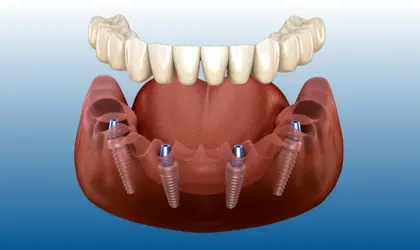
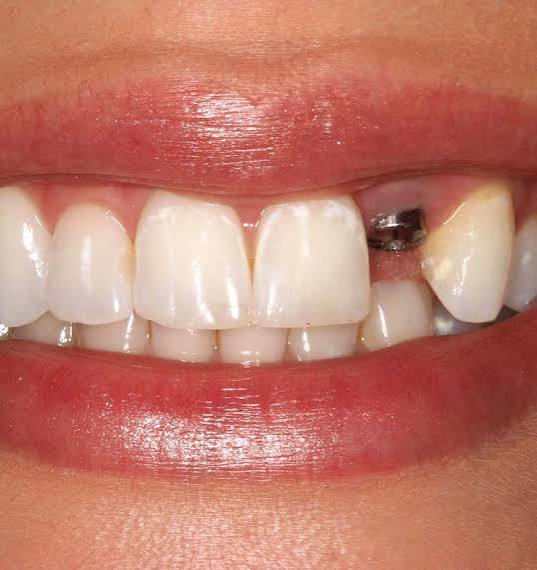
Oral surgical interventions such as impacted wisdom tooth extraction, dental implant applications, jaw cyst operations, or bone graft procedures are directly connected to the body’s general healing dynamics. Just as important as the dentist’s meticulousness during the operation is the patient’s compliance with the rules given for the post-operative stages, which directly affects the success of the treatment. After a successful surgical procedure, protecting the wound area from infection, keeping the blood clot stable, and allowing tissue repair cells to reach the area healthily are the most fundamental building blocks of this process, jointly carried out by the dentist and the patient.
What Should Be Done in the First 24 Hours After a Surgical Procedure?
In the first 24 hours after a surgical procedure, the sterile gauze pad placed on the wound area should be held in place by biting down for at least 30-45 minutes, and no food should be eaten until the effect of local anesthesia wears off. An intermittent cold compress should be applied externally to limit swelling in the area, and spitting or vigorous rinsing must absolutely not be done on the first day.
The first 24 hours is the most critical period during which the blood clot that forms the foundation of healing develops. Patients generally tend to spit because they are bothered by the taste of blood in their mouth. However, spitting or drinking liquids through a straw creates negative pressure (a vacuum) in the mouth, which can dislodge this protective blood clot as it begins to form. Dislodging the clot leads to a highly uncomfortable condition called “alveolar osteitis” or “dry socket,” in which the bone is exposed. For this reason, oozing-type bleeding on the first day should be tolerated by swallowing, and the operation site should be left completely at rest.
What Should Be Done If Bleeding Occurs at the Operation Site?
Mild oozing-type bleeding or a pinkish tinge in the saliva during the first 24 hours at the operation site is completely physiological. However, if active, fresh, and heavy bleeding begins, a clean sterile gauze pad should be placed on the area and light pressure applied by biting down, and this should be reported to the dentist.
Since the oral cavity is a very vascular-rich area, a drop of blood mixed with saliva can often be perceived by patients as much heavier bleeding than it actually is. There is no need to panic; the patient should rest with their head kept slightly higher than heart level. Cotton or a napkin should never be placed on the area as a bleeding-control measure, because the fibers of these materials can stick to the wound and create a breeding ground for infection. If oozing continues, only sterile gauze should be used.
| Situation | Expected (Normal) Process | Situation Requiring Urgent Dentist Intervention |
|---|---|---|
| Severity of Bleeding | Mild oozing that tints the saliva pink. | Active red bleeding that quickly fills the mouth and does not clot. |
| Duration | Gradually decreasing and stopping within the first 24 hours. | Bleeding that continues beyond 48 hours despite applying pressure. |
| Step to Take | Consuming cold foods, swallowing, resting. | Biting on sterile gauze and contacting the clinic immediately. |
What Should the Diet Be Like After Oral, Dental and Maxillofacial Surgery?
After oral, dental and maxillofacial surgery, room-temperature, pureed-consistency, soft foods that do not require chewing should be consumed for the first few days. Excessively hot, spicy, acidic, and hard/crusty foods that could irritate the wound area should be avoided until the healing tissue forms.
While under local anesthesia, since the patient cannot feel the lip, tongue, or cheek area, they may accidentally bite their own tissues, causing serious trauma; for this reason, nothing should be chewed until the numbness wears off. Once the effect of the anesthesia has passed, gentle chewing can be done on the side where the operation was not performed. In the first few days, foods such as yogurt, warm soup, mashed potatoes, soft vegetable dishes, and bananas should be preferred. Avoiding acidic drinks and foods such as tomatoes and orange juice that could sting the wound, as well as hard/grainy products such as chips, nuts, and simit (sesame bread rings) that could get stuck between the stitches, for at least one week will speed up wound healing.
How Is Swelling Controlled After Surgical Intervention?
To control the swelling that develops due to tissue trauma after surgical intervention, ice or a cold gel compress should be applied externally to the operation area in 10-15 minute intervals for the first 48 hours. From the third day onward, a warm compress can be used to regulate blood flow in the area.
Swelling is a completely natural and physiological defense mechanism the body shows in response to a surgical intervention (trauma); it is a sign that healing cells are rushing to that area. Swelling in the cheek area is an expected condition, especially after wisdom tooth extractions or implant operations with bone graft added. Swelling generally reaches its maximum level on the 2nd and 3rd days and then gradually begins to subside. The ice pack should not be brought into direct contact with the skin; it must always be wrapped in a thin towel or napkin to prevent cold burn (ischemia) of the skin.
How Should Oral Hygiene Be Maintained During the Recovery Period?
During the recovery period, oral hygiene is maintained, 24 hours after the operation, by gently brushing the teeth outside the surgical area with a soft brush and using the antiseptic mouth rinses prescribed by the dentist. Maximum care should be taken to avoid the brush touching the sutured area, so as to support keeping the wound clean.
Oral surgical wounds are prone to infection because they are constantly exposed to the outside environment and food debris. For this reason, maintaining a high level of general oral hygiene is essential. The treated area (the wound site) should not be brushed directly; however, the other parts of the mouth should be cleaned according to the normal routine. The dentist generally prescribes a mouth rinse with the active ingredient “chlorhexidine.” These rinses provide chemical plaque control in sutured areas that a toothbrush cannot reach, minimizing the risk of infection. When rinsing, instead of vigorous swishing movements in the mouth, gently moving the liquid around the relevant area (passive rinsing) is recommended.
What Should Be Considered After Sutured Procedures?
After sutured surgical procedures, the wound area should not be touched with the tongue and the lips and cheeks should not be pulled excessively to check the area, in order to prevent the sutures from breaking. Non-dissolvable sutures are generally removed painlessly by the dentist between 7 and 10 days.
Oral tissues (mucosa) have a much faster healing potential compared to other areas of the body. The main purpose of the sutures placed after a surgical procedure is to bring the wound edges together to protect the clot and stop bleeding. When patients pull on their cheeks out of curiosity to see the wound area or play with the loose ends of the sutures with their tongue, the sutures can break prematurely and the wound area can open up and become infected. Sometimes dentists may prefer self-dissolving (resorbable) sutures; even in this case, it is essential to be careful with the area until the tissue heals.
How Is Post-Surgical Follow-up Conducted in the Panorama Ankara Region?
In current clinical practices in the Panorama Ankara region, post-surgical follow-up is managed in a way that fits the pace of modern life, based on the principle of calling patients for regular check-ups through appointment automation, closely monitoring healing dynamics, and keeping communication channels open for possible situations.
In regions such as Panorama Ankara, where social and professional life is active, it is of great importance for patients to be able to quickly return to their daily lives after the operation. With these dynamics in mind, patients are given detailed written and verbal post-operative instructions after surgical interventions performed at the clinics. A short appointment is scheduled during the first week for suture removal and wound site check-up. Patients being able to easily reach clinical support lines for any questions on their mind keeps patient cooperation and comfort high by relieving concerns during the recovery process.
How Should Medication Be Used After Surgery?
Medication use after surgery should be carried out in full compliance with the dentist’s prescription. Antibiotics should be taken at the appropriate times and until the course is finished to prevent infection, while analgesics (painkillers) and anti-inflammatory medications should be taken at the dose recommended by the dentist to suppress swelling.
Some patients may tend to stop the antibiotic prescribed by the dentist halfway through when they do not feel significant pain after the operation or when their swelling starts to subside. This is a quite mistaken attitude. Antibiotic treatment must be continued until the course is finished, as started, so that bacteria do not gain resistance and any hidden risk of infection in the area is completely eliminated. Similarly, the prescribed painkillers do not just relieve pain; thanks to the active ingredients they contain, they also treat inflammation and swelling within the tissue. For this reason, medications should be taken regularly on a full stomach at the periods specified by the dentist (for example, every 8 or 12 hours) during the first few days.
| Medication Group | Main Function and Purpose | Principle of Use |
|---|---|---|
| Antibiotics | To prevent bacterial infections that may occur in the surgical wound area. | Full dose and at the correct times, until the course is finished. |
| Anti-inflammatory/Analgesic | To relieve pain related to tissue trauma and suppress local swelling. | Generally on a full stomach, for the duration specified by the dentist. |
| Antiseptic Mouth Rinses | To provide plaque and bacteria control in sutured areas that a toothbrush cannot reach. | 24 hours after the procedure, to support the brushing routine. |
Frequently Asked Questions About the Recovery Process After Jaw Surgery
How many days does the recovery process take?
Although it varies depending on the extent of the surgical intervention, the soft tissue closing and reaching a state where the sutures can be removed takes an average of 7 to 10 days. However, in implant or bone graft procedures, the jawbone fully hardening biologically spans a process of 3 to 6 months.
The sensitivity and swelling the patient feels externally generally decrease rapidly starting from the 4th day, and the patient can comfortably return to their normal eating and drinking routine by the end of the first week.
How does smoking affect the surgical healing process?
Due to the carbon monoxide and toxic gases it contains, smoking reduces the amount of oxygen reaching the tissues, disrupts blood supply to the wound area, and significantly delays healing. It can also dislodge the clot through the vacuum effect it creates, leading to severe infections (dry socket).
Oral, dental and maxillofacial surgery specialists strongly recommend that cigarettes and tobacco products absolutely not be used for at least the first 72 hours after the operation (ideally until the wound is fully closed).
Can sports or exercise be done during the recovery process?
Heavy physical activities and sports that would raise blood pressure and cause sweating should be strictly avoided during the first 48-72 hours. Movements requiring effort can restart bleeding at the operation site or cause a throbbing sensation in the face.
By the end of the first week, once the swelling has fully subsided and the dentist has performed a tissue check-up, a gradual transition to low-intensity exercise can be made.
Can hot or cold beverages be consumed after the operation?
Within the first 24 hours, excessively hot foods such as tea, coffee, or hot soup should be avoided in order not to disrupt clotting and not to dilate blood vessels. Room-temperature or lukewarm beverages should be preferred; cold foods (such as ice cream) can be consumed to soothe the operation area.
Using a straw while drinking beverages is strictly prohibited, as it would create a vacuum in the mouth; all beverages should be sipped slowly directly from a cup.