

When Should Orthodontic Treatment Begin?
The answer to when orthodontic treatment should begin varies depending on the individual’s jaw structure, dental development, and the nature of the structural differences encountered. To plan this process, the positions of the teeth in the mouth, the compatibility between the upper and lower jaw, and general facial symmetry are examined by specialist physicians. To make a general assessment, in children, the first years when permanent teeth begin to erupt are considered a valuable time period for guiding jawbone development. However, this does not mean the process is limited only to childhood; adult individuals can also be included in the orthodontic assessment process at any age, due to crowding in the tooth alignment or differences in jaw closure. Examinations done at an early stage help manage more complex jaw problems that could arise in the future, while applications done in adulthood contribute to ensuring oral hygiene and supporting chewing functions by regulating the existing tooth alignment.
When determining the timing of orthodontic processes, not only the alignment of the teeth but also functional elements such as airway width, tongue position, and lip closure are taken into consideration. In services offered in the health field — for example, in physician assessments carried out at Panorama Ankara — the patient’s current condition is analyzed with digital scanners and radiographic methods, and a personalized timeline is created. The decision to begin methods such as dental wire applications or clear aligners is shaped according to whether the individual is in a growth spurt period and the effect the forces to be applied will have on the jawbone. This roadmap, prepared with an informative approach, aims to offer alternatives that allow the person to continue their daily life in its normal course.
What Is the Ideal Age Range for Orthodontic Assessments?
The ideal age range for orthodontic assessments is around 7 to 8 years old, when children begin to lose their baby teeth and their first permanent teeth start to erupt. This age period is a process during which jaw development is still active, and the skeletal structure can respond to guidance forces applied from the outside. In the examinations they perform during this period, physicians can detect whether the lower jaw is set back or forward, upper jaw narrowness, or possible deviations in the eruption paths of the teeth. In line with these findings, preventive orthodontic approaches can be put into effect during this stage, called the mixed dentition period. Preventive applications aim to create space for the teeth to settle in their correct places and to support jaw development.
The main purpose of examinations that begin early is not to immediately move to fitting wires, but to regularly record the individual’s oral and jaw development at intervals. If no clear jaw closure problem is detected, the physician may wait for all permanent teeth to erupt. Generally, the 11-to-13 age range is the period commonly preferred for permanent teeth taking their place in the mouth and for comprehensive orthodontic wires or aligners to be applied. Since each individual’s rate of biological development is different, the starting time is determined specifically for the patient according to bone age and stages of tooth eruption.
What Are the Stages of Orthodontic Assessment?
Planning the orthodontic process according to individuals’ age groups is divided into certain stages. These stages guide the physician in determining the intervention method and the goals of the process.
- Early Period (Mixed Dentition) Assessment: Covers the 7–9 age range. In this period, when baby teeth and permanent teeth are present together, the development of the jawbones is guided to manage skeletal incompatibilities that could form later.
- Adolescent Period Planning: The stage in the 11–14 age range, when all baby teeth have fallen out and the permanent teeth have taken their place in the mouth. Fixed brackets or removable appliances are frequently used in this period to correct crowding in tooth alignment.
- Adult Period Applications: Covers age 18 and after. Since jaw growth has ended, the focus in this period is aligning the teeth, closing gaps, and preparing for prosthetic (implant, porcelain) procedures. In advanced skeletal cases, work is done jointly with jaw surgery.
Can Orthodontic Treatment Be Started in Adulthood?
It is possible to start orthodontic treatment in adulthood, and today many adult individuals apply to orthodontic clinics to correct incompatibilities in their dental arches. As long as the bone and gum tissue surrounding the teeth are healthy, moving the teeth carries no age-related restriction. In adult individuals, the process is generally requested to correct tooth shifts that were postponed during adolescence or that occurred later due to reasons such as tooth extraction or gum recession. Once a healthy tissue structure is ensured, alignment of the teeth’s positions can be achieved regardless of age.
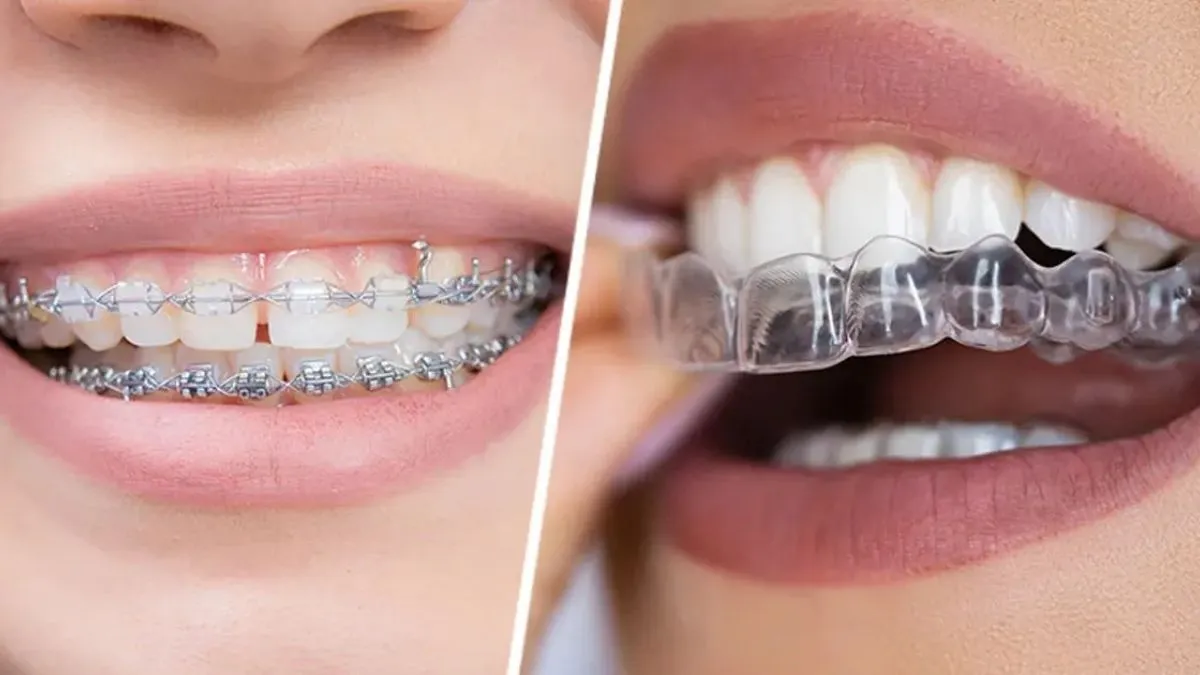
The fact that adult individuals have different aesthetic expectations in their work and social life also affects the form of orthodontic applications during this period. Instead of traditional metal brackets, porcelain brackets that match tooth color, lingual wires placed on the back surface of the teeth, or clear aligners that are difficult to notice from the outside are among the preferred options. Experienced physicians within Panorama Ankara’s regional service network support the establishment of a healthy bite by offering aesthetic and functional plans that will not disrupt adult patients’ social lives. In the older age group, since bone metabolism works more slowly compared to younger people, the forces applied are kept lighter and the adaptation process is monitored closely.
What Signs Can Lead to the Start of an Orthodontic Process?
The signs that can lead to the start of an orthodontic process cover a broad range, from the alignment of the teeth on the jaw arch to the manner in which the upper and lower jaw come into contact with each other. Individuals generally feel the need to consult a physician upon noticing, when looking in the mirror, that their teeth overlap one another (crowding) or that there are gaps (diastema) between them. Crowding can lead to tartar buildup and gum problems by creating areas the toothbrush has difficulty reaching. In addition to the structural alignment of the teeth, incompatibilities in the closure relationship of the jaws are also fundamental conditions that require starting the process.
Conditions such as difficulty while clenching or chewing the teeth, the upper or lower front teeth not covering each other at all (openbite), the upper teeth excessively covering the lower teeth (overbite), or the lower jaw being positioned forward at rest, are signs requiring functional assessment. Environmental factors such as a mouth-breathing habit, the tongue pressing on the front teeth during swallowing, or a history of prolonged thumb-sucking are also among the elements that can create the orthodontic need by leading to jaw narrowness. The presence of these signs is examined by the physician using digital scanning and radiographic methods, and translated into appropriate planning.
What Structural Conditions Indicate an Orthodontic Need?
| Structural Condition | Appearance and Functional Effect | Orthodontic Approach Process |
|---|---|---|
| Crowding | The condition where teeth overlap or turn due to not being able to fit on the jawbone. Cleaning becomes difficult. | Space is created through jaw expansion, mild enamel reduction, or tooth extraction if necessary, and alignment is achieved with wires. |
| Gapped Teeth (Diastema) | Gaps left between teeth due to small tooth size or a wide jaw. | Teeth are shifted with clear aligners or brackets to close the gaps, and anatomical form is given. |
| Crossbite | The reversed closure in which the upper teeth remain inside the lower teeth. Can lead to asymmetry. | Jaw-expanding appliances in the early period, and elastic applications at later ages, regulate the closure. |
| Openbite | While the back teeth are in contact, a vertical gap remains between the front teeth. The biting-off function cannot be performed. | Habits such as tongue thrusting are brought under control, and vertical tooth movements achieve closure. |
How Does the Process of Baby Teeth Falling Out Affect Orthodontic Planning?
The process of baby teeth falling out carries great importance for permanent teeth to erupt in a healthy manner and settle in an appropriate position on the jaw arch, and it directly affects orthodontic planning. Baby teeth not only carry out the chewing function; they also act as guides for the permanent teeth developing underneath them. Losing a baby tooth well before its natural time to fall out, due to a cavity or trauma, causes the neighboring teeth to shift toward this gap. These resulting shifts close off the eruption path of the permanent tooth coming from below, paving the way for the tooth to remain impacted or to erupt outside the arch (crooked).
In such situations, physicians use special appliances called space maintainers to manage the effects of early tooth loss. Space maintainers help prevent the gap that forms from closing until the permanent tooth erupts. On the other hand, some baby teeth may continue to remain in the mouth even though the time has come for them to fall out (retained baby tooth). This situation also causes permanent teeth to deviate from their normal eruption path. During orthodontic assessments, the chronology of teeth falling out and erupting is closely monitored, and the extraction of baby teeth whose time has come is decided when necessary, supporting permanent teeth in settling into their natural places.
What Are the Main Differences Between Early Intervention and Later-Age Orthodontics?
The main difference between early intervention and later-age orthodontics lies in whether the individual’s jawbones and facial skeleton still have growth potential. Since the skeletal system continues to develop at early ages (between 7 and 12), the direction of growth of the upper or lower jaw can be changed using orthodontic appliances; a narrow upper jaw can easily be widened, or a lower jaw being set back can be guided forward by taking advantage of the growth spurt. During this period, physicians use the patient’s growth potential as an advantage, managing potential structural problems before they reach advanced stages.
In adulthood, however, since the jawbones have fused and growth has stopped, it is not normal to make large changes at the skeletal scale using only dental wires or clear aligners. In adults, orthodontic applications are generally limited to the movement of teeth within the alveolar bone. In adult cases with severe jaw asymmetry or significant closure differences, when applications using only wires are not sufficient, orthodontics works together with orthognathic surgery (jaw surgery). With this approach, after the teeth are brought into a suitable position for wires or aligners, the bones are resized through the surgical procedure to achieve the ideal closure.
What Should Be Paid Attention to When Starting the Process with Clear Aligners or Dental Wires?
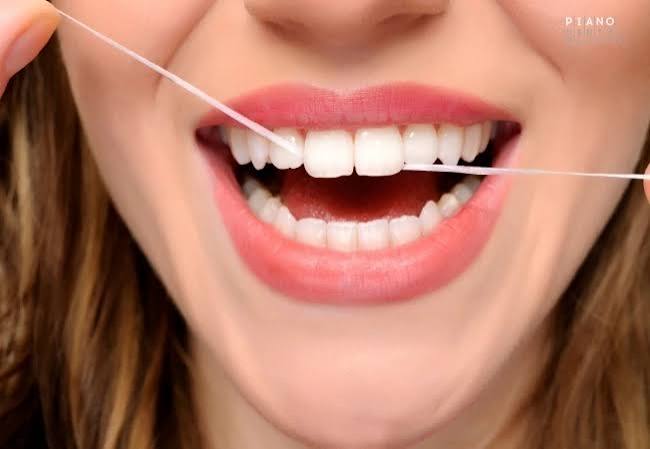
The most important point to pay attention to when starting the orthodontic process with clear aligners or dental wires is that the patient has the motivation to maintain oral hygiene and the discipline to comply with the physician’s instructions. Regardless of which method is chosen, in order for tooth movements to take place within a healthy bone structure, the priority is to first treat all cavities in the mouth with fillings and eliminate gum problems. Once the process begins, the presence of brackets or aligners creates extra spaces in the mouth for food buildup. For this reason, detailing the brushing routine with interdental brushes and special dental floss is necessary for maintaining oral health.
There are also certain specific rules to pay attention to depending on the type of appliance used. If the process begins with fixed dental wires, hard, shelled foods (hazelnuts, almonds) and sticky, acidic foods should be avoided so brackets do not come loose from the tooth surface. When clear aligners are preferred, there is no restriction regarding eating and drinking, since the patient removes their aligners while eating. However, it is recommended that the aligners be worn for about 22 hours a day so they can fulfill their biomechanical function. This is a usage discipline that is up to the patient’s own initiative. Attending physician appointments without interruption, in order to monitor the progress of the process, also carries great importance.
What Individual Factors Affect the Decision to Start the Orthodontic Process?
The factors affecting the decision to start the orthodontic process are not limited only to biological and anatomical characteristics; the individual’s socio-psychological state, lifestyle habits, and expectations also shape the process. For example, the expectations of a high-school-aged teenager and an adult with an intense work schedule regarding orthodontic applications can differ in terms of aesthetic visibility. Thanks to advancing technology, invisible orthodontic options have greatly reduced adults’ hesitations about starting treatment. In particular, individuals who are in constant communication in their professional lives make the decision to start the process in its normal course by turning to aesthetic alternatives such as lingual brackets or clear aligners.
Another important individual factor is the patient’s general health condition and the cooperation (compliance) they will show throughout the process. If removable appliances such as clear aligners are preferred, the physician assesses whether the patient will wear the aligners regularly. In addition, the individual’s smoking habits, the importance they give to oral hygiene, and their regular tooth-brushing habits are also factors that play a role in the success of the process. Physicians serving at well-equipped healthcare institutions such as Panorama Ankara assess all these individual variables in mutual communication with the patient during the first appointments, determining a joint roadmap that suits both the lifestyle and the oral requirements.
The Effect of Individual Factors on Process Planning
| Individual Factor | Reflection on the Process | Alternative Approaches |
|---|---|---|
| Age and Growth Potential | Determines whether skeletal intervention can be made. | Growth guidance in children; alignment or surgical support in adults. |
| Aesthetic Expectations | Plays a role in determining the visibility level of the material to be used. | Metal brackets, porcelain (clear) brackets, or removable clear aligners. |
| Patient Compliance and Discipline | Affects the effective duration of removable appliances and oral care. | Leaning toward fixed brackets for patients with low motivation; clear aligners for compliant patients. |
| Systemic Health Status | Affects bone metabolism and the speed of tooth movement. | A special follow-up program with the physician, based on medication use or health condition. |
What Stages Do Dental Wire Applications Consist Of?
The beginning and progress processes of dental wire applications consist of systematic clinical stages followed one after another. The first stage is a comprehensive diagnosis and planning stage; digital models are taken, X-rays are analyzed, and the patient is given transparent information about the process. In the second stage, the “preparation stage,” existing cavities in the mouth are repaired and tartar cleaning is done. Once the gums are brought to a healthy condition, a transition is made to the “bonding” stage. In this session, small carriers called brackets are fixed to the front (or, if desired, back) surfaces of the teeth with a special material, and archwires passing through these brackets are placed.
With the guiding forces the wire applies to the teeth, the active process begins. The displacement of the teeth requires months of adaptation. The physician calls the patient in for check-ups at certain intervals (generally every 4–6 weeks), renewing the wires, updating the force levels, and monitoring the progress of the teeth. The use of elastic (rubber-band-like) bands supports aligning the closure of the upper and lower jaw with one another. Once the targeted alignment and functional closure are achieved, in the “debonding” stage, the brackets are carefully removed from the teeth, and the adhesive residue on the tooth surfaces is cleaned, revealing the aesthetic result.
What Steps Are Followed After the Orthodontic Process Is Completed?
Once orthodontic applications are complete and the dental wires are removed, or the active clear-aligner process has ended, a transition is made to the “reinforcement” (retention) stage in order to preserve the teeth’s newly achieved positions. This stage carries great importance for supporting the permanence of tooth movements, because it takes time for the bone and fibers surrounding the teeth to fully adapt to the new position, and there is a tendency for the teeth to return to their former crowded state (relapse). To keep this tendency to return under control, physicians make use of retention appliances, which are in a passive state.
Among retention methods, the most frequently used is the “lingual retainer” application, in which a thin wire is fixed with special adhesives to the back (tongue-facing) surfaces of the front teeth. This thin wire, not visible from the outside, holds the teeth together, restricting their movement. In addition, clear retention aligners (Essix) or removable acrylic palates, which the patient is asked to wear for a certain period (generally at night), can also be given as support. As is also seen in expert approaches in the Panorama Ankara region, the duration and form of the retention stage are personalized by the physician according to the individual’s initial problem, and followed with regular physician check-ups.
Frequently Asked Questions
1. Is there an age at which one is too late for orthodontic assessments?
In orthodontic applications, tooth movements can be performed at any age as long as the bone and gum tissue supporting the teeth are healthy. Therefore, there is no age at which one is too late for the process; tooth alignment can also be functionally regulated in adulthood.
2. Does having a dental wire fitted cause pain during the orthodontic process?
The process of bonding brackets onto the teeth does not involve physical pressure and is a comfortable stage. However, in the first few days after the wires are fitted and become active, feeling pressure and sensitivity during the teeth’s adjustment to movement is an expected, natural condition.
3. What is the most suitable time for orthodontic check-ups in children?
Specialists recommend that children’s first detailed orthodontic examination be done at ages 7–8, when the permanent incisor teeth begin to erupt. These ages offer an opportunity to guide skeletal development.
4. Are clear aligners used only for simple crowding cases?
With current digital dentistry technologies, clear aligners have become a comprehensive tool that can be considered not only for simple cases but also for many situations requiring closure differences and complex tooth movements.
5. How often should one go for check-ups throughout the process?
In fixed bracket systems, check-ups for force adjustment are generally planned at intervals of 4–6 weeks. Since patients using clear aligners change the aligners themselves, check-up intervals can be spread over a somewhat wider range, such as 6–8 weeks, at the physician’s discretion.
6. Do dental wires change speech?
In the first days that dental wires or clear aligners are introduced into the mouth environment, slight differences may be perceived in speech, since the tongue comes into contact with these structures. After a short adaptation period of a few days, the tongue gets used to this situation and speech returns to normal.
7. Is tooth extraction always necessary in orthodontic assessments?
Tooth extraction is not always a necessary condition. However, when there is not enough space in the jawbone for the teeth to fit (severe crowding), or to achieve compatibility between the jaws, extraction options can be assessed by the physician and included in detailed planning.
8. Can I do sports while wearing dental wires?
There is no restriction on doing sports with brackets. However, in contact sports with a possibility of taking a blow to the face, such as boxing, basketball, or martial arts, using custom-made silicone mouthguards is recommended to protect the brackets and soft tissues.
9. What should be paid attention to regarding eating and drinking during the wire-wearing process?
With fixed brackets, biting into hard foods (shelled nuts, ice) that could cause the appliances to come loose, sticky candies, and frequent consumption of acidic drinks should be avoided. Cutting food into small pieces before eating is recommended.
10. Can anything other than water be drunk while wearing clear aligners?
There is no harm in drinking unsweetened water while clear aligners are in the mouth. However, when consuming coloring or acidic-hot beverages such as tea or coffee, it is recommended to remove the aligners so the aligner’s form is not distorted and acid does not accumulate between the teeth.
11. Is digital planning done in applications at Panorama Ankara?
At healthcare institutions with advanced technological infrastructure, such as Panorama Ankara, patients’ intraoral records are taken with digital scanners, and three-dimensional analyses and process simulations are carried out in a computer environment, providing transparent planning.
12. Which tools should be used in the orthodontic care routine?
In addition to a standard toothbrush, orthodontic brushes that can reach around the brackets, thin-tipped interdental brushes that clean between teeth, special-tip orthodontic dental floss, and oral irrigators as a supportive measure should be included in the care routine.
13. Do wisdom teeth get in the way of the orthodontic process?
The position and direction of eruption of wisdom teeth is examined with panoramic X-rays. If these teeth remain impacted in a horizontal position and carry the risk of increasing crowding by pressing on the other teeth, their extraction can be planned either before or after the orthodontic process.
14. Do my teeth go back to their former state after the process ends?
It takes time for the teeth to adapt to their new positions and for the bone to structurally support them. For this reason, once the active process is complete, the teeth’s tendency to move is kept under control by fitting thin retainer wires behind the teeth and using protective aligners.
15. Can dental wires or aligners be used during pregnancy?
There is no biological obstacle to using wires or aligners during pregnancy. However, due to hormonal gum swelling that can develop during pregnancy, or restrictions on taking X-rays, it is recommended that a detailed discussion be held with the physician and a schedule be created accordingly.