
What Are the Key Factors That Determine the Biological Lifespan of All-on-4 Implants?
The durability of these systems inside the mouth is shaped by the patient’s daily care routine, existing bone density, the biomechanical planning applied, and their systemic health condition. Once tissue integration has been achieved, maintaining the structural form of the titanium roots and the prosthesis on top of them depends on the patient’s individual diligence.
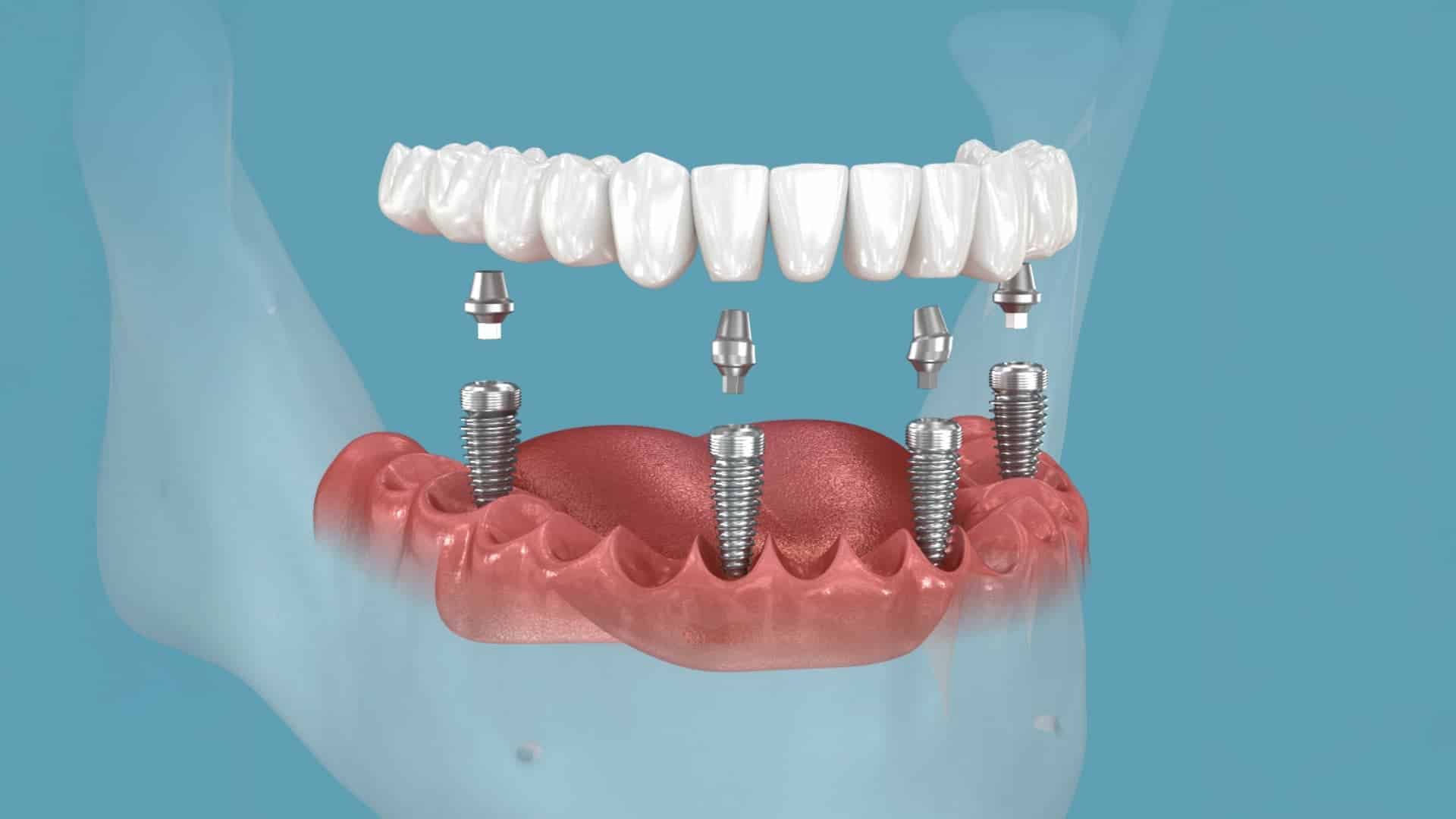
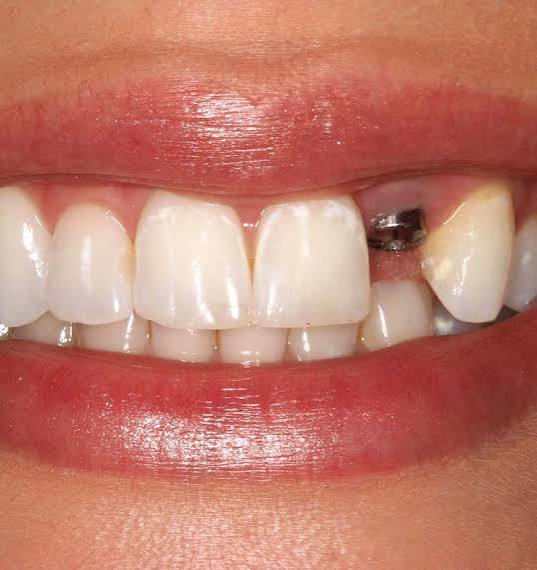
Titanium is inherently resistant to decay by nature; however, this does not mean that the area where the implant is placed is independent of environmental factors. The gum tissue and supporting bone that surround the titanium screw are sensitive to bacterial plaque, just as with natural teeth. The healthy continuation of the cellular attachment process between the bone and the titanium surface (osseointegration) is directly related to maintaining the microbial balance inside the mouth. In addition, the physician structuring the force distribution according to anatomical rules during the operation is one of the key factors that plays a role in preserving the stability of the application for many years.
How Does Daily Oral and Prosthesis Care Affect All-on-4 Systems?
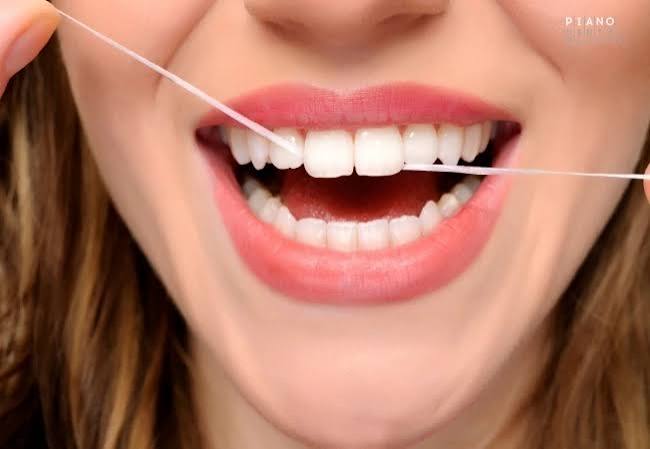
Routine oral cleaning supports keeping the titanium roots healthy within the bone by minimizing gum recession and the risk of tissue inflammation. Beyond the standard brushing applied to natural teeth, cleaning the spaces beneath the prosthesis with special tools is a basic requirement for the long-term stability of these restorations.
The anatomical structure of fixed prostheses can create conditions in which food debris accumulates between the gum and the base of the prosthesis. If these deposits are not removed in time, they create an acidic environment that leads to gum irritation. The table below lists the key differences and requirements between the routine care of natural teeth and the care of these implant-supported prostheses:
| Care Criterion | Routine Care for Natural Teeth | Special Care for All-on-4 Prostheses |
|---|---|---|
| Primary Cleaning Tool | Standard or electric toothbrush | Soft-bristled brush and interdental brushes |
| Use of Dental Floss | Standard thin dental floss | Thick, stiffened-tip (superfloss) floss |
| Liquid Cleansers | Cosmetic mouthwashes | Physician-recommended mouthwashes and pressurized oral irrigators |
| Cleaning Focus Area | Tooth enamel and interdental areas | The transition zone between the prosthesis base and the gum |
What Is the Effect of Diet on the Integrity of the Implant and Prosthesis?
The hardness level of the foods consumed and the chewing forces applied directly change the wear on the prosthesis surface and the mechanical stress reflected on the implant-bone junction. Uncontrolled chewing of very hard-shelled nuts or structurally demanding foods can lead to micro-cracks in the superstructure.
Although the titanium screws are firmly attached to the jawbone, implants lack the periodontal ligaments found in the roots of natural teeth, which act as a kind of shock absorber. This causes the pressure exerted during chewing to be transmitted directly to the bone. Biting into extremely hard objects (such as ice chips or hard-shelled nuts) or using the teeth to open packaging not only damages porcelain or zirconium coatings but also increases the stress placed on the titanium substructure. Adopting a balanced diet of moderate hardness helps preserve the long-term durability of the materials.
Does Teeth Grinding (Bruxism) Damage the Structure of the Implants?
Involuntary teeth clenching and grinding actions apply a high level of mechanical pressure to the jawbone and the prostheses. Over time, this can lead to loosening of the screws or aesthetic loss and minor fractures on the coating surfaces.
Individuals with bruxism cannot control the force exerted by their jaw muscles during sleep. This force, which causes wear in natural teeth, is also a serious risk factor for implant-supported restorations. Continuously exposed lateral forces can fatigue the implant’s connection within the bone. To balance this mechanical stress and protect the prosthesis, physicians recommend the use of clear night guards custom-made to fit the upper or lower jaw. The night guard softens the contact between the jaws, distributing the force and contributing to the lifespan of the restoration.
Why Should Regular Physician Check-Ups Not Be Neglected?
Skipping periodic clinical visits creates the conditions for minor gum issues or screw loosening, which could be caught early, to grow larger. When the microscopic occlusal adjustments made during check-ups are neglected, disproportionate loads on certain areas can result.
The mouth is a dynamic structure; over the years, the position of the jaw joint or the condition of the natural teeth in the opposing jaw can change. These changes affect the bite balance of the implant-supported prosthesis. During routine appointments planned every 6 months or annually, physicians perform not only a visual examination but also specific checks:
- Radiological Examination: Possible millimeter-level changes in bone level are analyzed via X-ray.
- Occlusion (Bite) Test: The contact points between the teeth are examined using special carbon paper, and minor adjustments are made if necessary.
- Torque Check: The stability of the screws connecting the prosthesis to the substructure is tested.
- Professional Hygiene: Plaque and tartar in areas that cannot be reached by daily brushing are removed using ultrasonic instruments.
How Are Check-Up Sessions Conducted in Panorama Ankara Processes?
Periodic follow-ups at our clinic are planned through the examination of supporting tissues alongside radiological images, along with detailed gum measurements. Patients’ existing All-on-Four Implant restorations are evaluated, and cleaning beneath the prosthesis is carried out with professional medical equipment, with the progress of tissue health recorded.
The check-up sessions conducted within Panorama Ankara are shaped by a preventive medicine approach. At each of the patient’s visits to the clinic, the data obtained from previous appointments is compared with the current condition. Thanks to this digital data tracking, changes in jawbone density can be detected at an early stage. In addition, the patient’s at-home oral care routines are reviewed, and hands-on guidance is provided regarding any missing or incorrect brushing techniques. This follow-up process, in which strong physician-patient collaboration is maintained, supports the treatment plan’s form being preserved for years to come.
What Is Peri-Implantitis and How Is It Prevented?
Peri-implantitis is the inflammation of the gum tissue and supporting jawbone around the titanium root. Daily interdental cleaning and regular physician supervision play a critical role in keeping this condition, which arises from insufficient oral hygiene and plaque buildup, under control.
This condition is the implant-area equivalent of periodontitis (gum disease) seen in natural teeth. In its early stage, it begins as “peri-implant mucositis,” presenting with redness in the gum, bleeding on touch, and mild sensitivity. If not addressed at this stage, the inflammation can progress into the bone tissue and turn into bone destruction (peri-implantitis). The key factors patients should keep in mind to prevent this condition are as follows:
- Not leaving food debris in the transition areas between the prosthesis and the gum.
- Using an oral irrigator (water pik) to clean under the bridges with water pressure.
- Adding special dental floss to the daily routine for points the toothbrush cannot reach.
- Consulting a physician without delay if a change in gum color or bleeding is noticed.
How Does the Type of Prosthetic Material Change Long-Term Use?
The biocompatibility and mechanical resistance of the material chosen for the superstructure determine the prosthesis’s tolerance to fracture. Different materials, such as acrylic, metal-supported porcelain, or monolithic zirconium, have different usage lifespans in terms of liquid absorption and color stability.
The temporary prostheses applied after the surgical procedure are generally acrylic-based. Acrylic materials are flexible and absorb chewing forces, lightening the load placed on the bone during the healing period. However, they are not suitable for use over many years, and tend toward discoloration and wear over time. For permanent restorations, materials with much higher biological compatibility and lower plaque retention are chosen. The material preference is determined together with the physician based on the patient’s bite force, aesthetic expectations, and budget.
| Material Type | Standout Feature | Care and Usage Requirements |
|---|---|---|
| Acrylic (Temporary) | Lightweight and easy to fit. | Prone to tea/coffee stains due to its porous structure. Intended for short-term use. |
| Metal-Supported Porcelain | Offers high resistance to chewing forces. | Traditional and durable; attention to gum health is important. |
| Zirconium | High light transmission, low plaque retention. | Tissue-friendly; retains its initial appearance for a long time with regular brushing. |
How Do Systemic Diseases and Tobacco Use Affect the Healing Process?
Metabolic issues such as uncontrolled diabetes and tobacco use slow down blood circulation in the tissues, interrupting cellular renewal. These factors create a risk during the tissue-integration stage and also increase the likelihood of decreases in bone volume in the following years.
Oral health cannot be considered independent of the body’s overall systemic condition. Fluctuating blood sugar levels in individuals with type 2 diabetes suppress wound-healing mechanisms and increase the glucose ratio in saliva, creating conditions favorable for bacterial growth. Similarly, the toxic substances contained in products such as cigarettes and water pipes, along with high heat, constrict the capillaries in the gums. Because the constricted vessels cannot carry sufficient oxygen and defense cells to the area, tissue resistance to potential infections decreases. Preserving general health and following the physician’s recommendations at every stage of the process is important for the preservation of the All-on-Four Implant treatment performed.