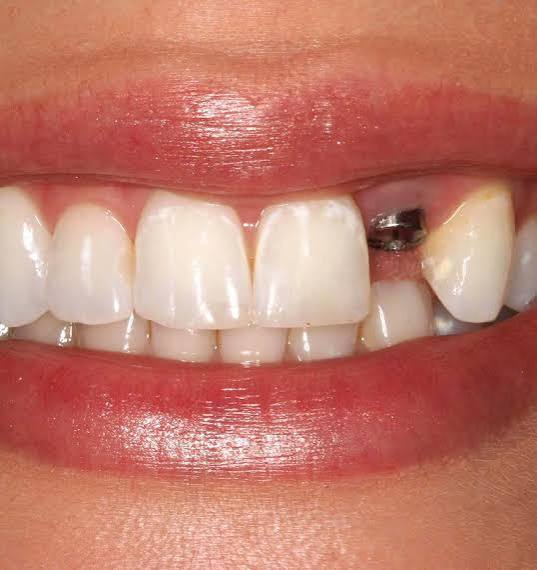


The simplest answer to what osseointegration is: it is the formation of a direct, structural and functional connection between the implant surface and living jawbone. Thanks to this fusion, a dental implant can transfer chewing forces to the bone in a way similar to a natural tooth root. Osseointegration is not something completed in a few days; it is a biological healing process that continues over weeks and months. How the process progresses can vary depending on a person’s bone structure, general health and surgical conditions.
Where Does the Concept of Osseointegration Come From?
The term is derived from the Latin words “os” (bone) and “integrare” (to make whole). The concept entered the dental literature in the mid-20th century, when Swedish researcher Per-Ingvar Brånemark and his team observed that titanium could form a firm connection with bone tissue. This observation laid the foundation for the dental implants used today.
The key point in the definition of osseointegration is that there is no layer of soft connective tissue between the implant and the bone at the light microscope level. In other words, the bone is in direct contact with the implant surface. This contact does not occur over the entire implant surface, only over part of it, but it provides enough support for the implant to keep functioning.
How Does the Implant Fuse With the Bone?
The fusion process relies on the natural wound-healing mechanisms of bone. When the site for the implant is prepared, a controlled wound is created in the bone, and the body starts a series of biological events to repair the area.
1. Blood Clot and the Initial Response
Immediately after the implant is placed, the gap between the implant surface and the bone fills with blood and a clot forms. This clot acts as a scaffold that helps the cells and growth factors needed for healing reach the area.
2. New Bone Formation Begins
Over the following days, bone-forming cells (osteoblasts) migrate onto and around the implant surface. These cells produce a young bone tissue called “woven bone”, which initially has an irregular structure. Roughened implant surfaces are designed to make it easier for cells to attach.
3. Bone Maturation and Remodeling
Over time, the young bone tissue is replaced by mature bone, which is more organized and more resilient. Bone-resorbing cells (osteoclasts) and bone-forming cells work together to remodel the bone. During this stage, the implant’s support within the bone gradually increases.
The Difference Between Primary and Secondary Stability
Implant treatment involves two different concepts of stability. Understanding the balance between them explains why the fusion process requires patience.
- Primary (mechanical) stability: The hold achieved when the implant sits firmly in the bone at the moment of placement. Bone density, implant shape and surgical technique affect this stability.
- Secondary (biological) stability: The hold gained over time through new bone formation and maturation. It is the true indicator of osseointegration.
In the first weeks of healing, mechanical stability may decrease somewhat while the bone is remodeling, and biological stability may not yet be fully developed. In the literature, this period is referred to as the “stability dip”. For this reason, the dentist carefully plans when and to what extent the implant will be loaded. Exposing the implant to excessive force in the early period can negatively affect fusion.
How Long Does Osseointegration Take?
The time needed for fusion can vary from person to person. Because bone in the lower jaw is generally denser, the process may take less time there than in the upper jaw, where the bone is more porous. In general, a healing period of a few months is described, but this can be longer in areas where bone grafting was performed or where bone quality is low.
The dentist follows the healing process through clinical examination and, when needed, radiographic assessment. Some clinics may also use devices that measure implant stability. The decision to move on to the prosthetic stage is made based on the results of these assessments. For points to keep in mind in the early period after surgery, see our article on healing after dental implant surgery.
The progress of fusion cannot be seen directly from the outside. For this reason, at checkup appointments the dentist assesses together how the gum around the implant is healing, whether there is pain, swelling or signs of inflammation in the area and, when needed, how the bone around the implant looks on an X-ray. Prolonged pain, discharge from around the implant or a feeling of movement where the implant sits during the healing period are situations the patient should report to the dentist without waiting for the checkup date. Even after the prosthesis is fitted, the bone continues to remodel as it adapts to chewing forces. For this reason, osseointegration can be seen not as a stage that ends once the prosthesis is fitted, but as a balance that needs to be maintained for as long as the implant stays in the mouth. Regular oral hygiene and periodic checkups help maintain this balance.
Factors That Affect Fusion
Healthy progression of osseointegration depends on several factors coming together. Some of these factors relate to the patient, while others relate to the surgery and the characteristics of the implant.
Patient-Related Factors
- Bone quantity and density
- Smoking and use of tobacco products
- Systemic conditions such as uncontrolled diabetes
- Certain medications that affect bone metabolism (for example, some osteoporosis medications)
- A history of radiotherapy to the head and neck region
- Oral hygiene and following recommendations during the healing period
Surgical and Implant-Related Factors
Avoiding overheating of the bone while preparing the implant site, placing the implant at an appropriate position and angle, the implant’s surface characteristics and not overloading the implant in the early period are the main elements that affect the fusion process. Where bone volume is insufficient, supporting the area with bone grafts and membranes may be considered.
The Patient’s Role During the Fusion Period
Osseointegration relies largely on the body’s own healing capacity, but the patient’s habits can directly affect the process. Following the dietary advice given by your dentist, avoiding chewing hard foods on the implant side, taking prescribed medications as directed and keeping up with oral hygiene are the basic steps during this period. For people who smoke, taking a break from smoking during healing can help reduce factors that negatively affect blood circulation and tissue healing. You can find detailed information on this topic in our article on smoking and dental implant treatment.
Frequently Asked Questions
What happens if osseointegration does not occur?
If fusion does not occur to a sufficient degree, the implant may remain mobile and may need to be removed. In this case, the dentist evaluates the cause, and a new implant may be planned once the area has healed.
Do you feel pain during the fusion process?
Mild tenderness and swelling may occur in the first days after surgery. Osseointegration itself is generally not something you feel; if pain persists or increases, you should see your dentist.
Do zirconia implants also fuse with bone?
Zirconia implants are also known to be able to fuse with bone. Which material is chosen is assessed by the dentist based on factors such as bone structure, the area involved and the prosthetic plan.
Note: This article is for general information purposes only. Whether treatment is needed and which method is appropriate are determined individually by your dentist after an examination and any necessary tests.