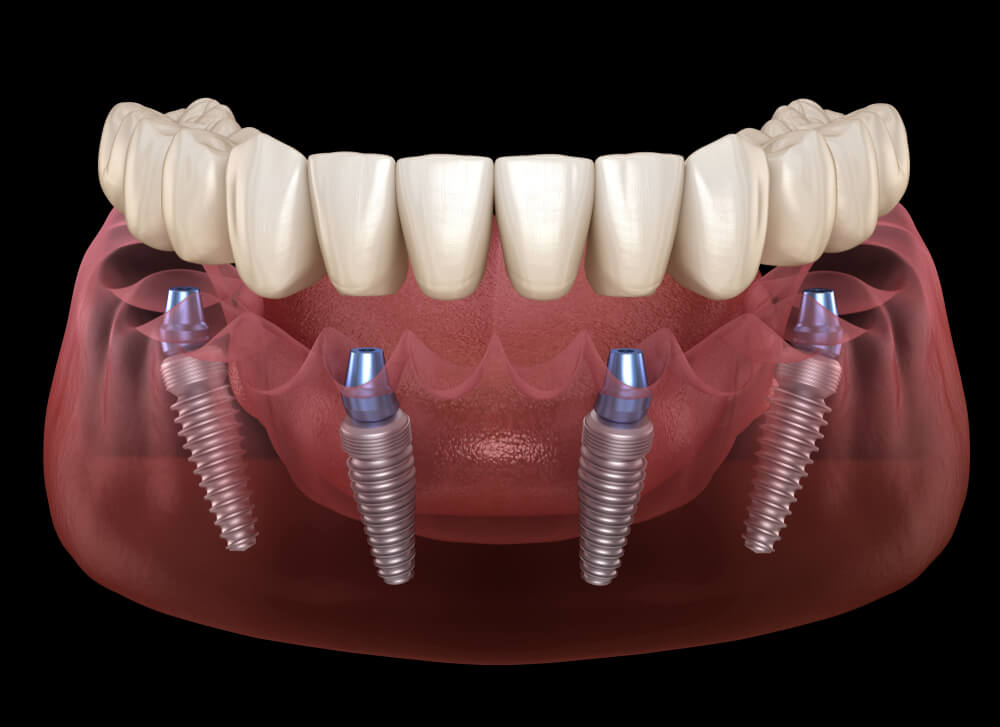


The answer to what peri-implantitis is can be summarized as follows: it is an inflammatory condition that develops in the gum and bone tissue surrounding a dental implant as a result of bacterial plaque, and it can lead to loss of the bone that supports the implant. If inflammation that initially affects only the gum (peri-implant mucositis) goes unnoticed and is not brought under control, it can spread to the bone. Because it may not cause noticeable pain in the early stages, knowing the symptoms and attending regular checkups play an important role in preventing this condition and assessing it early.
The Difference Between Peri-implant Mucositis and Peri-implantitis
Inflammatory diseases around implants are usually considered in two stages. This distinction directly affects both the treatment approach and the expected outcome.
- Peri-implant mucositis: The inflammation is limited to the soft tissue around the implant. There is no bone loss. Redness and swelling of the gum and bleeding during probing or brushing may occur. It is generally considered reversible with professional cleaning and improved oral hygiene.
- Peri-implantitis: The inflammation has spread to the bone supporting the implant. A reduction in bone level is seen on radiographic examination. Lost bone is not expected to grow back on its own; the aim of treatment is to stop the progression and preserve the tissues as much as possible.
The relationship between gum inflammation (gingivitis) and periodontitis in natural teeth can be compared to these two conditions. However, because the connective tissue and blood vessel structure around an implant differ from those of a natural tooth, inflammation may in some cases progress more readily.
What Are the Symptoms of Peri-implantitis?
Peri-implantitis often begins insidiously. The patient may not notice any symptoms for a long time. If you notice one or more of the following symptoms, it is advisable to see your dentist:
- Redness, swelling or tenderness of the gum around the implant
- Bleeding when brushing or flossing
- Pus coming from around the implant
- A bad taste in the mouth or recurring bad breath
- Gum recession with the metal surface of the implant becoming visible
- In advanced cases, a feeling that the implant is moving
A loose implant can generally indicate that bone loss has reached an advanced stage. For this reason, noticing symptoms early makes it more likely that results can be achieved with more limited procedures.
What Causes Peri-implantitis? Risk Factors
The main cause of peri-implantitis is bacterial plaque that builds up on and around the implant surface. However, certain factors can intensify the tissues’ response to this plaque and increase the risk of disease.
Patient-Related Risk Factors
A history of periodontitis (advanced gum disease) is one of the most frequently highlighted risk factors. Poor oral hygiene, not attending regular checkups, smoking and uncontrolled diabetes can also increase the risk. We discuss the relationship between diabetes and implant treatment in detail in our article on diabetes and dental implant treatment.
Prosthesis and Position-Related Factors
An implant prosthesis with a design that is hard to clean, cement remnants left below the gum with cemented crowns, an implant placed in an unsuitable position and a lack of sufficient attached gum around the implant can also make plaque buildup easier. The role of teeth clenching and excessive chewing forces is still being studied.
Skipping Checkups
Not attending checkups for a long time after the prosthesis is fitted can cause early symptoms to be missed. Inflammation detected at the peri-implant mucositis stage can usually be managed with more limited procedures, whereas once bone loss has begun, treatment can become more extensive. For this reason, it is recommended that your dentist sets the checkup interval according to your individual risk and that you follow this schedule. Particularly for people with a history of gum disease, more frequent checkups may be considered. At checkups, not only the implant but also the gum condition of the natural teeth is assessed, because inflammation around natural teeth can also be a source of bacteria for the tissues around the implant.
How Is Peri-implantitis Diagnosed?
The diagnosis is made by interpreting clinical examination and radiographic assessment together. The dentist measures the pocket depth around the implant with a special probe and checks for bleeding and inflammation. Bone levels on the X-rays taken are then compared with the initial records made after the implant was placed. For this reason, the baseline X-ray taken after the prosthesis is fitted is considered a valuable reference for future follow-up.
During diagnosis, the dentist also evaluates the patient’s general medical history, smoking, oral hygiene habits and the design of the prosthesis. If a design that makes the prosthesis hard to clean or cement remnants below the gum are found, removing these factors may be among the first steps of treatment. In this way, the causes contributing to the inflammation are also addressed.
Treatment Approaches
The treatment plan is determined according to the stage of the disease and the pattern of bone loss. A step-by-step approach is usually followed:
- Non-surgical treatment: Removing plaque and tartar with instruments that do not damage the implant surface, antiseptic applications when needed and oral hygiene instruction.
- Re-evaluation: The response of the tissues is checked after a few weeks.
- Surgical treatment: If inflammation persists, the gum can be opened to clean the implant surface. Depending on the shape of the bone defect, regenerative methods using graft materials may be considered in some cases.
- Supportive care: A program of regular checkups and professional cleaning is maintained after treatment.
In cases of advanced bone loss where the implant has become mobile, the implant may need to be removed. This decision is made based on the assessment of the dentist and, when necessary, a periodontist. For information on the treatment of the gums and tissues around implants, you can visit our periodontology page.
How Can Peri-implantitis Be Prevented?
The foundation of preventing peri-implantitis is maintaining oral health both prior to implant treatment and once it is complete. It is recommended that existing gum disease is treated before implant placement and that a regular care program is followed after treatment.
- Cleaning around the implant at least twice a day with a soft brush
- Using aids such as interdental brushes, implant floss or a water flosser as recommended by your dentist
- Keeping up with checkup appointments
- Quitting smoking
- Regularly monitoring systemic conditions such as diabetes
- Taking early symptoms such as bleeding and swelling seriously
Oral hygiene care programs, designed to complement home care with professional support, can help with plaque control in people who have implants.
Frequently Asked Questions
Is peri-implantitis contagious?
Peri-implantitis is not considered a contagious disease in the classic sense. However, the bacterial load in the mouth and gum disease around natural teeth can also affect the tissues around the implant.
What happens if peri-implantitis is not treated?
As the inflammation progresses, loss of the bone supporting the implant can increase. In advanced stages, the implant may become mobile and may need to be removed.
Can a new implant be placed in an area affected by peri-implantitis?
Once the inflammation in the area has been resolved and the tissues have healed, placing a new implant can be considered. Depending on bone volume, grafting may be needed first; the decision is made after an examination and tests.
Note: This article is for general information purposes only. Whether treatment is needed and which method is appropriate are determined individually by your dentist after an examination and any necessary tests.