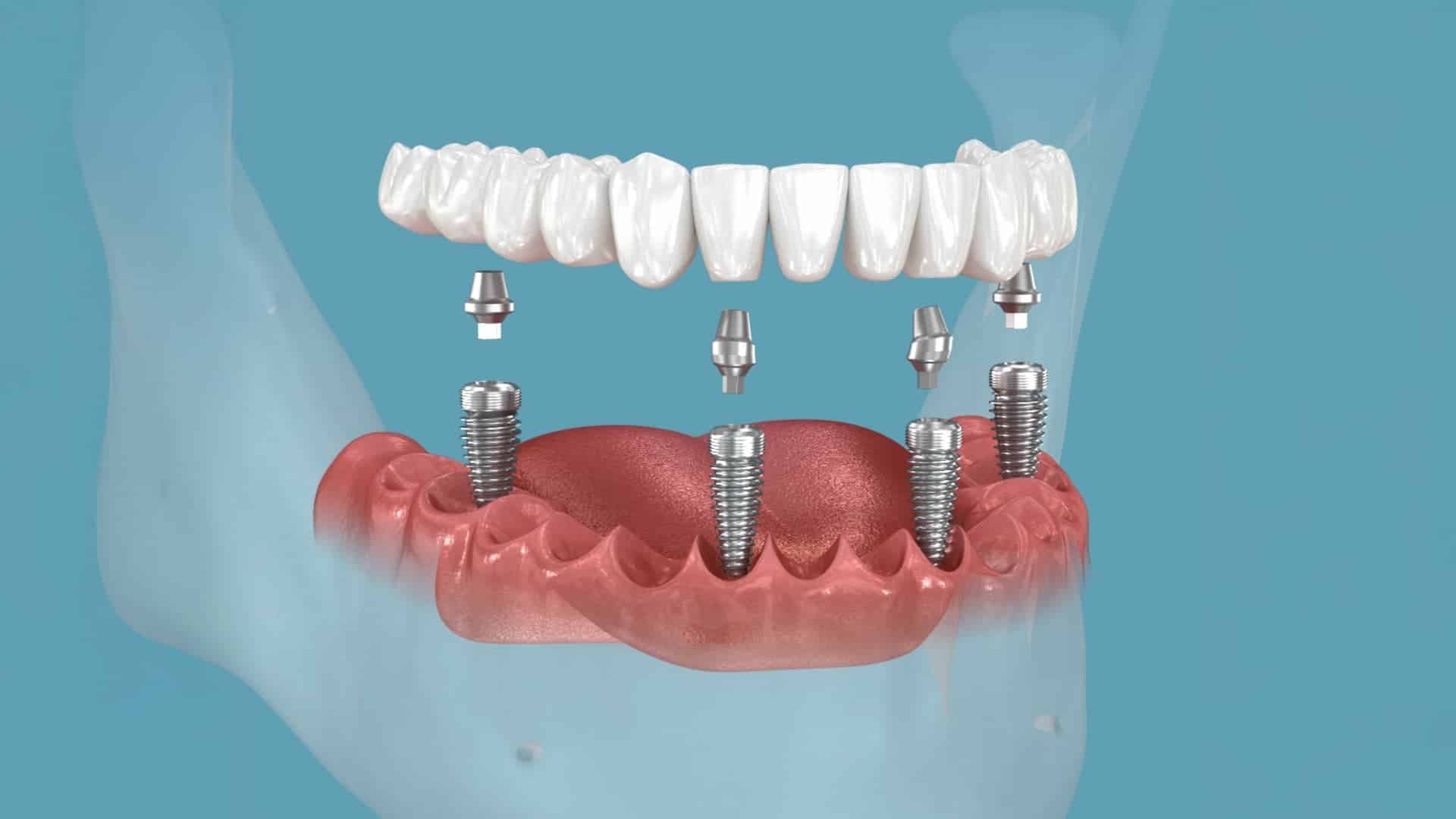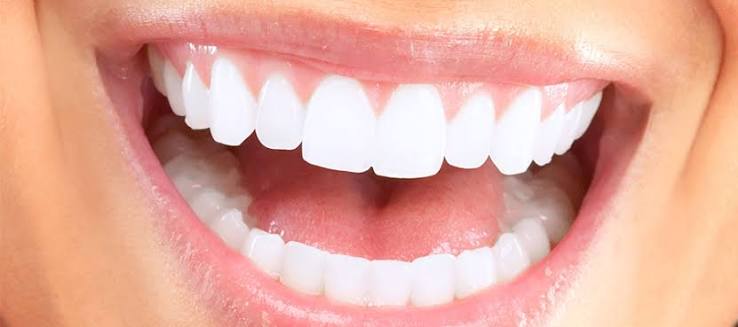


Because a front tooth implant directly affects the appearance of your smile as well as chewing function, it requires more detailed planning than implants in the back of the mouth. In short, implant planning in the aesthetic zone focuses not only on the amount of bone but also, all together, on the structure of the gums, the smile line, harmony with the neighboring teeth and the three-dimensional position of the implant. The dentist carries out these assessments using an examination, a CBCT scan and digital records to create an individual treatment plan.
Why Is the Front of the Mouth Called the “Aesthetic Zone”?
In dentistry, the area of teeth and gums visible when smiling is defined as the “aesthetic zone”. In the upper jaw, this area usually includes the incisors and canines, and in some people the premolars as well. For an implant restoration on a front tooth, the assessment criteria are not limited to the implant fusing with the bone; it also matters that the crown matches the neighboring teeth in color, shape and size and that the gum forms a contour in harmony with the surrounding tissues.
The bone wall in the front of the mouth is often thin. In particular, the layer of bone on the lip side can become markedly thinner over time after a tooth is extracted, and the gum can recede as a result. For this reason, planning in the front of the mouth often begins before the tooth is extracted.
Factors Assessed When Planning a Front Tooth Implant
Before implant treatment in the aesthetic zone, the dentist considers several factors together:
- Smile line: How much gum shows when you smile is determined. With a smile that shows a lot of gum, the gum contour becomes even more important.
- Gum biotype: A thin, delicate gum type may be more prone to recession than a thick gum type. This may call for additional soft tissue procedures.
- Bone volume and the bone wall on the lip side: Having bone of sufficient width and height is important for supporting the tissues around the implant.
- Condition of the neighboring teeth: The bone level of the neighboring teeth affects the formation of the gum triangles between the teeth (papillae).
- Bite and jaw relationship: The forces acting on the front teeth and the way the teeth fit together are assessed.
- The patient’s expectations: Expectations regarding color, shape and overall smile harmony are discussed at the start of planning.
Digital Planning and Three-Dimensional Imaging
In the front of the mouth, the position of the implant can be affected by millimeter-level differences. Placing the implant too close to the lip can lead to thinning and recession of the gum, while placing it too deep or too shallow can negatively affect the harmony between the crown and the gum. For this reason, three-dimensional imaging is one of the fundamental tools of planning in the aesthetic zone.
With CBCT 3D dental imaging, the width and height of the bone and the thickness of the bone wall on the lip side can be examined in detail. When digital impressions taken with intraoral scanners are combined with CBCT data, the position of the implant can be determined according to the shape of the planned crown. This approach is called “prosthetically driven planning”: the ideal tooth is designed first, and the implant is then positioned to support that tooth.
Procedures to Support Bone and Gum
When bone or gum volume in the front of the mouth is insufficient, certain supporting procedures can be planned before or together with the implant.
Bone Grafting
Where the bone wall on the lip side is thin or missing, supporting the area with bone grafts and membranes may be considered. This procedure aims to provide sufficient bone thickness around the implant and to support the gum. For detailed information, you can visit our bone grafts and membranes page.
Soft Tissue (Gum) Grafting
For people with a thin gum type, increasing gum thickness with connective tissue taken from the palate or with suitable materials may be planned. Gum thickness can help preserve the tissues around the implant in the long term. For information on procedures related to gum contour, see our gum aesthetics page.
The Temporary Crown and Shaping the Gum
In the aesthetic zone, a temporary crown is used not only to fill the gap but also to shape the gum. During healing, the part of the temporary crown below the gum is gradually adjusted, with the aim of giving the gum around the implant a contour similar to that of a natural tooth. Once the gum reaches the desired shape, this shape is transferred to the final crown using a digital or conventional impression.
For front teeth, light transmission and color matching are usually taken into account when choosing the crown material. Zirconia abutments and ceramic crowns are frequently preferred to reduce the metal color showing through thin gums. The color of the crown is chosen to match the neighboring natural teeth, and if necessary, the shade selection is checked under different lighting conditions.
Follow-up of the tissues in the aesthetic zone continues after the final crown is fitted. Because the gum and bone levels can show small changes over time, the gum margin around the implant, the fullness of the papillae between the teeth and the crown’s harmony with the neighboring teeth are assessed at regular checkups. Because neighboring natural teeth can change color or wear over time, replacing the crown may be considered in later years. Keeping the gum around the implant healthy also plays an important role in maintaining its appearance. For this reason, the area around a front implant crown should be cleaned carefully with a soft brush and the interdental cleaning aids recommended by your dentist.
Implant at the Time of Extraction or After Healing?
Placing an implant in the front of the mouth at the same appointment as the extraction can be considered when certain conditions are met. These include the bone wall on the lip side being intact and sufficiently thick, the absence of active infection in the area and the ability to place the implant with sufficient primary stability. When these conditions cannot be met, the extraction site can be allowed to heal and the implant planned at a later stage. Which approach is appropriate is determined by the dentist after a CBCT scan and a clinical examination.
Frequently Asked Questions
Will a front tooth implant be noticeable?
When planning, gum harmony and crown design are handled carefully, the aim is for the implant crown to look in harmony with the neighboring teeth. The result can vary depending on personal factors such as bone, gum structure and the smile line.
Will I be left without a front tooth during implant treatment?
A temporary solution is usually planned for the front of the mouth. This may be a fixed temporary crown, a temporary tooth bonded to the neighboring teeth or a removable temporary prosthesis.
Can the gum recede around a front tooth implant?
A thin gum and bone structure can increase the likelihood of recession. This risk is assessed during planning and, if necessary, procedures that provide gum or bone support are recommended.
Note: This article is for general information purposes only. Whether treatment is needed and which method is appropriate are determined individually by your dentist after an examination and any necessary tests.