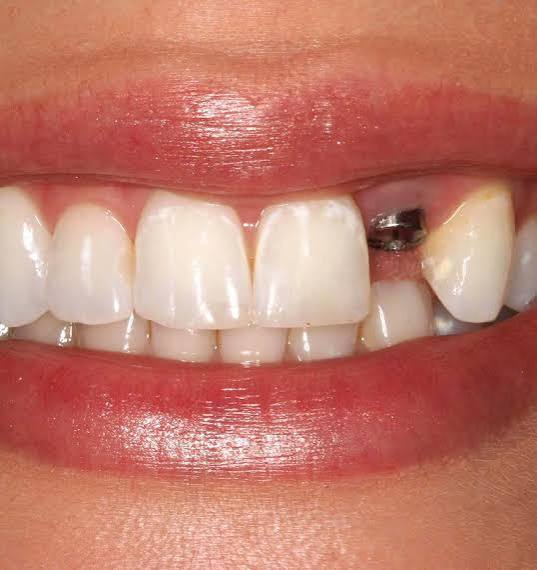


Whether dental implants prevent an MRI scan is a question often asked by people planning implant treatment or who already have implants. According to generally accepted information, dental implants usually do not prevent an MRI scan, because they are mostly made of titanium or zirconia, which do not show magnetic properties. However, if the implant is close to the area being scanned, it can cause distortion in the image, and some prosthetic components, particularly magnetic attachments, may require additional assessment. For this reason, it is recommended that you inform the radiology team about the implants and prostheses in your mouth before an MRI.
How Does MRI Work and Why Do Metals Matter?
Magnetic resonance imaging (MRI) uses a strong magnetic field and radio waves to create detailed images of the body’s internal structures. Unlike X-rays and CT scans, it does not use ionizing radiation. Because of this strong magnetic field, metal objects in the body are always asked about before an MRI.
The effects metals can have during an MRI are generally considered under three headings:
- Attraction and movement: Ferromagnetic metals such as iron can be affected by the magnetic field and shift position.
- Heating: Some metal structures can heat up under the influence of radio waves.
- Image distortion (artifact): Metal can cause distortion, shadowing or a blank appearance in the image of the surrounding area.
Can You Have an MRI With Dental Implants? Assessment by Material
Dental implant bodies are mostly made from pure titanium or titanium alloys, and some from zirconia. Titanium is a non-ferromagnetic metal, meaning it is not noticeably attracted by a magnetic field. Zirconia is a non-metallic ceramic material. For this reason, the implant body is not expected to shift during an MRI.
Studies on heating show that the temperature rise in dental implants in clinically used MRI machines is generally limited. Still, because the strength and scanning protocol of each MRI machine can differ, it is important for the radiology team to know about your implants. Implants of this kind are generally described as MRI compatible or MR conditional, depending on the manufacturer’s information.
Implant Prostheses and Other Components
It is not only the implant body that needs to be assessed. The abutments, crowns and prosthetic attachments on the implant can be made from different materials:
- Zirconia and all-ceramic crowns generally do not noticeably affect the MRI image.
- The alloys used in porcelain-fused-to-metal crowns can cause varying degrees of image distortion.
- In removable prostheses supported by magnetic attachments, the metal part attached to the implant (the keeper) can affect the MRI image, while the magnet itself can be affected by the magnetic field and lose its strength.
- Removable prostheses are among the items you are usually asked to take out before the scan.
For information on the different types of prostheses, you can visit our implant-supported prostheses page.
Do Dental Implants Affect MRI Images?
Implants and prostheses containing metal can create artifacts, especially when nearby areas are imaged. This effect can be more pronounced in head and neck examinations such as the brain, the area around the eyes, the sinuses, the jaw joint, the tongue and the neck. Dental implants are generally not expected to affect the image in MRI scans of distant areas such as the knee, lower back or abdomen.
The size of the artifact can vary depending on the implant material, the number of implants, the type of prosthesis on them and the MRI sequences used. When necessary, the radiology team can use special scanning protocols designed to reduce metal artifacts. For this reason, informing the team before the scan also matters for image quality.
The imaging methods used in implant planning are a separate topic; cone beam computed tomography (CBCT) is generally preferred to examine the bone before an implant. We cover this topic in our article on why CBCT matters in implant treatment.
What Should You Do Before an MRI?
Following these steps can help the process go smoothly for a patient with implants who is having an MRI scan:
- List your dental implants and prostheses on the screening form you fill in before the MRI.
- If possible, obtain information about the implant brand and prosthesis material from your dentist; some clinics can provide an implant card or treatment summary.
- If you wear a removable prosthesis, ask the technician whether you need to take it out before the scan.
- If you have a prosthesis with magnetic attachments, be sure to mention it specifically.
- If you feel warmth or any unusual sensation in your mouth during the scan, tell the technician immediately.
Some other structures used in dentistry may also be asked about before an MRI. Metal brackets and wires used in orthodontic treatment, fixed retainer wires bonded to the back of the teeth and some older types of metal fillings can affect the image, especially in head and neck imaging. If you have such structures in your mouth in addition to implants, listing all of them on the screening form makes the radiology team’s assessment easier. When necessary, the radiologist and the dentist can communicate to decide together whether any part needs to be temporarily removed before the scan.
Airport Security Checks and Dental Implants
Another question from people with implants who travel is whether airport metal detectors will detect their implants. Dental implants are small, sit inside the jawbone and are mostly non-ferromagnetic. Because of these characteristics, airport metal detectors are generally not expected to raise an alarm because of dental implants.
Full-body scanners focus mainly on objects on the surface of the body; implants inside the jawbone generally do not cause a problem with these devices either. In most cases, there is no need to carry a special document for dental implants when traveling. However, people with large metal implants, such as hip or knee replacements, may have a different experience at detectors; in such cases, a note from the relevant physician can be useful.
Before traveling, it can also be helpful to consider which stage of implant treatment you are at. If you are planning a flight in the first days after surgery, it is advisable to discuss issues such as stitch checks and possible swelling with your dentist in advance. Recommendations on flight timing may differ, particularly after procedures involving the sinus area.
Should These Topics Be Discussed When Planning Implants?
People with a health condition that requires regular MRI follow-up can share this information with their dentist during implant planning. In this case, the choice of implant and prosthesis material can be evaluated with future imaging needs in mind. In dental implant treatment, the choice of material is based on the person’s general medical history and oral structure.
Frequently Asked Questions
Do zirconia implants affect MRI images?
Because zirconia is a non-metallic material, it generally causes fewer artifacts on MRI images. Still, it is recommended that the radiology team is informed before the scan.
Can you have an MRI right after getting an implant?
Because dental implants generally do not prevent an MRI scan, a scan can also be performed during the healing period. However, for head and neck examinations, the opinion of the radiologist and the dentist can be sought regarding effects on the image.
Do you need to show a document for implants at airport security?
In most cases, no special document is needed for dental implants. If you have large metal implants elsewhere in your body, getting a note from the relevant physician can make things easier.
Note: This article is for general information purposes only. Whether treatment is needed and which method is appropriate are determined individually by your dentist after an examination and any necessary tests.