

An implant crown is the prosthesis attached to an implant placed in the jawbone, forming the part of the tooth that is visible in the mouth. Today, the materials most commonly used for implant crowns include zirconia, glass ceramics such as lithium disilicate (e.max) and porcelain fused to metal. Which material is chosen is determined by the dentist based on the crown’s position in the mouth, chewing forces, gum structure, the color of the neighboring teeth and the person’s aesthetic expectations. No single material may suit every situation; the choice is made through an individual assessment.
What Parts Make Up an Implant Crown?
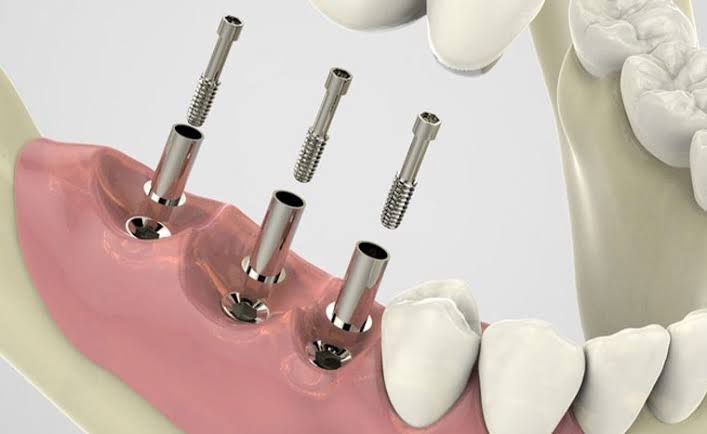
An implant restoration usually consists of three parts. The choice of material matters not only for the visible crown but also for the other components:
- Implant body: The part placed inside the jawbone that acts as the root.
- Abutment: The connecting piece between the implant and the crown. It can be made of titanium, zirconia or ceramic combined with a titanium base.
- Crown: The visible part of the tooth in the mouth that forms the chewing surface.
The crown can be attached by cementing it to the abutment or by screwing it directly onto the implant. We discuss the differences between these two methods in detail in our article on cemented and screw-retained implant prostheses.
Zirconia Implant Crowns
Zirconia (zirconium oxide) is a ceramic material frequently chosen for implant crowns because of its high durability and white color. Because it contains no metal, it does not create a dark color showing through thin gums, and it is considered a material that is compatible with the tissues.
Monolithic Zirconia
It is milled from a single block of zirconia and has no separate porcelain layer over it. Because of its high resistance to fracture, it is often considered especially for back teeth and for people who clench their teeth. Newer translucent zirconias aim to provide more aesthetically harmonious options for front teeth as well.
Porcelain-Layered Zirconia
It is made by applying porcelain in layers over a zirconia framework. It can provide aesthetic advantages in the front of the mouth in terms of light transmission and color gradation. However, small fractures (chipping) can occur in the outer porcelain layer, so the bite and chewing forces are carefully assessed.
For general information on zirconia restorations, you can visit our zirconia crowns page.
Other Implant Crown Materials
Lithium Disilicate (e.max) Crowns
Lithium disilicate is a glass ceramic with high light transmission. Because its optical properties resemble natural tooth enamel, it may be considered particularly for front teeth when aesthetic expectations are high. On implants, it is usually bonded to a titanium base. Because it is less durable than zirconia, it requires careful planning for back teeth and in cases with heavy chewing forces. You can find a comparison of these two materials in our article on zirconia versus lithium disilicate.
Porcelain-Fused-to-Metal Crowns
In these crowns, which have been used for many years, a metal alloy framework is covered with porcelain. They are a durable option that has been followed clinically for a long time. However, their light transmission is lower than that of all-ceramic crowns, and with a thin gum type a gray appearance may form at the crown margin. For this reason, all-ceramic options are now more often preferred, especially for front teeth.
Hybrid Ceramics and Composite-Based Materials
These materials, which combine properties of ceramics and polymers, are considered in some cases because they can absorb chewing forces to some extent. However, they can behave differently from ceramics in terms of wear and discoloration. They are generally used for temporary crowns or in specific indications.
The Effect of the Abutment Material
The abutment under the crown can also affect appearance and durability. Titanium abutments provide high durability but can create a gray reflection under thin gums. Zirconia abutments may be preferred, especially in the front of the mouth, to help with color matching. Abutments that combine ceramic with a titanium base aim to bring these two properties together.
Factors That Affect the Choice of Implant Crown
When deciding on the implant crown material, the dentist considers several factors together:
- Position of the crown: Light transmission and color matching may take priority in the front of the mouth, while durability may take priority in the back.
- Chewing forces and bruxism: Clenching or grinding may point toward more resistant materials.
- Gum thickness: With thin gums, abutments and crowns without metal can help reduce color show-through.
- Teeth in the opposite jaw: Surface polish and material compatibility are assessed so that the crown material does not cause wear on the opposing teeth.
- Color and structure of the neighboring teeth: Harmony with the neighboring natural teeth is important, especially in single-tooth restorations.
- Ease of maintenance and repair: The choice between a screw-retained or cemented connection can affect any maintenance that may be needed in the future.
Multi-Tooth and Full-Arch Restorations
For bridges using several implants together and for full-arch restorations, the choice of material may require different considerations. For full-arch fixed prostheses, options include monolithic zirconia and hybrid structures in which ceramic or acrylic teeth are placed on a titanium framework. Acrylic-based hybrid prostheses are easier to repair but can show wear and discoloration over time; zirconia-based structures are more resistant to wear, although their repair options differ. It is important that such prostheses have a design that can be cleaned, to protect the tissues around the implants. More information on the different types of prostheses can be discussed with your dentist during an examination.
How Is an Implant Crown Made?
Once it is confirmed that the implant has fused with the bone, the crown-making stage begins. The position of the implant is recorded with a digital impression using an intraoral scanner or with conventional impression materials. Based on these records, the abutment and crown are designed; when needed, a try-in is carried out, and after the bite is checked and adjusted, the crown is fixed in place. The color of the crown can be checked under different lighting conditions to match the neighboring teeth. After the crown is fitted, regular checkups help detect screw loosening, wear or bite changes early.
Frequently Asked Questions
Can an implant crown be replaced?
Yes, an implant crown can be replaced when necessary. Screw-retained crowns in particular can be removed without damaging the implant so that they can be repaired or renewed.
Does a zirconia crown on an implant change color?
Zirconia and ceramic materials generally have high color stability. However, regular cleaning and checkups are recommended for plaque and stains that build up on the surface.
Does an implant crown feel different from a natural tooth?
Because implants do not have the connective tissue found around natural teeth, the sense of pressure when chewing may be slightly different. Most people get used to this over time.
Note: This article is for general information purposes only. Whether treatment is needed and which method is appropriate are determined individually by your dentist after an examination and any necessary tests.