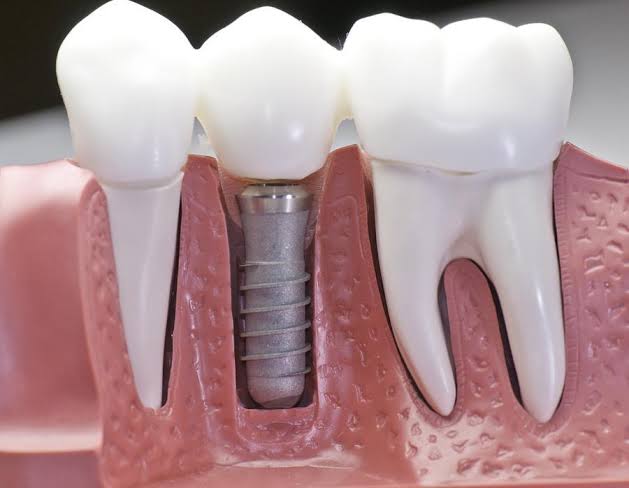


A dental implant consultation is the first step, where your dentist assesses whether implant treatment is suitable for a missing tooth and the treatment plan begins to take shape. Going to this appointment prepared and asking the right questions helps you understand the stages of treatment, the timelines involved and the requirements specific to you. Below you will find 10 key questions you can ask your dentist during the consultation and why each of them matters.
Writing your questions down and bringing them with you can help make sure nothing is forgotten during the appointment. It is also useful to bring a list of the medications you take and any previous X-rays or scans you have.
Preparing for Your Dental Implant Consultation
Gathering some information in advance makes it easier to get the most out of the consultation. Your dentist cannot plan treatment properly without knowing your medical history. As you prepare, you can pay attention to the following:
- Write down the names and doses of all the medications you take
- List any chronic conditions you have and any operations you have had
- Bring any previous dental X-rays or scans you have
- Try to remember when and why you lost the tooth
- Write down what you expect from treatment and anything that concerns you
If you would like to know what is assessed at the first appointment, you can also look at our initial consultation page.
Questions About Suitability and Planning
1. Is my oral and general health suitable for an implant?
This question forms the basis of the whole process. Your dentist assesses your gum health, the condition of your existing teeth, any systemic conditions and the medications you take together. Many chronic conditions that are well controlled may not prevent implant treatment, but in some cases extra precautions or a consultation with the relevant doctor may be needed.
2. Do I have enough bone for an implant?
For an implant to be placed, the jawbone needs to have a certain width and height. After a tooth is lost, the bone may shrink over time. The dentist usually assesses bone volume with three-dimensional imaging and explains bone grafting options if needed.
3. Which imaging methods will be used?
A panoramic X-ray gives a general overview, while cone beam computed tomography (CBCT) shows the bone in three dimensions. Asking which imaging is needed and how it will contribute to planning helps you understand the reasoning behind the process.
4. How many stages will treatment involve and how long might it take overall?
Implant treatment usually consists of a surgical stage, a healing period and a prosthetic stage. The timeline varies from person to person depending on whether bone grafting is needed, how healing progresses and the type of prosthesis chosen. You can ask your dentist for general information about a timeline specific to you.
Questions About Surgery and Healing
5. What might I feel during and after the procedure?
Implant surgery is usually performed under local anaesthesia. After the procedure, mild swelling, tenderness or bruising may occur; these symptoms usually ease within a few days. Your dentist will explain which medications and measures you can use during this period.
6. Can I have a temporary tooth during treatment?
Especially for gaps at the front of the mouth, temporary solutions can be used during the healing period to support appearance. Temporary tooth options are planned according to the position of the implant and the needs of the healing process.
7. What should I pay attention to during healing?
Learning the guidelines on eating, oral care, smoking and physical activity can have a positive effect on healing. You can find general recommendations for this period in our article on healing after implant surgery.
Questions About the Prosthesis, Care and Long-Term Follow-Up
8. What type of prosthesis will be placed on the implant?
A single crown, a bridge, a fixed full-arch prosthesis or a removable denture can be placed on implants. Asking whether the prosthesis will be screw-retained or cemented, which material it will be made from and how it should be cleaned helps you understand how it will affect your daily life.
9. How should I clean my implant at home?
The health of the tissues around an implant depends largely on daily care. You can ask which tools, such as a toothbrush, interdental brushes, dental floss or a water flosser, are suitable for you. Recommended cleaning methods may differ depending on the design of the prosthesis.
10. How often will I need check-ups?
After treatment is completed, regular check-ups are important for monitoring the gum and bone around the implant. Check-up intervals are set individually, based on factors such as smoking, a history of gum disease and general oral hygiene.
Making a Decision After the Consultation
It is important to take your time to consider the plan presented to you at the end of the consultation. Do not hesitate to ask again about terms you do not understand. Finding out whether there are alternative treatment options, and the possible advantages and limitations of each, also makes the decision easier.
An implant is not the only option for every missing tooth; in some cases alternatives such as a bridge or a removable denture may be considered. Your dentist evaluates these options with you based on your oral structure and expectations. For an overview of the treatment, you can read our dental implant treatment page.
It is completely natural for new questions to come to mind after the consultation. Noting them down and asking them at your next appointment helps you begin treatment feeling better informed. Asking for a written summary of the treatment plan can make it easier to review the stages and planned procedures later. If your health changes between the consultation and the start of treatment, for example if you start a new medication or have an operation, it is important to tell your dentist. This is because planning is based on the health information you shared at the consultation.
Frequently Asked Questions
How long does a dental implant consultation take?
The length depends on the assessments involved. When an oral examination, a review of your medical history and the necessary imaging are carried out together, the appointment may take longer. In some cases, a second appointment may be needed for planning.
Is the implant placed at the first appointment?
Usually the first appointment is for assessment and planning. The timing of the surgical stage depends on the imaging results and any preparation needed in the mouth. If there are gum problems or cavities that need treatment first, these are addressed as a priority.
Should I avoid eating before the consultation?
You usually do not need to avoid eating before the examination and imaging. However, if another procedure is planned for the same appointment, your dentist will let you know in advance. Unless told otherwise, you are advised to continue taking your regular medications as usual.
Can I bring a family member or friend to the consultation?
Yes, you can bring someone with you. Especially for more extensive treatment plans, listening to the information and asking questions together can make it easier to reach a decision.
Note: This article is for general information purposes only. Whether treatment is needed and which method is appropriate are determined individually by your dentist after an examination and any necessary tests.