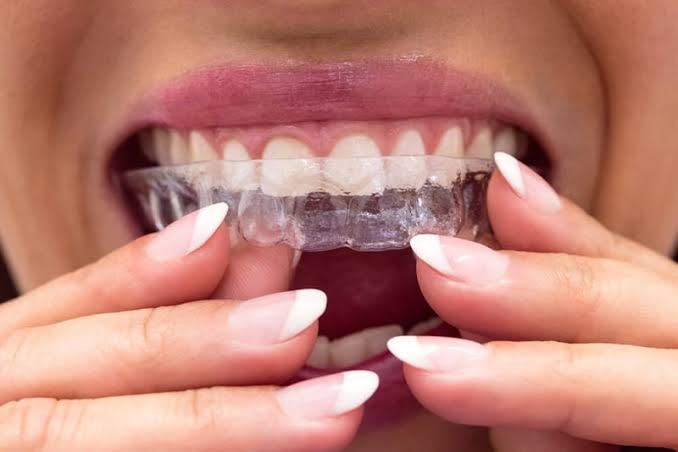


Clear aligners are cleaned by gently brushing them at least twice a day, in the morning and evening, with a soft brush and lukewarm or cold water, and by rinsing them every time they are taken out. Hot water, alcohol-based mouthwash and abrasive toothpaste should not be used, as they can damage the aligner surface. Regular care helps the aligners stay clear and supports good oral hygiene.
Because aligners are in close contact with the teeth throughout the day, bacterial plaque, saliva residue and food particles can easily build up on them. In this article, we look at the steps you can follow in the daily care of clear aligners and the mistakes that are commonly made.
Why Is Cleaning Clear Aligners Important?
Clear aligners cover the surfaces of the teeth. Bacteria that build up on the inside of the aligner are partly shielded from the natural cleansing effect of saliva. Aligners that are not cared for properly can lead to the following problems:
- Bad breath and an unpleasant smell from the aligner
- An increased risk of cavities on tooth surfaces
- Redness, bleeding and inflammation of the gums
- The aligner becoming cloudy, yellowed and more visible
- White, hard deposits (a tartar-like layer) forming on the aligner surface
Cleaning the aligners and cleaning the mouth should not be thought of separately. Putting a clean aligner on unclean teeth, or an unclean aligner on clean teeth, does not provide the hygiene you are aiming for.
Daily Clear Aligner Care Routine
Morning and Evening Cleaning
Aligners should be cleaned at least twice a day, ideally in the morning and evening as part of your tooth-brushing routine. You can clean them with the following steps:
- Take out the aligners and rinse them with lukewarm or cold water.
- Use a soft-bristled toothbrush kept only for the aligners.
- Brush the inside and outside surfaces of the aligner gently, paying particular attention to the tooth recesses and edges.
- For cleaning, you can use a clear, unscented, non-abrasive liquid soap or a special cleaner recommended by your orthodontist.
- Rinse the aligners thoroughly with water and brush your teeth before putting them back in.
Holding the aligner gently in your palm while brushing and not applying too much force helps prevent it from bending or cracking. If you clean it over a sink, laying a towel in the basin is also a practical precaution so the aligner is not damaged if it slips from your hand.
Care During the Day
Aligners should be rinsed every time they are taken out to eat or to drink anything other than water. Before putting them back in, it is recommended to brush your teeth or at least rinse your mouth thoroughly with water. Otherwise, food particles may be trapped between the aligner and the teeth.
For other everyday points to keep in mind when wearing aligners, you can also read our article on what to keep in mind while wearing clear aligners.
Weekly Deep Cleaning
In addition to daily brushing, and in line with your orthodontist’s advice, aligners can be soaked at intervals in cleaning tablets or crystals made for this purpose. The instructions for these products should be followed and the soaking time should not be exceeded. You can ask your orthodontist which product is suitable.
What to Avoid When Cleaning Clear Aligners
Aligners are made from a thin, delicate material. Some common habits can distort their shape, scratch their surface or change their colour. It is advisable to avoid the following:
- Hot or boiling water: The aligner material is sensitive to heat. Washing with hot water or soaking aligners in boiling water can distort their shape so they no longer fit the teeth fully.
- Alcohol-based mouthwash: Mouthwashes containing alcohol can dry out the aligner surface, make it cloudy and affect the structure of the material. Coloured mouthwashes can also stain the aligner.
- Abrasive toothpaste: Whitening and grainy toothpastes in particular can leave fine scratches on the aligner surface. These scratches can make the aligner cloudy and allow bacteria to cling more easily.
- Hard brushes: Hard-bristled brushes can also scratch the surface; a soft-bristled brush should be used.
- Bleach and chemical cleaners: These products can damage the aligner material and irritate the tissues in the mouth.
- Dishwasher: Because of the high heat and detergents, aligners should not be washed in a dishwasher.
- Coloured soaps: Dyed or scented soaps can leave colour and odour on the aligner.
Storing and Carrying Your Aligners
When aligners are not in your mouth, they should always be kept in their own case. Aligners wrapped in a napkin can easily be forgotten or thrown away by mistake. Pets may also be interested in aligners, so they should be stored out of their reach.
Aligners should be kept away from heat. Places such as a car left in the sun or near a radiator can distort the aligner’s shape. Washing the storage case every day with lukewarm water and soap and leaving it to dry also helps reduce bacterial build-up in a damp environment. For the steps to take if an aligner is damaged or lost, you can read our article on what to do if clear aligners break or get lost.
Oral Hygiene and Professional Support
During clear aligner treatment, it is important to brush your teeth at least twice a day with fluoride toothpaste and to clean between your teeth with dental floss or interdental brushes. If attachments have been bonded to your teeth, pay extra attention to the areas around them.
If you have had sugary or acidic food or drinks during the day, it is recommended to rinse your mouth thoroughly with water and, if possible, brush your teeth before putting the aligners back in. While aligners are in, the teeth have less contact with saliva, so any sugar and acid left on the teeth can act on the tooth surface for longer. Keeping a small toothbrush, travel-size toothpaste and an aligner case in your bag makes it easier to keep up this routine when you are out.
Regular dental check-ups during treatment, and professional dental cleaning when needed, help protect oral health. You can find more information on our oral hygiene care page.
Frequently Asked Questions
Can I brush my clear aligners with toothpaste?
Abrasive and whitening toothpastes are not recommended because they can scratch the aligner surface. Instead, a clear, unscented liquid soap or a special cleaner recommended by your orthodontist can be used. It is also important to use a separate soft brush for the aligners.
Why are my aligners turning yellow or cloudy?
Drinking coloured beverages with the aligners in, insufficient cleaning or using abrasive products can cause aligners to turn yellow and cloudy. Taking the aligners out before eating and before coloured drinks, and cleaning them regularly, helps reduce this.
Can I drink anything other than water with my aligners in?
Only plain water is recommended while the aligners are in. Sugary, acidic or coloured drinks can be trapped between the aligner and the teeth, which can increase the risk of cavities and stain the aligners. Hot drinks can also affect the shape of the aligner material.
Is it all right to soak aligners in vinegar and water?
Although diluted vinegar is suggested by some sources, it may not be suitable for every aligner material. It is advisable to ask your orthodontist about home cleaning methods and to follow the aligner manufacturer’s recommendations.
Note: This article is for general information purposes only. Whether treatment is needed and which method is appropriate are determined individually by your dentist after an examination and any necessary tests.