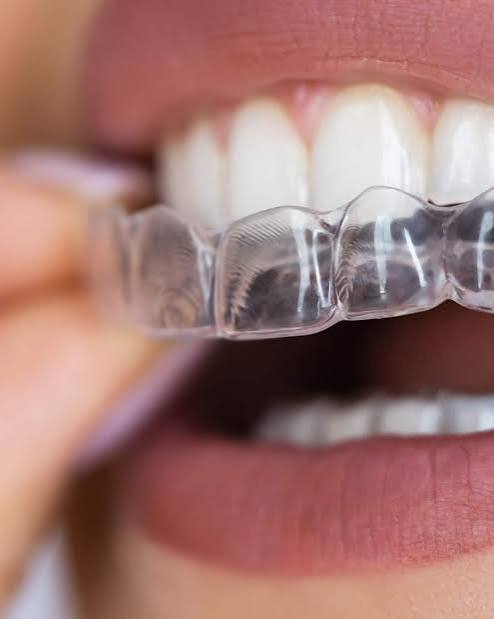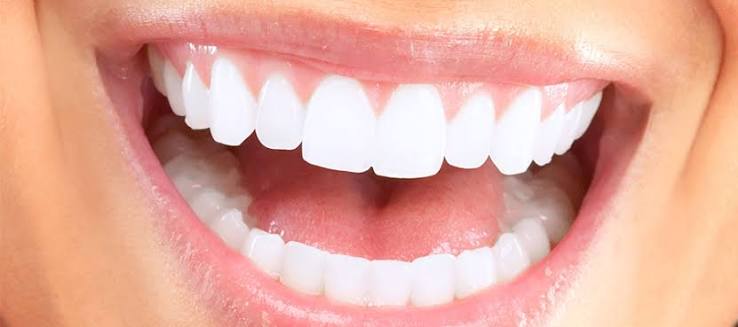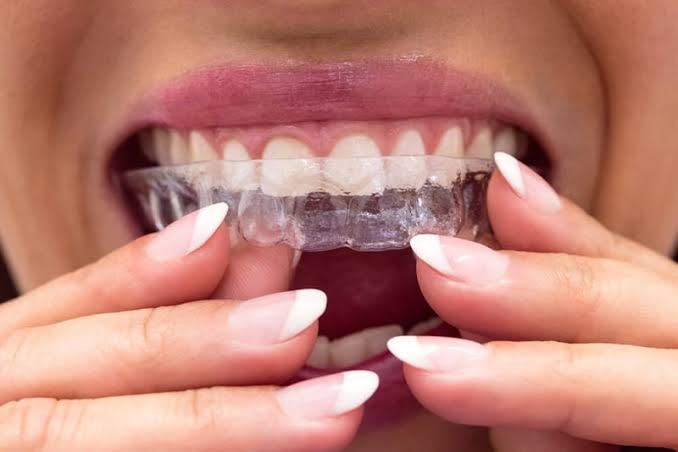


The most common question about clear aligners for diastema is whether gaps between teeth can be closed with aligners. Many gaps between teeth can be addressed in clear aligner treatment by moving the teeth in a controlled way. However, factors such as the cause and size of the gap and the size of the teeth are decisive in choosing the appropriate method; in some cases, additional procedures alongside orthodontic treatment may be needed.
Diastema is most often seen between the two upper front teeth, but it can also occur in other areas of the mouth. In this article, we look at the causes of gaps between teeth, the role of clear aligner treatment in closing them and what to keep in mind after treatment.
What Is Diastema and Why Does It Occur?
Diastema is a space between two teeth that is wider than would normally be expected. It may appear in a single area or as several gaps in different parts of the mouth. More than one factor can play a role in the formation of gaps between teeth:
- Mismatch between tooth and jaw size: Teeth that are small relative to the dental arch can lead to gaps.
- Small or missing teeth: In particular, upper lateral incisors that are small (peg-shaped) or congenitally missing
- Lip tie (frenulum): The tissue connecting the upper lip to the gum extending down between the front teeth
- Tongue habits: The tongue pressing against the front teeth when swallowing
- Gum disease: Teeth gradually fanning out due to loss of supporting tissue
- Tooth loss: Neighbouring teeth shifting when a missing tooth is not replaced with a prosthesis
The cause of the gap directly affects the treatment approach. For this reason, the reason for the gap needs to be identified before treatment is planned.
In childhood, a gap between the upper front teeth during the transition from baby teeth to permanent teeth is common. This gap may narrow on its own as the lateral teeth and canines erupt. In adults, however, gaps are not expected to close on their own; in fact, gaps linked to causes such as gum disease may widen over time. For this reason, it is important for gaps that appear or keep growing in adulthood to be assessed by a dentist.
The examination includes an oral inspection as well as X-rays, gum measurements and an assessment of the position of the lip tie. If needed, the size of the teeth is measured to calculate how the gap relates to tooth size.
How Is Diastema Closed With Clear Aligners?
In clear aligner treatment, each aligner is designed to move the teeth in small steps towards their planned position. When closing a diastema, the teeth are guided into the gap and the space is reduced gradually. Before treatment, a digital impression of the teeth is taken and planning is carried out on a computer.
Planning considers not only closing the gap but also the tilt of the teeth, root positions, the bite relationship and facial aesthetics. For some movements, small composite bumps called attachments may be bonded to the teeth to help the aligners grip them better.
When Can Clear Aligners Be Considered on Their Own?
When tooth size is normal and the gap is due to the position of the teeth, clear aligner treatment can be considered on its own for closing gaps. For example, where gaps are caused by the front teeth tipping forward, moving the teeth back can help close the gaps.
When Might Additional Procedures Be Needed?
When teeth are small, even if a gap is closed orthodontically, a new gap may form elsewhere in the mouth or the teeth may look out of proportion. In such cases, the gaps are redistributed orthodontically and the size of the teeth can then be adjusted with restorative procedures. Methods such as bonding and composite veneers may be considered for this purpose.
Where the lip tie contributes to the gap, a minor surgical procedure (frenectomy) may be considered in addition to orthodontic treatment. For gaps caused by gum disease, gum health needs to be restored first.
Comparing Orthodontic Treatment and Restorative Methods
Gaps between teeth can also be closed with composite or porcelain restorations alone. However, whether these methods are suitable depends on the size of the gap and the position of the teeth. In general, the following distinctions can be made:
- Orthodontic treatment: Moves the teeth themselves and does not require removal of tooth tissue. It may be the preferred approach when there are several gaps or when the position of the teeth also needs correcting.
- Restorative procedures: Close the gap by making the teeth wider. They may be considered for small gaps or small teeth; with large gaps, they can make the teeth look out of proportion.
- Combined approach: The teeth are first moved into a suitable position orthodontically, and final adjustments are then made with restorative procedures.
Which approach is appropriate is determined by a joint assessment by the orthodontist and the dentist. For information on the overall course of clear aligner treatment, see our clear aligner treatment page.
Why Is Retention Important After Treatment?
After a diastema is closed, the teeth may tend to drift apart again. This is because the tissues around the teeth take time to adapt to the new position, and the factors that caused the gap (such as a tongue habit) may continue. For this reason, the retention phase is especially important in diastema treatment.
For retention, thin fixed wires bonded to the back of the teeth or removable retainers worn at night can be used. The orthodontist chooses the appropriate method based on the cause of the gap and the patient’s situation. For more detailed information, see our article on long-term retention after orthodontic treatment.
Oral Hygiene During Diastema Treatment
Cleaning the aligners and teeth regularly throughout treatment is important. As gaps close, the contact points between the teeth change; continuing to use dental floss or interdental brushes during this period helps protect gum health. For gaps caused by gum disease, regular periodontal check-ups are also part of the treatment. Cleaning the aligners at least twice a day, taking them out before eating and before coloured drinks, and brushing your teeth before putting them back in all help protect the health of both teeth and gums. Regular dental check-ups during treatment and professional cleaning when needed should not be neglected either.
Frequently Asked Questions
How long does it take to close a gap between the front teeth with clear aligners?
The time varies from person to person depending on the size of the gap, the position of the teeth and how consistently the aligners are worn. A single small gap and gaps throughout the mouth may take different lengths of time. An estimated timeline is shared by the orthodontist after planning.
Can a diastema open up again after it is closed?
If retainers are not worn as recommended, gaps may open up again. For this reason, it is important to follow the retention phase after treatment. Habits that caused the gap may also need to be addressed.
Should I choose clear aligners or bonding for a gap between my teeth?
This decision depends on the cause and size of the gap and the size of the teeth. For gaps due to tooth position, orthodontic treatment may be considered; for small teeth, restorative procedures or a combined approach may be considered. The appropriate option is determined after an examination.
Note: This article is for general information purposes only. Whether treatment is needed and which method is appropriate are determined individually by your dentist after an examination and any necessary tests.