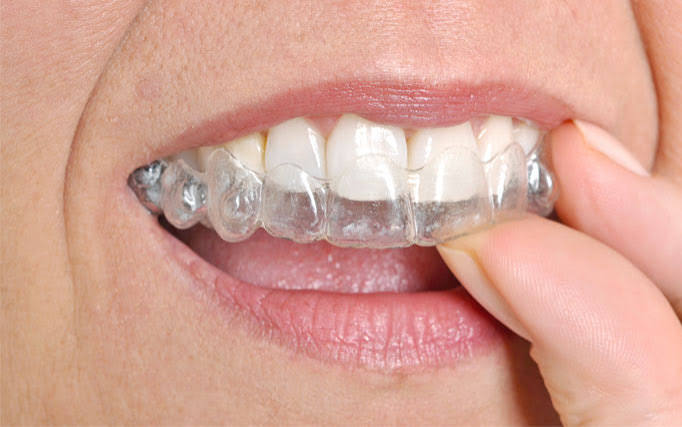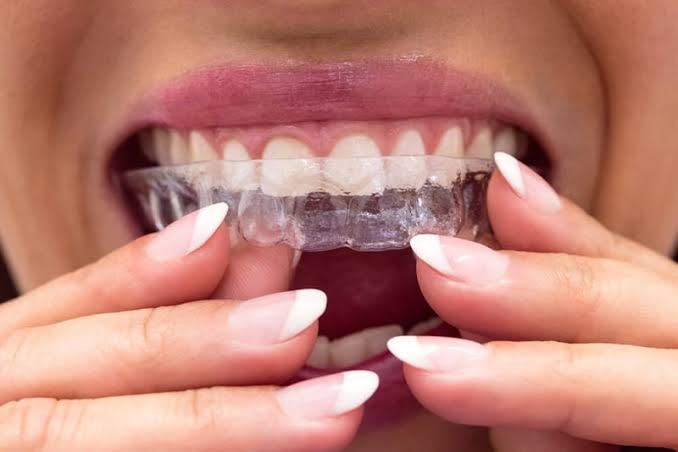


A retainer is a custom-made, transparent appliance used after clear aligner treatment to help hold the teeth in the new position they have reached. How long you wear it is not the same for everyone: in the first months, longer daily wear is usually recommended, and later it is often worn only at night. For many patients, night-time wear is planned to continue for many years; the orthodontist decides on the duration according to the condition of the teeth.
When the active phase of clear aligner treatment ends, many people assume the process is completely over. In fact, the second stage of orthodontic treatment, which is at least as important, is the retention period aimed at maintaining the tooth alignment that has been achieved. In this article, we look at why a retainer is needed, how long it is worn and how to care for it.
What Is a Retainer and Why Is It Needed?
Teeth are held in the jawbone by a flexible connective tissue called the periodontal ligament. During orthodontic treatment, controlled forces applied to the teeth allow this tissue and the surrounding bone to remodel. Once the teeth reach their new positions, the supporting tissues need time to mature and adapt to the new situation.
Throughout this adaptation period, teeth tend to move back towards their original positions. Known clinically as relapse, this can be more noticeable in teeth that were rotated and in spaces that were closed. A retainer helps limit this tendency by passively holding the teeth in their new positions.
Teeth can move later in life too
Even in people who have never had orthodontic treatment, teeth can show small changes in position with age. Mild crowding of the lower front teeth over time is a well-known example. For this reason, retention is regarded as a process that remains important not only right after treatment but also in the long term.
How Long Should You Wear a Retainer?
There is no single schedule for retainer wear that suits everyone. Even so, the general approach followed by many orthodontists is to reduce wear gradually over time.
Initial period: full-time wear
The first few months after active treatment ends are usually when the tendency of teeth to move back is most pronounced. For this reason, some patients may be asked to wear the retainer throughout the day, except when eating and brushing. The length of this period is set by the orthodontist according to the scope of treatment and the condition of the teeth.
Transition period: moving to night-time wear
If check-ups show that the teeth are holding their position, wear is usually reduced to night-time only. This transition varies from person to person; some patients continue daytime wear for a few months, others for a longer period.
Long-term night-time wear
Today, many orthodontists recommend continuing night-time wear for as long as possible. Over time, reducing wear to a few nights a week may also be considered, depending on the dentist’s assessment. Because there is a chance of some tooth movement if wear is stopped completely, this decision should be made together after a check-up.
Factors That Affect How Long a Retainer Is Worn
Several factors shape how the retention period is planned. The orthodontist assesses these at the start and end of treatment and creates a personalised plan:
- Initial tooth alignment: Marked crowding, rotated teeth or large gaps may increase the tendency to relapse.
- Age and bone structure: Planning may differ during periods of ongoing growth and development, or in older age.
- Gum and bone health: In patients with loss of supporting tissue, retention may be planned for a longer period.
- Habits: Habits such as night-time clenching, tongue thrusting or mouth breathing can put forces on the teeth.
- Wear routine: Wearing the retainer regularly for the recommended time directly affects how well the plan works.
The habit of regular wear built up during clear aligner treatment matters in this period too. Many of the points you paid attention to during treatment are similar to the things to keep in mind while wearing clear aligners.
Removable Retainer vs Fixed Retainer Wire
A removable retainer is not the only option for retention. In some patients, a thin fixed wire bonded to the inner surface of the front teeth may be used. A fixed wire depends less on patient compliance, but cleaning around it needs more care. A removable retainer can be taken out, which makes oral hygiene easier, but it cannot do its job if it is not worn regularly.
In some cases, both methods may be planned together. Which option is chosen depends on the condition of the teeth, gum health and the person’s habits. For a broader overview of long-term maintenance, you can read our article on long-term maintenance after orthodontic treatment.
Caring for Your Retainer
Because a retainer is worn in the mouth for long periods, paying attention to how it is cleaned and stored helps both the lifespan of the retainer and your oral health.
- Rinse the retainer with lukewarm or cold water after each use; hot water can distort its shape.
- Clean it gently with a soft brush and a non-abrasive cleaner.
- Brush and floss your teeth before putting the retainer in.
- Keep it in its case when you take it out; retainers wrapped in a napkin are easily lost.
- Try not to drink anything other than water while wearing the retainer.
- Let your dentist know if you notice cracks, discolouration or a change in fit.
Retainers can wear down over time and may need to be replaced at intervals. At check-ups, both the position of the teeth and the condition of the retainer are assessed. If a retainer is lost or broken, it is important not to go without one for long; our article on what to do if clear aligners break or get lost may help.
Frequently Asked Questions
What happens if I skip my retainer for one night?
Missing a single night usually does not cause a noticeable change, but you may feel slight tightness when you put the retainer back in. If missed nights become frequent, the teeth may shift. If the retainer does not fit, do not force it; it is advisable to consult your dentist.
Does wearing a retainer affect speech?
Thanks to its thin design, speech is not noticeably affected for most people. A slight lisp may occur in the first few days, and this usually fades as you get used to it.
Can I use my last aligner instead of a retainer?
Although it may be used temporarily in some situations, retainers are usually made separately for this purpose and in a different thickness. The orthodontist decides which appliance should be used.
How often does a retainer need to be replaced?
How often it is replaced depends on wear, how it is used and habits such as clenching. The condition of the retainer is assessed at check-ups to decide whether a replacement is needed.
Note: This article is for general information purposes only. Whether treatment is needed and which method is appropriate are determined individually by your dentist after an examination and any necessary tests.