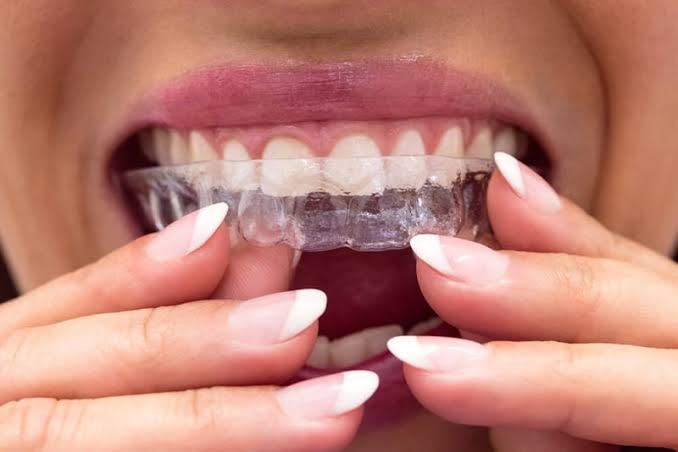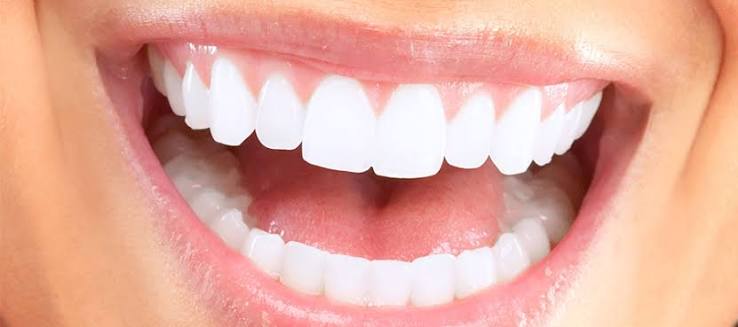


Clear aligners and smile design can be combined within a single treatment plan in suitable cases. In this approach, the teeth are usually aligned first with clear aligners, and then, if needed, the smile is completed with veneers, composite bonding or other aesthetic treatments. Planning both together from the start can help limit the intervention needed on the teeth and make the aesthetic goal more predictable.
Some smile concerns come from the shape and colour of the teeth, and some from their position. When both problems are present, a treatment that focuses on only one of them may not fully meet expectations. In this article, we look at how clear aligner treatment can be combined with smile design.
Why Is Tooth Position Addressed First?
When veneers or crowns are placed directly over crowded, protruding or rotated teeth, some teeth may need excessive reduction to achieve a straight appearance. On teeth set further back, the restoration may look bulky and out of proportion.
Aligning the teeth orthodontically first can help in the following ways:
- Less reduction: Once the teeth are in a suitable position, the amount of tissue that needs to be removed for restorations may decrease.
- Balanced space distribution: Spaces between the teeth can be arranged so that restorations can be planned in even, proportionate sizes.
- Harmony in gum levels: Tooth movement can help make gum levels more balanced.
- Improving the bite: When the way the teeth meet is improved, the load on restorations can be distributed more evenly.
For some people, orthodontic alignment alone can largely meet aesthetic expectations and remove the need for additional restorations.
How Are Clear Aligners and Smile Design Planned Together?
At the heart of combined planning is defining the target smile before treatment begins. The orthodontist and the dentist who will carry out the restorative treatment work together towards the same goal.
Setting the goal
An aesthetic analysis is carried out using photographs, video and intraoral scan records, and the planned size and position of the teeth are determined. This goal also shapes the direction and amount of orthodontic movement. For example, with small lateral incisors, planned space may be left around them so that they can later be built up with composite or veneers.
Orthodontic phase
Clear aligner treatment progresses through a series of digitally planned aligners. In this phase, the position of the teeth is changed in line with the aesthetic goal. Where needed, other options such as fixed braces may also be considered within orthodontics.
Aesthetic phase
Once tooth movement is complete and tooth position has been assessed, aesthetic treatment begins. At this stage, whitening, veneers or composite bonding as part of smile design and, if needed, gum adjustments may be carried out.
Digital planning and trial
Digital tools play an important role in combined planning. The target position of the teeth can be seen in the orthodontic planning software, and the aesthetic design can be built on this target position. This makes it possible to anticipate which teeth will need how much restoration at the end of the orthodontic phase. Before moving on to the aesthetic phase, the design can be assessed in real conditions with an intraoral trial and adjusted if needed.
Points to Consider During Treatment
Retention and restoration fit
At the end of orthodontic treatment, a retainer or fixed retainer wire is used to hold the teeth in their new position. When veneers or crowns are placed, the outer surface of the teeth changes, so the existing retainer may no longer fit. For this reason, a new retainer usually needs to be made after the restorations.
Timing of whitening
Whitening is planned before the shade of the restorations is chosen. The dentist decides whether it is carried out during or at the end of orthodontic treatment. After whitening, there is a waiting period for the shade to stabilise.
Attachments and restorations
In clear aligner treatment, the small composite bumps (attachments) placed on the tooth surface are removed at the end of treatment and the surface is polished. If there are existing veneers or crowns in the mouth before treatment starts, bonding attachments to these surfaces may require different methods.
Flexibility of the plan
During orthodontic treatment, how the teeth respond can vary from person to person. For this reason, progress is assessed at interim check-ups and, if needed, corrections can be made with additional aligners. The plan for the aesthetic phase can also be updated according to the situation reached at the end of the orthodontic phase.
Oral care during treatment
Because clear aligners are worn for many hours a day, food debris and bacterial plaque trapped between the teeth and the aligner can increase the risk of decay and gum inflammation. Brushing the teeth before putting the aligners in and cleaning the aligners regularly are recommended. Moving on to the aesthetic phase with healthy gums and without untreated decay is important so that restorations can be carried out as planned.
Who May Be Suitable?
This combined approach may be considered particularly in the following situations:
- Mild or moderate crowding together with aesthetic concerns related to tooth shape or colour
- Mismatched tooth sizes and uneven spaces between the teeth
- People planning to replace old restorations who also have tooth position problems
It should be noted that every case is different. If there is gum disease, decay or a jaw joint problem, treatment of these is planned first.
Another benefit of combined planning is that the person can see what is being done and why at every stage. When the goals of the orthodontic phase and the treatments planned for the aesthetic phase are discussed from the outset, a more realistic balance can be struck between expectations and clinical possibilities. Treatment duration, the order of phases and care requirements are also discussed in these conversations.
Frequently Asked Questions
Can veneers be placed during clear aligner treatment?
Veneers are usually placed after tooth movement is complete. Restorations placed during treatment may lose their fit as the position of the teeth changes.
Does combined planning make treatment take longer overall?
The orthodontic phase may extend the overall time. However, this preparation can help restorations proceed with less reduction and the aesthetic goal be planned in a more balanced way.
Should I keep wearing a retainer after getting veneers?
Retention usually continues to maintain the position of the teeth. After veneers, a retainer fitted to the new surfaces may need to be made.
Is clear aligner treatment necessary before every smile design?
No. If tooth position does not noticeably affect the fit of restorations or the amount of reduction, orthodontic treatment may not be needed. This decision is made after examination and aesthetic analysis.
Note: This article is for general information purposes only. Whether treatment is needed and which method is appropriate are determined individually by your dentist after an examination and any necessary tests.