

The question of how long a domestic implant lasts has no single answer that applies to everyone. How long an implant will work is determined as much by the condition of the jawbone, oral hygiene, smoking, general health and regular check-ups as by the origin of the brand. A well-planned, well-cared-for implant can serve for a long time, whether domestic or foreign.
What does implant lifespan depend on?
Implant lifespan depends on the combination of surgical planning, bone quality, the area where the implant is placed, the prosthesis made on top of it and the patient’s daily care. The brand is only one link of this chain.
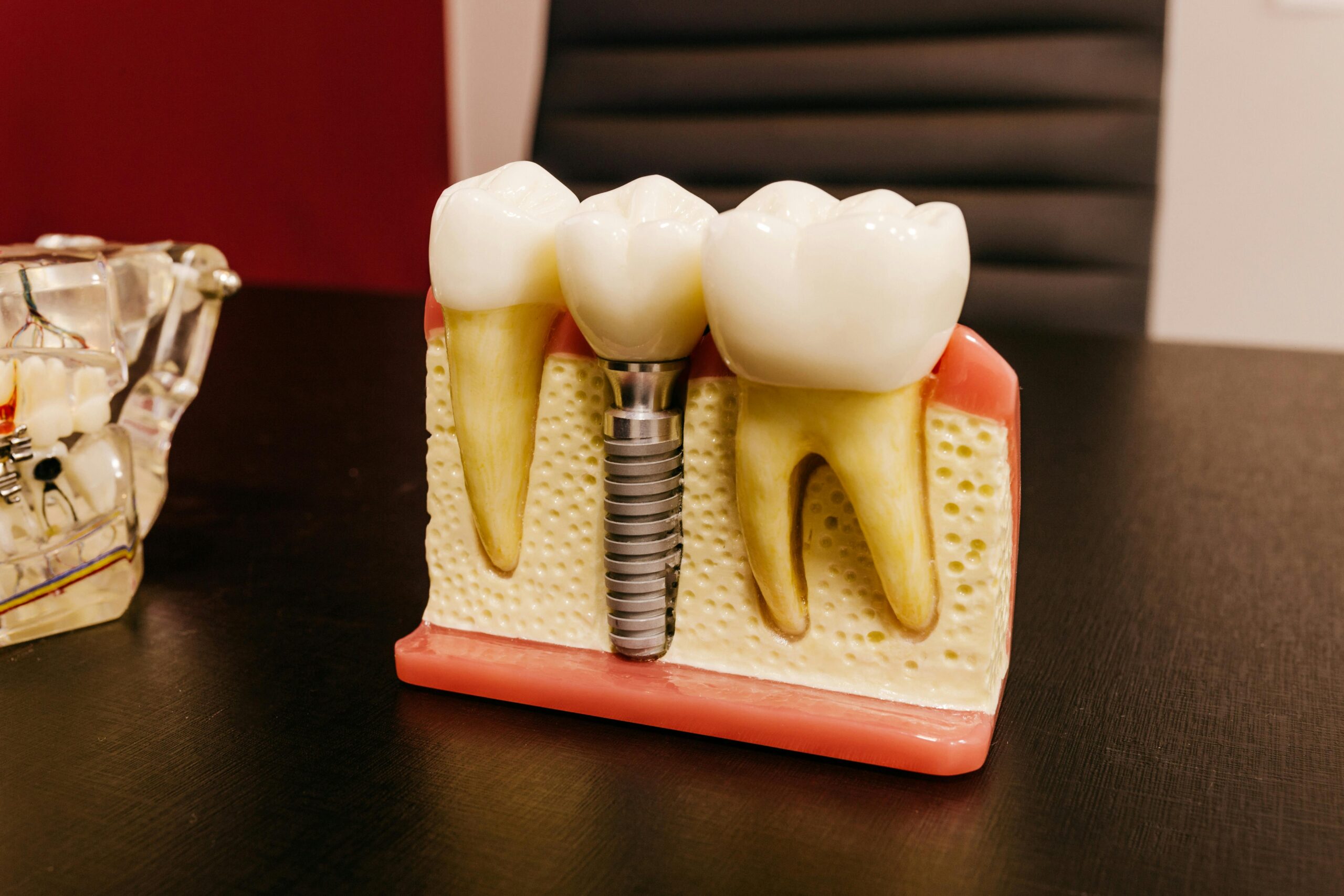
An implant works like a titanium root that fuses with the jawbone. Healthy fusion and keeping the gum around it free of inflammation are the foundation of a long lifespan. That is why, even if the same implant is placed in two people, the results can be different.
Key differences between domestic and foreign implants
The difference between domestic and foreign implants mostly shows up in matters such as place of production, product range, clinical research history and access to service and parts. Both serve the same purpose: to create a root that anchors in the bone in place of a missing tooth.
- Origin: Some systems such as Straumann are of Swiss origin, Osstem is South Korean, and Nucleoss is of Turkish origin.
- Scientific data: Systems that have been on the market for many years may have more published long-term data. This data needs to be evaluated together with your dentist.
- Product variety and service: Options for diameter, length, surface and connection type, as well as access to parts and service, vary from brand to brand.
- Cost: There may be a cost difference between systems; however, since this difference changes with the treatment plan, a clear figure needs to be discussed after the examination.
So the answer to the question of whether a domestic implant is good lies less in the name of the brand than in how suitable that brand is for your case.
Factors as decisive as the brand: bone, hygiene, check-ups
As much as the brand, and often more than it, the amount and quality of bone, daily hygiene and the regularity of check-ups determine the lifespan of the implant. Inflammation in the gum and bone around the implant is one of the known main causes of implant loss.
- Bone structure: Bone of sufficient volume and density makes it easier for the implant to hold. With insufficient bone, supportive procedures such as bone grafting may be needed.
- Hygiene: Brushing, interdental cleaning and professional cleaning protect the tissue around the implant.
- Check-ups: Small problems are noticed early at regular examinations and dealt with before they grow.
- Prosthesis fit: A superstructure that does not distribute chewing load correctly can put unnecessary load on the implant.
To see the bone condition in three dimensions, 3D dental tomography guides the dentist during the planning stage.
The effect of smoking and general health
Smoking and uncontrolled systemic diseases can negatively affect healing and the health of the tissue around the implant. This effect applies regardless of the brand.
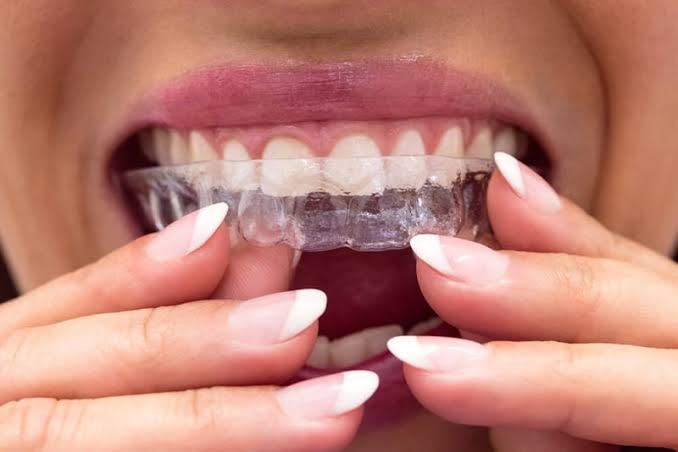
Smoking reduces the healing capacity of gum tissue. In conditions such as diabetes, keeping blood sugar under control is important; for details, you can look at our article on diabetes and implant treatment. A habit of clenching or grinding the teeth can also put extra load on the implant; protective measures such as a night guard should be discussed with the dentist.
In which situations are domestic implants preferred?
Domestic implants are chosen when the dentist finds the case suitable and the patient prefers a domestic system for reasons such as budget and ease of service. This preference is made on the basis of medical suitability.
Among the advantages of domestic systems can be counted close access to the product and service, ease of finding parts in the region where the system is widely used, and often flexibility in terms of cost. As a disadvantage, the possibility that long-term published data may be limited in some systems can be considered. Since this assessment varies by brand, it would not be right to generalize.
It is possible to read complaints about domestic implants on the internet. However, the cause of every complaint does not come from the brand; planning, hygiene, bone condition or prosthesis fit can also play a role. That is why reviews should not be made the sole criterion for a decision.
What does the dentist base the brand choice on?
The dentist makes the brand choice according to bone volume, the area where the implant will be placed, the superstructure plan and the patient’s expectations. The aim is to adapt the most suitable system to that person.
- Bone quality and width determine the choice of implant diameter and length.
- Single-tooth, multiple-tooth or fixed solutions such as All-on-4 create different connection and superstructure requirements.
- The dentist’s experience with the system used and the service conditions affect the decision.
- The patient’s budget and preference for a domestic or imported system are part of the plan.
When choosing among domestic implant types, matters such as surface structure, diameter and length options, and superstructure compatibility are evaluated together with the dentist.
Care and regular check-ups for a long lifespan
Daily care and check-ups at intervals set by the dentist are essential for the implant to stay healthy for a long time. An implant does not decay, but the gum and bone around it can become inflamed.
- Brush your teeth twice a day and do not neglect interdental cleaning.
- Have professional dental cleaning and check-ups done as often as your dentist recommends.
- Report symptoms such as gum bleeding, swelling or a feeling of movement without waiting.
- Get support to quit or reduce smoking.
Questions to ask at the examination
The questions you ask the dentist at the examination let you base your decision on your own situation rather than on the brand name. The following points are a good start.
- Is my bone structure sufficient for an implant, or is an additional procedure needed?
- What is the origin and usage history of the system recommended to me?
- How are service and spare parts provided for this system?
- At what intervals will check-ups be done?
- How do conditions such as smoking, diabetes or teeth clenching affect the plan?
If you would like to see the general flow of treatment, you can take a look at our Ankara dental implant treatment page.
Frequently asked questions
How long does a domestic implant last?
It would not be right to state a single duration that fits everyone for a domestic implant. Its lifespan is determined by bone structure, hygiene, smoking, general health and the regularity of check-ups.
Is a domestic implant or a foreign implant better?
It is not possible to say that one is superior to the other in every case. What matters is how suitable the system is for your case, the dentist’s experience with that system and the care afterwards.
What are the advantages and disadvantages of a domestic implant?
Among the advantages can be counted easy access to service and product and flexibility in cost. As a disadvantage, the possibility that long-term data may be limited in some systems can be considered; this varies by brand.
What factors determine implant lifespan?
Bone quality, surgical planning, superstructure fit, oral hygiene, systemic conditions such as smoking and diabetes, and regular check-ups are the main factors that determine lifespan.
How do you choose among domestic implant types?
The dentist makes the choice according to bone volume, the area where the implant will be placed and the type of prosthesis to be made. Diameter, length and surface options are kept in mind in this evaluation.
To clarify your implant decision, you can book an examination appointment at our clinic in Çankaya and ask your dentist your questions directly.