
Ankara Mini Implant Treatment
In dental practice, standard implant treatments used to rehabilitate complete or partial edentulism cases offer high success rates and excellent functional outcomes; however, not every patient’s anatomical structure or systemic health status is always suitable for these conventional procedures. Especially in patients who have used removable dentures (plates) for many years, severe volume losses may occur in the vertical and horizontal dimensions of the jawbone (alveolar ridge resorption). This can make it physically impossible to safely place titanium screws of conventional diameters into the jawbone, or it may force the patient into advanced bone grafting (bone powder) procedures that are lengthy, costly, and exhausting. At this point, Ankara mini implant treatment applications have secured a strong place in medical literature as a revolutionary, minimally invasive, and highly pragmatic medical alternative—particularly for individuals with narrow bone profiles and for patients whose medical history does not allow them to tolerate extensive surgical interventions. By using these innovative micro-engineering materials, Panorama Ankara resolves retention problems caused by removable dentures in a suture-free and comfortable way.
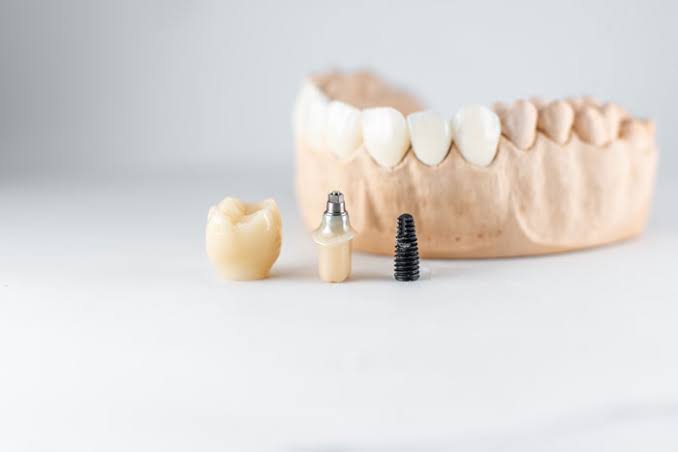
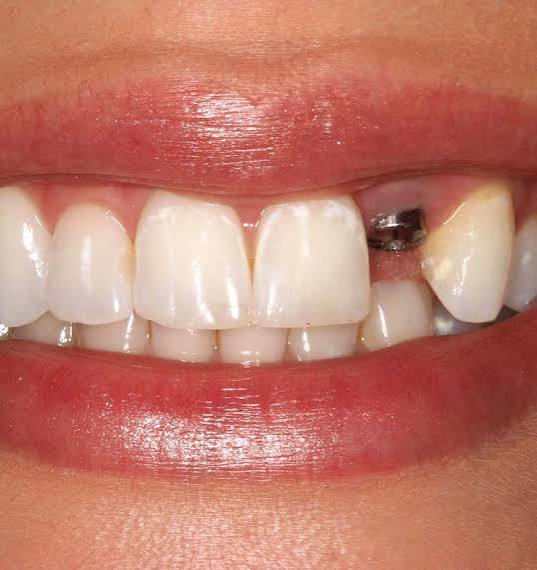
Although mini implants are produced from the same highly biocompatible titanium alloys as standard implants, they differ dramatically in diameter. While the diameter of a standard dental implant generally ranges between 3.5 millimeters and 6 millimeters, mini implants have extremely thin diameters such as 1.8 millimeters to 3.0 millimeters. This slim form factor reduces the implant’s path within bone to the precision of an orthopedic screw. Thanks to their thin structure, mini implants can be successfully integrated—without harming surrounding tissues and without the need for additional bone powder—even into severely resorbed mandibular bones described as “knife-edge,” where only a few millimeters of bone thickness remain. Following detailed three-dimensional radiographic analyses performed by Panorama Ankara’s experienced specialist team, these fine implants are placed using millimetric calculations, aiming to permanently stop unwanted movement of dentures in the mouth and eliminate tissue friction.
Biomechanical Comparison of Standard and Mini Implant Systems
For patients to choose the most rational treatment plan based on their anatomical needs, it is crucial to clearly understand the fundamental engineering and surgical differences between clinical approaches. Standard implants, thanks to their wide surface areas, can carry very high chewing forces on their own and allow fixed porcelain crowns to be placed over them; the primary purpose of mini implants, on the other hand, is most often to improve tissue support by stabilizing existing removable dentures onto the jawbone with a snap-on system. The clinical comparison table below transparently outlines the core decision mechanisms shaping treatment preferences at Panorama Ankara according to our patients’ radiological findings, as well as the anatomical tolerance differences between the two systems.
| Clinical Evaluation Criterion | Standard Dental Implants | Mini Dental Implants (MDI) |
|---|---|---|
| Average Body Diameter | Between 3.5 mm and 6.0 mm (larger volume) | Between 1.8 mm and 3.0 mm (ultra-thin volume) |
| Bone Volume Requirement | High. In insufficient bone, advanced grafting (bone powder) and sinus surgery are required. | Very Low. Can be applied even to thin, resorbed knife-edge ridges without additional procedures. |
| Surgical Method and Healing | Generally requires opening the gum tissue (flap) and placing sutures. Healing is longer. | Most commonly applied through the gum using a suture-free (flapless) method. Healing is very fast. |
| Primary Purpose of Use | Single-tooth gaps, fixed bridges, and support for All-on-Four fixed prostheses. | Fixation of full or partial removable dentures (plates) to the jaw (Overdenture). |
| Prosthesis Loading Timing | There is an average waiting period of 2–6 months for bone fusion (osseointegration). | In suitable cases, the denture can be connected to the implants on the same day as surgery (Immediate loading). |
Flapless (Suture-Free) Surgical Protocol and Maximum Patient Comfort
The key factor that radically distinguishes mini implant treatments from conventional approaches—and provides a major comfort advantage especially for older patients—is the “flapless,” incision-free and suture-free surgical protocol. In standard implant surgeries, to clearly see the jawbone, the clinician must open the gum tissue with a scalpel, expose the bone, and then close the tissue again with sutures after the procedure. This conventional process naturally leads to postoperative edema, bruising, localized swelling, and chewing sensitivity that may last several days. However, in mini implant applications performed at Panorama Ankara with digital tomography support, there is no need to widely incise the gum tissue because the implant position is determined with millimetric accuracy in a computerized environment. The clinician directs the implant directly into the bone through a tiny guide entry point on the gum, about the size of a needle tip, and completes the placement within minutes.
This minimally invasive approach, which does not require sutures, reduces bleeding to nearly zero and anatomically minimizes infection risk. Because surgical trauma is so limited, the healing process accelerates to a timeframe measured in hours rather than days or weeks. The need for painkillers after the procedure is extremely low, and patients can continue their daily social life, speaking routines, and light diet immediately after leaving the clinic without interruption. For patients who use blood thinners, have a history of diabetes, or must avoid major surgical operations due to heart conditions, this suture-free method—applied under clinical consultation—represents one of the safest ways to address edentulism.
Overdenture System: Chewing Freedom with O-Ring Retainers
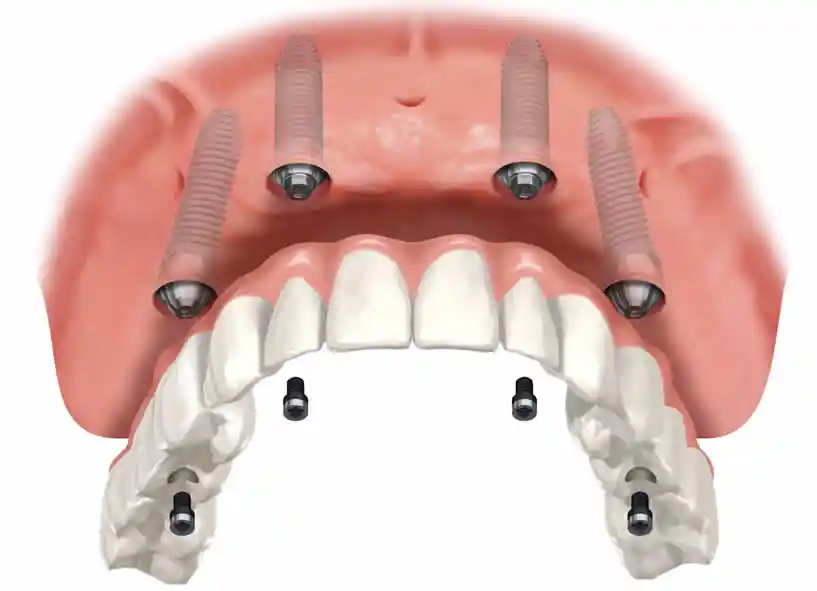
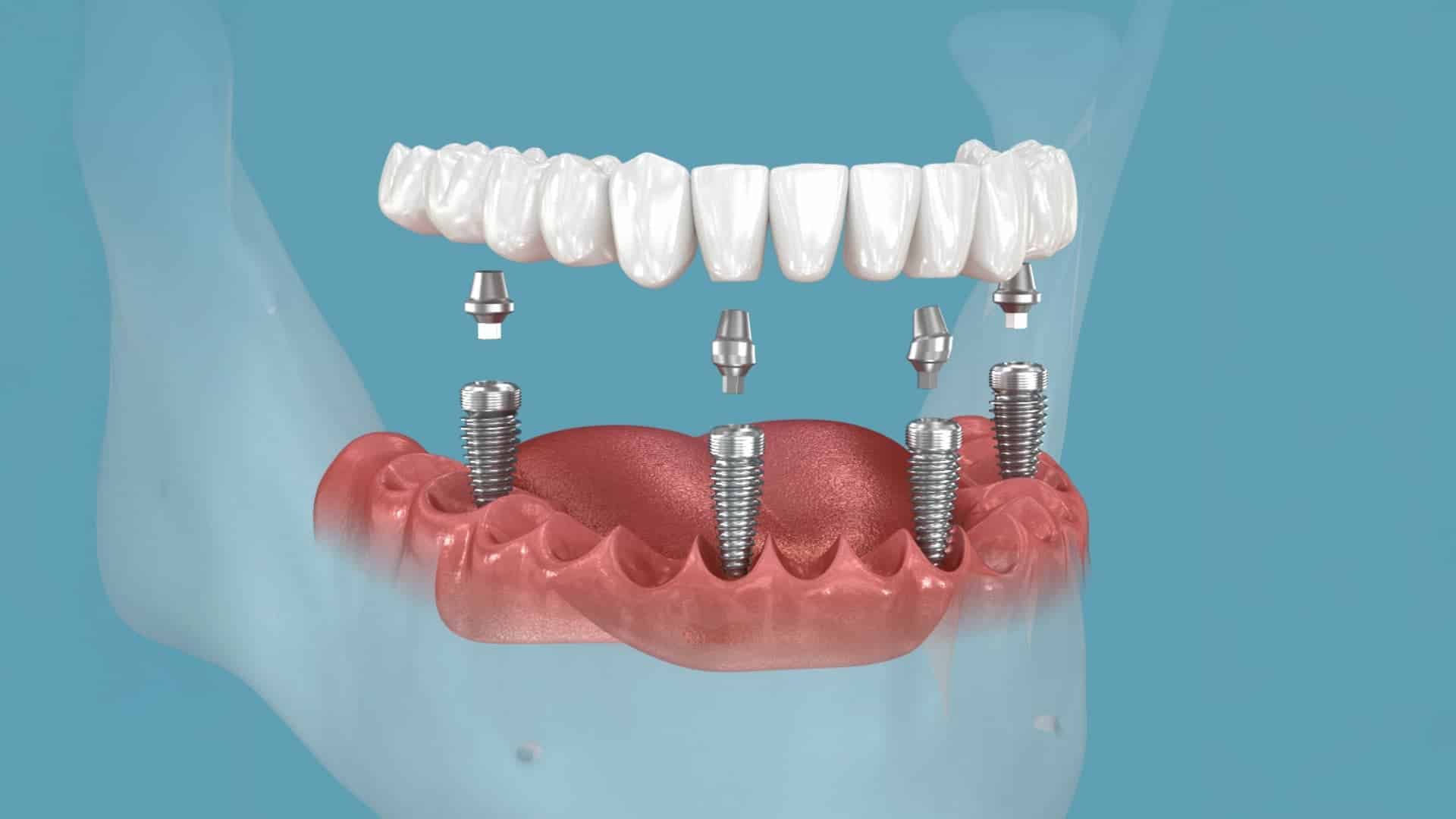
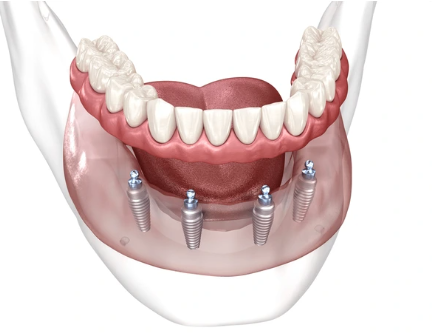
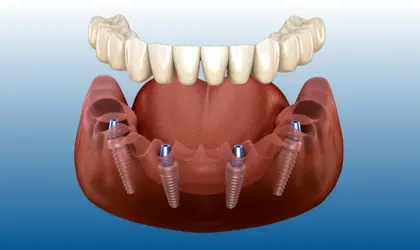
How mini implants connect with dentures is the secret behind the system’s biomechanical success. Mini implants are typically produced as a single piece; in other words, the threaded root portion that enters the jawbone and the retentive head (abutment) that remains above the gum are a monoblock structure. These small spherical heads above the gum are designed to match special silicone-cushioned housings placed on the inner surface of the removable denture, known as “O-Rings” or ball attachments. In this system—very similar to the working principle of a snap button—when the patient seats the denture in the mouth and gently presses, the housings inside the denture lock firmly onto the ball-shaped heads of the implants. Thanks to this locking mechanism, the denture is definitively prevented from popping out during speech, falling while smiling, or sliding during eating and causing sore spots.
These overdenture (implant-supported removable denture) systems, prepared in Panorama Ankara laboratories from acrylic or reinforced materials according to the patient’s occlusion and aesthetic expectations, allow the patient to remove the denture at any time for cleaning purposes. This removability enables especially older individuals or patients with limited motor skills to maintain oral hygiene and brush around the implants much more easily and effectively. While consuming foods requiring strong chewing forces with a constantly moving and irritating lower denture can feel like torture, a prosthesis stabilized with O-ring mini implants distributes bite force proportionally to the jawbone, initiating the first stage of digestion in a healthy manner. Considering that many stomach complaints are rooted in insufficiently chewed foods, this stabilization is a protective medical intervention that directly supports not only oral health but also overall systemic health.
Clinical Indications of Mini Implant Treatment and the Ideal Patient Profile
Although mini implants are a revolutionary solution, like all medical materials, they provide optimal efficiency when used within specific anatomical and physiological indications. From a biomechanical standpoint, it is not a correct approach to build a fixed bridge restoration—possible with standard implants—entirely on mini implants. However, when applied to the right patient with the right plan, the level of clinical satisfaction is unique. In Panorama Ankara’s detailed case evaluations, the ideal patient groups for whom the mini implant protocol is considered a first-line option consist of the following specific profiles:
- Patients whose jawbone (especially lower jaw ridges) has become severely thinned and resorbed due to years of edentulism,
- Individuals for whom long surgical procedures or major bone grafting (bone powder addition) operations are considered risky due to systemic conditions such as advanced age, hypertension, or diabetes,
- Those suffering from tissue irritation, sore spots, or chewing difficulty related to the complete removable dentures (plates) they currently use,
- Specific cases in orthodontic treatment (braces) that require temporary skeletal support from the jawbone to move teeth in the desired direction (Temporary Anchorage Devices – TAD).
Keep Smiling with Confidence in Life with Panorama Ankara
The golden rule of successful treatment is that solutions offered in oral and dental health align fully with the patient’s lifestyle, physiological capacity, and psychological expectations. In Ankara mini implant treatment services, Panorama Ankara combines the most up-to-date diagnostic tools of digital dentistry with minimally invasive surgical principles, focusing on freeing patients from the limitations caused by edentulism and ill-fitting dentures. The clinic’s multidisciplinary structure goes far beyond a purely mechanical stabilization process; it designs lip support appropriate to the patient’s facial proportions, phonetic accuracy during speech, and an aesthetic smile line as an integrated whole. This process—where the number, positions, and angulations of implants are determined individually—is managed with a transparent communication style that inspires patient trust.
In conclusion, jawbone insufficiency or concerns caused by long surgeries are no longer excuses to endure the hardships of removable dentures. Mini implants—the latest point reached by science and medical engineering—promise to rapidly improve your quality of life as a tissue-respecting, fast, functional, and accessible treatment alternative. To speak without fear of dentures slipping, enjoy your favorite foods freely by eliminating dietary restrictions, and smile with the confidence that comes from a strong foundation, you can schedule a detailed examination with Panorama Ankara’s expert clinical team and, in light of radiological assessments, build the most comfortable and accurate treatment protocol together.