

Is Flossing Necessary After Getting an Implant?
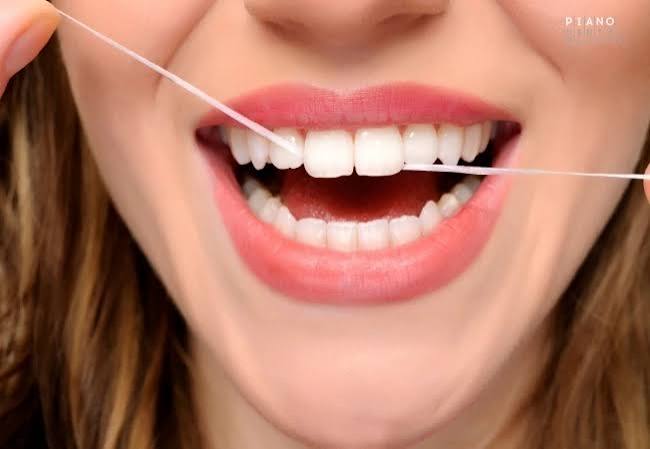
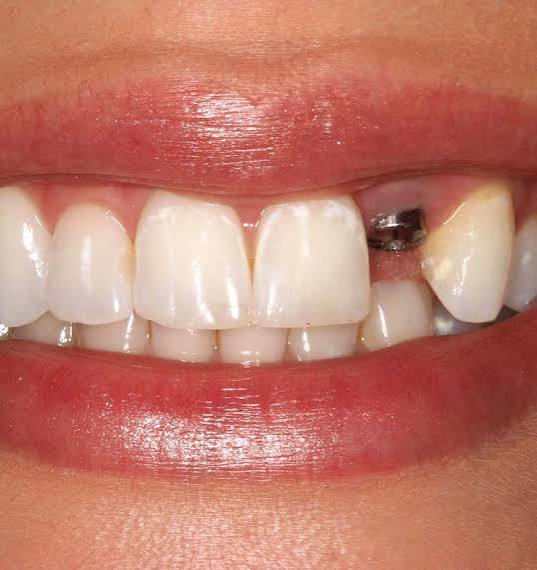
Flossing after an implant is a recommended hygiene step for removing plaque that accumulates on the lower and side surfaces of the crown. While standard toothbrushes can only reach the front, back, and chewing surfaces of teeth, the interfaces where two teeth or an implant meet can only be reached with dental floss and special interdental cleaners.
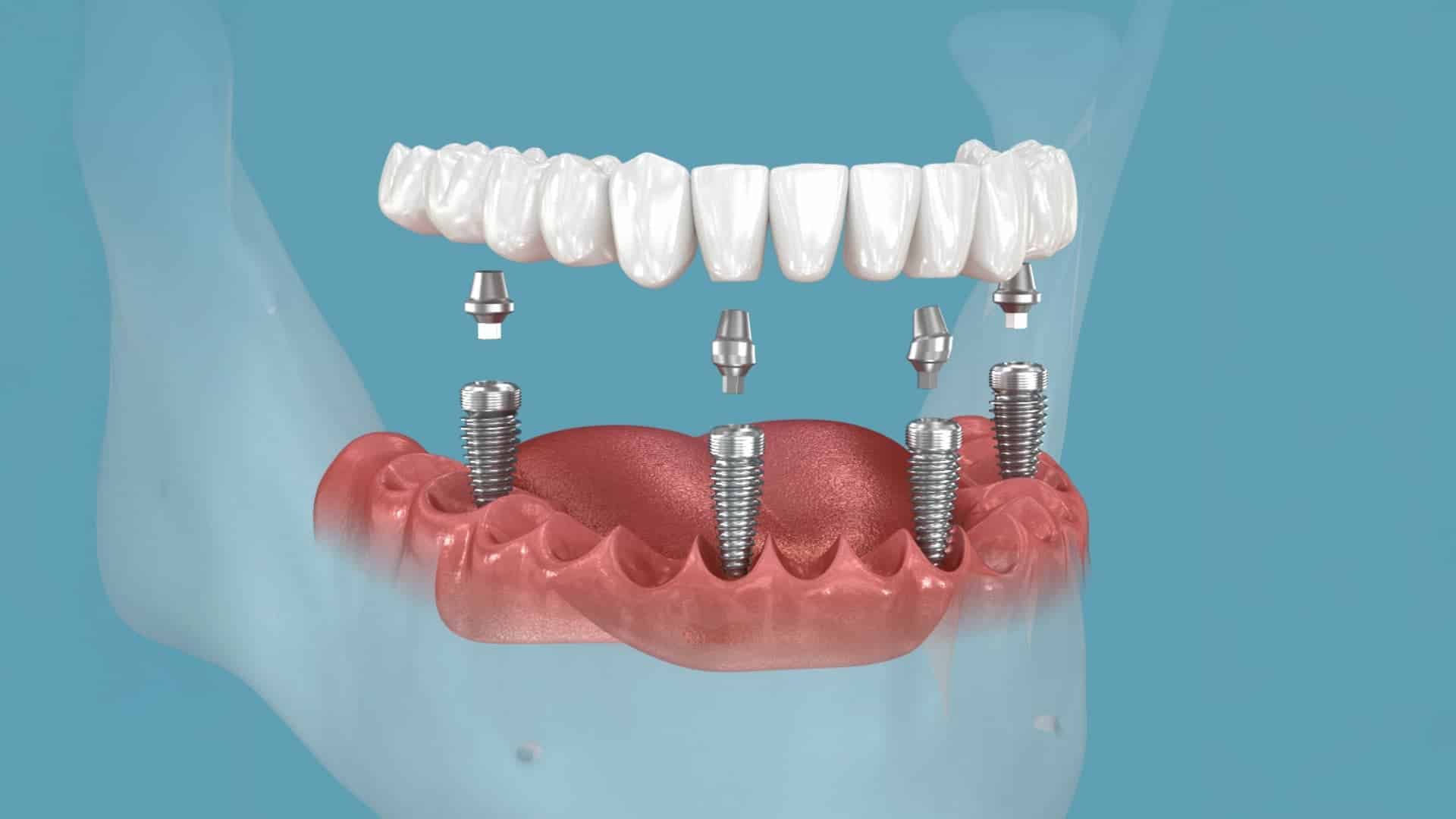
Natural teeth are attached to the jawbone through fibers called the periodontal ligament, and this structure provides blood circulation that creates a natural resistance against infections. Implants, on the other hand, come into direct contact with the bone (osseointegration), and the gum attachment around an implant is more delicate than that of a natural tooth. When food debris and bacterial plaque left around an implant are not cleaned, tissue reactions beginning with redness and swelling of the gum can develop.
Regular interdental care performed at least once a day helps keep the crown on the implant and the surrounding gum collar healthy. During this process, it is recommended to use appropriate techniques and materials that will not damage the tissue.
Should Standard Floss or Special Floss Be Used Around an Implant?
For cleaning around an implant, lint-free, smooth-textured PTFE tape floss or special implant floss with a spongy thickened middle section (superfloss) is recommended instead of standard floss. Standard dental floss can fray into fibers in tight spaces and leave residue around the implant neck, and this residue can lead to gum irritation.
The anatomy of implant restorations can differ somewhat from that of natural tooth crowns. In particular, when the emergence profile where the crown meets the gum is wide, thin standard floss may be inadequate for covering this curved area. The features of products developed for this purpose are as follows:
- Spongy (Superfloss) Threads: The tip is stiffened while the body consists of a soft, expanding spongy material. Thanks to the stiff tip, it can be easily passed under a bridge or crown, while the spongy section cleans the wide surface.
- PTFE (Teflon) and Tape Floss: Has a single-strand structure resistant to tearing and fraying. It slides without catching on the edges of the restoration and has a low likelihood of leaving material residue.
- Floss Threaders: Flexible guide needles that allow standard floss or special tape to be passed underneath implant bridges.
| Floss Type | Structural Feature | Area of Use | Clinical Assessment |
|---|---|---|---|
| Standard Waxed Floss | Classic multi-fiber structure | Natural tooth interfaces | May catch on the implant neck and leave fibers behind |
| Spongy Floss (Superfloss) | Stiff-tipped with a thick spongy body | Implant bridges and wide gaps | Effective at covering wide, curved prosthetic surfaces |
| PTFE Tape Floss | Smooth, single-piece tape | Single crowns with tight contacts | Resistant to wear, slides easily, and leaves no residue |
| Floss Threader Device | Flexible plastic loop/guide | Interconnected multi-unit restorations | Guides floss underneath bridge bodies |
How Should Floss Be Correctly Applied in the Area Where an Implant Is Placed?
When flossing around an implant, the floss should not be pressed against the gum with harsh movements; instead, it should be shaped into a “C” around the crown and gently slid with forward-backward and upward motions. The goal is not to go deep beneath the gum, but to sweep away the plaque at the boundary line where the restoration meets the gum.
Steps that can be followed during application to prevent tissue damage and ensure effective cleaning:
- A piece of PTFE or spongy floss about 35-40 cm long is torn off and wound around the middle fingers.
- Using the index fingers and thumbs, a 2-3 cm section of floss is held taut.
- The floss is gently passed through the contact point between the implant crown and the neighboring tooth using a sawing motion; it should not be snapped suddenly against the gum.
- After passing the contact point, the floss is wrapped against the body of the implant crown and moved upward, away from the gum, toward the tip of the crown.
- For bridge restorations, the stiff end of the floss is guided through the gap beneath the restoration to the other side, and the underside of the bridge body is cleaned with gentle back-and-forth movements while holding it with both hands.
What Problems Can Develop If the Area Around an Implant Is Not Cleaned Adequately?
When plaque buildup around an implant is not cleaned, it can first lead to peri-implant mucositis, meaning inflammation of the gum, and at later stages to peri-implantitis, a condition that affects the jawbone. This can weaken the tissue support of the implant and disrupt the stability of the restoration.
If not cleaned, the bacterial biofilm that forms in the oral environment accumulates in the gum pocket. Similar to the processes of gingivitis and periodontitis in natural teeth, the following stages can be observed around implants as well:
- Peri-implant Mucositis: An early stage that involves only the soft tissue (gum), presenting with bleeding, redness, and swelling during brushing or flossing. With regular hygiene, the tissues can return to their previous condition.
- Peri-implantitis: The condition in which inflammation progresses from the soft tissue into the bone tissue. Resorption begins in the bone surrounding the implant, pocket depth increases, and inflammatory discharge may occur from the area. Intervention by a dentist is required at this stage.
- Tissue Recession: As a result of ongoing inflammation, the gum around the implant neck can recede, causing the metal substructure of the restoration to become visible and leading to aesthetic problems.
| Signs and Features | Peri-implant Mucositis | Peri-implantitis |
|---|---|---|
| Tissue Affected | Gum only (soft tissue) | Gum and supporting bone tissue |
| Bone Loss Status | No bone loss visible on X-ray | Bone resorption observed around the implant |
| Main Symptoms | Redness, swelling, bleeding on contact | Deep pocket, suppuration (pus), bone loss |
| Reversibility | Can improve with proper hygiene and care | Requires surgical or advanced periodontal intervention |
What Are the Alternative or Supplementary Tools to Floss for Implant Care?
In addition to floss, plastic-coated interdental brushes, water flossers that spray pressurized water, and single-tuft brushes are used as supplementary tools for cleaning implants. These tools make cleaning easier, especially for individuals with limited hand dexterity or those with multi-unit implant bridges.
The needs of each mouth structure and prosthesis type may differ. Alternative aids that can be added to the routine based on the dentist’s recommendation include:
- Plastic-Coated Interdental Brushes: Brushes whose metal wire section is coated with plastic or silicone. They sweep away plaque in the gaps without scratching the titanium implant surface. They are quite effective for wide tooth gaps.
- Water Flossers (Oral Irrigators): Remove loose food debris and plaque between teeth and restorations using adjustable water pressure. Rather than being used alone in place of floss, it is recommended that they be used to supplement flossing.
- Single-Tuft (Solo) Brushes: With their small heads and densely packed bristles, they are used to clean hard-to-reach areas behind the implant crown and along the gum line.
Can Flossing Begin Immediately After an Implant Is Placed?
Since sutures and wound tissue are present at the implant site immediately after surgery, floss is not applied directly to the operated area during the first weeks of healing. Flossing begins under the dentist’s guidance after the permanent crown is placed and the gum tissue has stabilized.
In the early period following implant surgery, it is essential not to strain the sutures and to preserve the blood clot. During this stage, the other, non-surgical natural teeth are generally brushed and flossed as usual, while the surgical site is cleaned with the antiseptic mouthwash recommended by the dentist. Once the superstructure (crown/bridge) is placed, the dentist explains to the patient the appropriate type of floss and the angle of application.
At clinics across Ankara that provide prosthetic treatment—for example, at Panorama Ankara—interdental cleaning techniques are also explained in detail to patients during the prosthesis delivery session, and tissue compatibility is assessed at the first follow-up visits.
How Is Floss Threaded Through Bridges and Multi-Unit Implant Restorations?
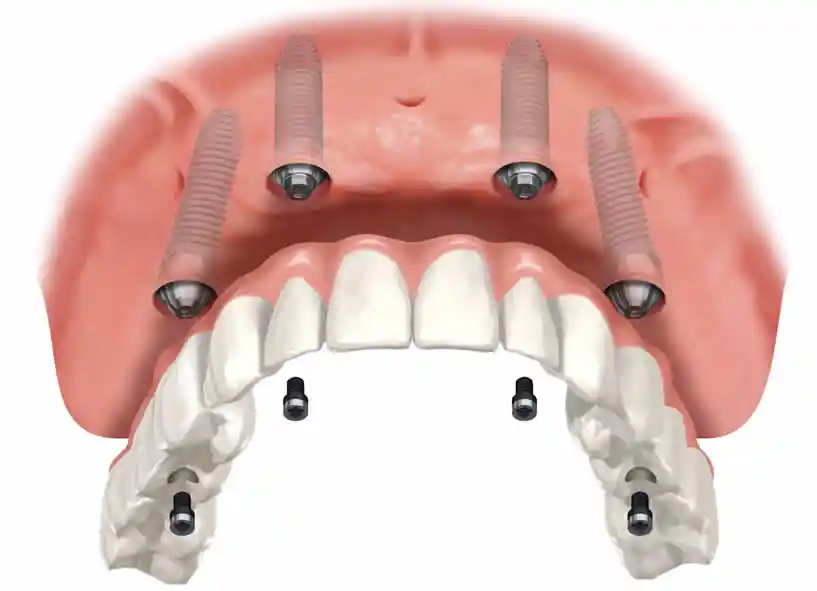
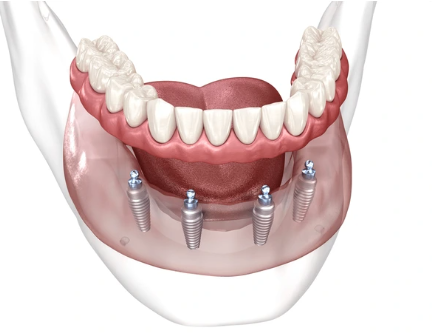
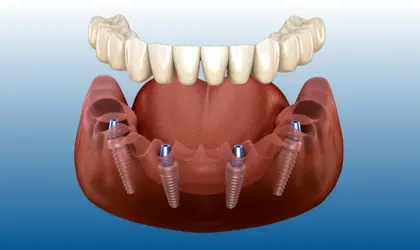
Since floss cannot be inserted from above between two teeth in interconnected multi-unit implant crowns or bridges, cleaning is done by passing the stiff ends of superfloss or plastic floss threaders through the opening beneath the body of the restoration.
The underside of bridge bodies (pontics) comes into contact with the gum, and food debris can accumulate in this area. The method followed for cleaning these areas is:
- A regular piece of floss is attached to the loop of the floss threader, or a floss with a self-stiffened spongy end is prepared.
- The stiff end is slowly pushed through the gap beneath the bridge, from the inner side of the cheek toward the tongue side.
- The floss is grasped and pulled through from the other side, positioning the spongy section beneath the bridge body.
- The floss is brought into contact with the underside of the body and the layer of plaque is swept away with back-and-forth movements.
- At the end of the process, instead of pulling the floss upward, it is removed by gently sliding it out sideways.
Frequently Asked Questions
Is bleeding normal when flossing around an implant?
Bleeding is not expected during flossing in healthy gum tissue. If regular bleeding, redness, or sensitivity is observed while flossing, this may indicate the onset of inflammation in the peri-implant tissues (mucositis). A dentist should be consulted to evaluate the situation.
Can flossing cause the implant crown to come loose?
Implant crowns that have been cemented or screwed into place by the dentist are not affected by floss movements applied with the correct technique. Removing the floss by sliding it sideways rather than pulling it upward too forcefully helps preserve the mechanical stability of the restoration.
Does using a water flosser eliminate the need for regular floss?
Water flossers are effective at removing coarse food debris and loose bacteria with pressurized water, but they cannot create as much friction as floss or an interdental brush when it comes to mechanically scraping away the sticky biofilm layer that adheres to the tooth surface. For this reason, it is recommended that a water flosser be used together with regular floss.
How many times a day should implant floss be used?
Performing interdental cleaning at least once a day—preferably either before or after the nightly toothbrushing session before bed—is considered sufficient to keep plaque buildup under control.