

The worry of being left without teeth during implant treatment is one of the concerns raised most often, especially by people who have lost front teeth or many teeth. The short answer is that in most cases, temporary tooth options allow the gap to be supported for both appearance and speech while the bone heals. The type of temporary tooth is determined by the dentist based on the number of missing teeth, the area, the condition of the bone and the stability of the implant at the time of placement. In some cases fixed temporary solutions are preferred, and in others removable ones.
Why Is a Temporary Tooth Needed During Implant Treatment?
After an implant is placed, a certain healing period is needed for it to fuse with the jawbone. This period varies from person to person and usually lasts a few months. When bone grafting has been performed, the healing period may be longer. Because the final prosthesis cannot be fitted during this time, a temporary solution is planned.
The main purposes of a temporary tooth are:
- Maintaining appearance and everyday social life
- Reducing air leakage and pronunciation difficulties when speaking
- Preventing the neighboring and opposing teeth from drifting into the gap
- Helping to shape the gum in the front of the mouth
- Trying out tooth shape, length and bite before the final prosthesis
If you would like to know about the general steps of treatment, see our article on the stages of dental implant treatment.
What Are the Temporary Tooth Options for Dental Implants?
Temporary tooth options can be divided into two main groups: fixed and removable. Each has its own advantages and limitations.
1. Fixed Temporary Crown on the Implant
If sufficient primary stability is achieved when the implant is placed, in some cases a temporary crown can be screwed or cemented onto the implant. In the literature, this approach is called “immediate loading” or “immediate restoration”. It is usually considered for single missing teeth and in the front of the mouth. The temporary crown is designed so that it does not touch the opposing teeth, protecting it from chewing forces. This option may not be suitable for every patient; factors such as bone density, bruxism and the bite are decisive in the decision.
2. Temporary Tooth Bonded to the Neighboring Teeth
For a single missing tooth, a temporary tooth can be bonded to the neighboring teeth with a thin wire or fiber. Because this method places no load on the implant, it does not affect the fusion process. It can be considered especially in the front of the mouth for people who do not want to use a removable appliance.
3. Temporary Bridge
If crowns are already planned for the teeth on either side of the implant site, a temporary bridge supported by these teeth can be made. The bridge provides a fixed solution throughout the healing period.
4. Removable Temporary Prosthesis
For gaps of one or a few teeth, small removable prostheses made of acrylic or flexible material can be used. These prostheses are relatively easy to make and adjust, and because they can be taken out when needed, they allow the implant area to be cleaned. However, the underside of the prosthesis must be carefully adjusted so that it does not press on the implant area.
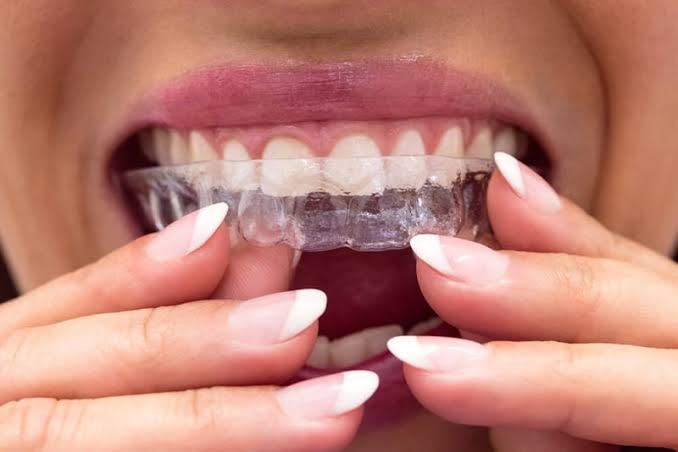
5. Clear Tray With a Temporary Tooth
A temporary tooth set into a clear tray can be considered, particularly for short-term use. It can provide aesthetic support, but it comes with restrictions, such as not eating while the tray is in place.
Which Option Is Considered for Whom?
There is no single right answer when choosing a temporary tooth. Because aesthetics are a priority in the front of the mouth, fixed solutions or temporary teeth bonded to neighboring teeth are discussed more often there, whereas in the back of the mouth removable prostheses, or even going without a temporary tooth for short periods, may be considered. In areas where bone grafting has been performed, it is particularly important that the temporary tooth does not press on the area, so as not to affect healing of the graft. A person’s job, social life, speech habits and how easily they can manage daily care are also taken into account. The dentist combines this information with the examination findings to plan a suitable temporary solution for each stage.
Temporary Solutions for Fully Edentulous Jaws
For people who have lost all their teeth, or whose remaining teeth will be extracted during treatment, planning a temporary solution is more involved. In these cases, two approaches are usually considered:
- Temporary complete denture: A removable denture used while the bone heals. Its inner surface can be adjusted with a soft liner so that it does not press on the implant sites.
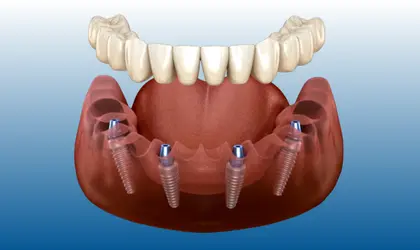
- Implant-supported fixed temporary prosthesis: When enough implants can be placed with sufficient stability, a temporary prosthesis fixed onto the implants can be planned. This approach is frequently considered in procedures such as the all-on-four implant technique.
Which approach is appropriate is determined by taking into account the amount and quality of bone, the jaw relationship and the person’s general health.
The time it takes to get used to speaking with temporary teeth also varies from person to person. Especially with removable temporary prostheses, some sounds may be harder to pronounce or saliva flow may seem to increase in the first days. This usually eases within a few days. If irritation persists, the dentist can adjust the edges and inner surface of the prosthesis.
What to Keep in Mind When Using a Temporary Tooth
Temporary teeth are not as durable as final prostheses and are designed for a limited period. Following these recommendations during use can help protect both the temporary tooth and the implant:
- Avoiding hard, sticky and chewy foods on the side with the temporary tooth
- Cleaning the temporary tooth and its surroundings regularly; taking out removable prostheses daily and rinsing them
- Letting your dentist know if you feel a removable prosthesis pressing on the implant area
- Not trying to reattach a temporary crown yourself if it becomes loose or breaks
- Keeping up with checkup appointments
Following the general recommendations for the healing period is an important step in supporting the implant’s fusion with the bone.
Moving From the Temporary Tooth to the Final Prosthesis
Once it has been confirmed clinically and radiographically that the implant has fused with the bone, the final prosthesis stage begins. At this stage, impressions are taken, the abutment is selected and the final crown or bridge is made. The information gained while using the temporary tooth, that is, the patient’s feedback on tooth shape, length and bite, can guide the design of the final prosthesis. For information on the types of final prostheses, you can visit our implant-supported fixed, removable and hybrid prostheses page.
Frequently Asked Questions
Can a temporary tooth be fitted right after the implant is placed?
In some cases, a temporary tooth can be fitted at the same appointment as implant placement. This requires sufficient bone and implant stability; suitability is determined by the dentist’s assessment.
Can you eat with a temporary tooth?
Soft foods can be eaten with temporary teeth. However, to protect the implant’s fusion process, it is recommended to avoid hard and sticky foods and not to put excessive force on the area.
Is a temporary tooth also needed for back teeth?
Because aesthetic concerns are lower in the back of the mouth, a temporary tooth may not be used in some cases. However, a temporary solution can be planned because of the risk of neighboring teeth shifting or according to the person’s preference.
Note: This article is for general information purposes only. Whether treatment is needed and which method is appropriate are determined individually by your dentist after an examination and any necessary tests.