

But how exactly does the process work? From the moment you sit in the dentist’s chair until the day you can smile confidently with your new, strong teeth, what stages await you? In this comprehensive guide, we explain the entire implant journey step by step, covering everything from surgical procedures and healing periods to bone grafting applications and digital planning in the most transparent way possible. Guided by the clinical philosophy of Panorama Ankara, a clinic located in the heart of Ankara that offers premium healthcare services through advanced technology and expert professionals, we uncover every aspect of implant treatment together.
1. What Is a Dental Implant and Why Should It Be Preferred?
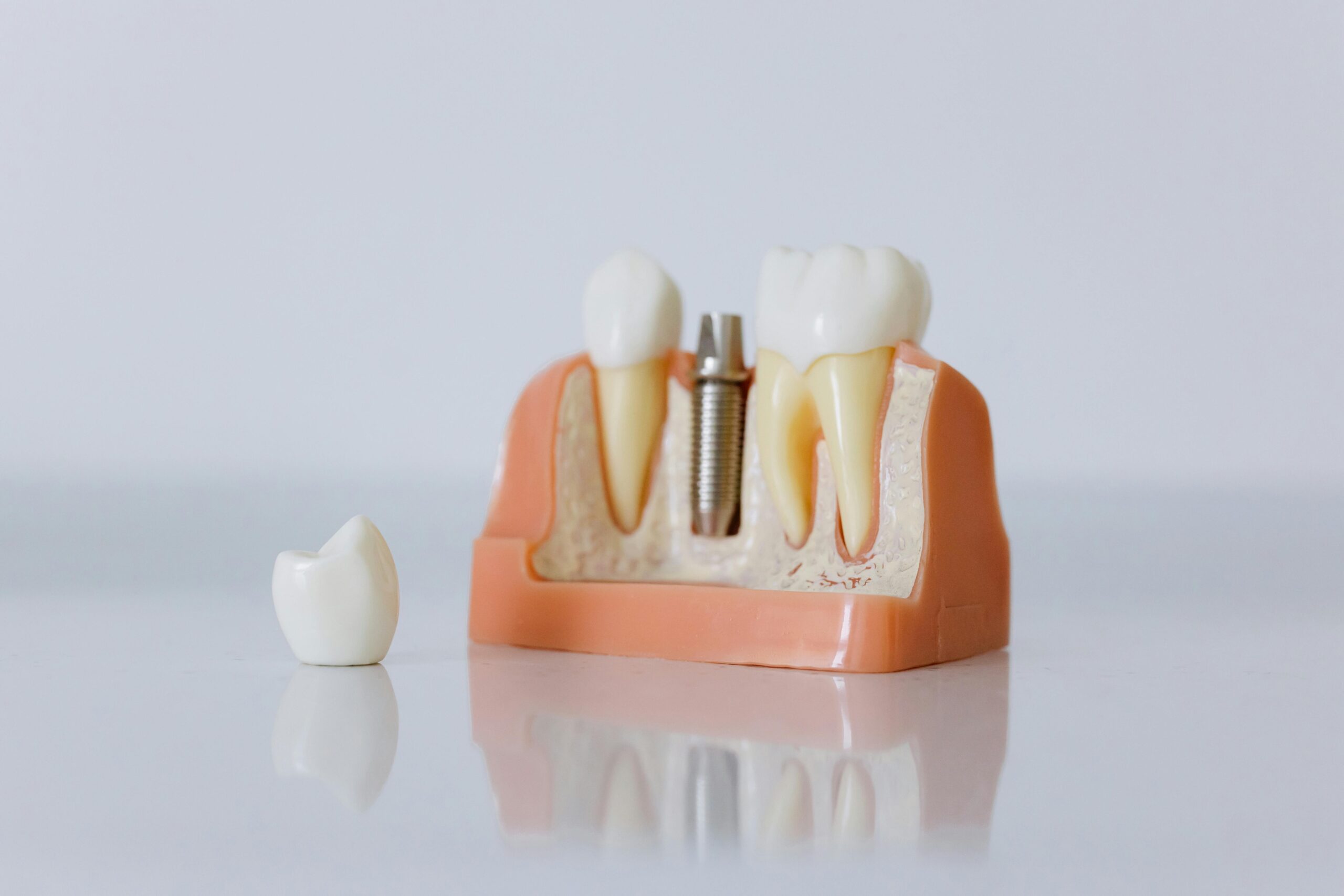
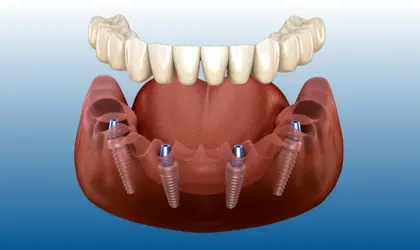
A dental implant is an artificial tooth root, usually made from titanium or titanium alloys, designed in the form of a screw or cylinder. It is surgically placed into the jawbone to replace missing teeth. The primary reason titanium is used is its exceptional biological compatibility with the human body. The body does not recognize titanium as a foreign material, and the jawbone naturally produces new bone cells around the implant, completely integrating it into the bone structure.
Differences Between Traditional Methods and Implants
In traditional bridge treatments used in the past, replacing a single missing tooth required reducing and reshaping the healthy neighboring teeth on both sides. This approach could shorten the lifespan of otherwise healthy teeth. In implant treatment, adjacent teeth are never touched. The procedure is performed directly in the jawbone, preserving the health and integrity of the surrounding teeth.
Preventing Jawbone Loss (Resorption)
When a tooth is extracted or lost, the jawbone in that area no longer receives chewing forces and gradually begins to deteriorate through a process known as bone resorption. Implants transmit signals to the jawbone just like natural tooth roots, helping maintain bone density. This prevents facial collapse and preserves a younger, more dynamic facial appearance.
2. Stage 1: Initial Examination, Digital Imaging, and Personalized Planning
The foundation of successful implant treatment lies in a comprehensive and flawless planning stage. Every patient’s oral structure, bone density, gum condition, and overall health status are unique. Therefore, treatment should be designed like a personalized architectural project rather than following a standard template.
Evaluation of General Health Conditions
During the first appointment, your dentist carefully reviews your medical history. Chronic conditions such as diabetes, hypertension, and heart disease, as well as medications you are taking—especially blood thinners and osteoporosis drugs—are thoroughly evaluated. For example, implant treatment can be safely performed in patients with controlled diabetes, whereas uncontrolled diabetes requires blood sugar levels to be regulated first.
Three-Dimensional Digital Tomography (CBCT) and Guided Surgery
Traditional two-dimensional X-rays provide limited information about bone quality and width. Thanks to the advanced Dental Volumetric Tomography (3D CBCT) technology used at Panorama Ankara, the patient’s jawbone can be visualized three-dimensionally with remarkable precision.
- The height, thickness, and density of the bone are accurately measured.
- Anatomical structures such as sinus cavities and mandibular nerve canals are clearly identified, minimizing surgical risks.
- The exact angle and millimetric position of the implant are digitally determined before surgery even begins.
3. Stage 2: Surgical Preparation and Implant Placement into the Jawbone
Once planning is complete, the treatment moves to the surgical phase, often the most anticipated and sometimes concerning stage for patients. Thanks to modern anesthesia techniques and minimally invasive approaches, this process is now completed comfortably and painlessly.
Local Anesthesia and Sedation Options
The treatment area is completely numbed using local anesthesia, similar to what is used during a filling procedure. As a result, patients do not feel any pain during surgery. For patients with dental anxiety or severe nervousness, sedation or general anesthesia options are available under the supervision of experienced anesthesiologists to maximize comfort.
Step-by-Step Surgical Procedure
- Sterilization and Preparation: The clinical environment and surgical instruments are prepared according to the highest sterilization standards.
- Creating the Implant Site: A small incision is made in the gum tissue, or in flapless procedures, specialized tissue-preserving drills are used to access the jawbone directly. A precisely measured cavity is prepared according to the implant’s dimensions.
- Implant Placement: The titanium implant screw is inserted into the prepared site using controlled torque with specialized surgical equipment.
- Suturing and Closure: The implant is covered with a healing screw, and the gum tissue is closed with aesthetic sutures. In flapless surgery, this step may not be necessary.
For an experienced surgeon, placing a single implant typically takes between 10 and 20 minutes. A postoperative X-ray is then taken to confirm the implant’s position.
4. Stage 3: Healing Period and Osseointegration
Once the surgical procedure is completed, the most critical biological process begins: osseointegration. This term refers to the microscopic fusion between the titanium implant surface and the living jawbone tissue.
How Long Does Healing Take?
Although healing times vary from patient to patient, the average waiting periods are as follows:
| Treatment Area / Condition | Average Healing Time |
|---|---|
| Upper Jaw (more porous bone structure) | 3 – 4 Months |
| Lower Jaw (denser and harder bone structure) | 2 – 3 Months |
| Cases Requiring Bone Grafting | 5 – 6 Months |
Patients are not left without teeth during this waiting period. Especially in visible aesthetic areas, temporary restorations are provided to allow patients to continue their social lives comfortably.
5. Stage 4: Placement of the Healing Abutment and Gum Shaping
Once osseointegration has been successfully completed, a minor procedure is performed to prepare the gum tissue for the final restoration. This stage is essential for achieving a natural emergence profile that resembles a real tooth.
What Is a Gingiva Former?
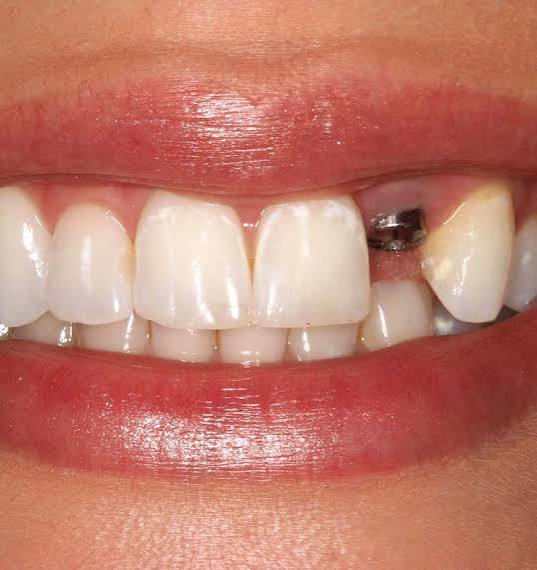
The gum tissue above the implant is gently opened, and a small metallic cylindrical component called a gingiva former is attached to the implant. This component helps shape the gum tissue into a healthy and natural contour around the implant. The process usually takes 4–7 days, is completely painless, and generally requires no sutures.
6. Stage 5: Impressions, Laboratory Procedures, and Placement of the Final Restoration
At this stage, the implant has become part of your jawbone and the gum tissue has healed beautifully. Now it is time for the most artistic and aesthetic phase: creating your new teeth.
Digital Impressions and CAD/CAM Technology
Traditional impression materials that often trigger a gag reflex have been replaced at Panorama Ankara by intraoral digital scanners. Using a small camera, the mouth is scanned within seconds, creating a highly detailed three-dimensional digital model. CAD/CAM technology is then used to design restorations with exceptional precision.
Abutment and Material Selection
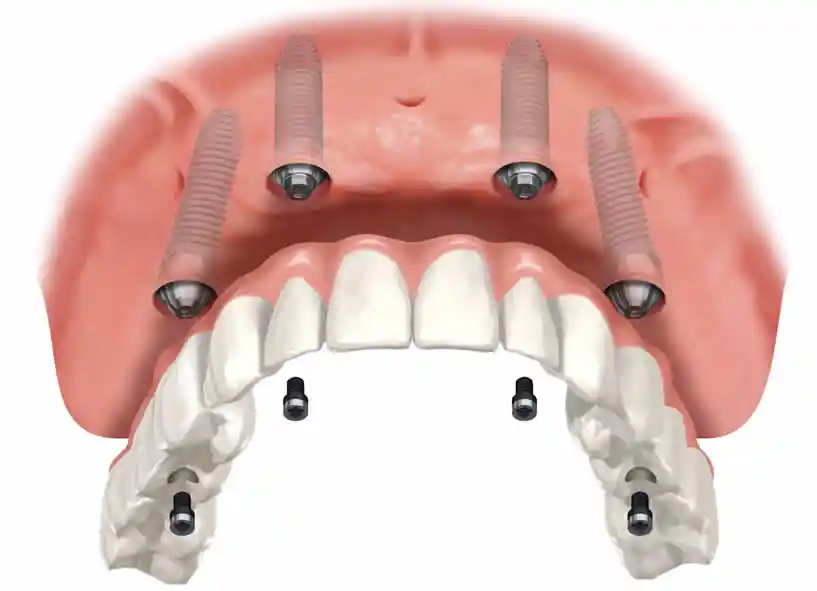
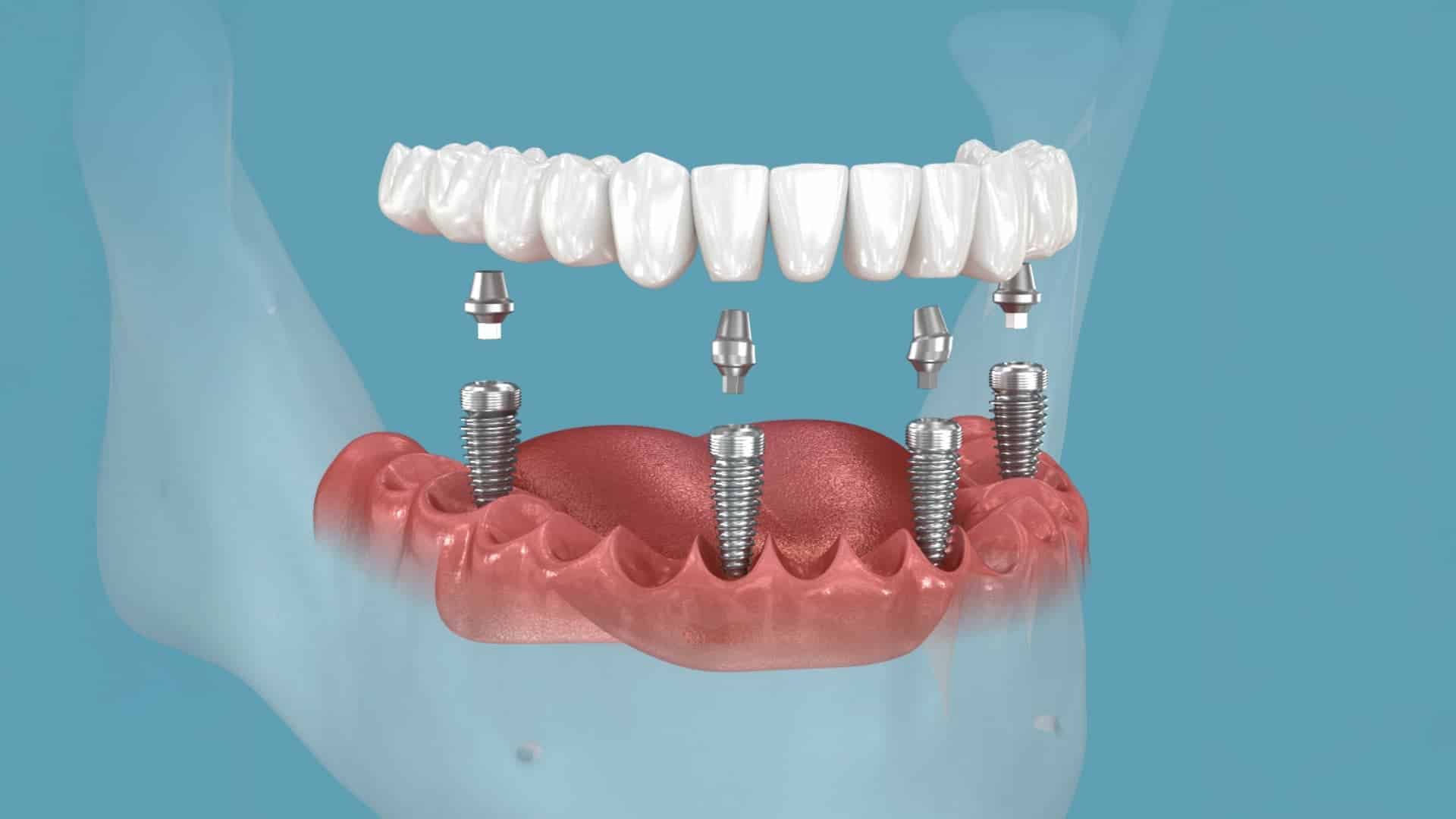
The component connecting the implant screw to the final crown is called an abutment. Depending on the patient’s aesthetic expectations and functional needs, zirconia or porcelain-fused-to-metal restorations may be selected. For highly aesthetic anterior restorations, zirconia or all-ceramic materials such as Empress/E.max are often preferred due to their excellent light transmission properties.
After meticulous laboratory fabrication and trial fittings, the final restorations are either screw-retained or cemented onto the implant. Congratulations—your new smile is now complete!
Special Cases: Bone Grafting and Sinus Lift Procedures
In some cases, significant jawbone loss may occur due to long-term tooth loss or severe periodontal disease. When sufficient bone volume is not available to support an implant, advanced surgical techniques become necessary.
Bone Grafting
Synthetic, animal-derived, or autogenous bone graft materials may be placed in areas with insufficient bone width or height. These grafts act as scaffolds that stimulate the formation of new bone tissue.
Sinus Lift Surgery
In the posterior upper jaw, air-filled spaces known as sinuses are located above the molar teeth. Following tooth loss, these spaces can expand downward, reducing the available bone height for implant placement. A sinus lift procedure gently elevates the sinus membrane and places bone graft material underneath, creating a stable foundation for implants.
Innovative Approaches: What Is an Immediate Implant?
Modern technology now offers alternatives for patients who do not wish to wait several months. If the jawbone condition is suitable and there is no active infection, an implant can be placed immediately into the extraction socket during the same appointment in which the tooth is removed. This is known as an Immediate Implant.
In some cases, a temporary fixed tooth can even be attached on the same day, allowing patients to leave the clinic with a complete smile. This approach is especially beneficial for individuals with active social and professional lives.
Post-Implant Care, Nutrition, and Oral Hygiene
The success of implant treatment depends not only on the surgeon’s expertise but also on the patient’s commitment to postoperative care and oral hygiene.
Important Considerations During the First 48 Hours
- Gauze Control: The sterile gauze placed to control bleeding should be gently bitten on for 30–45 minutes after surgery. Spitting and vigorous rinsing should be avoided on the first day.
- Cold Compress: Applying ice packs externally at intervals helps minimize swelling and bruising. A cycle of 10 minutes on and 10 minutes off is ideal.
- Dietary Guidelines: Extremely hot, cold, acidic, spicy, or granular foods should be avoided. Soft foods, soups, yogurt, and purees are recommended.
Long-Term Oral Hygiene and Routine Checkups
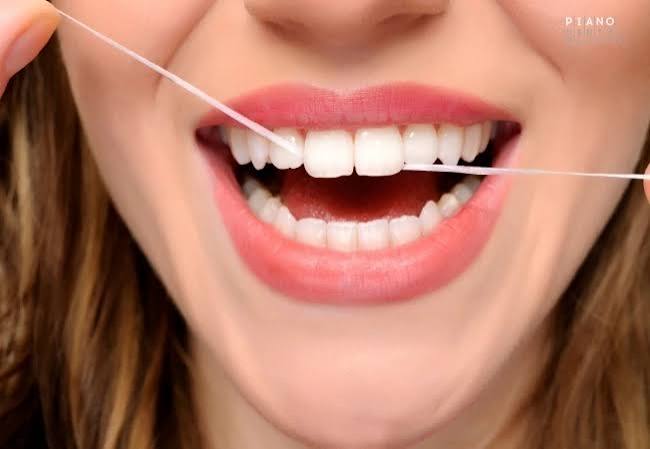
While implants cannot develop cavities, the surrounding bone and gum tissues can become infected through a condition known as peri-implantitis. Proper brushing twice daily, using implant-specific interdental brushes or floss, and attending regular dental checkups—typically twice a year—are essential for ensuring the longevity of your implants.
Why Panorama Ankara? Digital Dentistry and a Premium Patient Experience
Implant treatment is an advanced surgical procedure that requires exceptional precision and expertise. Therefore, the clinic’s technological infrastructure and the vision of its dental team are critical factors.
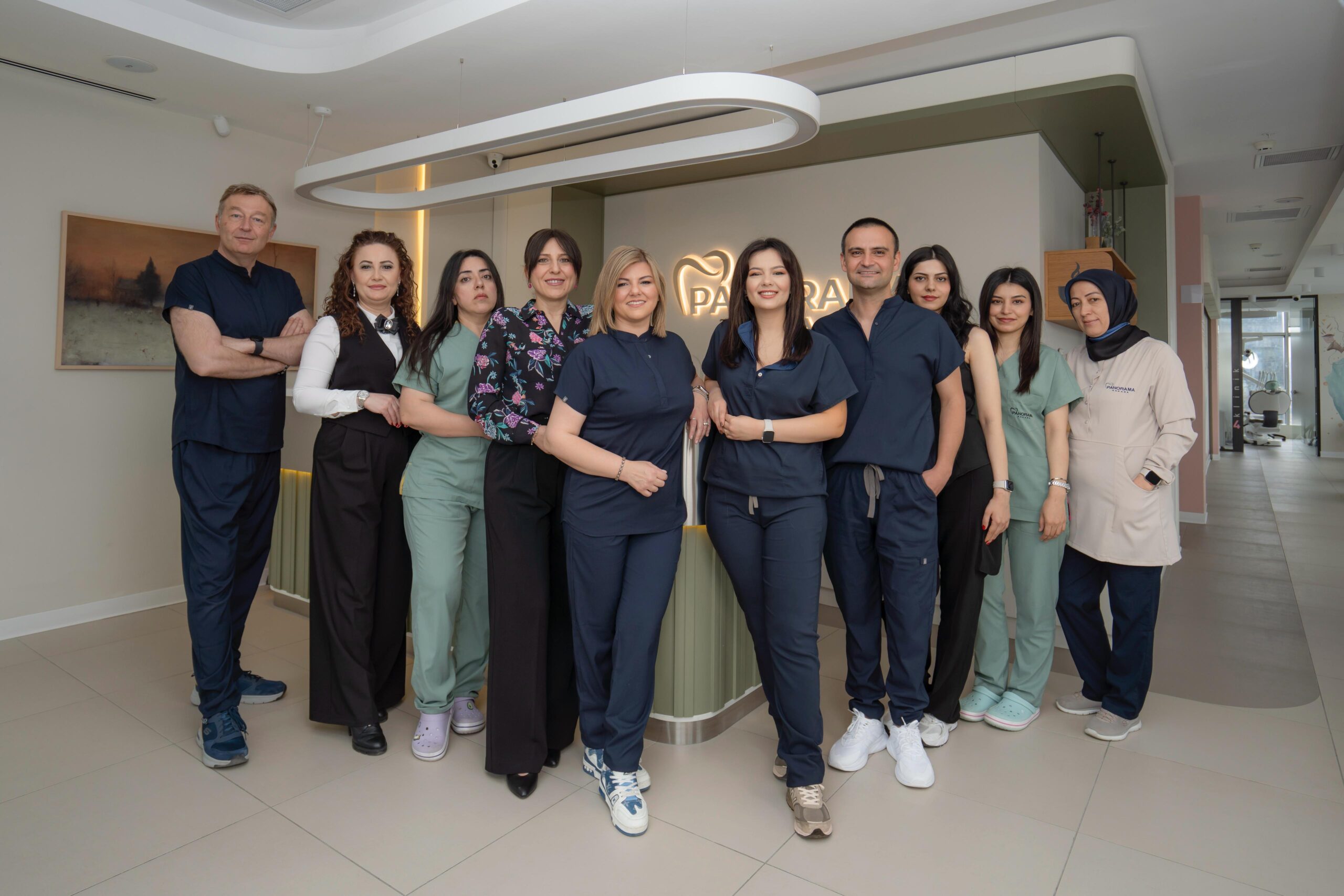
Panorama Ankara closely follows global innovations in implantology and digital dentistry, offering patients a fully integrated treatment experience. With advanced 3D imaging systems, intraoral scanners, fully equipped surgical suites, uncompromising sterilization protocols, and a premium service approach that treats every patient as a valued guest, Panorama Ankara transforms implant treatment from a necessity into a positive healthcare journey.
Frequently Asked Questions (FAQ)
Will I feel pain during implant treatment?
No. Because the procedure is performed under local anesthesia, you will not feel pain during surgery. Any mild discomfort afterward can typically be managed with standard pain medications prescribed by your dentist.
Can the body reject a dental implant?
Titanium is highly biocompatible, so true biological rejection like organ transplant rejection does not occur. However, in rare cases (approximately 1–2%), osseointegration may fail due to poor oral hygiene or early infection. If this happens, the implant can be removed and replaced after healing.
How long do dental implants last?
When properly placed and maintained with good oral hygiene, dental implants can last a lifetime. Regular dental visits and daily oral care are the key factors influencing their longevity.
How does smoking affect implant treatment?
Smoking reduces blood circulation in the oral tissues and significantly delays wound healing. This can negatively affect the osseointegration process. Patients are strongly encouraged to reduce or completely stop smoking, especially during the weeks before and after implant surgery.