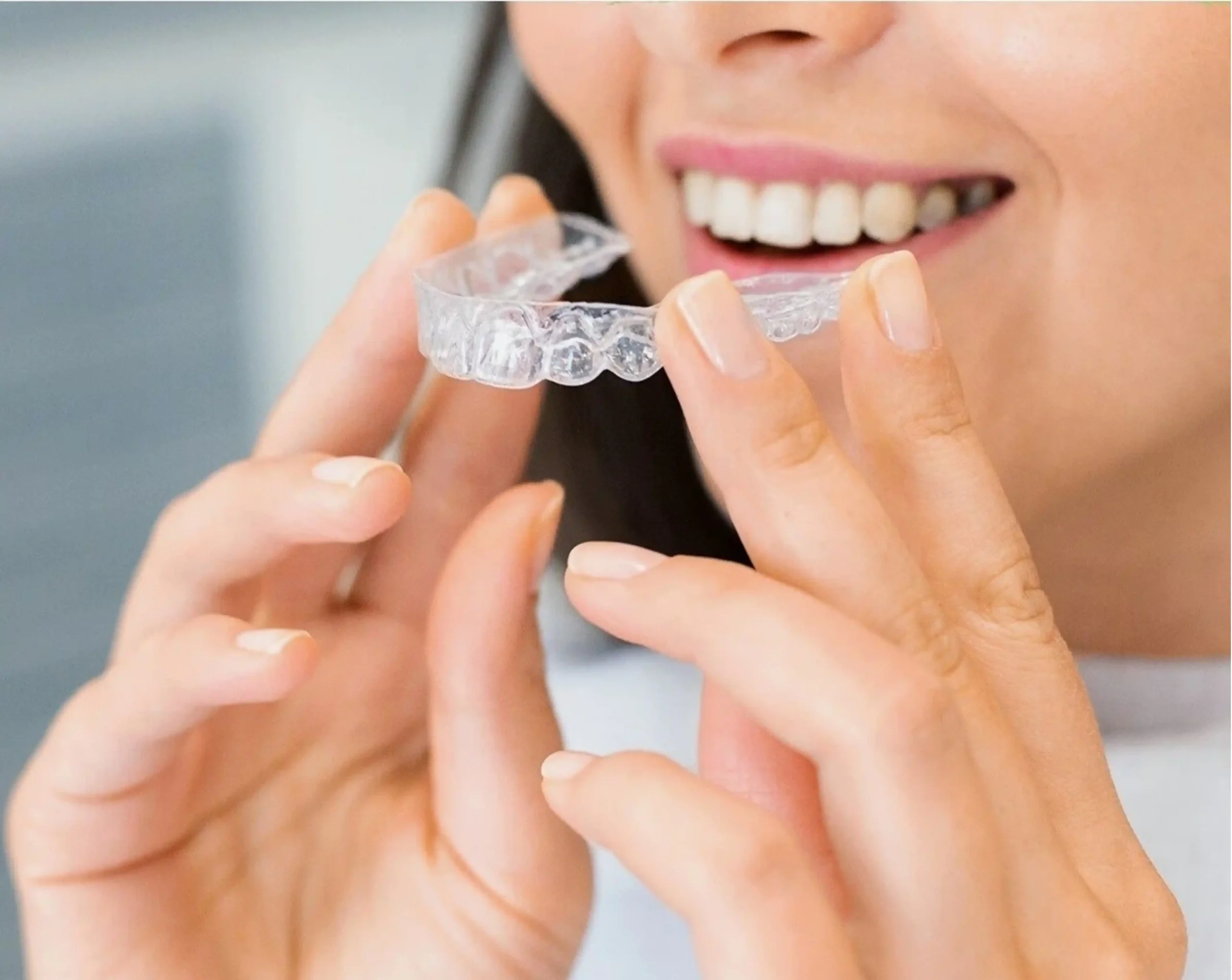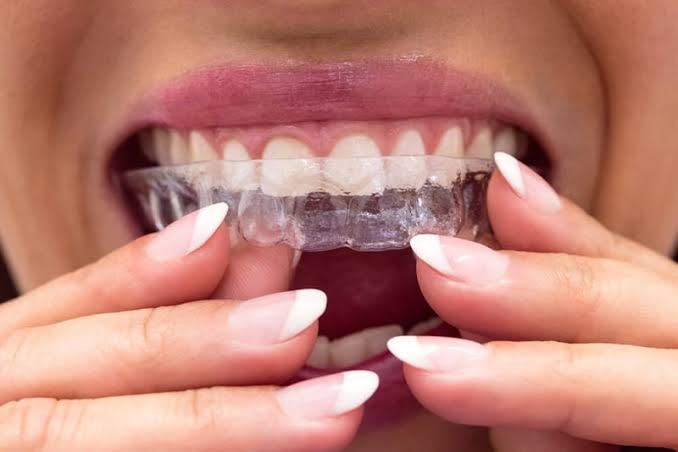


Clear aligner treatment for adults is an orthodontic option that can be used as long as the gums and jawbone are healthy. There is no fixed upper age limit for orthodontic treatment; what matters is not the person’s age but the condition of the teeth, gums and supporting tissues. Suitability for treatment is determined by the orthodontist’s assessment through an examination and the necessary tests.
It is widely believed that orthodontic treatment is only for childhood and adolescence. In fact, adults now make up a significant share of orthodontic patients. In this article, we give a general overview of clear aligner treatment in adulthood, the points specific to this age group and the treatment process.
Is There an Age Limit in Orthodontics?
Throughout life, teeth keep their ability to move thanks to the bone and connective tissue around them. When orthodontic force is applied, bone remodels on one side and new bone forms on the other. This biological process continues in adults too, so chronological age alone is not a barrier to orthodontic treatment.
That said, jaw growth is complete in adults. Some skeletal problems that can be resolved in children by guiding growth may not be solvable with tooth movement alone in adults. For significant jaw discrepancies, surgical approaches may be considered in addition to orthodontic treatment. This assessment is carried out by the orthodontist.
When Are Clear Aligners Considered for Adults?
Clear aligners can be considered for many tooth alignment problems commonly seen in adults:
- Mild to moderate crowding
- Gaps between teeth
- Teeth shifting after orthodontic treatment in childhood (relapse)
- Some bite problems, such as a deep bite, open bite or crossbite
- Moving teeth into a suitable position before an implant, bridge or aesthetic restoration
- Tilting of neighbouring teeth after tooth loss
In adult patients, clear aligner treatment is sometimes planned together with other dental treatments. For example, the teeth may first be aligned orthodontically and then aesthetic procedures may be carried out as part of smile design. This sequence can help restorations be made with less removal of tooth tissue.
If you are curious about how aligners compare with braces, you can read our article on clear aligners or braces.
Points to Consider in Adult Patients
Gum and Bone Health
Gum disease and related bone loss are more common in adults than in children. Moving teeth while there is active gum disease can damage the supporting tissues. For this reason, gum health is assessed before treatment and, if necessary, periodontal treatment is carried out first. For information on gum health, see our periodontology page.
Existing Fillings, Crowns and Prostheses
Adults often have fillings, crowns, bridges or implants. Because implants fuse with the jawbone, they cannot be moved orthodontically; in planning, they are treated as fixed reference points. Crowns and bridges are assessed separately in terms of bonding attachments and aligner retention.
The Jaw Joint
The jaw joint (temporomandibular joint) is also examined before treatment. If there are signs such as pain, clicking sounds or limited mouth opening, their effect on the treatment plan is taken into account. A separate assessment may be needed for this.
Biological Response and Treatment Duration
Because bone is denser in adults, tooth movement may progress more slowly than in children. Treatment duration varies from person to person depending on the extent of the problem, how the teeth respond and how consistently the aligners are worn.
Pre-Treatment Assessment
For adult patients, the pre-treatment assessment usually includes an oral examination, gum measurements, X-rays and, where necessary, three-dimensional imaging. A digital impression of the teeth is taken and the stages of treatment are planned on a computer. If this assessment finds cavities, teeth needing fillings or teeth requiring root canal treatment, it is advisable to address these before orthodontic treatment. The aim is to reduce interruptions that could arise during treatment.
Systemic conditions and medications are also asked about at this stage. Conditions such as diabetes, osteoporosis or medications that affect bone metabolism can influence the course of tooth movement, so it is important for the orthodontist to have this information.
Why Adults Choose Clear Aligners
Adults weigh up treatment options with the demands of their work and social lives in mind. The following features may play a role in adults choosing clear aligners:
- Treatment is not very noticeable from the outside thanks to the clear aligners
- There are fewer dietary restrictions because aligners can be removed for meals
- Brushing and flossing can be done with the aligners out
- The treatment plan can be viewed digitally in advance
However, clear aligner treatment requires commitment from the patient. Wearing the aligners for the recommended hours each day is the basic condition for treatment to progress as planned. It is important for adults with busy schedules to be disciplined about this. Planning in advance when to take the aligners out and put them back in during business meals, travel or long meetings can help maintain daily wear time. Carrying an aligner case and a small toothbrush also makes this routine easier.
The Retention Phase After Treatment
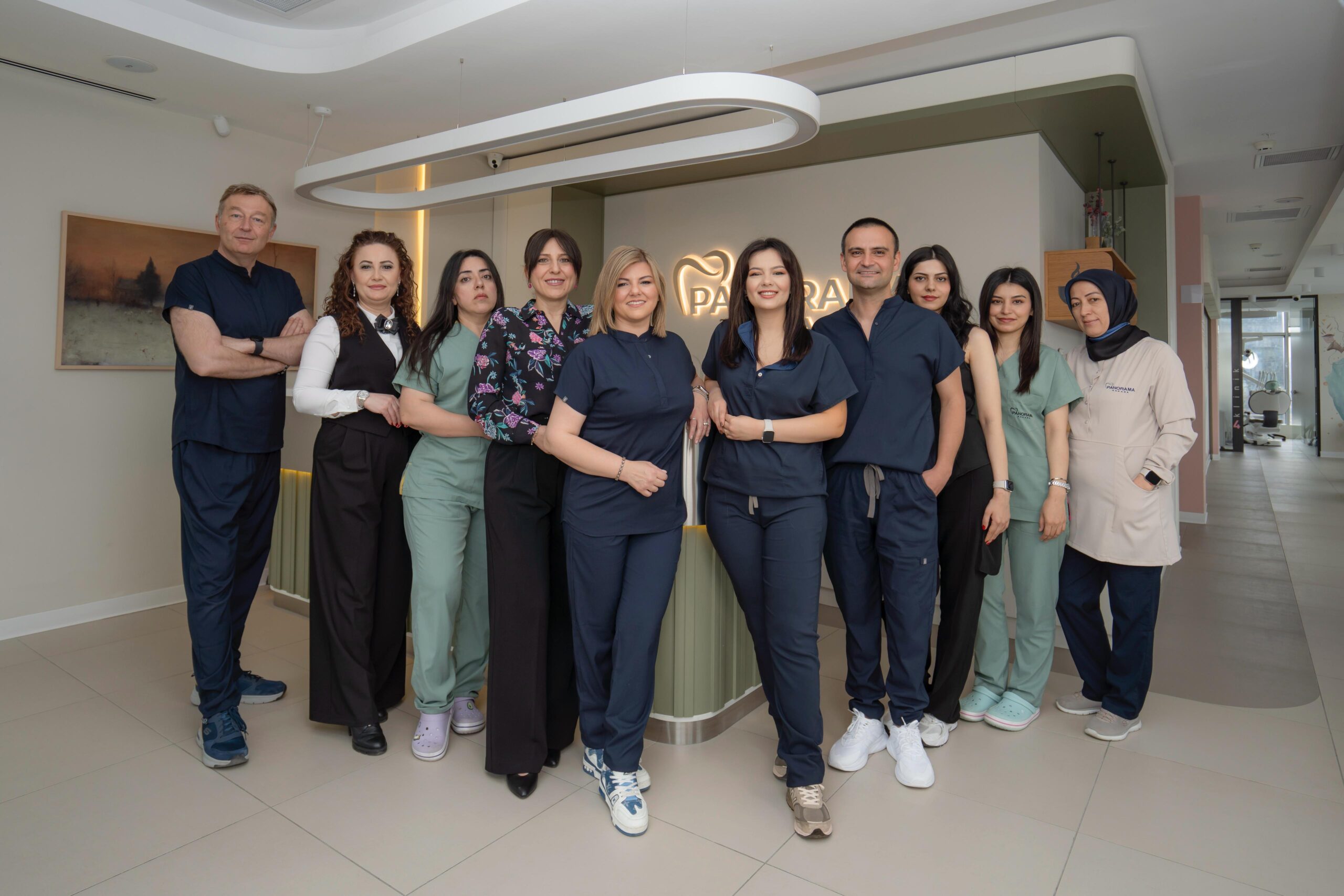
After active treatment is complete, retainers are used so the teeth can hold their new positions. Because teeth also tend to drift back towards their original positions over time in adults, it is important to continue the retention phase as recommended. The orthodontist decides whether a fixed or removable retainer is suitable. At Panorama Ankara Oral and Dental Health Polyclinic, the treatment plan is prepared individually after an examination.
Frequently Asked Questions
Can I have clear aligner treatment after the age of 40?
Yes, as long as gum and bone health are suitable, clear aligner treatment can be considered at 40 and over. In orthodontics, the deciding factor is not age but the condition of the supporting tissues. Suitability is determined after an examination.
Can adults with gum disease wear clear aligners?
Starting orthodontic treatment while gum disease is active is not recommended. Gum treatment is carried out first and the disease is brought under control. Orthodontic treatment can then be planned through a joint assessment by the dentist and the orthodontist.
I had braces as a child and my teeth have become crooked again. Are clear aligners suitable?
Teeth may shift after orthodontic treatment if a retainer was not worn or because of age-related changes. In such cases of relapse, clear aligner treatment is one of the options frequently considered. The decision is based on the examination findings.
Does treatment take longer for adults than for children?
Because bone is denser in adults, tooth movement may progress somewhat more slowly. However, treatment duration is mainly determined by the extent of the problem and how consistently the aligners are worn. The duration varies from person to person.
Note: This article is for general information purposes only. Whether treatment is needed and which method is appropriate are determined individually by your dentist after an examination and any necessary tests.