

Clear Aligners or Braces? Which is More Advantageous?
The decision-making process for orthodontic treatment is a critical step not only for aesthetically correcting teeth but also for the long-term protection of oral and jaw health. Today, patients are faced with two main strong options for correcting crowding, spacing, or bite disorders: traditional metal braces (braces), which has been safely applied for years, and clear aligner treatment (wireless orthodontics), which has gained popularity in recent years with technological advancements. While both methods share the goal of moving teeth to their ideal positions, they offer quite different experiences in terms of treatment process, patient comfort, aesthetic appearance, and daily life habits. The answer to the question “Which method is better for me?”, which our patients most frequently ask, actually depends on the individual’s dental structure, lifestyle, and expectations.
Traditional Approach: Metal Braces (Brackets)
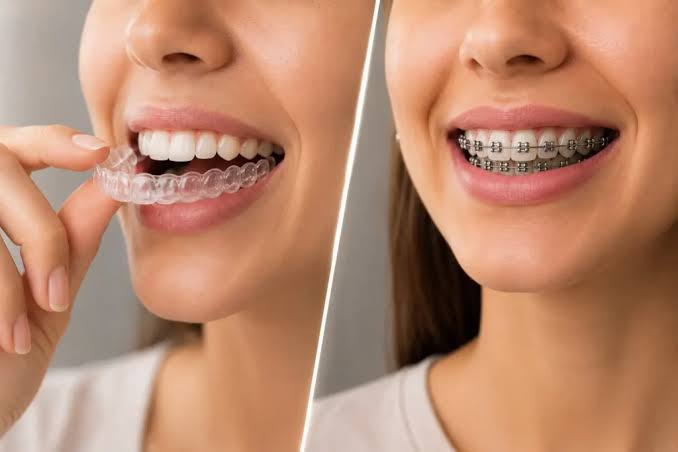
Metal braces, the first method that comes to mind when orthodontics is mentioned, is a system that has been used in dentistry for many years and whose effectiveness has been proven. In this method, small metal (or porcelain) pieces called “brackets” are fixed to the teeth with special adhesives, and arch wires pass through these brackets. The arch wires apply a continuous and gentle force to the teeth, moving them towards the desired position.
The most distinctive feature of metal braces is that they remain fixed on the teeth throughout the treatment. That is, they cannot be removed by the patient. This ensures the uninterrupted continuation of treatment and eliminates patient compliance (cooperation) problems. Especially in challenging cases requiring complex skeletal problems, significant rotations, or vertical movement of teeth, metal brackets are still considered one of the strongest options because they provide the dentist with complete control over the teeth.
A Modern Touch: Clear Aligner Treatment
Clear aligner treatment, which emerged with the integration of technology into dentistry, represents a digital revolution in orthodontics. In this method, a treatment plan is created using computer-aided programs based on digital measurements taken from the patient. By calculating the millimeter-precise movements of the teeth, a series of custom-made, clear, thermoplastic aligners are prepared for the patient.
The working principle of clear aligners is based on each aligner moving the tooth by a certain amount. The patient usually changes their aligners every 1-2 weeks, and with each new aligner, the teeth get one step closer to the ideal position. The most striking difference of this method is that the aligners can be removed by the patient while eating or brushing their teeth. In addition, thanks to their transparent structure, they are very difficult to notice from the outside, which provides a great advantage for adults and young people with high aesthetic concerns.
Comparative Analysis: What Each Method Offers?
Let’s detail the key criteria to consider when choosing between the two treatment methods under the headings of aesthetics, comfort, hygiene, and dietary restrictions:
1. Aesthetic Appearance and Social Life
Aesthetic expectations are the biggest factor in choosing clear aligners. Clear aligners are almost invisible in the mouth. Patients can smile freely during business meetings, social events, or photo shoots. Metal braces, on the other hand, create a noticeable metal or wire appearance in the mouth, even if porcelain (clear) bracket options are available. For individuals for whom invisibility is a priority, clear aligners are undoubtedly a step ahead.
2. Comfort and Oral Health
Metal brackets can cause irritation or small sores (aphthae) on the lips and inside the cheeks due to friction, especially in the first weeks of treatment. Slight changes in speech may occur during the adjustment period. Clear aligners, on the other hand, have smooth surfaces and are laser-cut to be compatible with the gums. This minimizes the risk of soft tissue injury. Furthermore, emergencies such as metal wires poking or bracket breakage do not occur with clear aligners.
3. Ease of Hygiene and Care
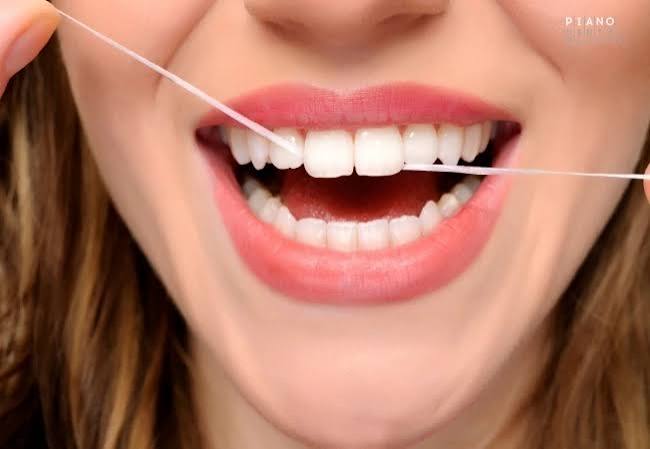
Oral hygiene is one of the most critical issues in orthodontic treatment. Food particles are very prone to accumulating around fixed wires, and cleaning them requires care. If special interdental brushes and dental floss are not used, the risk of tooth decay or gum disease may increase. With clear aligners, however, the situation is much more practical; the patient removes the aligner before eating, eats their meal, brushes their teeth normally, uses dental floss, and puts the clean aligner back on. This ease of hygiene control makes clear aligners advantageous for gum health.
4. Freedom to Eat and Drink
There is a list of “forbidden foods” in orthodontic treatment. Hard fruits (apples, quinces), sticky candies, nuts, and acidic drinks are not consumed during treatment as they can cause brackets to break.The goal is to remove the aligners while eating, so there are no food restrictions. The patient can eat whatever they want, but they must adhere to the rule of not putting the aligners back on before brushing their teeth after eating.
Comparison Table
The following table summarizes the two treatment methods in terms of their basic characteristics:
| Characteristics | Clear Aligner Treatment | Metal Wire Treatment |
|---|---|---|
| Visibility | Almost invisible, aesthetic. | Distinct, metallic appearance. |
| Removability | Removable (At the patient’s initiative). | Fixed (Only the physician can remove it). |
| Hygiene | Easy (Aligner (removed, brushed). | Difficult (Requires special brushing). |
| Food Restriction | None (Removed during meals). | Yes (Hard, sticky foods are forbidden). |
| Comfort | High (Few stings and sores). | Medium (Irritation may occur during the adjustment period). |
| Patient Discipline | High discipline required (22 hours a day). | Low (The system is stable, not forgotten). |
Which Treatment Should Be Chosen in Which Situation?
Although both methods have advantages, the “best” method varies depending on the individual’s case analysis. Generally, the following distinctions can be made:
- Suitable Candidates for Clear Aligners: Adults who value aesthetics in their social lives, those with good tooth brushing habits, those with mild to moderate crowding, and those who do not want dietary restrictions.
- Suitable Candidates for Metal Braces: Child/young patients who may forget or lose their aligners, cases with very complex skeletal disorders, situations where impacted teeth need to be maintained, and surgically assisted treatments.
Conclusion: Make the Decision with Your Doctor
There is no single right answer to the question of whether to choose clear aligners or braces. Each individual’s dental structure, jawbone condition, and biological response are as unique as a fingerprint. While information on the internet offers a general framework, the most accurate treatment plan can only be created by an orthodontist after a detailed clinical examination and X-ray analysis.
Remember, regardless of the device used (wires or aligners), the main factor managing and ensuring the success of the treatment is the knowledge and experience of the physician. Your physician will listen to your expectations and analyze your oral structure to determine the path to achieving the healthiest smile. You can take the first step on the road to a healthy smile by consulting a specialist.