
Ankara Advanced Implant Placement
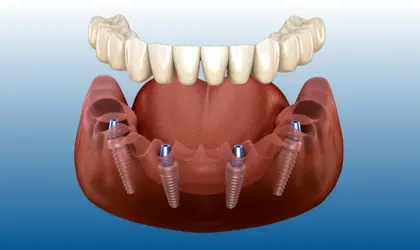
Dentistry and maxillofacial surgery continue to produce ever more innovative biomechanical solutions to restore patients’ lost chewing function and facial esthetics. However, certain extreme anatomical conditions encountered in clinical practice completely exceed the limits of conventional implantology and standard bone graft (bone particulate) procedures. Especially in the upper jaw (maxilla), many years of edentulism, severe bone resorption (advanced alveolar ridge atrophy), genetic syndromes, tumor resections, or previous failed implant surgeries can reduce the jawbone to paper-thin dimensions. In such cases, there is no longer even a minimal foundation on which to place a standard implant—or even to add bone graft material (such as performing a sinus lift). In the past, patients facing this seemingly hopeless scenario were often offered only one solution: highly invasive, traumatic surgeries requiring hospitalization and lasting months, in which large blocks of bone were harvested from the hip bone (iliac crest) or shin bone and transplanted into the jaw. In Ankara advanced implant placement, Panorama Ankara integrates the highest-level technologies in contemporary maxillofacial surgery, eliminating these heavy surgical burdens and the myth of “fixed teeth cannot be done for you.” By using Zygomatic Implants, Pterygoid Implants, and 3D Dynamic Surgical Navigation systems that reduce the margin of error to near zero, our clinic supports patients with completely resorbed jawbones by utilizing extra-oral (outside-the-jaw) skeletal anchorage points—restoring fixed, strong, and esthetic teeth on the very same day.
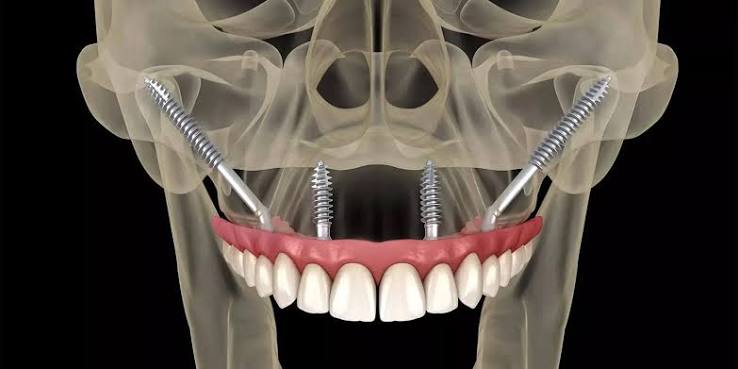
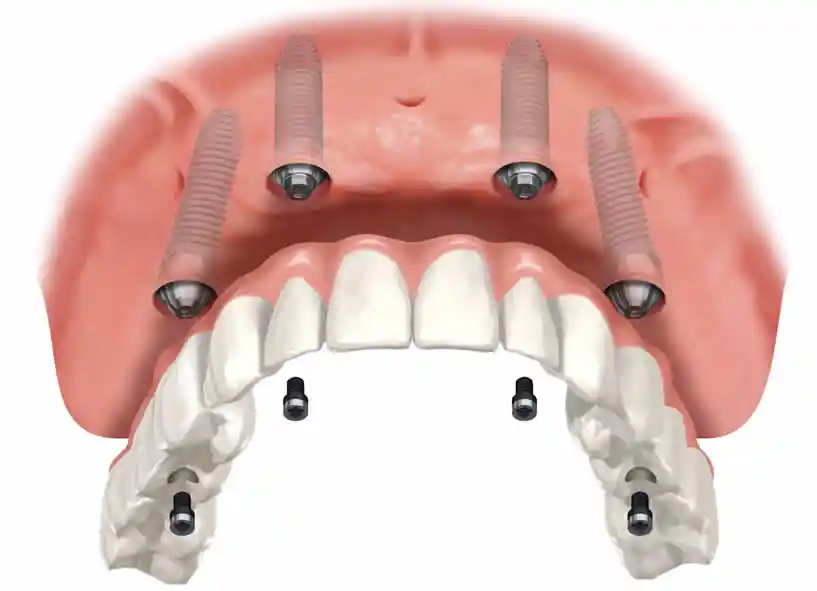
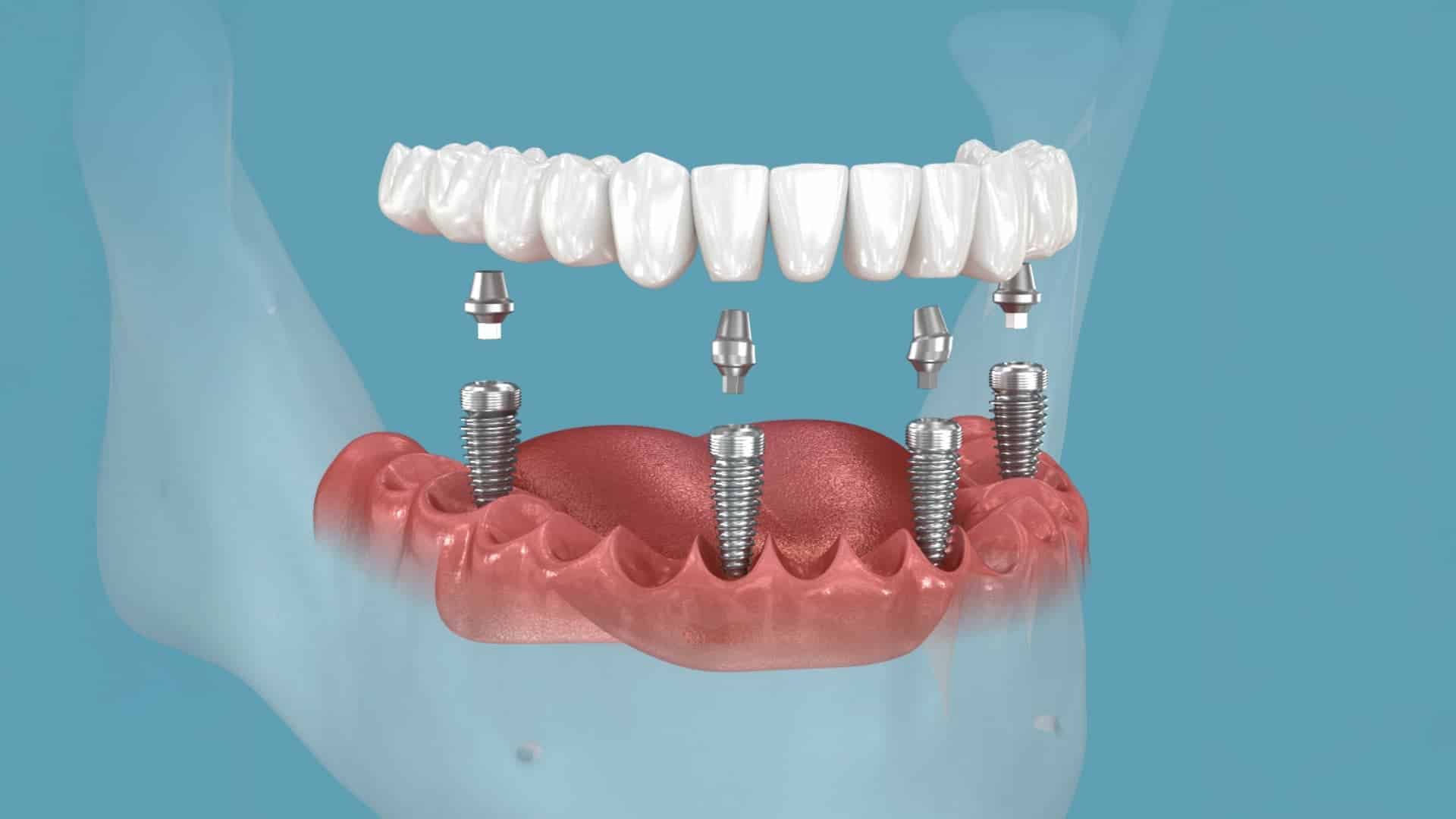
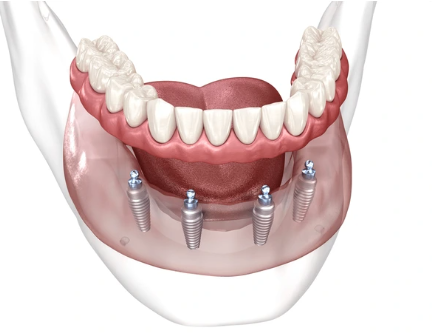
The cornerstone of advanced implant surgery—Zygomatic Implants—represents a remarkable biomechanical revolution that overcomes maxillary insufficiency by using the zygomatic bones (Os Zygomaticum), among the hardest and most resorption-resistant bones of the human skull. While standard implants are typically 8 to 16 millimeters long and are placed only into the jawbone, zygomatic implants are specially angulated, highly engineered titanium columns measuring 30 to 60 millimeters in length. Panorama Ankara’s experienced oral and maxillofacial surgeons bypass (or pass tangentially through/alongside) the severely resorbed upper jawbone and the maxillary sinuses that have expanded into large cavities, anchoring these long implants directly into the granite-like, immovable structure of the zygomatic bones. The zygomatic bone does not resorb or lose volume over a lifetime; therefore, zygomatic implants exhibit exceptionally high primary stability (initial fixation). Thanks to this high stability, there is no need to harvest bone from the patient’s hip or to wait months for graft material to integrate. With this advanced technique—using either four zygomatic implants (Quad-Zygoma) or a combination of two zygomatic and two standard implants (Hybrid Zygoma)—the patient discards their long-used removable dentures on the day of surgery and leaves the clinic with brand-new, permanent fixed porcelain teeth supported by the cheekbones, with absolutely no movement.
Dynamic Surgical Navigation: “GPS” Technology in Dentistry
Placing advanced implants that extend into deep anatomical structures of the skull—such as zygomatic or pterygoid implants—requires three-dimensional vision and millimetric precision in areas the surgeon cannot see directly. Along the route to the zygomatic bone lie the eye socket (orbital floor), major sinus cavities, and critical vascular-nerve networks. Rather than navigating this complex pathway “blindly” or by feel alone, Panorama Ankara employs one of the greatest innovations in medical technology: the 3D Dynamic Surgical Navigation System. Just as a vehicle finds its destination on a dark road using GPS satellites, this system enables real-time tracking of the surgeon’s instrument (the drill/bur) on a computer screen.
Before surgery, a 3D volumetric tomography scan (CBCT) is taken and transferred into a digital planning environment. Our specialist surgeons design the surgical route on this virtual map—determining from which angle the implants will enter the zygomatic bone or skull base, at what depth, and how many millimeters away from vital vessels they will pass. During surgery, optical cameras continuously read the position of the handpiece and project it onto the computer screen. While looking into the patient’s mouth, the surgeon simultaneously monitors the drill’s millimetric progress inside the bone in real time and verifies whether it deviates from the planned angulation. If there is even a micron-level deviation from the intended path, the system issues an immediate warning. This peak of robotic dentistry removes advanced surgical procedures from human error, offering patients a medical comfort zone that is 100% safe, involves less tissue trauma, and heals far more quickly.
Clinical Comparison: Traditional Extreme Bone Grafts vs. Zygomatic/Pterygoid Concepts
The evolution of methods used throughout medical history to restore fixed teeth for patients with virtually no remaining maxillary bone involves dramatic differences in healing times and patient comfort. To help patients clearly analyze the biological burden of each option when making this major surgical decision, Panorama Ankara compares the operational dynamics of traditional autogenous block grafting (hip/shin bone transplantation) with next-generation extra-maxillary (outside-the-jaw) implant systems in the table below.
| Clinical & Daily-Life Assessment | Traditional Autogenous Block Graft (Hip/Shin Bone Transfer) | Advanced Zygomatic & Pterygoid Implant Concept |
|---|---|---|
| Surgical Field & Procedure Burden | Two separate major surgical sites are created: inside the mouth and another area of the body (hip). | Work is performed only intraorally; no additional incisions or trauma are created elsewhere in the body. |
| Treatment Duration & Time to Fixed Teeth | Wait 6–8 months for the transferred bone to integrate, then an additional 4 months after implant placement (about 1 year total). | Because no bone transfer is required, fixed temporary teeth are screwed in on the same day (within 24 hours) the implants are placed. |
| Hospitalization, Recovery & Complication Risk | Typically requires general anesthesia and hospitalization; prolonged walking pain can occur at the hip donor site. | Performed as a same-day procedure under local anesthesia or sedation; no hospitalization or walking limitations are required. |
| Biomechanical Foundation & Resistance to Resorption | The transplanted bone may resorb again over the years and lose volume. | Zygomatic and pterygoid bones are genetically resistant to resorption and provide a lifelong, immovable foundation for implants. |
Pterygoid Implants: Skull-Supported Anchorage in the Posterior Region
In extreme cases where the upper jawbone has severely resorbed, another advanced surgical breakthrough used alongside the zygomatic bones is Pterygoid Implants. At the far back of the upper jaw (even behind the wisdom tooth region) lie the pterygoid processes of the sphenoid bone—one of the foundational bones of the skull. This area, like the cheekbones, consists of extraordinarily dense and hard cortical bone (the pterygomaxillary pillar) that does not resorb over a lifetime. In patients whose posterior maxilla has lost all bone and whose sinuses have enlarged dramatically, there is no sufficient vertical space left to place standard implants.
In these hopeless posterior regions—where even sinus lifting procedures would not be effective—Panorama Ankara’s maxillofacial surgery specialists completely bypass the sinus cavity and place special pterygoid implants measuring approximately 15 to 20 millimeters in length into this rigid skull pillar at about a 45-degree angulation. When pterygoid implants are combined with zygomatic implants or standard anterior implants, they enable the creation of a large, stable chewing platform (a bridge) extending all the way to the most posterior region of the mouth. As a result, the patient not only avoids a major bone graft operation but also immediately regains exceptional crushing and grinding force even in the far-back molar chewing zones.
Recovery and Biological Maintenance After Advanced Maxillofacial Procedures
Although zygomatic and pterygoid implant placement provides a much faster and more comfortable healing process compared to tissue transfer (hip bone grafting), these advanced surgical procedures—reaching deep anatomical structures of the skull—still require the body to undergo a serious cellular adaptation process. For the extraordinary primary stability achieved in the cheekbones and skull base to transform into permanent osseointegration over the following months, Panorama Ankara’s maxillofacial surgery board presents the following two disciplines as strict medical rules after surgery:
- The fixed hybrid teeth placed on the day of surgery are designed to restore social life and provide esthetics; however, to allow bone cells to integrate smoothly along the long implant bodies, patients must strictly avoid foods that excessively strain the chewing muscles (masseter)—such as apples, nuts, or tough meat—throughout the first 3-month recovery period, and must not break the puréed “Soft Diet” regimen prescribed by the clinician.
- Because bacterial plaque accumulation around the soft-tissue emergence areas of advanced implants can trigger peri-implant infection risk, it is vital from the first post-operative day onward that the patient uses the chlorhexidine-containing mouth rinses prescribed by the clinician regularly and does not neglect under-bridge cleaning with a water flosser, which is one of the most important keys to biological success.
Transform Hopeless Cases into Fixed, Powerful Smiles with Panorama Ankara
Remaining toothless for years and undergoing repeated failed bone-grafting surgeries can push patients into a heavy psychological acceptance such as: “I have no bone in my jaw; I’m destined to wear dentures for life.” However, by blending robotic navigation technologies with zygomatic (cheekbone) and pterygoid (skull) anchorage systems in Ankara advanced implant placement, Panorama Ankara eliminates this medical helplessness at its root. No matter how much your bone volume has resorbed, the skull’s immovable natural pillars are ready to become the foundation for your new teeth that can serve you safely for a lifetime.
If you want to compensate for years of resorption and return to the comfort of fixed teeth in just one day—without harvesting bone from anywhere else in your body—you can schedule a detailed maxillofacial surgery appointment at Panorama Ankara to analyze your craniofacial skeleton with your 3D CBCT scan and explore your safe surgical route designed with dynamic navigation, turning what was called impossible into reality through the power of experience and advanced technology.