
Ankara Digital Dentistry
Traditional dental methods are rapidly giving way to high-precision systems brought by digital transformation. Digital dentistry refers to managing every stage of a procedure—from diagnosis and design to production and application—through computer-aided technologies. For patients, this transformation means shorter treatment times, a more comfortable experience, and restorations produced with minimal margin of error. Embracing a pioneering vision in Ankara digital dentistry, Panorama Ankara implements digital workflows as a standard protocol—eliminating the gag reflex caused by conventional impression materials and reducing the length of try-in sessions. The millimetric accuracy provided by technology increases functional success while ensuring that aesthetic results are fully compatible with facial anatomy.
How Does the Digital Workflow Operate?
At the heart of digital dentistry lies an integrated system called the “Digital Workflow.” This process begins by creating a three-dimensional digital copy of the patient’s teeth and surrounding tissues using intraoral scanners. Replacing the putty-like impression materials used in traditional methods, these scanners process thousands of image frames within seconds to generate a virtual model. At Panorama Ankara, this scanning procedure not only simplifies impression taking, but also enables patients to view their current oral condition in detail on large screens and engage in interactive communication with the dentist regarding treatment options. The scan data are instantly transferred to design software via cloud systems, thereby completely eliminating time losses and deformation risks associated with shipping physical models.
During the CAD (Computer-Aided Design) phase, dentists and dental technicians work on the patient’s facial photographs and digital models to shape the form, size, and position of the teeth in a virtual environment. At this stage, Digital Smile Design software is used to simulate—before treatment even begins—how porcelain laminates or zirconium crowns will harmonize with the patient’s lip structure and smile line. These virtual restorations are then sent in the final stage to CAM (Computer-Aided Manufacturing) systems—high-precision milling machines or 3D printers. Porcelain or zirconium blocks are processed under computer control with micron-level accuracy until they reach their final form. This flawless fit ensures a smooth junction between the restoration and the gum tissue, helping maintain oral hygiene and extending the lifespan of the restoration.
Key Differences Between Digital and Traditional Dentistry
The advantages brought by digitalization are not limited to speed; they also have revolutionary effects on the biological compatibility and aesthetic quality of restorations. In traditional methods, micron-level errors resulting from manual processes can lead to restorations that do not fit precisely or cause gum problems over time, whereas in digital systems these risks are controlled through technological supervision. At Panorama Ankara, these advantages provided by digital systems are reflected to our patients as a transparent and predictable treatment journey. In the table below, you can see a comparison of the two approaches in terms of patient experience and technical outcomes:
| Criterion | Traditional Methods | Digital Dentistry (Panorama Ankara) |
|---|---|---|
| Impression Process | Putty-like materials, impression trays, and risk of gagging. | Lightning-fast intraoral scanning—comfortable and highly precise. |
| Design Precision | Manual modeling with variations dependent on the human factor. | Software-assisted millimetric analysis and virtual simulation. |
| Production Speed | Long waiting times due to shipping and manual laboratory processes. | Instant data transfer and same-day production possibility. |
| Aesthetic Predictability | The final result becomes clear only at the completion stage. | Ability to preview the outcome with virtual smile design before treatment. |
| Tissue Compatibility | Minor fit issues due to shrinkage on physical models. | Perfect marginal fit through error-free processing of digital data. |
Digital Smile Design and Mock-Up Applications
One of the most exciting aspects of digital dentistry is that patients can experience treatment outcomes before the process begins. Through photo and video analyses, the patient’s lip movements during speech, the visibility of their teeth, and facial features are transferred to a digital environment. With Smile Design software, the most suitable tooth form for the individual is created on the computer. However, to ensure that this design does not remain only on the screen, a temporary application called a “Mock-Up” is performed. The digital design is converted into a physical model using 3D printers, and temporary materials prepared on this model are applied in the patient’s mouth. When the patient looks in the mirror or smiles, they can see the form, length, and character of the future permanent teeth live on their own face. At Panorama Ankara, for patients with high aesthetic expectations, this stage provides a “mutual approval” process for both the dentist and the patient, preventing potential disappointment later on.
This process serves not only as an aesthetic preview but also as a functional guide. The bite, the relationship of the teeth during chewing, and speech phonetics are optimized through this digital planning. Especially in the restoration of worn teeth or in cases of multiple missing teeth, “analytic occlusion” studies performed on digital data are highly important for protecting temporomandibular joint (TMJ) health. The depth of data provided by technology ensures that treatments not only look beautiful but also function in harmony with oral mechanics. At our digital center in Ankara, engineering discipline and dental aesthetics are intertwined in this way.
3D Printers and Guided Surgery
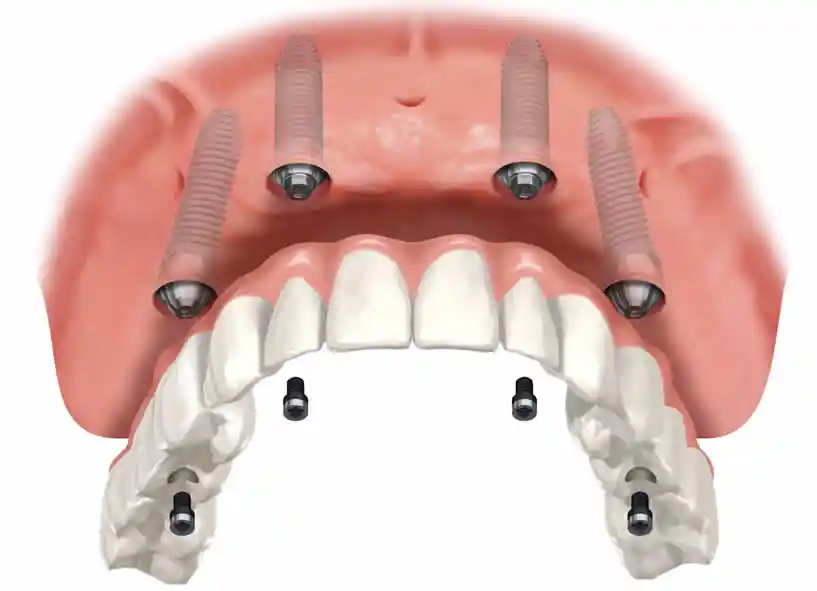
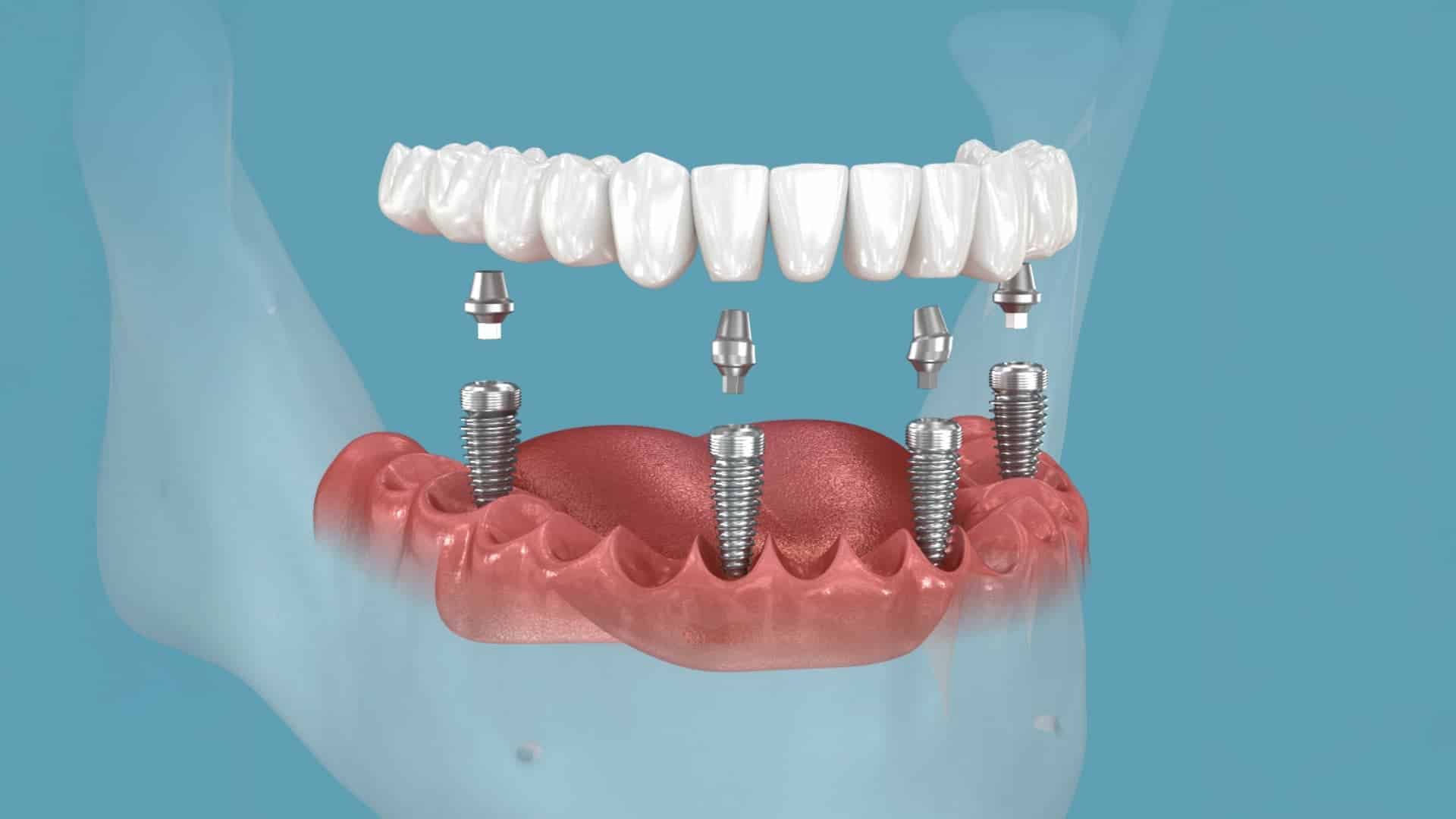
Another application area of digital dentistry is implant surgery. Bone data obtained from three-dimensional dental tomography are superimposed in the computer environment with soft-tissue data from intraoral scanning. In this virtual setting, the exact location, angle, and depth at which the implant will be placed in the jawbone are determined with millimetric precision. This ideal planned position is transferred to “Surgical Guide” plates produced on 3D printers. During the operation, these guide plates are placed in the patient’s mouth, and implants are positioned at the planned points with virtually no margin of error. This method, known as Guided Surgery, offers a sutureless and less invasive surgical option, accelerating healing and improving postoperative comfort.
The key points to consider for successful and sustainable digital dentistry applications are as follows:
- Continuously Updated Technology: Working with the latest versions of software and hardware is essential to maintain data precision.
- Multidisciplinary Expertise: Combining the power of technology with biological principles and expert hands—professionals with strong aesthetic perception who use technology as the right tool—is the key to success.
Tomorrow’s Digital Dentistry with Panorama Ankara
In conclusion, digital dentistry has evolved from being a preference into an indispensable part of modern, high-quality dental care. In Ankara digital dentistry processes, Panorama Ankara offers patients the highest technology blended with humane and ethical values. Leaving behind the discomfort caused by impression materials, previewing the treatment outcome before it begins, and experiencing the comfort of restorations produced with millimetric precision are no longer privileges—they are standard processes in our clinic. To rebuild your smile in an environment of speed, aesthetics, and trust, and to protect your oral health with the technologies of the future, you can visit our clinic and receive detailed information about your personalized digital workflow. We build the smiles of the future with the digital power of today.