

What is Fissure Sealant Application (Dental Vaccine)?
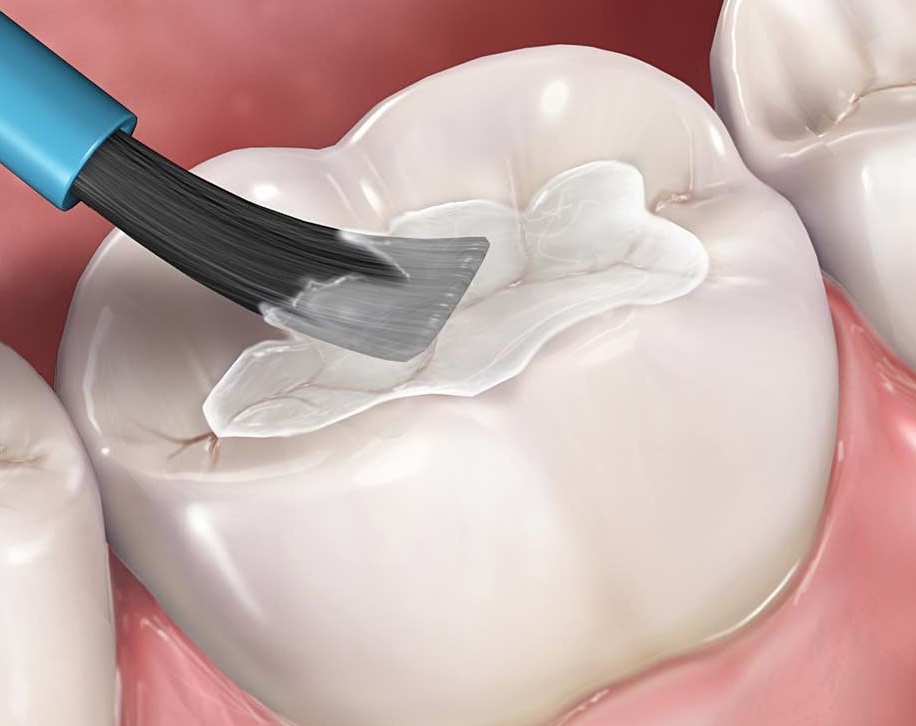
Fissure sealant application is the process of sealing the deep grooves called “fissures” on the chewing surfaces of molar teeth with a special fluid-consistency filling material. This procedure is based on the principle of simply filling anatomical spaces without removing any tooth structure (non-invasive). These sealants, which bond to the tooth enamel at a microscopic level, physically prevent food debris and bacteria from settling into these narrow grooves. Known in medical literature as “Fissure Sealant,” this method is a barrier treatment that prevents the onset of tooth decay.
What is a Fissure, and Why is it Prone to Decay?
The chewing surfaces of teeth are not completely flat; they contain hills (cusps) and valleys (fissures). These valleys, meaning fissures, can be very narrow and deep in some individuals. In fact, these grooves are so thin that the bristles of a toothbrush cannot reach this depth to clean them. However, bacteria and sugar molecules can easily enter these areas. Plaque accumulating in these areas that cannot be cleaned produces acid and begins to dissolve the tooth enamel. According to statistics, approximately 80-90% of tooth decay seen in children starts on these indented chewing surfaces. Therefore, fissures are the most prone risk zones for cavities.
What Does the Concept of “Dental Vaccine” Mean?
The term “dental vaccine” is not a medical vaccination (injection) procedure; it is a metaphorical name used among the public to emphasize the preventive nature of the procedure. Just as vaccines protect the body against diseases, fissure sealants protect teeth against decay. This naming is quite common in terms of explaining the preventive quality of the procedure and its applicability to children. However, no needles or drug injections are administered during the procedure; it is entirely a superficial coating process.
For What Purpose is Fissure Sealant Application Performed?
The main purpose of this application is to protect the grooves, which are the weakest and most vulnerable points of the tooth enamel. Its objectives can be listed as follows:
- To make the tooth surface flatter and smoother, thereby making brushing easier.
- To eliminate secluded areas where bacteria can harbor.
- To prevent food debris from getting trapped in deep grooves.
- To increase the resistance of the enamel tissue against acid attacks (some sealants release fluoride).
- To ensure that the child’s first encounter with the dentist is through a painless and positive procedure.
The Most Common Areas Where Cavity Formation is Seen
The areas where cavities most frequently start within the mouth are the chewing surfaces of the first and second permanent molars (molar teeth). This is followed by the premolars and the pits on the back surfaces of the upper front incisors. While flat and smooth surfaces can be cleaned naturally by the movement of saliva and the tongue, fissured areas are the most difficult areas for mechanical cleaning. Therefore, preventive dentistry strategies primarily focus on these regions.
How Do Fissure Sealants Protect Teeth?
Fissure sealants create a physical barrier between the tooth and the external environment (oral fluids, food, bacteria). The fluid resin seeps down to the deepest point of the fissure and completely seals that area when hardened with light. There is no longer a cavity left for bacteria to enter. Furthermore, bacteria whose source of oxygen and nutrients is cut off become unable to reproduce or produce acid, even if a small amount remains at the base of the fissure. This mechanism breaks the chain of cavity formation before it even begins.
The Importance of Fissure Sealant Application in Children
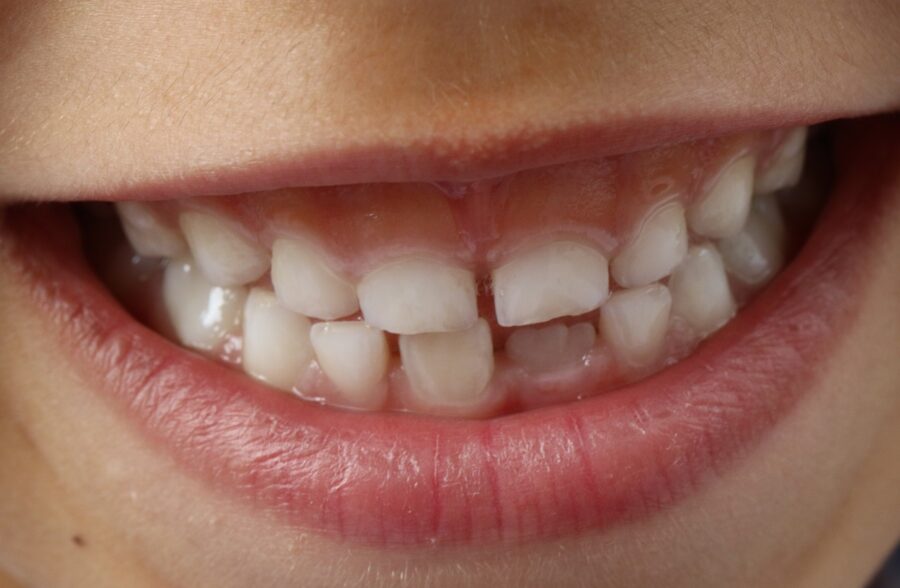
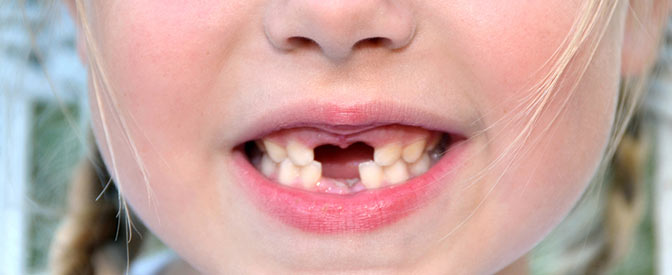
Childhood is the period when dental cavities progress the fastest. Because their motor skills are not fully developed, children cannot brush their teeth as effectively as adults. In addition, the consumption of sugary and sticky foods is high in this age group. The enamel of newly erupted teeth has not yet fully matured (completed its maturation) and is more vulnerable to acids. When these factors combine, fissure sealant application becomes a vital protective shield for children. This intervention, performed before decay occurs, lays the foundation for the child to have healthy teeth for a lifetime.
Protective Effect on Permanent Molars
The “6-year molars” (first permanent molars), which begin to erupt at around 6 years of age in children, are the most important chewing teeth in the mouth and are intended to remain in the mouth for a lifetime. However, because these teeth erupt quietly from the very back of the primary teeth, they are usually not noticed by parents and are mistaken for primary teeth. These teeth, which cannot be adequately cleaned, can decay before they complete their eruption. A fissure sealant applied in a timely manner to 6-year molars is the most effective method to prevent the loss of these critical teeth.
Are Fissure Sealants Applied to Primary (Baby) Teeth?
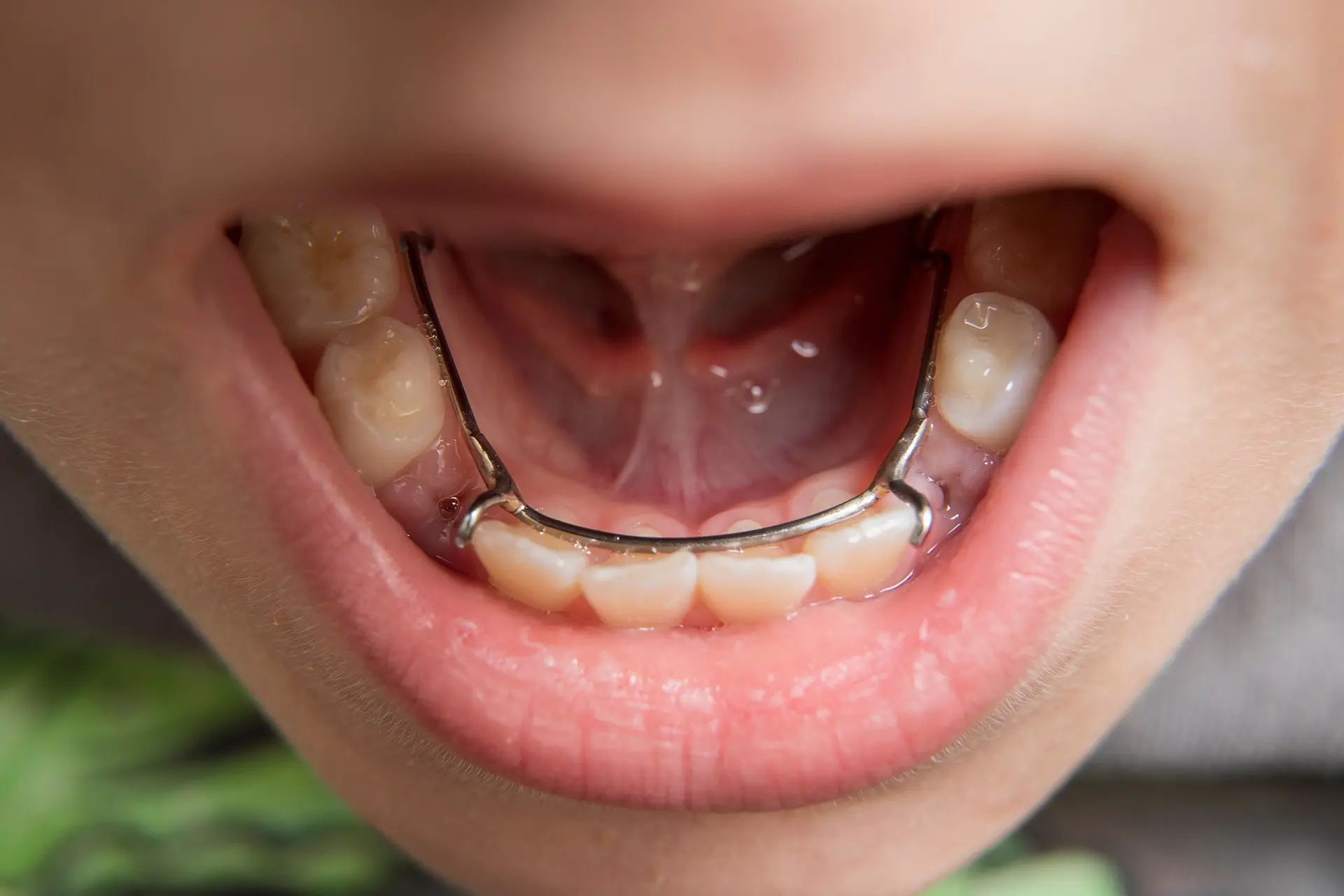
Yes, fissure sealants can also be applied to primary molars, especially in children with a high risk of cavities. Primary teeth act as space maintainers for the permanent teeth that will follow from underneath. Early decay and loss of primary teeth can lead to crowding in permanent teeth. Therefore, primary molars with deep grooves should also be included in the scope of protection. However, priority is always given to permanent teeth.
Who is Fissure Sealant Application Suitable For?
Ideal candidates for this application include:
- Children with newly erupted permanent molars (usually ages 6-7 and 12-13).
- Individuals with a deep and difficult-to-clean fissure structure.
- Children and adolescents in the high cavity risk group.
- Individuals with disabilities who have difficulty maintaining oral hygiene.
- Teeth with early-stage enamel discoloration (where cavitation has not yet formed).
At What Ages Should Fissure Sealants Be Applied?
The most ideal timing is within the first few months after the permanent tooth pierces the gum and erupts into the mouth, because the risk of decay begins as soon as the tooth erupts.
Ages 6-7: Eruption of the 1st Permanent Molars (6-year molars).
Ages 10-11: Eruption of the Premolars.
Ages 12-13: Eruption of the 2nd Permanent Molars (12-year molars).
Routine dental check-ups performed during these periods are very important for catching the eruption time of the teeth and taking them under protection immediately.
How is Fissure Sealant Application Performed?
The procedure steps are extremely simple and are a child-friendly process:
- Cleaning: The tooth surface is cleared of plaque and food debris using special brushes.
- Preparation: A special gel (acid etchant) that allows the sealant to bond is applied to the tooth surface and rinsed off. This process creates microscopic roughness on the enamel surface.
- Drying: The tooth is completely dried. Moisture can cause the sealant to fail.
- Application: The fluid-consistency fissure sealant material is applied into the grooves.
- Hardening: The material is hardened by applying a blue light (curing device).
- Control: It is checked to see if there is any high spot (occlusal interference).
Is it a Painless and Anesthesia-Free Procedure?
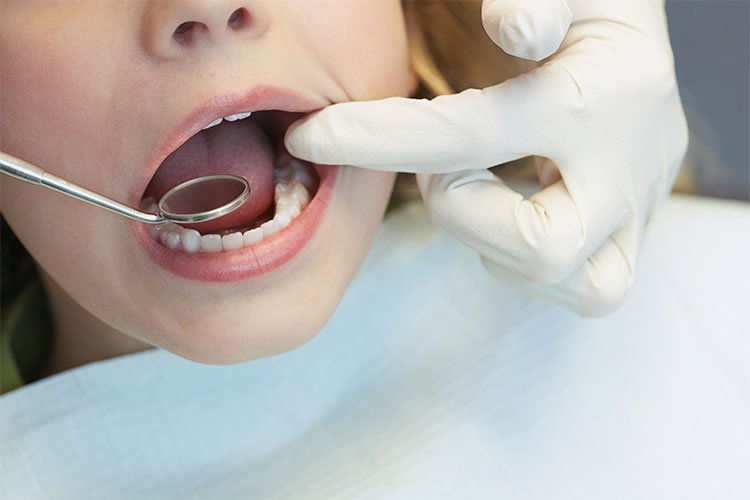
Fissure sealant application is one of the most comfortable procedures in dentistry. Since no tissue is removed from the tooth and no cutting (drilling) is done, absolutely no pain or discomfort is felt. Therefore, there is no need for local anesthesia (injections). The procedure is completely superficial. Thanks to this feature, it is an excellent introductory treatment for children to overcome their fear of the dentist (dental phobia) and get used to the chair.
How Long Does Fissure Sealant Application Take?
Although the procedure time varies depending on the child’s compliance (cooperation) and the number of teeth to be treated, it takes an average of 3 to 5 minutes for a single tooth. Even if all molars (usually 4 teeth) are treated in the same session, the procedure can be completed within 20-30 minutes. Its short duration is advantageous in preventing children’s patience from running out.
What Are Fissure Sealant Materials?
Generally, two types of materials are used:
Resin-Based Sealants: They have a structure similar to dental fillings (composite) but are much more fluid. They have high durability. They are preferred in cases where the tooth can be kept completely dry.
Glass Ionomer-Based Sealants: They are more tolerant of moisture and have fluoride-releasing properties. They can be preferred temporarily or permanently in cases where teeth have not fully erupted or the child’s saliva control is difficult.
Things to Consider After Fissure Sealant Application
Immediately after the procedure, the child or adult patient can eat and drink; there is no waiting period. However, for the application to be long-lasting, it is recommended to avoid chewing very sticky foods such as gum, jellybeans, and caramels, as well as biting hard objects like crushing ice. Furthermore, having a fissure sealant applied does not mean that the tooth will never decay; toothbrushing and flossing must continue with the same diligence.
How Long Does a Fissure Sealant Last?
Fissure sealants can remain on the tooth surface for many years (3-5 years or more) when applied correctly and well-maintained. However, they can wear out or fall off over time due to chewing forces, teeth-grinding habits, or hard foods. Studies show that even if the application breaks down, the material remaining in the deep parts of the fissures continues to provide some level of protection.
The Importance of Regular Check-ups
The most critical point of fissure sealants is follow-up. If a part of the sealant breaks or lifts from the edge, bacterial leakage can occur in this area. Therefore, the status (retention) of the sealants is checked during routine dental examinations performed every 6 months. If there are missing or detached parts, they can be easily repaired or renewed (re-application) by the dentist.
The Difference Between Fissure Sealant and Fluoride Application
| Feature | Fissure Sealant (Dental Vaccine) | Fluoride Application (Varnish/Gel) |
|---|---|---|
| Mechanism of Action | Physical barrier (Seals the grooves) | Chemical strengthening (Hardens the enamel) |
| Application Area | Only the grooves on the chewing surface | All surfaces of the tooth |
| Longevity | Stays on the tooth for years | Repeated periodically (every 3-6 months) |
| Purpose | To prevent food accumulation | To increase enamel resistance |
Advantages of Fissure Sealant Application
Its greatest advantage is that it saves the tooth from more expensive and invasive treatments such as fillings or root canal therapy. Natural tooth structure is 100% preserved. Esthetically, it matches the tooth color or is transparent, making it unnoticeable from the outside. It dramatically reduces the risk of cavities. It allows children to establish a positive relationship with the dentist.
Possible Disadvantages and Limitations
Fissure sealants have no known side effects. Its only limitation is that it cannot prevent interproximal (between two teeth) cavities; the use of dental floss is essential for these areas. Additionally, if saliva control cannot be achieved during the application (due to the child being extremely active or having nausea), the sealant may not adhere well to the tooth and may fall off prematurely.
Is Fissure Sealant Application Safe?
Yes, fissure sealant materials (dental resins) have been used safely in dentistry for decades. Scientific studies on the trace amounts of substances (BPA derivatives, etc.) in the material’s content have revealed that the amount released into the oral environment is far below the level that would harm human health, and the preventive benefit of the procedure is many times greater than this theoretical risk. It is considered safe by the World Health Organization and dental associations.
Effectiveness in Preventing Cavity Formation
Scientific data shows that cavity formation in teeth with fissure sealants is reduced by up to 80% compared to those without. Especially in communities and individuals with a high risk of cavities, this simple measure is the most powerful tool that positively changes dental health statistics. Panorama Ankara recommends this evidence-based medicine practice as a standard preventive protocol.
Frequently Asked Questions About Fissure Sealant Application
1. Should teeth be brushed after the dental vaccine is applied?
Absolutely. Fissure sealants only protect the chewing surface. Brushing must continue for the other surfaces of the tooth and the gums.
2. Can it be applied to adults as well?
Yes, it can be performed for preventive purposes in adults who have no cavities or fillings in their teeth but possess deep grooves.
3. How does its cost compare to a filling?
It is generally a more economical procedure compared to filling treatment. More importantly, since it protects the tooth, it prevents future expenses.
The Future of Healthy Teeth with Early Protection
A healthy smile begins with the right steps taken in childhood. Fissure sealant application is one of the most powerful weapons we have to protect our children’s teeth against cavities. With this painless, fast, and effective method, it is possible to ensure they preserve their natural teeth for a lifetime without developing a fear of the dentist. Operating with the awareness of preventive dentistry in Ankara, Panorama Ankara meticulously carries out fissure sealant applications for healthy generations.