
Ankara Fixed Implant Dental System: Say Goodbye to Removable Dentures and Rediscover Biomechanical Freedom with Panorama Ankara
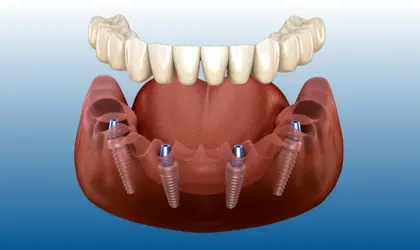
Losing oral and dental health does not merely create an aesthetic deficiency; it also evolves into a multidimensional syndrome that profoundly disrupts an individual’s nutrition dynamics, digestive-system physiology, and the quality of social communication. For many years, in cases of partial edentulism where multiple teeth were lost, or in total edentulism where all teeth were missing, the standard solution offered by medicine was removable (take-in/take-out) dentures. However, because removable dentures are tissue-supported, they often rub against the jawbone during chewing and cause sore spots, may shift during speech, and can restrict the sense of taste—meaning patients almost always face a challenging adaptation process. In modern dentistry today, Ankara fixed implant dental system applications—representing the peak point reached by biomaterials science and digital surgery—eliminate these functional limitations entirely. Panorama Ankara frees patients from the psychological burden of removable plates that are placed in water every night by redefining quality of life with fixed bridge systems built on titanium roots that integrate with the jawbone at a cellular level, feel like natural teeth, and never move out of place.
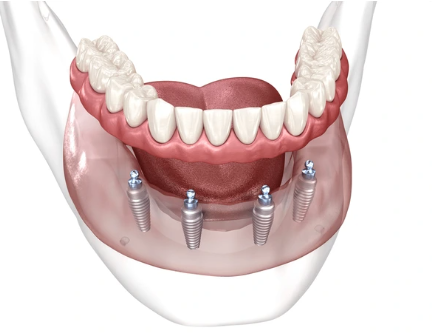
The fundamental medical philosophy of fixed implant systems is transferring load-bearing principles from soft tissue to bone. Conventional removable dentures transmit chewing pressure directly to delicate gingival tissue and the underlying bony surface, which can cause severe jawbone resorption over time. In fixed implant systems, however, titanium implants placed surgically into the jawbone and fused with it (osseointegration) carry the entire chewing load of porcelain/zirconia bridges that are screwed or cemented on top. This biomechanical architecture ensures that force is transmitted homogeneously into deeper bone—just as with a natural tooth root. Thanks to these titanium structures, the jawbone receives continuous mechanical stimulation, the resorption process is halted, and bone volume is preserved. Panorama Ankara’s expert oral surgeons and prosthetic dentistry specialists (prosthodontists) plan—down to the millimeter—how many implants will be used and what type of fixed bridge will be built on them, based on the patient’s anatomy, bone density, and occlusal relationship with the opposing jaw, using 3D tomographic analyses.
Biomechanical Foundations: How Implant-Supported Fixed Bridges Work
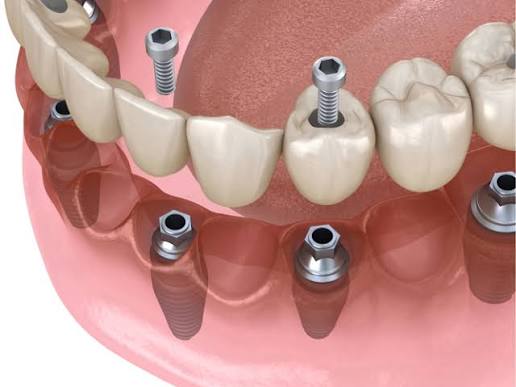
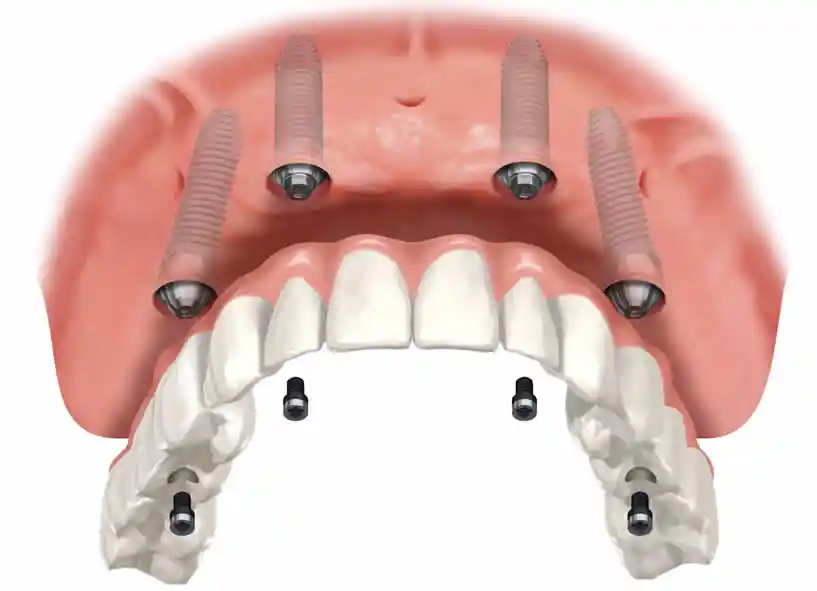
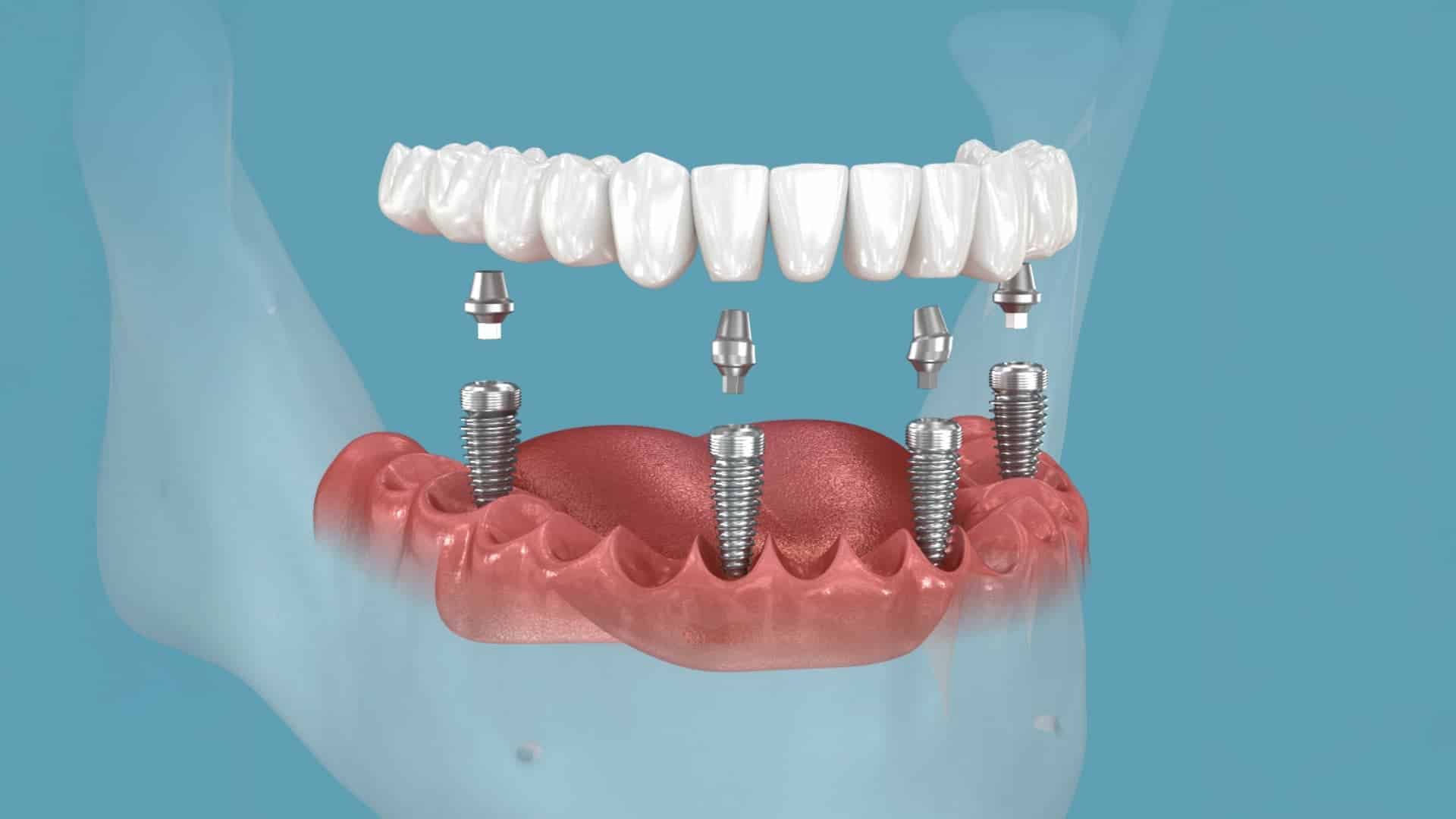
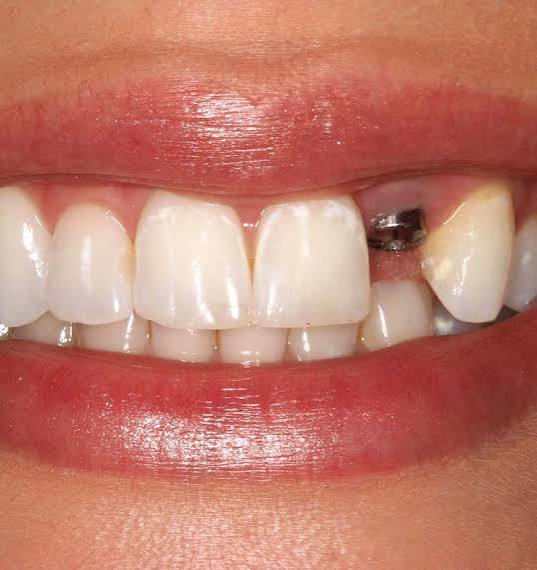
For a fixed implant system to perform chewing function smoothly for many years, the flawless application of physics and dental engineering is essential. To rehabilitate an area where three or four adjacent teeth are missing, placing an implant for every missing tooth is not always biologically, anatomically, or clinically necessary. In the implant-supported fixed bridge biomechanics applied at Panorama Ankara, strong implants are placed at both ends of the missing area (or at strategic load-bearing points), and the space between them is connected with pontics (bridge-body teeth) produced as a single unit in the laboratory. This bridge design distributes occlusal (chewing) forces placed on the implants, preserves their stability within bone, and prevents bone loss caused by overload.
How these bridges are connected to implants is another critical medical decision within the treatment. Fixed systems generally fall into two main categories: cement-retained systems and screw-retained systems. In cement-retained systems, the bridge prosthesis is fixed onto the intermediate component (abutment) attached to the implant using special dental cements. However, in screw-retained systems—considered the gold standard in contemporary implantology literature—the porcelain or zirconia bridge is locked directly into the implant with miniature titanium screws. The greatest advantage of screw-retained systems, which Panorama Ankara clinicians frequently prefer, is that if cleaning under the bridge is needed years later or if a small porcelain repair becomes necessary, the clinician can loosen the screw within seconds and remove the bridge as a single piece without harming the tooth structure; after completing the procedure, it can be safely screwed back into place. This offers outstanding clinical comfort in terms of sustainability and easy management of potential complications.
Clinical Analysis: Alternative Treatment Methods in Partial and Total Edentulism
For replacing missing teeth, patients have options beyond implants, including different prosthetic alternatives. Yet each method affects the bone tissue, adjacent healthy teeth, and the patient’s daily comfort in fundamentally different ways. Panorama Ankara provides transparent clinical information to help patients consider long-term biological costs while evaluating these treatment choices. The table below compares the main medical and operational differences between conventional methods used in multiple tooth loss and fixed implant systems.
| Clinical Evaluation Criterion | Removable Partial Denture (Clasp/Snap-On Plate) | Traditional Tooth-Supported Fixed Bridge | Fixed Implant Dental System (Implant-Supported Bridge) |
|---|---|---|---|
| Supporting Tissue and Chewing Force | Force loads onto the gum and bone surface. Chewing capacity is far below that of natural teeth. | Force loads onto the healthy teeth on both sides of the gap and can overstrain them. | Force is transmitted directly to bone through titanium implants, providing chewing power closest to natural teeth. |
| Impact on Adjacent Healthy Teeth | Clasps can rub against healthy teeth over time, leading to wear and gum recession. | To place the bridge, the enamel of perfectly healthy adjacent teeth is irreversibly reduced (prepared). | Adjacent healthy teeth are not touched at all; only the missing area is restored independently. |
| Preservation of the Jawbone | Because the bone is not stimulated and is compressed from the surface, it resorbs rapidly over time. | The bone beneath the extraction site receives no stimulation and begins to collapse over the years. | Implants stimulate the bone from within, stopping resorption and preserving jawbone volume for life. |
| Comfort of Use and Psychological Impact | Must be removed and cleaned nightly, and it can create a foreign-body sensation in the mouth. | Fixed and not removable; however, cleaning underneath can be demanding and may require special brushes. | Fixed and feels completely like natural teeth, providing high self-confidence. |
Passive Fit and Advanced CAD/CAM Manufacturing Technology
The secret to long-term success in fixed implant systems lies in the microscopic engineering principle known in medical literature as “passive fit.” An implant bridge must seat onto the implants it is screwed onto with zero resistance—like a key entering a lock—without creating even a micron-level pressure or tension. If the bridge produced in the laboratory has a microscopic discrepancy and the clinician forces it onto the implants and tightens the screws, the resulting mismatch (stress) causes chewing forces to reflect onto the jawbone as destructive strain. In the short term, this can lead to screw loosening or fracture; in the long term, it can cause bone loss around the implant and implant failure (peri-implantitis). To prevent these critical errors, Panorama Ankara has completely abandoned old-generation impression materials and transitioned to a fully digital workflow.
In our clinic, after the healing period is completed, the positions of implants within the jawbone are captured and transferred into digital format within seconds using high-resolution 3D intraoral optical scanners. Based on this digital data, the titanium or zirconia internal framework of the bridge is designed in CAD (computer-aided design) software with micron-level precision and produced—without manual handling—by carving it from solid blocks using 5-axis robotic CNC (CAM) systems. This manufacturing technology, fully free from human-hand vibration and the shrinkage margins of conventional casting techniques, guarantees that the resulting fixed prosthesis seats onto implant platforms with “zero tension.” In this way, tons of occlusal forces are safely dissipated without harming the biological system.
Healing After Fixed Prostheses and Sustainable Oral Hygiene
Once implant surgery and fixed prosthesis integration are completed, leaving the clinic with the strong, aesthetic teeth you have missed is not the end of the story—it is the beginning of a new and healthier chapter. Fixed implant systems do not decay like natural teeth; however, the gum and bone tissues surrounding implants are more vulnerable than natural teeth to bacterial plaque that develops with insufficient oral hygiene. Preventing this infectious condition—called “peri-implantitis” in medical terminology, which can cause bone loss around implants—depends not only on the clinician’s surgical success but also on the patient’s at-home care discipline. To ensure fixed implant systems can be used healthily for a lifetime, Panorama Ankara specialists recommend integrating the following critical care routines into daily life:
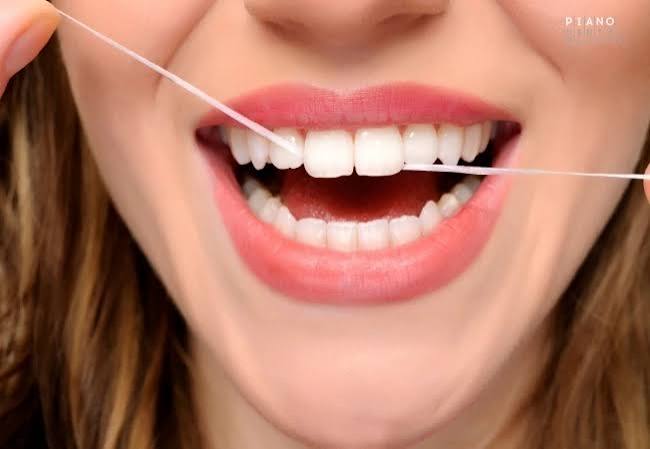
- Because a standard toothbrush cannot reach the underside of fixed bridges (where pontics contact the gums), “superfloss” (special implant floss with a spongy thick section) or water flossers (oral irrigators) should be used regularly every evening to remove food debris that accumulates in these narrow areas.
- To monitor the health of gum tissue around implants and to have microscopic bacterial plaque professionally removed before it reaches the bone, 6-month periodic clinical check-ups and radiographic evaluations must never be neglected.
Uninterrupted Chewing and Renewed Confidence with Panorama Ankara
Removing your favorite foods from your menu due to missing teeth, not being able to laugh comfortably in public, or facing the nightly routine of cleaning removable dentures is an exhausting cycle that restricts your quality of life. By combining oral surgery and advanced prosthetic engineering in fixed implant dental system applications, Panorama Ankara breaks this cycle and gives you back the comfort and biomechanical freedom of your own natural teeth. These permanent systems—friendly to your jawbone, supportive of your lip profile, and capable of restoring speech phonetics—will repair the confidence you feel every time you look in the mirror.
You do not have to endure the sore spots caused by removable plates, nor do you have to sacrifice healthy adjacent teeth by cutting them down for a bridge. To analyze your jawbone in a 3D digital environment, review screw-retained fixed bridge alternatives designed specifically for you, and learn how suitable your oral structure is for this medical transformation, you can schedule a detailed implantology consultation at Panorama Ankara—and enjoy life again with firm, stable steps.