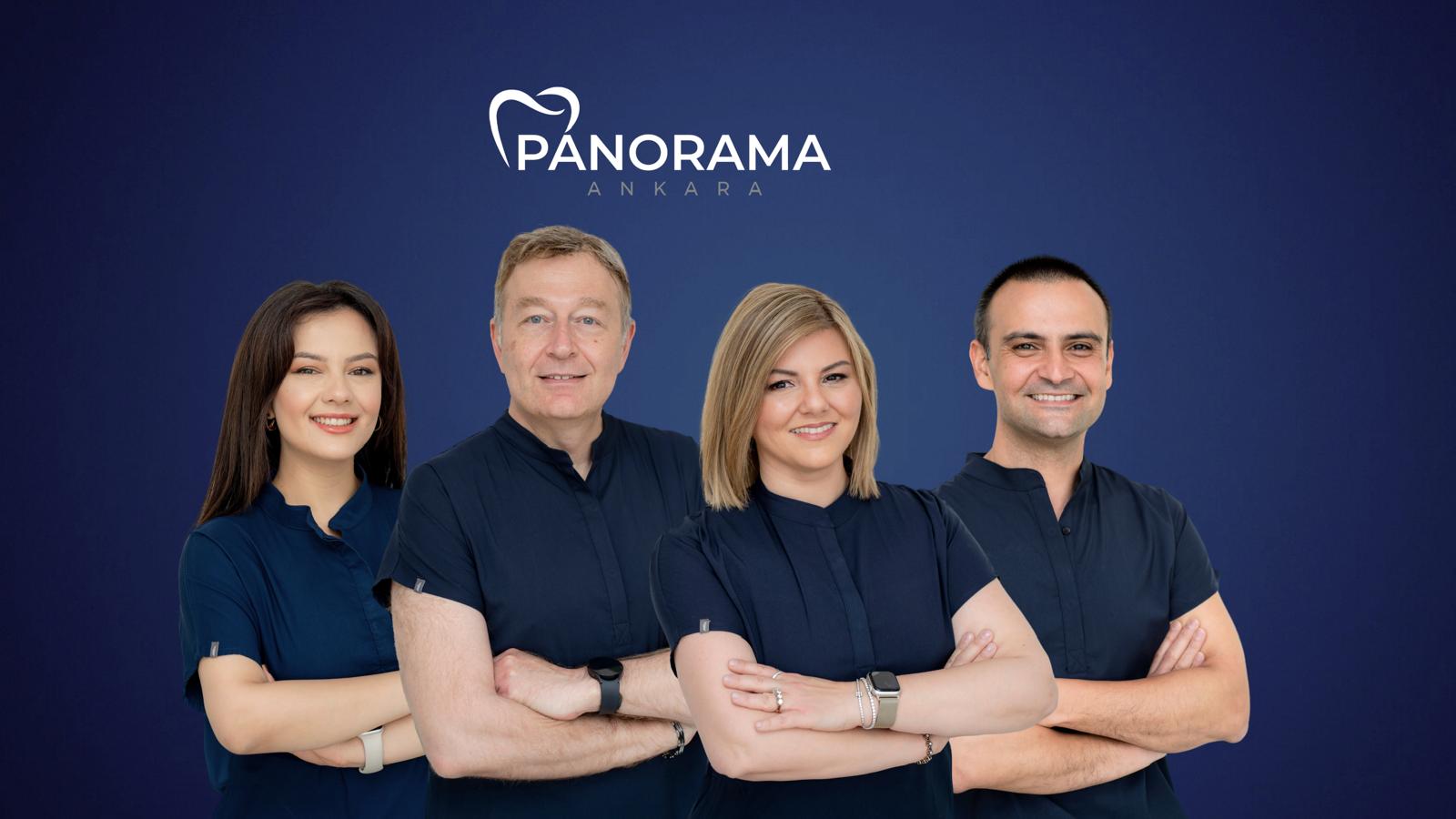


Ankara Implant Center
Oral and dental health is a fundamental health element that directly affects an individual’s overall quality of life, playing a decisive role in many areas from nutrition to speech, from aesthetic appearance to self-confidence. Today, the methods used to address missing teeth have undergone a great evolution in light of technology and scientific studies. Ankara is one of Türkiye’s important centers in terms of health tourism and advanced dental practices. In this context, implant applications, which are frequently used in the treatment of missing teeth, aim to offer solutions suitable for the anatomical structures and needs of patients.
Fundamentals of Missing Teeth and Implant Treatment
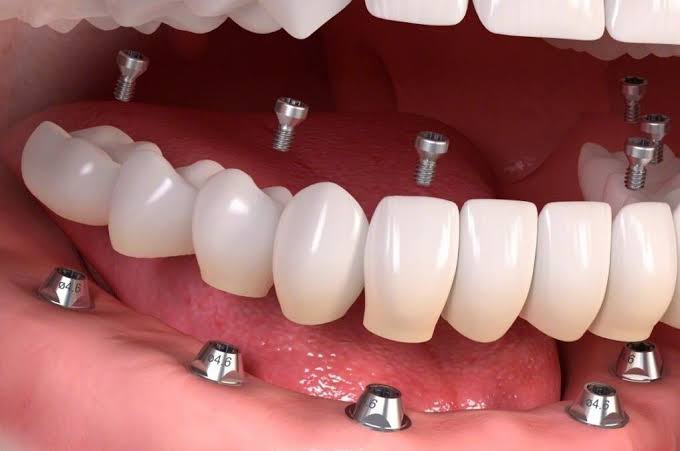
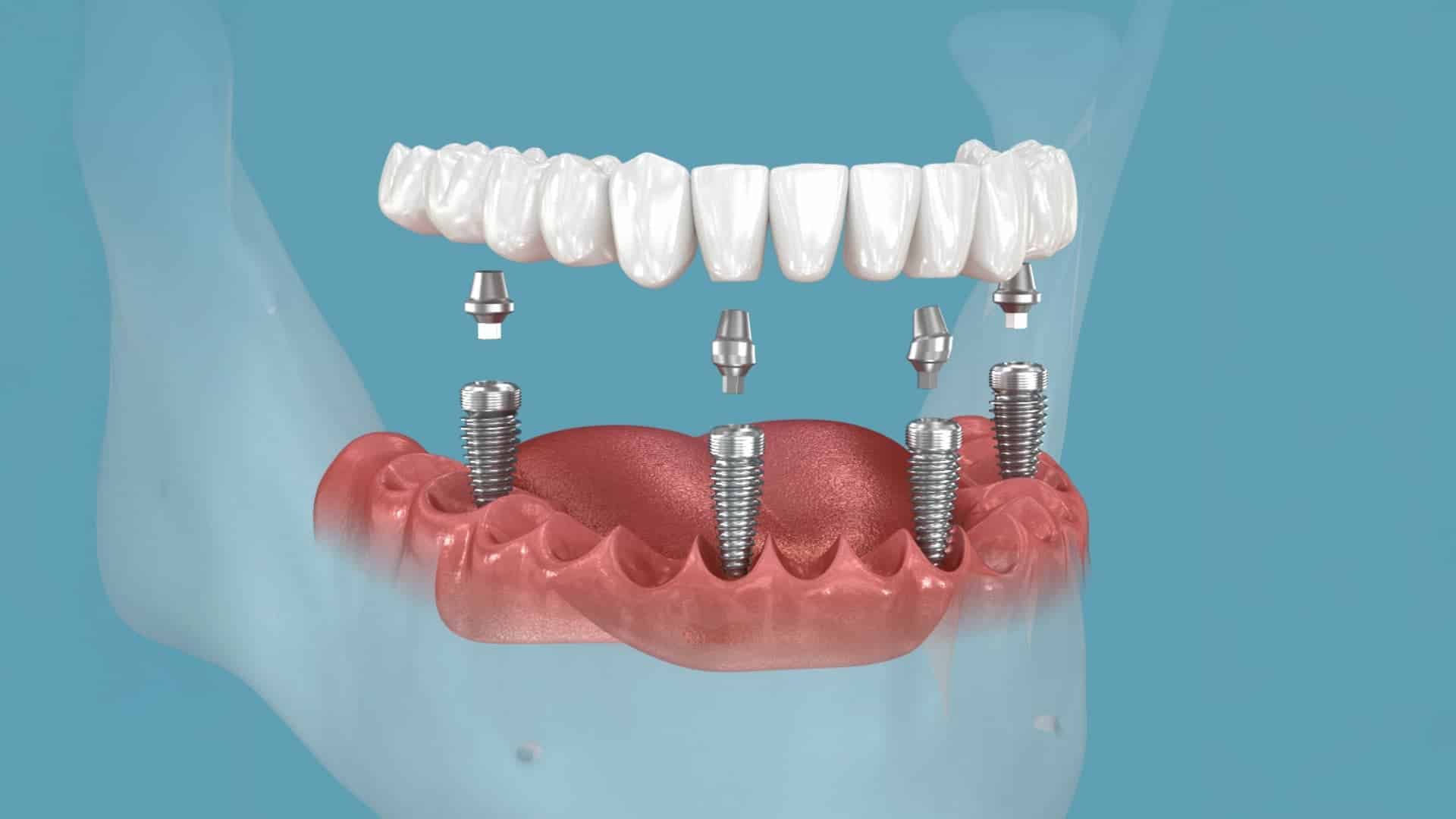
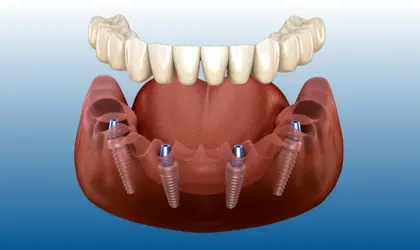
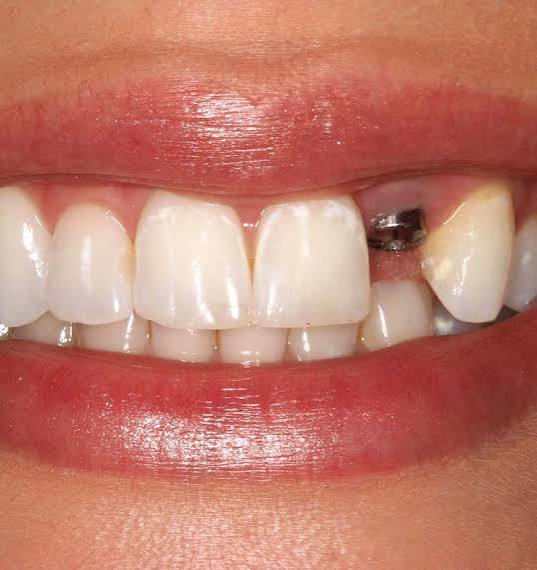
Tooth loss is not only an aesthetic concern but also a serious condition that can lead to physiological problems such as impaired chewing function, speech disorders, and jawbone resorption. In addition to traditional bridges and dentures, dental implants, which are defined as structures that mimic the tooth root, have an important place in the rehabilitation of missing teeth. Implants are essentially artificial tooth roots placed in the jawbone and made from biocompatible materials such as titanium. These structures provide a solid foundation for the prosthetic teeth that will be placed on them.
The fundamental principle of implant treatment is a process called “osseointegration.” This process means the formation of a structural and functional bond between the implant surface and the living bone tissue. Successful osseointegration is critical for the long-term stability and function of the implant. Clinics in large cities like Ankara place great importance on sterilization protocols, physician experience, and the quality of materials used to ensure the healthy progress of this process.
Pre-Treatment Assessment and Planning Process
As with any medical intervention, the path to success in implant treatments involves a detailed diagnosis and planning process. The most important thing patients researching Ankara implant centers should know is that treatment must be personalized. No two patients have the same bone structure, gum health, or general health status. Therefore, individualized treatment protocols are applied rather than a standard approach.
During the initial examination, the physician takes the patient’s general health history (anamnesis). Diabetes, hypertension, heart conditions, or regularly used medications are determining factors in planning implant treatment. Then, radiological imaging methods come into play. Panoramic X-rays provide a general overview, while 3D dental tomography (CBCT) technology allows for millimeter-accurate measurement of the width, height, and quality of the jawbone. In this way, the correct angle and position for implant placement can be determined digitally long before the surgical procedure.
Stages and Process Management of Implant Treatment
Implant treatment generally consists of two main stages: the surgical stage and the prosthetic stage. During the surgical phase, the implant is placed in the jawbone by opening the gum under local anesthesia or, in some cases, using sutureless methods. This procedure is performed in a sterile environment under the necessary anesthesia protocols to ensure the patient does not feel pain. The duration of the procedure varies depending on the number of implants to be placed and the condition of the bone structure.
Following the surgical procedure, a waiting period begins. This period is necessary for the implant to fuse with the bone (osseointegration) and is generally around 2-3 months for the lower jaw and 3-4 months for the upper jaw. However, if advanced surgical procedures such as bone grafting or sinus lifting have been performed, the waiting period can be extended up to 6 months. In some special cases and in cases where bone quality is very good, protocols called “loading,” where the tooth can be placed immediately, may also be considered; however, this decision depends entirely on the physician’s clinical evaluation.
Advanced Surgical Techniques and Bone Deficiency Cases
Patients may sometimes experience bone resorption in the jawbone due to long-term edentulism. This situation means there is not enough bone volume for the implant to take hold. However, modern dentistry can provide solutions even in cases of bone deficiency. Advanced surgical techniques applied in well-equipped clinics in Ankara include:
- Sinus Lifting (Sinus Lifting): This is applied in cases where the bone space is reduced due to the downward sagging of the sinus cavities in the posterior regions of the upper jaw. The sinus floor is lifted upwards, and bone graft is placed in the resulting space.
- Bone Grafting (Bone Powder) Applications: Bone taken from the person’s own bodyor the volume of deficient areas is increased with bone powders produced as biomaterial.
- Split Osteotomy (Bone Expansion): In cases where the bone is very thin, it is the process of surgically expanding the bone to make it suitable for implant placement.
Implant-Supported Prosthesis Options
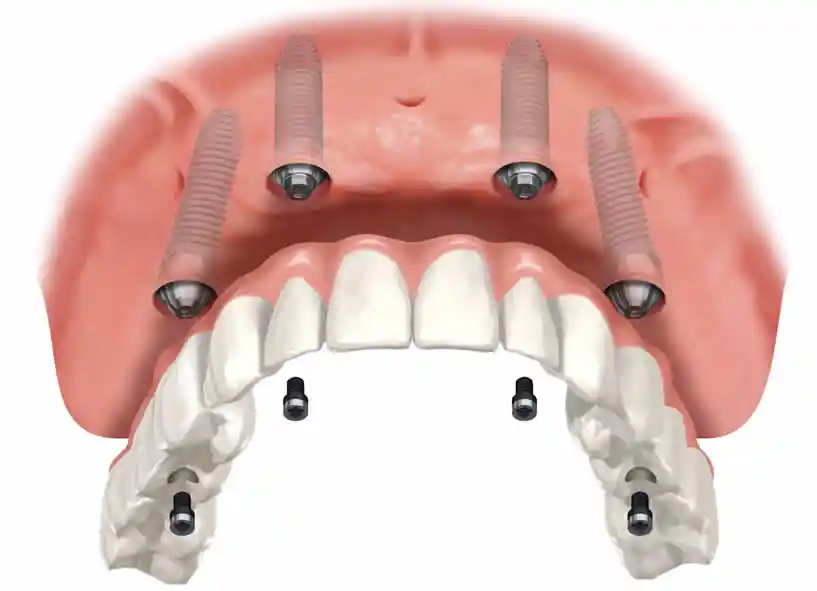
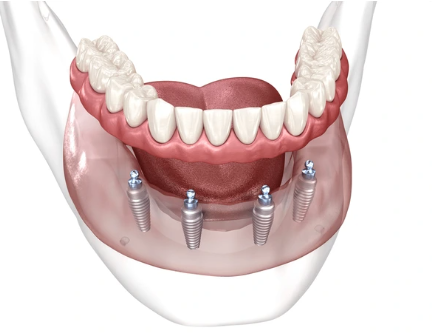
After the implants have fused with the bone, the superstructure phase begins. This is the point where aesthetics and function are completed. The type of prosthesis to be used is determined according to the number of missing teeth and the patient’s expectations. While zirconium or metal-supported porcelains are preferred in fixed prostheses, hybrid prostheses or implant-supported removable prostheses can be planned in cases of complete edentulism. At Panorama Ankara, we meticulously focus on prosthesis designs that are suitable for our patients’ facial features, lip structure, and smile aesthetics.
Implant Materials and Quality Standards
The quality of the material used in treatment is one of the factors affecting long-term success. Titanium is considered one of the materials with the highest biocompatibility. The following table summarizes the characteristics of the basic components used in implant treatment:
It provides aesthetics and chewing function.
| Component | Material | Function and Properties |
|---|---|---|
| Implant Body (Fixture) | Titanium / Ceramic | It acts as an artificial tooth root. It provides biological compatibility with the jawbone. |
| Abutment | Titanium / Zirconium | It provides the connection between the implant and the prosthetic tooth. It is the part that emerges from the gum. |
| Prosthetic (Crown) | Zirconium / Porcelain | It is the visible part of the tooth. |
| Healing Cap | Titanium | Ensures proper formation of the gum tissue around the implant after surgery. |
Oral Hygiene and Implant Care
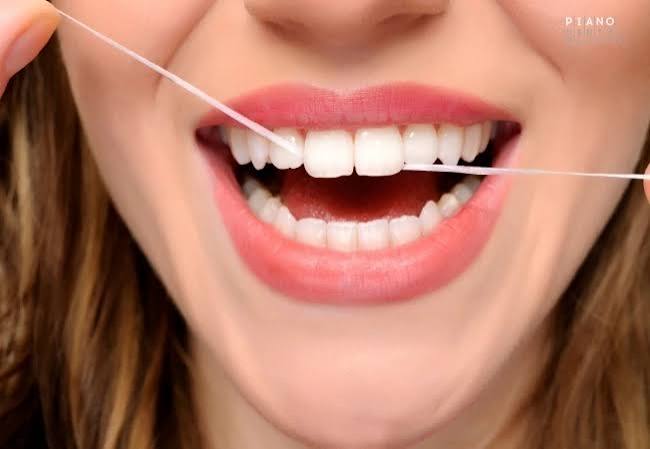
After implant treatment is completed, the most important thing patients should pay attention to is oral hygiene. Neglecting care with the thought that “implants don’t decay” can lead to a serious problem called “peri-implantitis,” which causes inflammation of the gum and bone around the implant. Implants should be cared for with the same care as natural teeth. In addition to brushing, using dental floss, interdental brushes, and oral irrigators are routines that extend the life of implants. In addition, regular check-ups with a dentist every 6 months are vital for the early detection of possible problems.
Why Choose a Specialized Clinic?
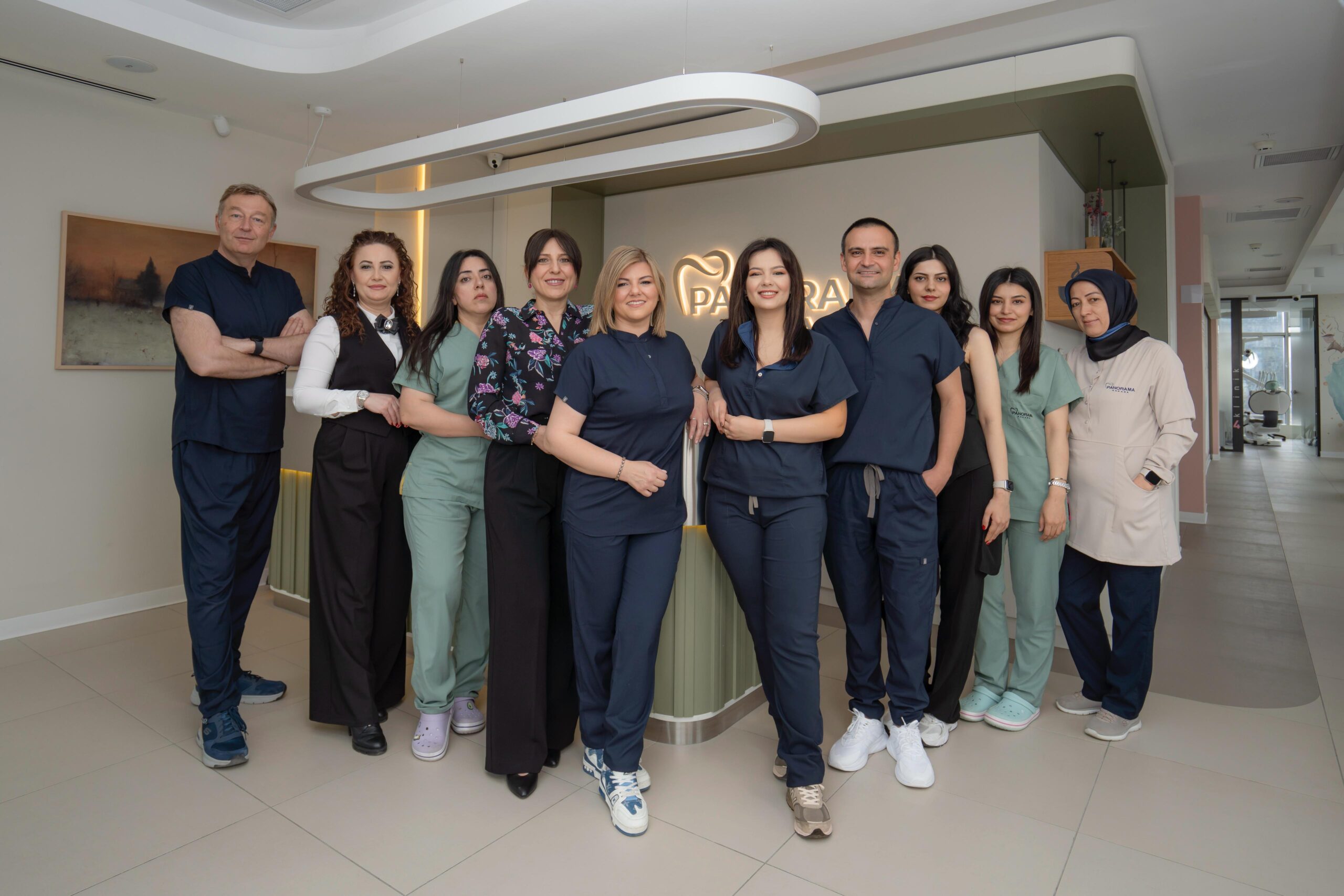
Implant surgery is a serious medical procedure where the sterilization chain must not be broken. To prevent complications such as infection, nerve damage, or implant loss, it is essential that the procedure is performed by competent physicians in clinics with appropriate technical equipment. Ankara, thanks to the high number of dental faculties and continuous education opportunities, hosts competent personnel trained in this field. Panorama Ankara, with its technological infrastructure and approach that follows current treatment protocols, has adopted the principle of always prioritizing patient health.
In conclusion; tooth loss is not fate, and modern dentistry offers powerful solutions to restore lost quality of life. Implant treatment, with the right indication, proper planning, and meticulous care, is a treatment method that can serve for many years, even a lifetime. For a healthy smile and a functional oral structure, you can create the most suitable treatment plan for you by consulting your dentist.