
Ankara Oral Care Training
In modern dentistry, oral care training is not a simple personal cleaning routine hurriedly done in the mornings; it is an advanced “Biofilm Management” discipline in which the microbial ecosystem (flora) inside the mouth is kept under control through the patient’s own motor skills and the correct medical instruments. The transparent bacterial plaque (biofilm) that reorganizes every 12 hours on tooth surfaces and along the gingival sulcus boundary, if not mechanically removed, combines with calcium ions in saliva to turn into tartar (calculus) and ignites the fuse for every periodontal destruction—from cavities to bone loss. Redefining Ankara oral care training standards with the vision of the “Modified Bass Technique” and a “Personalized Oral Hygiene Index,” Panorama Ankara does not merely prescribe a toothbrush; it provides professional preventive-medicine guidance that teaches patients how to reach the hidden corners of their own oral anatomy. These systems applied in our clinic are unwavering health education in which the patient is not only treated, but also takes control of their own biological defense mechanism.
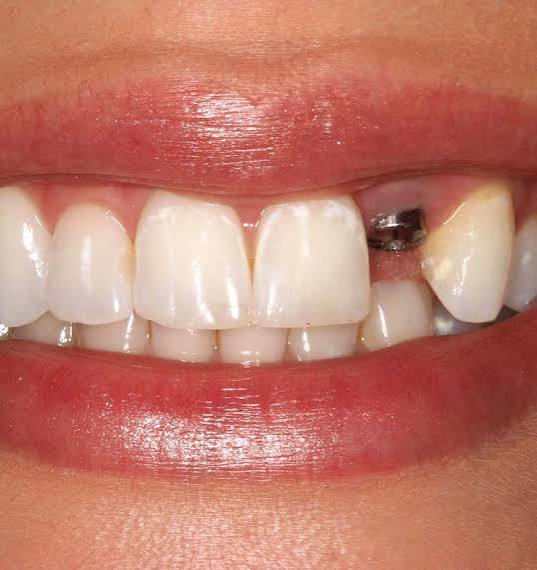
The core scientific success behind oral care training lies in the principle known in the medical literature as “Mechanical Plaque Elimination and Salivary Buffering Capacity”: protecting the oral acid–base balance through organic pathways. In Panorama Ankara’s advanced preventive dentistry unit, each patient’s salivary flow rate, the degree of crowding in their dentition, and any implant/prosthetic substructures are clinically analyzed. Because the “neuromotor brushing need” of a patient with a straight dental alignment is entirely different from that of a patient wearing orthodontic wires or using an implant-supported bridge. In the clinic, special plaque-disclosing solutions are used to reveal, with the help of a mirror, the blind spots the patient misses while brushing. The “Modified Bass” technique—placing the toothbrush bristles at a 45-degree angle into the gingival sulcus and performing vibration and sweeping motions—is embedded into the patient’s muscle memory. This vision transforms oral hygiene services in Ankara from an ordinary brochure-based procedure into a “Preventive Engineering” center that extends the lifespan of major aesthetic and surgical investments.
Clinical Classification: Mechanical Cleaning Instruments and Biomechanical Targets
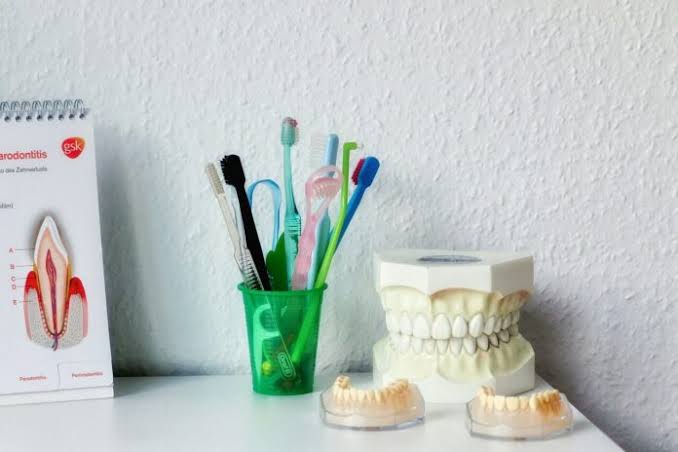
The success of an oral hygiene education program depends not only on the patient learning the brushing technique, but also on their ability to choose the correct “interdental cleaning tools” suited to dental anatomy. While a standard brush cleans only the outer, inner, and chewing surfaces of teeth, it can never reach the spaces between teeth (contact points) where 80% of cavities and bone loss begin. To help patients clearly understand these advanced equipment options, Panorama Ankara presents the training methodology delivered in our clinic within the scientific framework below.
| Oral Hygiene Instrument | Biomechanical Role and Usage Dynamics | Panorama Ankara Clinical Training Strategy |
|---|---|---|
| Sonic / Manual Toothbrushes | To disrupt plaque on broad enamel surfaces and oxygenate the gingival margin through vibration. | Based on the patient’s manual dexterity, we teach angulation of “Ultra-Soft” bristles to avoid soft-tissue trauma. |
| Interdental Brushes | To create friction by entering wider spaces between teeth, around implant bodies, and under orthodontic wires. | A millimetric brush diameter (ISO standards) for each interdental space is prescribed using color codes. |
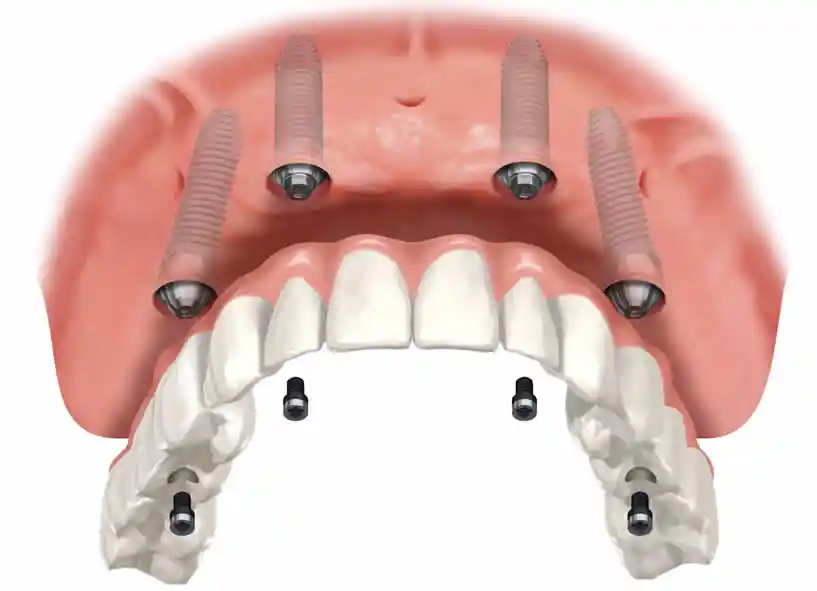
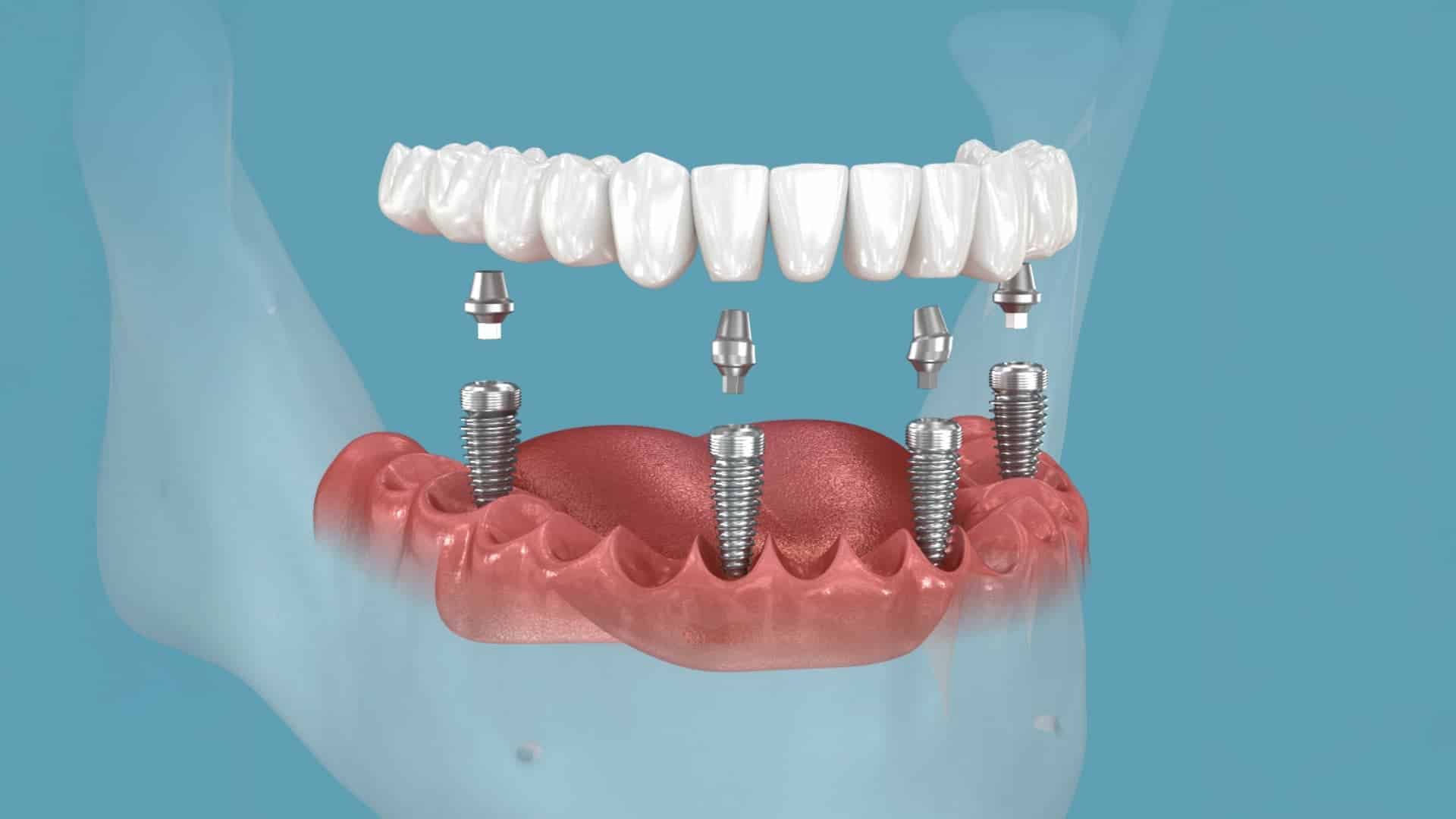
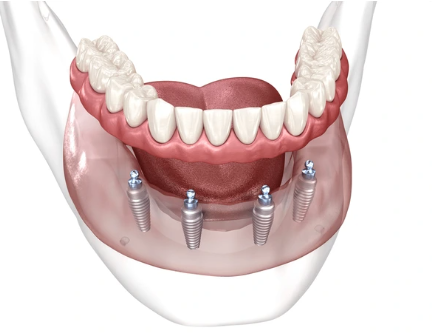
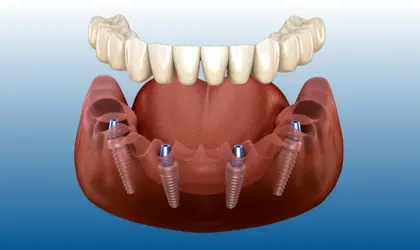
| Water Flosser (Oral Irrigator) | To flush food debris and anaerobic toxins from gingival sulci/pockets with pressurized, pulsatile water. | Especially for patients with All-on-4, bridges, or deep periodontal pockets, we demonstrate the angle for hydrodynamic cleaning. |
| Tongue Scrapers | To scrape sulfur compounds lodged between papillae on the rough dorsal surface of the tongue that cause halitosis. | In the morning routine, the mechanical scraping technique is practiced just before brushing, without triggering the gag reflex. |
Interdental Oxygenation: Eliminating Hidden Threats
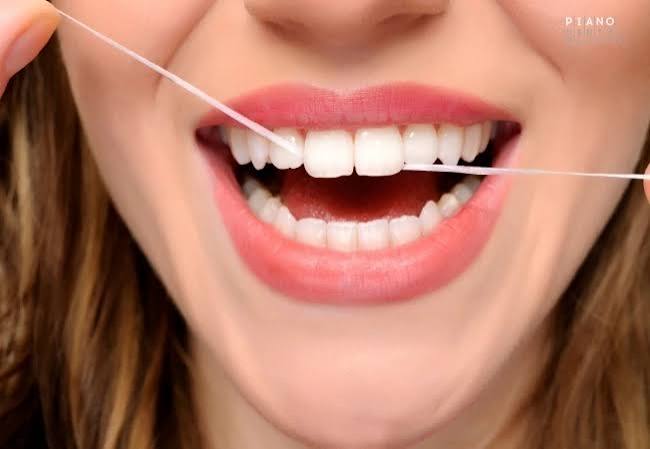
In dentistry, the starting point of all infections is the narrow interdental interfaces where teeth contact each other and saliva’s cleansing effect cannot reach. In these areas—known in the medical literature as “interdental biofilm”—aggressive bacteria that thrive in oxygen-free environments multiply. The heart of oral care training at Panorama Ankara is “interdental oxygenation.” Regular use of dental floss or interdental brushes does not only provide mechanical friction in these tight spaces; it also allows clean air (oxygen) to enter the area, chemically breaking the life cycle of anaerobic bacteria. As a result, not only are interdental (hidden) caries halted, but periodontal pocket formations—which erode the gums and cause teeth to loosen—are also blocked at the cellular level. This is the most effective biological defense strategy a person can implement at home.
Acid Erosion Control and Material Renewal Discipline in Oral Care
Protecting the enamel structure of teeth and extending the lifespan of clinical treatments (porcelain, composite, implants) to those long laboratory-proven years requires more than using the right tools; it requires knowing when and under which physiological conditions to use them. The Panorama Ankara preventive dentistry board presents the following two fundamental rules as a “life constitution” to ensure unwavering protection of biofilm management and enamel health:
- Immediately after consuming acidic foods or drinks such as orange juice, cola, coffee, or lemon, the enamel surface becomes chemically softened (demineralization). Therefore, you must wait at least 30 minutes before brushing; during this time, rinse only with water and allow saliva to restore pH balance (buffering).
- Manual toothbrushes or electric brush heads used for biofilm elimination must be replaced every 3 months—or immediately after severe upper respiratory infections—to prevent bristles from losing their uprightness (mechanical power) and to avoid bacterial colonization (loss of hygiene) on the brush.
Become the Professional Manager of Your Own Health with Panorama Ankara
Recurring gum seepage, discoloration forming along the margins of newly placed fillings, or persistent breath odor despite brushing are not conditions you must endure helplessly; on the contrary, in expert hands, they are a professional process that can be resolved in the comfort of your home through correct anatomical navigation and motor-skill training. In your search for Ankara oral care training, Panorama Ankara combines the “Modified Bass Technique” and “Interdental Oxygenation” protocols to free you with scientific elegance from harsh, memorized brushing habits, bleeding gums, and toothbrush abrasion (abrasion). We respect 100% the anatomical structure of your teeth and gums, and we hand you the golden key of knowledge that will keep the flawless aesthetic and health outcomes we achieve in the clinic alive in your own hands for a lifetime.
To determine your oral microbiome map and the most suitable mechanical brushing route for your manual skill set in our clinical studio, create your personalized prescription for “interdental brushes” or a “water flosser,” and protect—by your own hands—that clean, plaque-free healthy smile every time you look in the mirror, you can schedule a detailed prophylaxis and training consultation appointment at Panorama Ankara and entrust your health to the safe hands of experience and modern science.