

Ankara Pediatric Root Canal Treatment: Advanced Endodontic Solutions for Primary and Young Permanent Teeth with Panorama Ankara
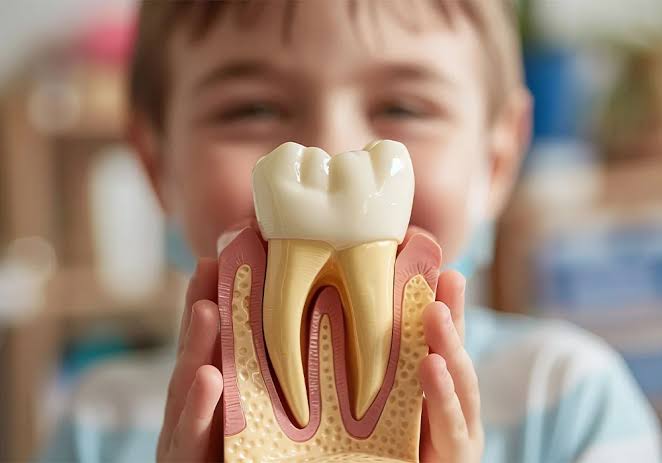
Protecting oral and dental health in childhood is an extremely complex medical process that goes far beyond simply sealing cavities with fillings; it directly affects ongoing jaw development at the cellular level and the health of the permanent teeth developing underneath. The dangerous and unscientific misconception rooted in society—“root canal treatment is not performed on baby teeth”—unfortunately causes many children to suffer severe toothaches, develop abscess-related facial swelling, and ultimately lose the tooth far too early through extraction, leading to irreversible orthodontic losses in the jawbone. In reality, the anatomy of a primary tooth is highly similar to that of an adult tooth: beneath its enamel and dentin layers lies a pulp tissue (the “core”) made up of nerves and blood vessels that keeps the tooth vital, along with roots extending into the jawbone. When caries bacteria reach and infect this nerve tissue (necrosis), the only medical way to keep the tooth in the mouth and stop the infection in the jawbone is through “Pediatric Endodontics,” namely pediatric root canal treatment. Applying the most up-to-date, tissue-friendly treatment protocols in Ankara pediatric root canal therapy, Panorama Ankara aims to treat children’s primary teeth and young permanent teeth that have not yet completed root development with microscopic precision—protecting them from the destructive biomechanical consequences of premature tooth extraction.
Root canal treatments in children are based on a completely different biological and pharmacological philosophy than standard procedures performed in adults. In adult root canal treatment, the canals are tightly sealed with hard, non-resorbable filling materials (such as gutta-percha) intended to remain there for life. However, the nature of a primary tooth involves a remarkable physiological cycle: when the time comes, its roots resorb (physiologically dissolve) and the tooth exfoliates to make way for the permanent successor. If primary tooth roots are filled with rigid, non-resorbing materials as in adults, the erupting permanent tooth cannot resorb those roots, cannot find its path, and may remain impacted within the jawbone or deviate in an abnormal direction—resulting in severe crowding. Aware of this biological reality, Panorama Ankara’s expert pediatric dentistry team uses special iodoform- or zinc oxide eugenol–based resorbable (physiologically dissolvable) canal pastes with proven biocompatibility and infection-eliminating properties in primary tooth root canal treatments (Pulpectomy). Thanks to these advanced materials, the treated primary tooth is completely disinfected, while the eruption journey of the permanent tooth continues naturally without encountering any mechanical obstacle.
The Impact of Primary Tooth Infections on the Developing Permanent Tooth Germ (“Seed”)
The progression of an infection originating in a primary tooth within the jawbone is far more aggressive and dangerous than in adults. Between the root tips of primary teeth and the developing permanent tooth germ directly beneath them, there is only a very thin bony barrier—just a few millimeters. When bacterial inflammation beginning in the pulp leaks through the root canals and forms an abscess (a pus pocket) at the root tip, this acidic and toxic inflammatory fluid can directly contact the developmental sac surrounding the underlying permanent tooth germ. Chronic infections left untreated for a long time—often swelling like a pimple on the gum and intermittently draining (forming a fistula)—may cause permanent discolorations (yellow/brown spots), structural weaknesses (hypoplasia) in the enamel of the developing permanent tooth, and may even lead to cyst formation and total loss of the permanent tooth (Turner tooth anomaly). Panorama Ankara warns parents against this insidious danger, emphasizing that primary teeth causing night pain or gum swelling should not be ignored with the assumption that “they will fall out anyway.” With a timely and successful pediatric root canal treatment, current pain can be relieved immediately, and the health of the permanent tooth the child will use for life can be secured.
The manner in which root canal treatment is performed is determined after detailed radiographic evaluation based on the child’s age, the extent of infection spread in the jawbone, and the degree of physiological root resorption in the primary tooth. Inflamed tissues inside the tooth are gently removed using extremely flexible, thin rotary instruments designed specifically for children (nickel-titanium files), without damaging the root canal walls. The canals are then irrigated with special antimicrobial solutions to eliminate bacteria completely. In Panorama Ankara’s pediatric clinics, these procedures are carried out with modern and effective local anesthesia protocols so the child does not feel even the slightest discomfort—done in a quiet “magic touch” calm. In severely inflamed and abscessed cases, treatment may be extended to two visits by placing therapeutic medicaments inside the canals to allow the infection to dry out completely. After canal filling is completed, the coronal (upper) part of the tooth is restored with composite fillings or with pediatric zirconia/stainless steel crowns that protect the tooth 360 degrees against fractures—bringing the child’s chewing function back to its original strength from day one.
Endodontics in Young Permanent Teeth: Apexification and Apexogenesis
Another highly delicate and expertise-demanding field of pediatric endodontics is the treatment of “Young Permanent Teeth.” When children reach 6–7 years of age, the first permanent molars and permanent incisors that erupt into the mouth are not yet structurally mature. Even after a permanent tooth erupts, root elongation within the jawbone and closure (narrowing) of the root tip (apex) continues for approximately 3 to 4 years. If these young permanent teeth—whose apices are still wide open—lose their pulp vitality due to deep caries or physical trauma such as falls or impacts (pulp necrosis), root development stops abruptly. Performing a standard adult root canal on such teeth is impossible, because the roots remain short, the root walls are paper-thin, and the apex stays like an open tube—causing filling materials to extrude through the root tip and harm surrounding tissues. In these complex cases, Panorama Ankara clinicians apply advanced regenerative endodontic procedures known in the medical literature as “Apexogenesis” and “Apexification” to restart biological development and achieve apical closure.
| Clinical and Biological Factors | Primary Tooth Pulpectomy (Root Canal Treatment) | Young Permanent Tooth Treatment (Apexification) |
|---|---|---|
| Target Tooth Type | Primary teeth that have not yet reached exfoliation age and whose roots are partially or fully intact. | Permanent (adult) teeth whose root tip (apex) has not closed and whose development has remained incomplete. |
| Canal Filling Material Used | Biocompatible pastes that can physiologically resorb (dissolve) over time. | Non-resorbable, hard osteogenic materials such as MTA or bioceramics to create an artificial apical plug. |
| Biological Aim of Treatment | To keep the tooth in the mouth until its shedding age and protect the underlying permanent tooth germ from infection. | To form a hard calcified barrier at the root tip, enabling the tooth to remain in the mouth for life and allowing root walls to thicken. |
| Radiographic Follow-Up Process | Resorption rate is monitored at 6-month intervals until the primary tooth exfoliates. | Requires long-term, detailed radiographic follow-up over years to confirm apical barrier formation and bone healing. |
Post-Treatment Process Management and Parental Responsibilities
Pediatric root canal treatment can be completed very comfortably thanks to the clinic’s advanced technological infrastructure and the dentist’s painless behavior-guidance techniques. After these non-traumatic procedures, the tooth’s disinfection and the drying/healing of the apical inflammation occur within a few weeks through the body’s own cellular healing mechanisms. However, it is essential for parents to actively manage the home-care process during this critical recovery period and thereafter to prevent the tooth from causing problems again. To protect the health of primary or young permanent teeth that have undergone root canal therapy, Panorama Ankara specialists provide parents with these key directives:
- In the first few days after root canal treatment, mild chewing sensitivity (tenderness when biting) is a normal biological expectation due to tissue healing within the jawbone. To pass this period comfortably, pediatric pain relievers recommended by the dentist should be used, and hard foods (nuts, toasted bread, etc.) should be avoided on that side during the first week.
- A root canal–treated tooth will not send pain signals if a new cavity forms because the nerves have been removed; therefore, detailed brushing morning and evening is essential to prevent plaque accumulation, and the dentist’s scheduled 6-month radiographic follow-ups must not be neglected.
Reclaim Lost Smiles with Science at Panorama Ankara
The physical stress experienced by a child who suffers tooth pain, wakes at night, or develops facial swelling deeply affects the quality of life of the entire family. In advanced infection cases, “tooth extraction” is often perceived as the easiest first option; however, in modern dentistry it is considered not only a medical failure but also a major blow to a child’s jaw development. In Ankara pediatric root canal treatment, Panorama Ankara revives even the most hopeless-looking teeth with micro-surgical methods, carefully protecting our young patients’ chewing function and the health of their permanent teeth.
If your child has developed a deep cavity in a primary tooth, experiences severe spontaneous pain or sensitivity when eating sweets, do not wait for the infection to worsen and spread into the jawbone. Restoring infected teeth to health with fearless, painless, and biocompatible materials means giving your child a strong orthodontic foundation they will carry for life. You can schedule a detailed endodontic evaluation appointment at the Panorama Ankara clinic and turn the treatment process into a comfortable health journey for your child.