
Ankara Zirconium Crowns
When we look at the historical evolution of dental material science, there has always been a challenging engineering dilemma between achieving durability against chewing forces and mimicking the optical beauty of a natural tooth. For many years, Porcelain-Fused-to-Metal restorations (PFM) were used for back teeth to withstand massive biting pressure and to replace missing teeth with bridge prostheses by firing porcelain over rigid gray metal alloys. However, although durable, these metal substructures completely block light, creating a dull, lifeless, and opaque (artificial) appearance. Moreover, over time they may oxidize at the gum margin, causing unwanted purple/gray discolorations (metal shine-through). In contemporary aesthetic dentistry, the revolutionary material that completely eliminates this biomechanical and visual dead-end—bringing strength and aesthetics together in one formula—is Zirconium Dioxide (ZrO2). By combining advanced manufacturing technology with its clinical vision in Ankara zirconium crown applications, Panorama Ankara utilizes zirconium transformed into a white, light-transmitting, exceptionally hard ceramic through oxidation, offering restorations that are both biologically tissue-friendly and visually flawlessly natural.
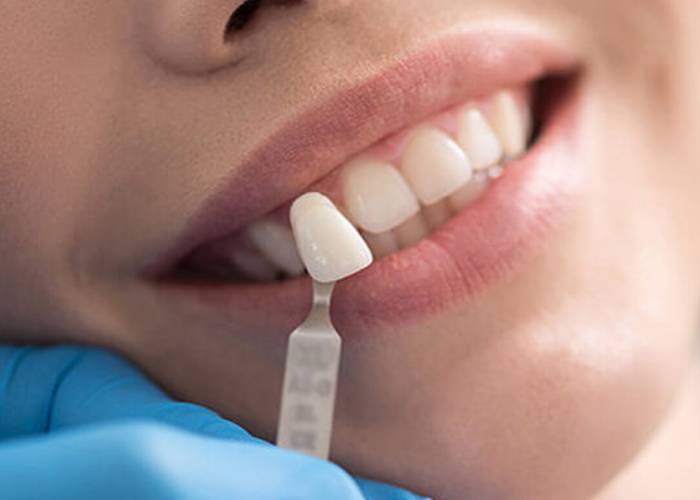
The most distinctive feature that sets zirconium crowns apart from all other restorative dental materials is their outstanding light refraction and reflection (translucency) index. A natural human tooth does not merely reflect light from its surface; part of the light penetrates the enamel layer, refracts within the dentin, and then filters outward from within the tooth. This light transmission is what gives teeth their vivid, deep, and natural look. In metal-based systems, light hits the dark/gray metal underneath the porcelain and bounces back, making the tooth look flat. Zirconium, by contrast, is white and semi-translucent from its core, so it absorbs and reflects light in depth—just like natural enamel. By selecting zirconium blocks best suited to the patient’s facial shape, skin tone, and the micro-anatomy of adjacent teeth, Panorama Ankara’s experienced prosthetic specialists build a high-level “white aesthetic” that appears almost invisible within the patient’s own oral dynamics—so natural that it cannot be recognized as artificial.
Gingival (Gum) Biocompatibility: Preserving Healthy Pink Aesthetics
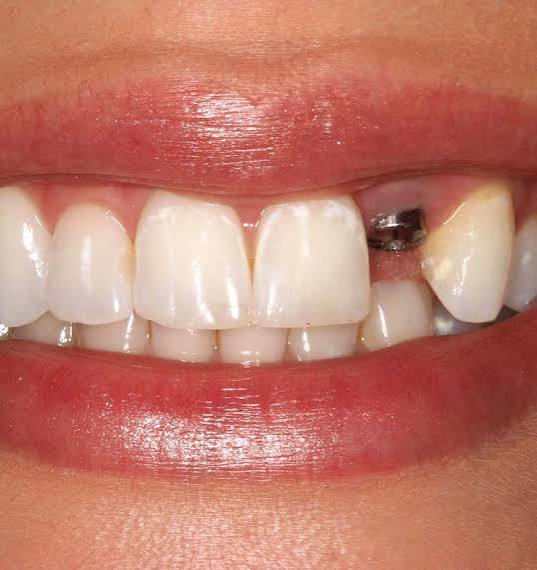
The clinical success of a crown is directly related not only to its aesthetic appearance in the “white” (crown) portion, but also to the microscopic relationship it forms with the gingival tissue (gingival crest). In metal-containing restorations, alloys such as nickel or chromium may interact with oral fluids over time and undergo corrosion (oxidation). This corrosion can pave the way for allergic reactions in the gums, chronic inflammation (gingivitis), gum recession, and the dreaded dark “gray/purple line” at the restoration margin. Zirconium, on the other hand, is classified in the medical literature as a bioinert material (one that does not chemically interact with body tissues and is not rejected). It does not oxidize, does not rust, and does not cause any metallic taste or allergic reactions in the oral environment.
Thanks to zirconium’s exceptional tissue-friendly (biocompatible) structure, gingival cells perceive the zirconium surface almost like a natural tooth root and wrap around it tightly, forming an excellent biological seal. At Panorama Ankara, zirconium crown margins are positioned into the gingival sulcus with millimetric precision. Even if gum recession occurs, the underlying structure that becomes exposed is not gray metal, but the zirconium itself—which is already white—so aesthetic harmony remains uninterrupted for years. This superior periodontal compatibility helps preserve both fresh breath (by preventing halitosis) and long-term gum health.
Material Comparison: Zirconium Substructure vs. Porcelain-Fused-to-Metal (PFM)
For patients to balance budget, expectations, and aesthetic goals during restorative treatment, it is essential to clearly understand the physical and chemical properties of the materials offered clinically. As the cold and durable era of metal closes, zirconium’s vision—melting aesthetics and strength in the same crucible—comes to the forefront. To provide transparent medical guidance, Panorama Ankara analyzes the fundamental biomechanical and aesthetic differences between traditional metal-supported systems and modern zirconium technology in the table below.
| Clinical and Aesthetic Parameters | Porcelain-Fused-to-Metal (PFM) Crowns | Zirconia-Supported Crowns (Restorations) |
|---|---|---|
| Light Transmission and Optical Vitality | The internal metal blocks light, resulting in a dull and opaque (lifeless) appearance. | Transmits and refracts light, closely mimicking the deep, semi-translucent vitality of natural enamel. |
| Gum Compatibility and Metal Shine-Through | Over time, oxidation at the gum margin may create a dark gray/purple line. | Because it is fully white and tissue-friendly, it does not cause allergies, discoloration, or a gray line at the gum margin. |
| Thermal Conductivity (Hot-Cold Sensitivity) | Metal is a good conductor and may transmit heat/cold to the vital tooth, causing sensitivity. | An excellent thermal insulator; it typically does not create hot-cold sensitivity in vital teeth. |
| Manufacturing Technology and Precision | Produced manually using traditional casting and wax-up methods (with a margin of error). | Digitally scanned and produced with CAD/CAM via robotic milling with millimetric accuracy. |
| Allergic Reaction Potential | Alloys such as nickel and chromium may cause gum allergies in some patients. | Medically 100% biocompatible, with no risk of metal allergy or toxic reactions. |
CAD/CAM Technology: From Digital Scanning to Robotic Milling
The true “magic” behind why zirconium crowns differ so sharply and flawlessly from conventional porcelains lies not only in the chemistry of the material, but also in a digital workflow based on the principle of “zero human error” during production. At Panorama Ankara, zirconium treatment begins not with nauseating traditional impression pastes, but with high-resolution 3D intraoral optical scanners. The microscopic, three-dimensional map of the prepared teeth is transferred within seconds as a digital dataset into CAD (Computer-Aided Design) software. Expert designers then create a virtual crown design by calculating the occlusion relationship with the opposing teeth, the anatomical form of neighboring teeth, and facial contours.
Once the design is approved, the data are sent to the CAM (Computer-Aided Manufacturing) unit—high-tech robotic CNC milling devices. These machines carve massive, pure, pressed zirconia blocks (discs) using diamond burs, transforming the virtual design into a tangible tooth form. At this stage, the milled zirconia crowns are chalk-like, soft, and fragile. To gain their true strength and signature white color, they are fired for hours in specialized sintering furnaces at ultra-high temperatures reaching approximately 1500°C (sintering). After this thermal shrinkage and hardening process, the zirconia substructure becomes as hard as steel—capable of withstanding tons of chewing force—while also providing a perfect optical foundation for the thin feldspathic (aesthetic) porcelain layers that may be applied on top.
Monolithic Zirconia or Layered Zirconia: The Right Material for the Right Case
With the advances of medical science and material engineering, zirconia itself has been divided into different technological subgroups. Panorama Ankara clinicians select specific zirconia types based on the location of tooth loss (front aesthetic zone vs. back chewing zone) and the patient’s oral habits (such as teeth clenching—bruxism). For anterior teeth—incisors that capture and reflect the most light when smiling—layered zirconia is generally preferred. In this technique, strong zirconia is used only as a core (substructure), and highly translucent, finely crafted aesthetic porcelains are fired on top to maximize light transmission. This allows the unique bluish/gray semi-translucent incisal edges of natural enamel to be replicated flawlessly.
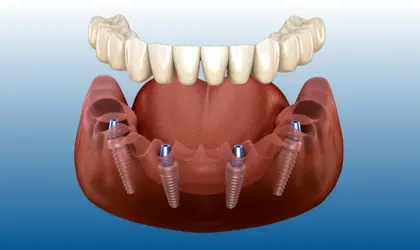
For posterior molars—where pure fracture resistance against chewing forces is required rather than maximum esthetics—or for patients with severe bruxism, monolithic zirconia becomes the material of choice. In this technique, no porcelain layer is added over the zirconia core; the entire tooth is milled and polished from a single solid zirconia block. Because it carries no risk of porcelain chipping or cracking, monolithic zirconia acts like an unbreakable medical armor. These monolithic blocks—tissue-friendly, white, and even stronger than metal—are among the most reliable load-bearing solutions, especially for long-span bridge restorations.
Maintenance and Longevity Strategy for Zirconium Restorations
Zirconium crowns do not decay because they are artificial materials. In addition, thanks to their smooth and polished surfaces, they are far more resistant to staining from tea, coffee, or smoking than natural enamel. However, this does not mean oral care can be neglected. To protect the health of your natural roots beneath the crowns and prevent gum recession around the restorations, the following critical care rules must be followed to extend the lifespan of zirconium crowns:
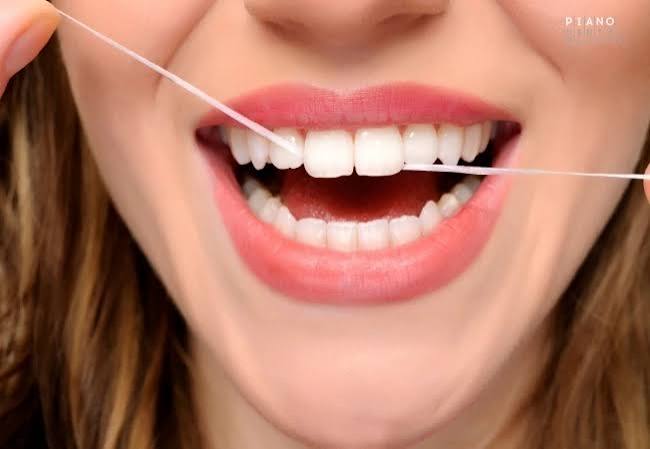
- To prevent plaque accumulation at the cervical margin where the zirconium crown meets the gums, and especially between teeth, daily use of dental floss, special interdental brushes, or pressure-based water irrigators (water flossers) must be integrated into the routine.
- No matter how hard the material is, avoid excessively traumatic lever-like actions that contradict dental physiology—such as attempting to crack hard nut shells with the teeth or using teeth to open caps—so as not to loosen the roots under the crowns or shorten the life of resin cements.
The Perfect Union of Strength and Aesthetics with Panorama Ankara
When compensating for missing teeth or correcting shape irregularities, taking refuge in the cold, allergenic, and aesthetically limiting shadow of metal is no longer a necessity in modern dentistry. Producing art-like restorations with high biocompatibility in Ankara zirconium crown applications, Panorama Ankara blends the strongest and most aesthetic materials nature offers with digital engineering while rebuilding your smile. With crowns that embrace your gums flawlessly and transmit light to signal health and youth, you can elevate your chewing comfort to an aesthetic peak.
To leave hot-cold sensitivity behind, to eliminate the disturbing gray line at your gum margin, and to experience on-screen how your oral structure can transform into a brand-new form in a three-dimensional digital environment, you can schedule a detailed prosthetic design consultation at Panorama Ankara and step into radiant, strong smiles that are 100% compatible with your natural tissues.