
Ankara Zirconium Teeth
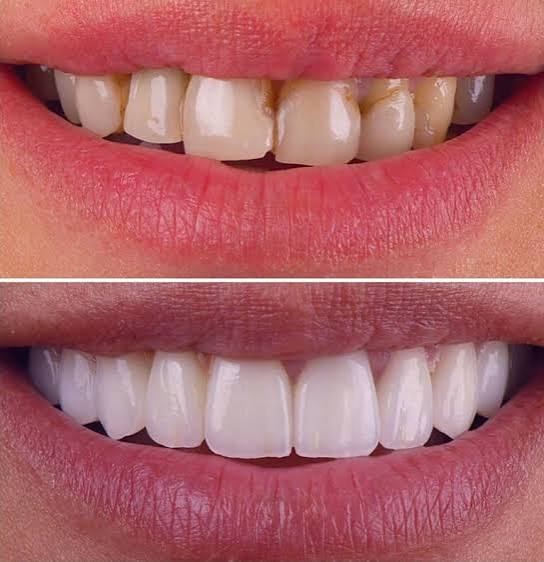
While dentistry has historically been a discipline focused solely on relieving pain and restoring chewing function, in recent years it has gained a new dimension with advancements in materials science and increasing aesthetic expectations. One of the most important actors in this transformation is undoubtedly “Zirconium”. Ankara, being the capital of Türkiye and thanks to its developed healthcare infrastructure, is a center where modern dental practices and digital technologies (CAD/CAM) are used intensively. In Ankara, zirconium dental treatments stand out as a scientific and technological response to patients’ desire to achieve results closest to the appearance of natural teeth. Unlike the opaque appearance and gray reflections at the gum line caused by metal substructures, the crystalline structure of zirconium allows light to pass through like natural tooth enamel, providing depth and vibrancy.
1. Zirconium Material Science and Biocompatibility
Zirconium (Zr) is a naturally occurring element, but in dentistry it is used not in its pure form, but in the form of “Zirconium Dioxide” (ZrO2). This ceramic material, also called “ceramic steel,” has extraordinary durability. However, the main feature that makes zirconium indispensable in dentistry is its excellent compatibility with the human body.
Tissue compatibility, or biocompatibility, means that a material does not cause any allergic reactions, toxic effects, or inflammation when it comes into contact with body tissues. Zirconium, which can be safely used even in individuals with metal allergies, establishes a neutral relationship with the gums. Unlike metal-supported crowns, which can cause discoloration or graying of the gums over time (gingival tattooing), zirconium material does not exhibit this. Furthermore, its lower thermal conductivity compared to metals contributes to minimizing sensitivity to hot and cold. In modern laboratories in Ankara, zirconium blocks are processed with micron precision using computer-aided systems (CAD/CAM), maximizing the fit between the tooth and the crown.
2. Treatment Protocol and Clinical Processes
Zirconium dental treatment is not a procedure completed in a single day, but rather a disciplined process involving specific stages and trials. The dentist’s planning and the laboratory’s workmanship determine the success of the result.
- Examination and Planning: In the first stage, the patient’s intraoral condition, occlusion relationships, and gingival health are evaluated radiographically and clinically. Technologies such as Digital Smile Design (DSD) can simulate the possible post-treatment appearance in a digital environment.
- Preparation (Tooth Preparation): In order for the zirconium crown to fit the tooth, a certain amount (usually 1-1.5 mm) of abrasion must be made on the tooth surface. This procedure is performed under local anesthesia.
- Impression Taking: The impression of the prepared teeth is taken digitally using traditional silicone materials or intraoral scanners. Digital impressions are preferred in many clinics in Ankara for their comfort and precision.
- Temporary Teeth: Temporary teeth are applied in the same session to prevent the patient from experiencing sensitivity and to maintain the aesthetic appearance until permanent veneers are prepared.
- Trial and Fitting: The fit, color, relationship with adjacent teeth, and occlusion of the zirconium substructure and the porcelain applied on it, which come from the laboratory, are checked in the mouth.
- Cementation (Bonding): Veneers that successfully pass all trials are permanently fixed to the teeth using special adhesives (cements).
3. Comparison of Zirconium and Metal-Supported Porcelain
One of the most frequently asked questions by patients is the differences between zirconium and traditional metal-supported porcelain. The table below analyzes these two materials from technical and aesthetic perspectives.
| Features | Metal Supported Porcelain | Zirconium Veneer |
|---|---|---|
| Light Transmittance | Low (May give an opaque appearance). | High (Semi-transparent like natural tooth enamel). |
| Gum Compatibility | May cause graying of the gums over time. | Biocompatible, does not discolor. |
| Durability | High chewing force It is resistant. | Very high (Can also be used in back teeth). |
| Thermal Conductivity | High (There may be a risk of sensitivity). | Low (Minimal sensitivity). |
| Aesthetic Result | Provides standard aesthetics. | Provides high aesthetics and naturalness. |
4. Monolithic Zirconium Technology
In traditional zirconium applications, zirconium was used as a substructure and aesthetic porcelain was applied on top. However, with the developments in materials science in recent years, the concept of “Monolithic Zirconium” has emerged.
Monolithic zirconium crowns are crowns produced entirely from block-shaped zirconium without the use of a porcelain superstructure. The biggest advantage of this method is that it eliminates the risk of porcelain chipping. It is preferred especially in patients with bruxism problems or in posterior teeth to provide extra resistance against chewing forces. New generation monolithic zirconium crowns, thanks to their gradient (color transition) properties, can provide both durable and aesthetic results. Dental laboratories in Ankara can produce both functional and aesthetic restorations using this technology.
5. Care and Oral Hygiene
The lifespan of zirconium teeth depends not only on the quality of the material or the workmanship of the dentist, but also on the patient’s oral care habits. Zirconium does not decay, but the patient’s own tooth tissue under the crown can decay or develop gum disease.
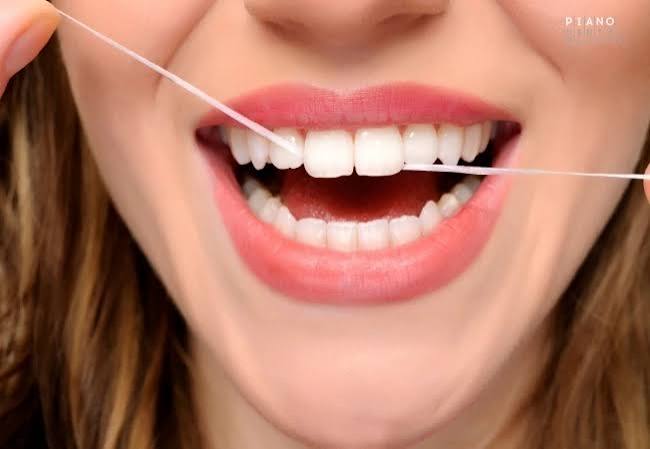
The care of zirconium crowns is no different from that of natural teeth. Brushing at least twice a day, flossing, and mouthwash routines should not be neglected. Especially “superfloss” or interdental brushes are critical for cleaning the areas where the crowns meet the gums. In addition, regular dental check-ups every six months are essential for the early detection of potential problems and for the crowns to remain healthy for many years.
6. Legal Basis and Patient Information
Dental practices are a healthcare service, not a commercial activity. Therefore, legal and ethical rules must be followed when evaluating treatment options.
Legal Notice in Healthcare
This content is prepared for informational purposes only and does not replace diagnosis and treatment. Zirconium dental treatment or other dental procedures vary according to each patient’s anatomical structure, oral health status, and needs. Suitability for treatment, the scope of the procedures to be performed, and costs can only be determined as a result of a clinical and radiological examination by a dentist. According to Law No. 1219 and related regulations, advertising, guaranteeing, sharing before-and-after images, and stating prices are prohibited in healthcare services. For the most accurate information, please consult your dentist.
Conclusion: The Technological Reflection of Naturalness
In conclusion; Zirconium dental applications in Ankara are a powerful treatment option that stands at the intersection of aesthetic expectations and functional needs. This material, far from the coldness and opacity of metal, embraces light and is gum-friendly. When applied by skilled hands and with the right indications, it offers results that improve patients’ quality of life. A healthy smile is not just an aesthetic choice, but an integral part of overall health and self-confidence.