

Do Teeth Shift Again After Orthodontic Treatment?
The risk of teeth shifting again (relapse) after orthodontic treatment is always physiologically present; however, this risk can be kept under control by carefully following the retention protocols applied at the end of treatment. This tendency to shift back, caused by the elastic structure of the fibers surrounding the teeth, is managed with protective appliances.
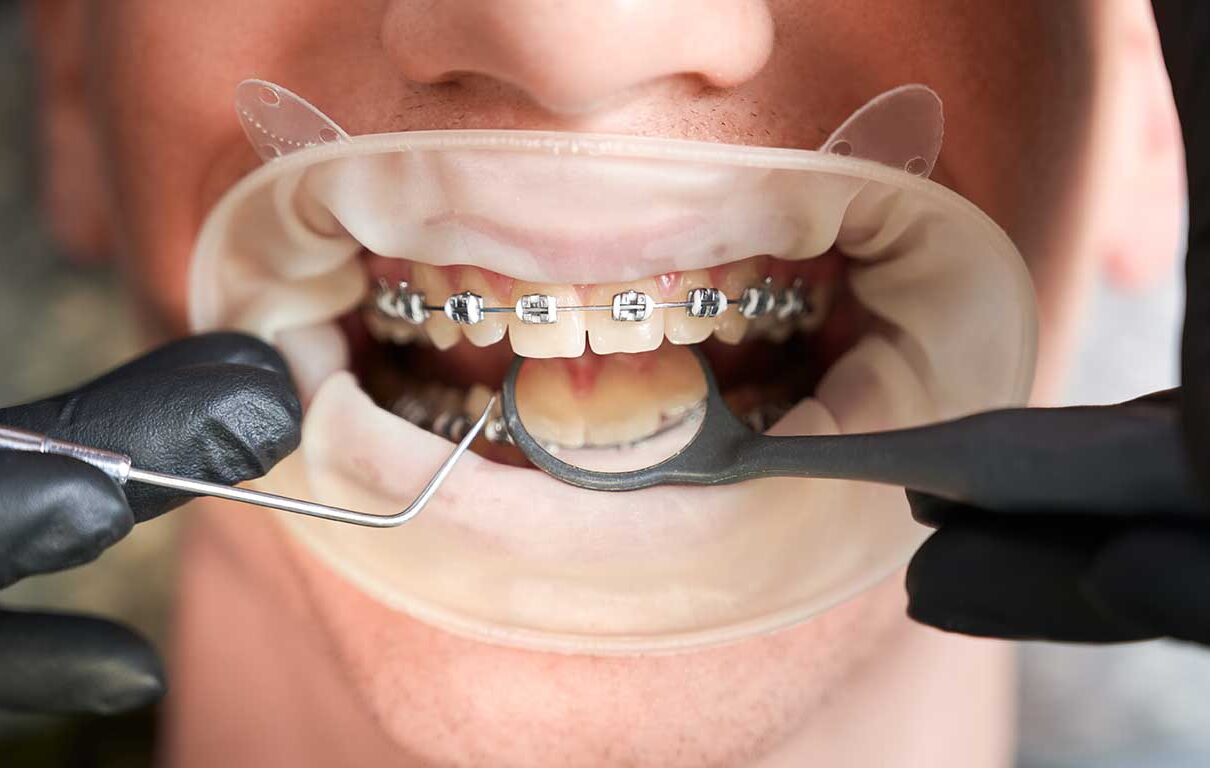
During orthodontic treatment, which can last for months or even years, teeth are moved slowly and in a controlled manner within the jawbone to bring them to their ideal aesthetic and functional positions. Although the day the wires or clear aligners are removed from the mouth is a source of great happiness for patients, biologically the treatment is not yet considered fully complete. The dynamic nature of the bone and connective tissues in the human body causes the moved teeth to “remember” their old, crooked positions. Being aware of this biological fact and strictly following the instructions of the orthodontic specialist are the most fundamental requirements for preserving the healthy smile achieved for a lifetime.
Why Do Teeth Want to Return to Their Former Position After Orthodontic Treatment?
The main reason teeth want to return to their former position is that the microscopic fibers called the “periodontal ligament,” which connect the tooth roots to the jawbone, have an elastic structure. After orthodontic movement is complete, these fibers remain stretched and tend to pull the teeth back toward their original positions until the bone fully hardens.
We can compare this process to the stretching of a rubber band. When braces move a tooth to a new position, bone is resorbed on one side of the tooth while new bone tissue forms on the other side. However, it takes months for this newly formed bone structure to fully mature and calcify (harden). When the braces are removed, the surrounding gum fibers still tend to retain their old form. This condition, referred to as “relapse” in the orthodontic literature, is not a structural fault of the teeth but a natural consequence of the body’s tissue memory. Mechanical support for the tooth is essential so that the bone cells and connective tissue can fully adapt to the new condition.
What Is Retention Treatment and Why Is It Applied?
Retention treatment is a passive protection phase applied after the active orthodontic movement process ends, aimed at ensuring the teeth remain stable in their new positions. This treatment is applied to allow time for the newly formed bone tissue to harden and to increase the stability of the teeth against chewing forces.
The retention phase is considered the most critical part of orthodontic treatment. No matter how successful the active treatment is, if the retention period is neglected, losing the results achieved is inevitable. During this period, no movement-inducing force is applied to the teeth; the only goal is for them to remain stable in place. Based on the dentist’s evaluation, the retention method or methods (a combination of fixed and removable systems) best suited to the patient’s dental structure, bite form, and initial degree of crowding are prescribed.
What Is a Fixed Retainer (Lingual Wire) and How Long Should It Be Used?
A fixed retainer is a thin, multi-stranded, passive metal wire bonded with special composites to the back (tongue-facing) surfaces of the front teeth at the end of orthodontic treatment. Applied to prevent teeth from returning to their former position, this wire is recommended to remain in the mouth for many years, unless the dentist indicates otherwise.
Completely invisible from the outside, fixed retainer wires provide extraordinary stability, especially in areas with the highest relapse risk, such as the lower front region. This thin wire, bent to fit the inner surface of the teeth, is comfortable enough that the patient completely forgets about it within a few days; it does not affect speech or swallowing. Because it stays in the mouth continuously, there is no risk of the patient “forgetting to wear it.” Although the duration of fixed retainer use varies from person to person, current orthodontic approaches support keeping these wires in the mouth for as long as possible (sometimes for life) as a protective measure.
| Feature | Fixed Retainer (Lingual Wire) | Removable Retention Plates (Essix) |
|---|---|---|
| Area of Application | Connects only the 6 front teeth to each other. | Fitted to cover all the teeth in the jaw. |
| Method of Use | Bonded to the tooth, cannot be removed by the patient. | Can be put in and taken out by the patient. |
| Patient Compliance | Independent (the patient cannot forget to wear it). | Requires a high degree of patient cooperation (discipline). |
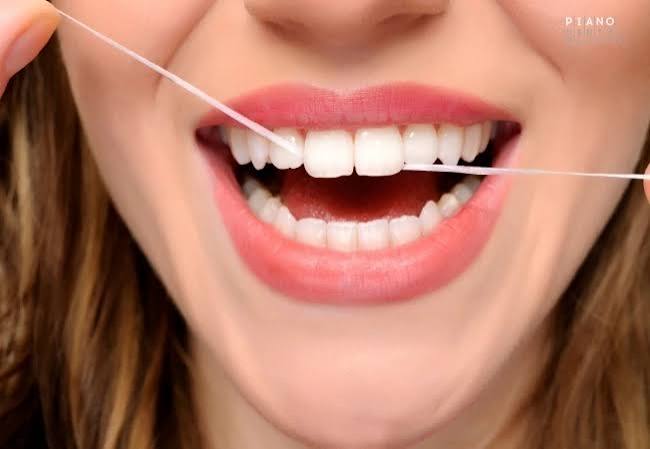
| Cleaning and Maintenance | Requires careful cleaning with special dental floss (Superfloss). | Easily cleaned by removing it and using a brush and liquid soap. |
How Should Removable Retention Plates (Essix) Be Used?
In the first months of treatment, removable retention plates (Essix) should be worn full-time except during meals and toothbrushing, and later, on the dentist’s guidance, use should be reduced to nighttime only. The plates are transparent in structure; care should be taken when putting them in and taking them out, and they should be cleaned regularly.
While fixed retainers protect only the front region, removable clear plates preserve the width and form of the entire arch, including the back molars in the jaw. For this reason, in most clinics, fixed and removable retainers are applied together for maximum safety. The biggest disadvantage of removable plates is that they depend on the patient’s own initiative. The misconception that “nothing will happen if I skip wearing it for just one day” ends, after a few days, with the plate feeling tight on the teeth and the teeth beginning to move back toward their former position. When the plates are not in use, they must always be kept in their own special case, must not be washed with hot water (as this can distort their shape), and must not be wrapped in a napkin.
What Factors Affect Teeth Shifting After Orthodontic Treatment?
The main factors affecting the shifting of teeth are the patient’s irregular use of the prescribed retention appliances, a fixed wire breaking off and going unnoticed for a long time, teeth-clenching (bruxism) habits, bone loss due to gum disease, and jaw growth continuing into later ages.
Orthodontic stability depends on the balance of various forces within the mouth. The pushing force of the tongue, the pressure of the cheek and lip muscles, and chewing forces are in constant interaction. If a person grinds their teeth heavily at night or has parafunctional habits such as biting a pen, these abnormal loads placed on the teeth can disrupt alignment over time. In addition, in patients who continue to breathe through their mouth, the increased pressure of the cheek muscles can cause the dental arch to narrow. All of these environmental and biological factors clearly demonstrate why retention protocols must be planned individually for each patient.
Do Wisdom Teeth Cause Shifting After Orthodontic Treatment?
There is no definitive scientific evidence that impacted or partially impacted wisdom teeth are the main cause (cause of relapse) of crowding in the front teeth after orthodontic treatment. However, if the eruption angle of these teeth is creating general crowding in the jaw, their extraction may be recommended as a preventive measure based on the dentist’s evaluation.
In past years, wisdom (third molar) teeth pushing from behind were seen as the sole cause of crowding in the lower front teeth. However, current clinical research has shown that crowding in the lower front region related to age (late mandibular incisor crowding) can develop even in patients who never had wisdom teeth at all (congenital absence). This is a physiological aging process. Nevertheless, in cases where there is no space at all in the dental arch, since wisdom teeth may apply a pushing vectorial force from behind, they are monitored with panoramic radiographs and are included in extraction planning if they have the potential to damage surrounding tissues.
How Are Retention Processes Managed Within Panorama Ankara?
In the qualified clinical standards of Panorama Ankara and its region, retention processes are managed by taking precise plate measurements with digital scanners at the end of treatment, fully implementing patient information protocols, and providing rapid clinical intervention options for possible retainer breakages.
For patients living around Panorama Ankara, a central and accessible location, it is of great importance that treatment processes are managed without interrupting their social and professional lives. After the active period in which braces or clear aligners are used, patients’ transition to the retention phase is explained in detail in the clinical setting. If a patient’s fixed retention wire breaks due to food consumption, an appointment is organized on the same day to repair the wire before the teeth have time to shift back to their former position. Thanks to regular communication networks and transparent patient follow-up, the healthy dental alignment achieved is secured for years to come.
What Should Be Done If Teeth Shift After Orthodontic Treatment?
In cases where the retention wire breaks, the clear plate feels tight, or slight crowding is noticed in the teeth, the treating orthodontic specialist should be consulted without wasting any time. While the problem can be resolved with small plate revisions in early interventions, delays may require the treatment to be redone from the beginning.
In relapse cases, time is the most critical factor. If the patient notices only a tiny rotation in a lower front tooth and reaches their dentist, this movement can sometimes be stopped with a minor repair to the existing retainer or with just a new removable plate to be worn only at night. However, if the patient neglects the situation and waits for months with the thought “it won’t get much worse anyway,” the tooth movement accelerates and the crowding reaches a scale that affects other teeth as well. In advanced relapse cases, unfortunately, re-bonding braces (a short period of active orthodontics) or planning treatment again with a new set of clear aligners becomes necessary.
| Risk Situation | Expected Outcome (If Neglected) | Correct Clinical Approach |
|---|---|---|
| Fixed Wire Detaching from a Tooth | That tooth slowly moves and rotates independently. | Visiting the dentist within the same week to have the wire re-bonded. |
| Loss of the Removable Plate | Teeth begin to shift toward the direction where they find space. | Taking a new impression and producing a new plate without delay. |
| Severe Teeth Clenching (Bruxism) | Excessive pressure can break retention wires or puncture the plates. | Using thicker protective plates or occlusal splints. |
| Tartar Buildup | Tartar forming around the retainer leads to gum recession. | Having regular professional tartar cleaning every 6 months. |
Why Are Check-up Appointments Important After Orthodontic Treatment?
Check-up appointments planned for the first, sixth, and twelfth months after treatment are vitally important for evaluating the retention of the fixed wires, the fit of the removable plates, and gum health. During these sessions, small problems that the patient has overlooked are detected by the dentist.
During the retention period, patients generally do not feel any pain in their teeth and may therefore tend to neglect check-ups. However, the detachment of fixed retainer wires from the tooth surface is not always noticeable. Even if the bonding material (composite) has separated from the tooth, since the integrity of the wire itself is not disrupted, it may not be noticed by touching it with the tongue. Only a physical examination performed by the dentist with an intraoral mirror and a probe (dental instrument) can detect this separation. Regular check-ups are also very valuable in terms of renewing the patient’s motivation for their current retention appliances.
Frequently Asked Questions About the Retention Period
If a fixed retainer breaks, do the teeth shift immediately?
No, the teeth do not immediately return to their former crowded state within hours or a few days. Biological tooth movement is a slowly occurring process. However, if repairing the broken wire is postponed for weeks or months, visible aesthetic deterioration will begin to occur.
The clinic should be informed and an appointment made as soon as the break is noticed. During this waiting period, if the patient has a removable plate (Essix), wearing it at night until the broken wire is repaired greatly helps keep the teeth stable.
Should removable plates only be worn at night?
This depends on how much time has passed since the treatment. Generally, for the first 3 to 6 months, since the bone has not yet fully hardened, the plates are required to be worn throughout the day (except during meals). Once bone stability is confirmed with the dentist’s approval, use is switched to nighttime only.
Since the biological adaptation process is different for each case, it is essential to follow the personal treatment schedule of the orthodontic specialist who performed the treatment, rather than the general timeframes found on the internet.
Does retention treatment last a lifetime?
If it is desired for the teeth to remain perfectly aligned for a lifetime, the ideal approach is for the protective measures (particularly the thin fixed wire on the back surface) to also remain in the mouth for a lifetime. Physiological bone changes related to aging can cause crowding in cases where the wires are removed.
The human body is not a static statue; just as our skin wrinkles or our hair thins as we age, structural contractions also occur in the jawbones. The presence of the fixed wire acts as an invisible shield that protects the alignment of the teeth against these natural aging effects.
Do retention wires prevent speaking or eating?
Absolutely not. Fixed retainer wires are extremely thin structures that are bent to fit the anatomical curve of the tooth and coated with special materials so as not to irritate the tongue. The patient generally completely forgets the wire’s presence in the mouth after the first two days following the procedure.
When eating, sending very hard foods (such as quince or a hard apple) to the back teeth by cutting them instead of biting them off with the front teeth is a simple and effective precaution that minimizes the risk of breakage by reducing the shearing force placed on the wires.