

Care after smile design consists of regular oral hygiene, careful use and periodic check-ups so that veneers and crowns keep their function and appearance for a long time. Although restorations themselves do not decay, the teeth underneath and the surrounding gums remain vulnerable to decay and inflammation. For this reason, daily care habits are among the main factors affecting how long restorations last.
After aesthetic restorations are placed, many people may think these teeth no longer need special attention. In fact, veneers and crowns work in the same oral environment as natural teeth. In this article, we look at the care steps that help protect restorations and the habits to watch out for.
Why Do Restorations Need Care?
Ceramic veneers and crowns are designed for long-term use in the mouth. However, the junction between the restoration and the tooth, the gum margin and the areas between teeth are places where bacterial plaque can build up. When build-up occurs in these areas, the following problems can develop:
- Decay in the natural tooth underneath, at the edge of the restoration
- Gum inflammation, bleeding and, over time, gum recession
- Staining at the margins and changes in aesthetic appearance
- Bad breath
These problems often arise not from the restoration itself but from the surrounding tissues. Regular care aims to support the health of these tissues.
Daily Habits for Care After Smile Design
Brushing
Teeth should be brushed at least twice a day with a soft or medium brush. Paying particular attention to the gum margin while brushing is recommended. Highly abrasive toothpastes can reduce surface gloss, especially on composite restorations, so products recommended by your dentist may be preferred.
Interdental cleaning
A toothbrush cannot fully reach the surfaces between the teeth. Aids such as dental floss, interdental brushes or a water flosser can be used to clean these areas. Which aid is suitable depends on the width of the spaces between the teeth.
Diet
Frequent consumption of sugary and acidic foods and drinks can affect the natural tooth structure at restoration margins. Coloured drinks such as tea, coffee and red wine usually do not change the colour of ceramic restorations, but they can stain composite restorations and natural teeth.
What to watch for in the first few days
In the first days after restorations are bonded, you may notice mild sensitivity or a feeling of getting used to the new teeth. During this period, the tongue and lips may need time to adapt to the new surfaces, and speech may feel slightly different for a short time. If you notice a high spot when biting or marked soreness, it is advisable to let your dentist know so that the bite can be checked. Following the times your dentist recommends for the bonding material to set fully is also important.
Habits to Avoid
Although ceramic materials are durable, they can break or crack under sudden, heavy forces. For this reason, it is advisable to review some habits:
- Nail biting, or biting pens or similar hard objects
- Using your teeth to open packaging or bottle caps
- Cracking ice, hard seeds or nuts with your front teeth
- Smoking, which can adversely affect the gums and the area around restorations
Teeth Clenching and Night Guards
In people who clench or grind their teeth at night (bruxism), the load on restorations can increase considerably. This habit often goes unnoticed by the person; it may be recognised through signs such as jaw tiredness in the morning, headaches or tooth wear.
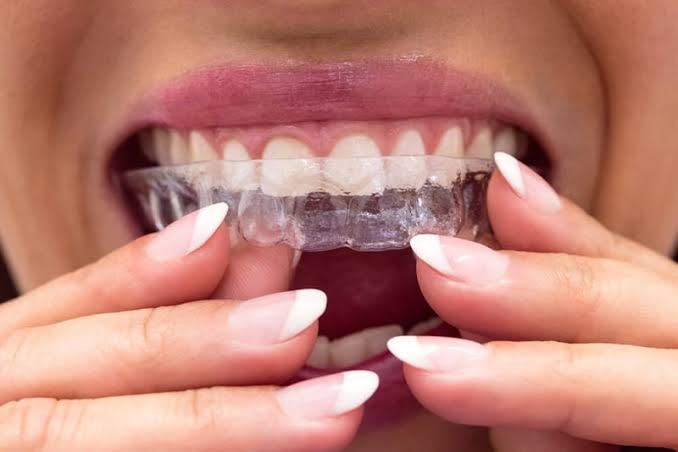
If your dentist considers it appropriate, a custom protective night guard may be made. This guard helps protect restorations and natural teeth against the forces generated during the night. For people who play contact sports, using a mouthguard during sport may also be considered.
Clenching can be linked to stress, sleep patterns and some systemic factors. For this reason, as well as using a protective guard, the possible causes of the habit may also be assessed. Symptoms such as pain or clicking in the jaw joint, or limited mouth opening, should also be mentioned to your dentist at check-ups.
Professional Care and Check-Ups
However consistent home care is, tartar can build up in some areas. For this reason, check-ups and professional cleaning at the intervals your dentist recommends are important. Oral hygiene care is carried out with instruments and polishing materials suitable for restored teeth.
At check-ups, the following points are assessed:
- Fit of the restoration margins and condition of the bonded area
- Gum health and any recession
- Whether there are cracks, fractures or wear on the surface
- Whether there are changes in the bite
Composite restorations may show more staining and wear over time than ceramics, so they may need polishing or repair at intervals. For bonding and composite veneers, this maintenance need is discussed at the planning stage. For more information on ceramic restorations, you can visit our laminate veneers and e.max restorations page.
When should you see your dentist?
If you notice a crack, fracture or looseness in a restoration, bleeding or swelling at the gum margin, newly developed sensitivity to hot and cold, or a different feeling when biting, it is advisable to let your dentist know without waiting for your next check-up.
When daily care, night guard use and regular check-ups are considered together, the health of restorations and the surrounding tissues can be monitored more easily. How long restorations last varies from person to person depending on the material, oral hygiene, habits and biting forces.
Frequently Asked Questions
Can veneers get cavities?
The ceramic veneer itself does not decay. However, the natural tooth structure under and at the edge of the veneer can decay, which is why regular brushing and interdental cleaning are important.
Can I use whitening toothpaste on crowned teeth?
Whitening toothpastes do not change the colour of restorations, and some can be abrasive. It is advisable to ask your dentist which product is suitable.
What should I do if a veneer breaks?
If there is a broken piece, keep it and let your dentist know. Depending on the size of the fracture, repair or replacement of the restoration is considered.
How often should I go for check-ups?
The check-up interval varies from person to person depending on gum condition, the tendency to form tartar and habits. Your dentist sets a suitable check-up schedule based on the condition of the restorations and tissues.
Note: This article is for general information purposes only. Whether treatment is needed and which method is appropriate are determined individually by your dentist after an examination and any necessary tests.