

Esthetics, function and long-term stability are important criteria in prostheses that replace missing teeth. Precision attachment prostheses are specially designed fixed-semi-movable solutions that can offer these three goals together. It offers both the advantages of fixed bridge prostheses and the comfort of removable prostheses, maximizing biomechanical harmony especially in cases of partial tooth loss.
What is Precision Attachment?
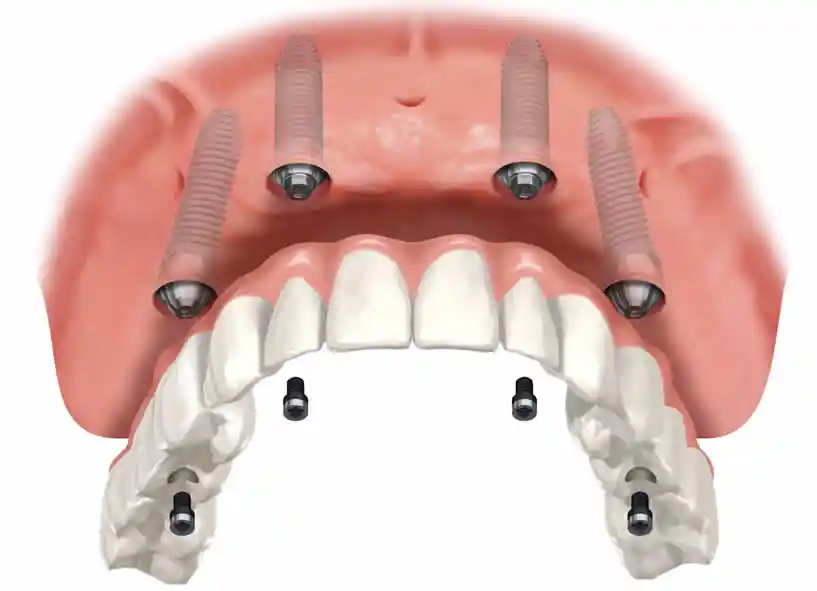
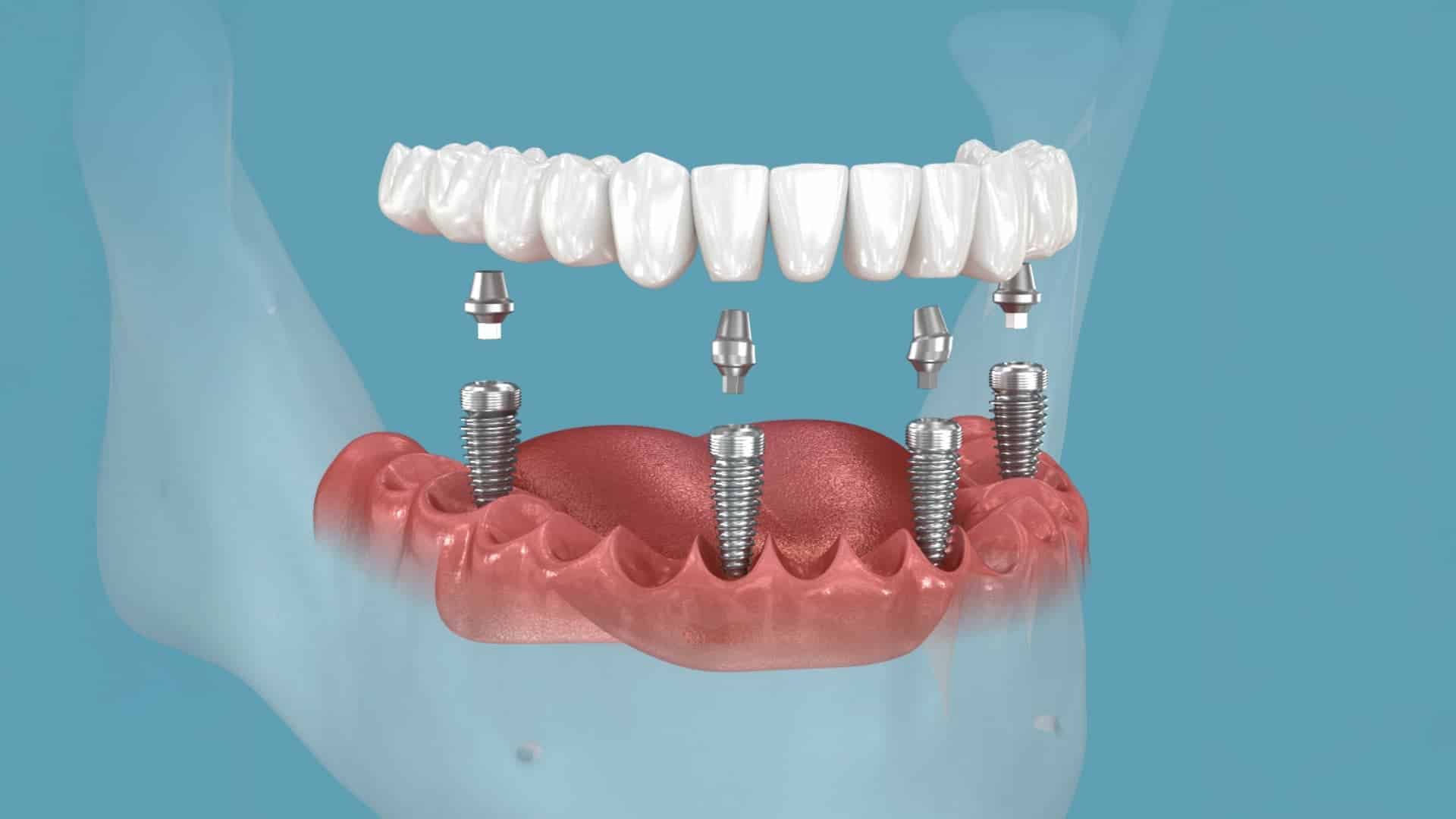
Precision attachment refers to an intermediate mechanism with metal or polymer parts that is located between the prosthesis and the permanent abutment on the remaining tooth or implant in the mouth. There are two key elements in this system:
- Male Part: Fixed element positioned under the abutment or crown.
- Female Part: Retentive element embedded in the internal structure of the prosthesis.
When the two parts come together, they fit with a “click” sound, but can be separated with sufficient guidance. This makes it easier for the user to access cleaning, while keeping the prosthesis tooth mobility under control.
History and Development
1960–70s:
The first precision connection systems were produced using industrial metal casting methods, and since their tolerance values were wide, they tended to loosen over time.
1980–90s:
When CAD/CAM technology began to shine, the production precision of precision connection parts was reduced to micron levels, and titanium and chrome-cobalt alloys became widespread.
2000s and After:
Prototype approval processes were accelerated with 3D printing and laser sintering techniques, and polymer connections (PEEK) were compatible with the oral environment. has taken its place as alternatives.
Indication and Contraindication
Indications
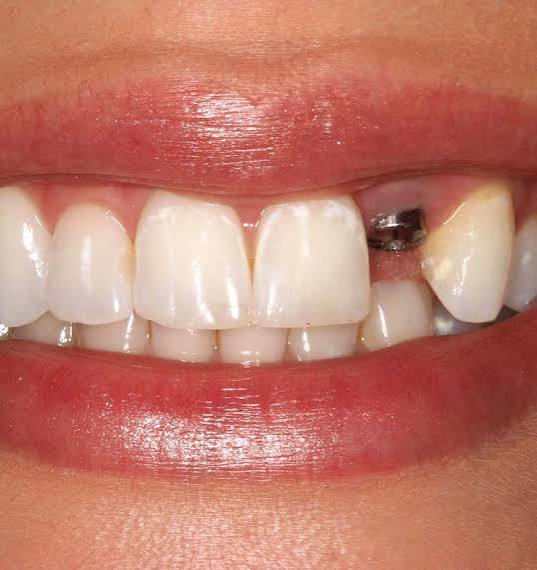
Partial Tooth Missing:
Cases where there is a central gap with two adjacent teeth remaining in the posterior region.
Aesthetic Concern:
When a visually fixed solution is expected in the visible region.
Preservation of Bone Mass:
When stability is desired without the need for implants or periodontal surgery.
Precise Function Control:
Homogeneous distribution of chewing force and excessive load on a certain support when it is necessary to keep it away from the teeth.
Contraindications
Extremely Deformed Teeth:
If there is not enough abutment tooth height or root width.
Severe Bruxism/Vigil Tremor:
Very strong grinding habits can push the tolerance limit of the connection and cause rapid wear.
Excessive Gum Recession and Periodontal Problems:
Since the health of the abutment teeth is critical for the long-term stability of the connection, in cases of uncontrolled periodontitis.
Inadequate Oral Hygiene Habits:
Biofilm accumulation can lead to prosthetic failure if delicate fittings are not cleaned regularly.
Design and Material Options
- Metal Fittings: Chrome-cobalt, titanium or stainless steel alloys; high mechanical strength and form stability.
- Polymer Fittings: Biocompatible thermoplastics such as PEEK (polyether ether ketone) offer lightweight, chemical resistance, elastic feedback and comfort.
- Tolerance Setting: Parts produced with gaps between 10–50 microns balance both retention and the user’s easy removal-release process.
- Modularity: Connections with different lengths and retentive forces can be selected and updated according to the patient’s oral structure.
Clinical Application Steps
Preliminary Assessment and Model Study:
Plaster models or digital scans of the missing tooth area are prepared; mold and wax-up work on abutment teeth.
Abutment Preparation: The selected connection male part is placed in a special channel on the dental crown or implant superstructure.
Laboratory Stage: The female part is placed on the prosthesis sponge, the prosthesis skeleton is completed, ceramic or acrylic aesthetic aThe substructure is created.
Trial Appointment:First, the skeleton is tried on in the clinical environment; occlusion, aesthetics, and mobility are tested.
Final Assembly: The prosthesis is placed distally or mesially and the connections are aligned to each other to make a “click” sound; if necessary, the connection strengths are adjusted.
Patient Education: Information is provided on how to remove and reattach, hygiene routine and possible signs of artificial wear.
Care and Long-Term Follow-Up
Daily Cleaning: Gently brush the intra-dental connection surfaces with a soft brush and alkali-free gel.
Interdental Brush: Small brushes with special tips are used for subgingival cleaning around the connection.
Professional Control: Assessment of the connection tolerance and abutment tooth health every 6 months; male/female part replacement if necessary.
Wear Observation: Soft deformation in polymer parts or pitting formation in metal surfaces are observed, prevented with early intervention.
Advantages and Disadvantages
Advantages
Aesthetics and Comfort: No need for metal hooks, appearance is natural and stable. Durability: With good maintenance and material selection, it can continue its function for 10–15 years. Protection of Dental Health: The load on the surrounding teeth is distributed evenly, periodontal tissues are protected. Flexible Repair: Renewal of connection parts is less costly than complete renewal of the prosthesis.
Disadvantages
High Cost: Laboratory, material and labor costs are higher than classical removable prostheses. Technical Precision: It is necessary to work at the micron level in both clinical and laboratory steps; error tolerance is low. Hygiene Discipline: If the patient performs poor care, the connection may become stuck or there may be a risk of inflammation due to biofilm increase.
Looking to the Future: Digital Infrastructures
Digital Design (CAD/CAM): Systems where precise connection surfaces are digitally scanned and milled further improve production tolerances.
3D Printing Materials: Ultraviolet-cured biocompatible resins are being tested as both short prototypes and long-term prosthetic parts.
Smart Sensor Integration: Pressure sensor connections measure load distribution in real time, providing light to both physician and patient data holds.
Conclusion
Precision-attached dentures offer both an aesthetic and functional high-level solution in partial tooth loss cases with advanced technological infrastructure and careful case planning. For long-lasting performance and patient satisfaction; the right material selection, meticulous clinical application and disciplined maintenance process should be carried out together. In the future, these systems will become more widespread, more economical and more durable with digital production techniques.