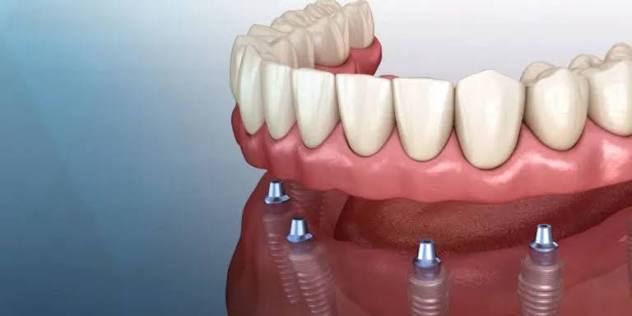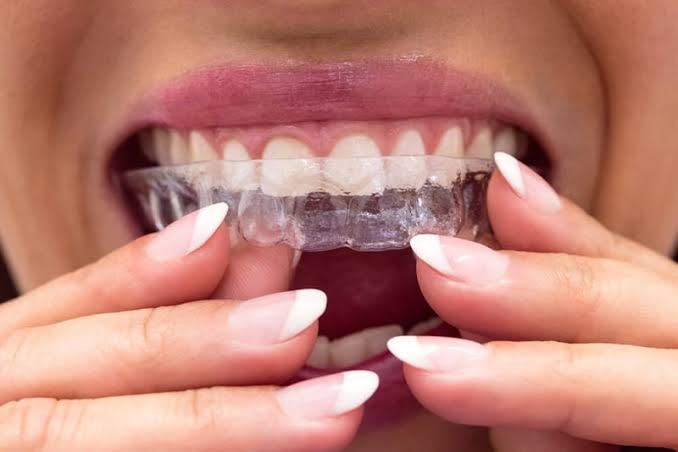


Orthodontics before dental implants is a preparatory stage that aims to correct the tilting, drifting and space narrowing that occur in neighbouring teeth after tooth loss, so that there is suitable space and angulation for an implant. In suitable cases, this alignment can be done with clear aligners. This can make it easier to place the implant in the correct position and for the tooth placed on it to blend in with its surroundings.
When a missing tooth is left untreated for a long time, the balance inside the mouth changes. In this article, we look at why orthodontic alignment may be needed before an implant, how clear aligners can be used in this process and how the treatment sequence is planned.
What Changes in the Mouth After Tooth Loss?
The gap left by an extracted or lost tooth creates room for the surrounding teeth to move. These changes often progress slowly and may go unnoticed, but over the years they can directly affect implant planning.
- Tilting of neighbouring teeth: The two teeth next to the gap, especially molars, may tip into the space.
- Over-eruption of the opposing tooth: The tooth in the opposite jaw, having nothing to bite against, may grow down or up into the gap.
- Narrowing of the space: Tilted teeth can reduce the width needed for the implant and its crown.
- Roots moving closer: The roots of tilted teeth may move closer to the area where the implant will be placed.
- Bite changes: Changes in tooth position can affect how the teeth meet during chewing.
When Is Orthodontics Before Dental Implants Considered?
Not every implant patient needs orthodontic treatment. Orthodontics before dental implants is usually considered when the condition of the space or the surrounding teeth makes correct implant placement or a well-fitting prosthesis difficult.
Too little or too much space
A certain distance must be left between the implant and the neighbouring teeth. If the space has narrowed, it may be opened orthodontically; if it is wider than needed, it may be redistributed along with the other teeth. This allows the size of the crown to be better balanced with the matching tooth on the other side.
Tilted roots and angulation problems
If the roots of neighbouring teeth have moved towards the implant site, the area available for the implant may be limited. Uprighting these teeth orthodontically can help the implant to be placed at a suitable angle. CBCT 3D dental imaging provides important information for assessing root positions in three dimensions.
Harmony in the aesthetic zone
In the front of the mouth, gum levels and tooth lengths affect the appearance of the smile. Orthodontic alignment can help the implant crown look level and in proportion with the neighbouring teeth.
For people who have lost a front tooth, a temporary solution also needs to be considered as part of the plan. The appearance of the gap during orthodontic treatment and the temporary tooth used during healing after implant surgery are issues that directly affect daily life. For this reason, temporary solutions are discussed at the start of treatment with the orthodontist and the dentist planning the prosthesis.
How Are Clear Aligners Used in This Process?
Clear aligners move the teeth gradually through a series of sequential appliances planned digitally. In preparation for an implant, this planning makes it possible to see in advance which tooth will move in which direction. Clear aligner treatment is one of the options that may be considered for this preparation in suitable cases.
In areas with a missing tooth, a tooth-coloured filler can be added to the corresponding part of the aligner. This can help the gap draw less attention during the day. On some teeth, small composite bumps (attachments) may be placed on the tooth surface to support aligner grip and the direction of movement.
Limitations of clear aligners
For some movements, such as significant root uprighting or large amounts of tooth extrusion or intrusion, clear aligners alone may not be enough. In these cases, additional auxiliary appliances, temporary mini-screws or fixed orthodontic treatment may be considered as alternatives. The orthodontist decides which method to use according to the type of movement needed and the person’s oral structure.
How Is the Treatment Sequence Planned?
Orthodontics before dental implants is a process in which several disciplines work together. The orthodontist, the dentist who will perform the implant surgery and the dentist who will make the prosthesis agree on a shared goal at the start of planning. The general steps can be listed as follows:
- Assessing the overall condition of the mouth with a clinical examination, X-rays and, if needed, CBCT
- Treating problems such as gum disease and tooth decay
- Planning the orthodontic movements digitally and carrying out clear aligner treatment
- Checking the space achieved and the root positions
- Maintaining tooth positions during implant surgery and the healing period
- Making the implant-supported prosthesis
A retainer may be used to hold the teeth in position between the end of orthodontic treatment and implant placement. If you would like to know about the steps that follow the orthodontic phase, you can find general information on our dental implant page.
Bone Condition and Timing
After tooth loss, the jawbone may lose volume over time. Orthodontic planning takes into account not only the position of the teeth but also the width and height of the bone where the implant will be placed. In some cases, closing the space with the neighbouring teeth instead of opening it, and so removing the need for an implant, may also be among the options considered.
If bone volume is insufficient, additional procedures may be planned after orthodontic treatment or during implant surgery. The overall length of treatment varies from person to person depending on the tooth movements required, bone condition and the healing process.
Orthodontic tooth movement is known to remodel the bone and gum tissue around the tooth along with it. For this reason, in some cases tooth movement can be used to help develop the bone and gum structure at the implant site. The suitability of this approach, also described in the literature as implant site development, is determined by assessing the person’s bone structure, gum condition and treatment expectations together.
Frequently Asked Questions
Does everyone need orthodontics before dental implants?
No. If there is enough space and the neighbouring teeth have not shifted noticeably, implant planning can go ahead directly. Whether orthodontic preparation is needed is decided after examination and imaging.
Can an implant be placed while wearing clear aligners?
In some cases, an implant may be planned while orthodontic treatment is ongoing. However, because an implant does not move in the bone, it is usually preferred to place it once tooth movement is largely complete.
Does orthodontic preparation make the implant process longer?
The total treatment time may be longer, but this preparation can help the implant and the tooth on it fit in better with the surrounding tissues. The duration depends on the extent of the movements required.
Which appliances are used in orthodontics before implants?
Clear aligners may be chosen in suitable cases; some movements may require fixed braces or temporary mini-screws. The orthodontist selects the appliance according to the type and amount of tooth movement needed.
Note: This article is for general information purposes only. Whether treatment is needed and which method is appropriate are determined individually by your dentist after an examination and any necessary tests.