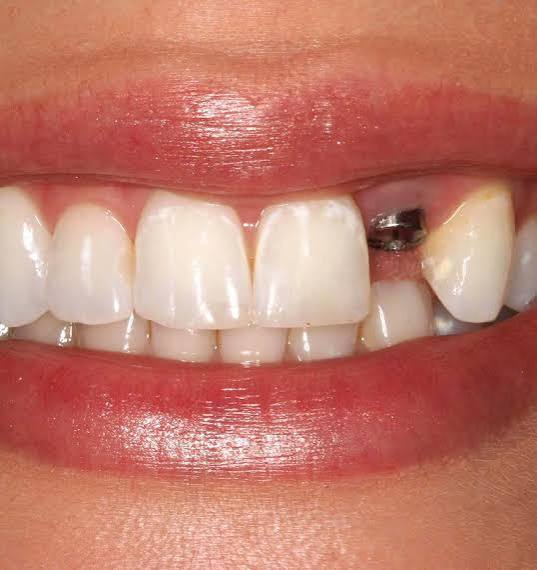


Dental implants and bruxism is a topic many people who clench or grind their teeth want to know more about. In short, bruxism does not in itself rule out implant treatment; however, because it increases the forces acting on the implant and the prosthesis attached to it, it is recommended that planning takes this into account and that protective measures are taken after treatment. After assessing the severity of the bruxism and the person’s oral structure, the dentist prepares an individual plan covering the number and position of implants, prosthesis design and choice of material.
What Is Bruxism?
Bruxism is a chewing muscle activity defined as involuntary clenching of the teeth or grinding them against each other. It can occur in two different forms:
- Sleep bruxism: Occurs during sleep. The person is often unaware of it; the grinding sound is usually noticed by people they live with.
- Awake bruxism: Shows up as clenching of the teeth during the day, especially during tasks that require intense concentration or at stressful moments.
The causes of bruxism have not been fully explained. It is thought that it may be associated with stress, anxiety, sleep disturbances, certain medications, caffeine, alcohol and smoking. Morning fatigue in the jaw muscles, headaches in the temple area, tooth wear, cracks and sensitivity are among the symptoms that may be linked to bruxism.
How Can Bruxism Affect Dental Implants?
Thanks to the connective tissue between their roots and the bone, natural teeth absorb forces to some extent and can sense excessive pressure. Implants do not have this connective tissue, so forces are transmitted directly to the bone, and the perception of pressure in the implant area may be lower than with a natural tooth. In people with bruxism, this difference can place more strain on the implant and prosthetic components.
Possible problems related to bruxism include:
- Fracture or cracking of the porcelain layer on the crown
- Loosening or fracture of the screw that connects the implant to the prosthesis
- Wear on the prosthesis surface and the opposing teeth
- Negative effects on fusion as a result of overloading during the healing period
Research has produced mixed results on whether bruxism is directly linked to bone loss around implants. Its link with mechanical problems, however, is reported more often. For this reason, the main aim in people with bruxism is to balance the forces acting on the implant and prosthetic components.
Bruxism is not always easy to recognize. Flattened chewing surfaces, small chips at the edges, notches at the necks of the teeth, bite marks on the inner cheeks and tooth imprints on the edges of the tongue are findings that may catch the dentist’s attention during an examination. Identifying these findings before implant planning makes it easier to shape treatment accordingly.
What Is Considered When Planning Implants for Bruxism?
The presence and severity of bruxism are assessed at the pre-treatment examination. Wear marks on the teeth, the development of the chewing muscles, the condition of the jaw joint and the patient’s history are part of this assessment. When necessary, additional examinations of the jaw joint and muscles may be carried out. For detailed information on this topic, you can visit our jaw joint (TMJ) disorders page.
Number, Diameter and Position of Implants
In people with bruxism, distributing forces across more implants, choosing implants of suitable diameter and length and placing them at an angle that suits the direction of force may be considered. In planning, a three-dimensional CBCT scan helps examine bone volume and anatomical structures in detail.
Prosthesis Design and Bite Adjustment
The width of the crown’s chewing surface, the slopes of the cusps and which teeth take the load during sideways movements are carefully adjusted. In some cases, screw-retained prostheses may be preferred so that they can be removed for maintenance when needed. We discuss the differences between cemented and screw-retained prostheses in our article on cemented and screw-retained implant prostheses.
Choice of Material
Monolithic (single-piece) zirconia crowns, which do not have a separate porcelain layer, are among the options frequently considered for people with bruxism. However, it is important that the surface is well polished so that very hard materials do not cause wear on the opposing teeth. The choice of material also takes into account the structure of the teeth in the opposite jaw and aesthetic expectations. For more information on implant-supported prosthesis options, see our implant-supported prostheses page.
Protective Measures After Treatment
Bruxism itself often cannot be eliminated completely, so managing it is an important part of the post-treatment period. Your dentist may recommend the following measures:
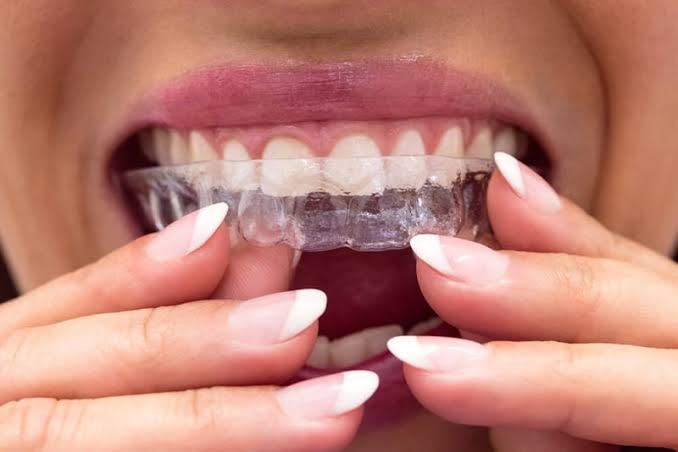
- Night guard: Custom-made hard acrylic guards can help protect the crowns and implant components by reducing direct contact between the teeth during sleep.
- Regular checkups: Screw loosening, crown wear and bite changes can be spotted early at checkups.
- Awareness exercises: In awake bruxism, reminding yourself during the day of the resting position in which the teeth do not touch can be helpful.
- Lifestyle adjustments: Stress management, sleep routines and reducing caffeine and alcohol intake can be considered.
- A multidisciplinary approach when needed: For people with a suspected sleep disorder, collaboration with the relevant medical specialties may be arranged.
It is important that the night guard is designed to work with the implant-supported teeth. The guard is made to cover both the natural teeth and the implant crowns, with the aim of distributing forces evenly across the mouth. Because the guard can wear or crack over time, its condition is assessed at checkups and it is replaced when necessary. It is recommended that the guard is worn regularly every night and, after use, cleaned and stored in a dry, ventilated case. The severity of bruxism can change over time; letting your dentist know if symptoms increase during stressful periods, if you feel morning fatigue in your jaw muscles or if new wear marks appear on the crowns helps ensure that any necessary adjustments are made early.
What Should You Pay Attention to During Healing?
It is important that no excessive force is placed on the implant while it fuses with the bone. In people with bruxism, this is also taken into account in the design of temporary prostheses. In some cases, rather than loading the implant early, the dentist may wait for the healing period to be completed. The use of a night guard during healing is planned according to the dentist’s recommendation.
Frequently Asked Questions
Can people who clench their teeth get dental implants?
Yes, bruxism alone does not rule out implant treatment. However, planning and prosthesis design should take it into account, and protective measures such as a night guard should be considered after treatment.
Do I need to wear a night guard after getting an implant?
A night guard is often recommended for people with bruxism. Whether a guard is needed, and how it is designed, is determined by the dentist based on the examination findings.
Can bruxism cause an implant to break?
Fracture of the implant body itself is uncommon. The problems seen more often with bruxism relate to prosthetic components, such as crown fractures and screw loosening.
Is Botox used for bruxism in implant patients?
Botulinum toxin injected into the chewing muscles may be considered a supportive option in some cases of bruxism. Whether it is suitable is determined individually through a clinical assessment.
Note: This article is for general information purposes only. Whether treatment is needed and which method is appropriate are determined individually by your dentist after an examination and any necessary tests.