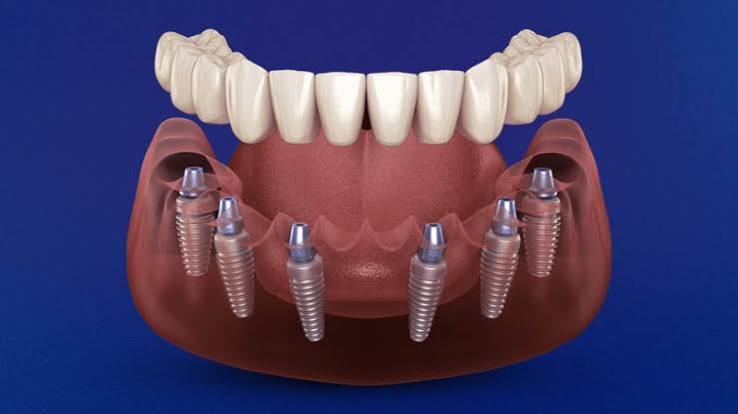


Osteoporosis and dental implants is one of the first questions on the mind of many patients who take medication for bone loss. The short answer is this: osteoporosis on its own is not considered a barrier to implant treatment, but the type of medication, how it is given and how long it has been used are important details that directly affect implant planning. For this reason, the decision is based on a joint assessment by the dentist and the doctor who prescribes the medication.
In this article, we give a general overview of the possible effects of osteoporosis medications on the jawbone, the information that should be shared before implant treatment and the points that are taken into account during the treatment process.
What Is Osteoporosis and How Does It Affect the Jawbone?
Osteoporosis is a systemic condition in which bone density decreases and the internal structure of the bone becomes weaker. It is more common in postmenopausal women and in older age. Because the condition can affect the entire skeleton, the jawbones may also be affected.
Jawbone density is an important factor for osseointegration, the process by which the implant fuses with the bone. That said, it is known that implants can also integrate with the bone in patients with osteoporosis. Since bone quality varies from person to person, each patient’s own bone structure needs to be examined in detail rather than relying on generalisations.
During planning, bone volume and density are usually assessed with three-dimensional imaging. CBCT 3D dental imaging gives the dentist detailed information about bone width, bone height and anatomical structures.
How Osteoporosis Medications Relate to Dental Implants
Medications with different mechanisms of action are used to treat osteoporosis. The main consideration in implant planning is that some of these medications slow down bone renewal, also known as bone turnover.
Bisphosphonates
Bisphosphonates are a widely used group of medications that aim to slow bone loss by reducing bone breakdown. They can be taken by mouth as tablets or given intravenously as an infusion. Because these medications can remain in the bone for a long time, patients who have already stopped taking them should also share their past use with their dentist.
Denosumab and Other Medications
Denosumab is a medication that suppresses bone breakdown and is usually given as an injection under the skin at set intervals. Although its mechanism of action differs from that of bisphosphonates, similar considerations apply to the jawbone. Hormone therapies or medications that support bone formation may also be used, and the effect of each on implant planning is assessed separately.
Medication-Related Osteonecrosis of the Jaw
A rare condition that can be associated with these groups of medications is medication-related osteonecrosis of the jaw (MRONJ). In this condition, part of the jawbone becomes exposed in the mouth and healing becomes difficult. The risk varies with the type of medication, the dose, how it is given, the duration of use and the patient’s general health. At the doses used to treat osteoporosis, this risk is generally considered much lower than at the high doses used in cancer treatment. Even so, this possibility needs to be taken into account before any surgical procedure.
What Information Should Be Shared Before an Implant?
To plan treatment properly for a patient taking osteoporosis medication, the dentist needs complete information. It is advisable to share the following clearly during the examination:
- The name, dose and form of the medication (tablet, infusion, injection)
- When the medication was started and the total duration of use
- Any osteoporosis medications used in the past and then stopped
- Other medications that may affect bone metabolism, such as corticosteroids
- Diabetes, rheumatic diseases or conditions that affect the immune system
- Smoking and general oral hygiene habits
Based on this information, the dentist contacts the prescribing doctor (for example in endocrinology, physical medicine or internal medicine) when needed. In some cases, a break from the medication may be discussed, but this decision can only be made by the prescribing doctor. Patients should not stop their medication or change the dose on their own, as this can cause serious problems for bone health.
Key Points in Treatment Planning
For patients taking osteoporosis medication, implant planning is shaped according to the individual’s risk profile. The general approach is to keep surgical trauma as limited as possible and to monitor the healing process closely.
- Risk assessment: Medication history, general health and findings in the mouth are evaluated together.
- Preparing oral health: Gum disease, cavities and sources of infection are treated before the implant. A periodontology assessment of gum health is important at this stage.
- Simplifying the surgical plan: Where needed, fewer implants, a more limited surgical area or alternative prosthetic options may be considered.
- Need for bone grafting: In areas with insufficient bone, whether grafting is required is discussed separately, taking the medication history into account.
- Monitoring healing: Follow-up visits after surgery may be scheduled more often and wound healing is monitored closely.
For some patients, the risk assessment may point to other options, such as a removable denture instead of an implant. The aim is to support chewing function while protecting bone health.
The Patient’s Role in Osteoporosis and Implant Treatment
The patient’s contribution is just as important as planning for treatment to progress well. Good oral hygiene helps keep the tissues around the implant healthy and can help reduce the risk of infection.
After the implant, regular brushing, cleaning between the teeth and professional check-ups should not be neglected. For the guidelines to follow in the first days after surgery, see our article on the healing process after implant surgery. If you notice a wound in the mouth that does not heal, visible exposed bone, or pain or swelling that lasts a long time, see your dentist without delay.
It is also important for long-term follow-up to inform your dentist if you start a new medication or your current medication is changed while osteoporosis treatment continues. At Panorama Ankara Oral and Dental Health Polyclinic, the treatment plan is prepared individually after an examination and the necessary tests.
Frequently Asked Questions
Can everyone who takes osteoporosis medication have dental implants?
Taking osteoporosis medication does not automatically rule out implant treatment. However, the type of medication, the duration of use and general health are assessed together. The dentist makes the decision, consulting the prescribing doctor when necessary.
Do I need to stop my osteoporosis medication to have an implant?
Only the prescribing doctor can decide whether the medication should be paused. Stopping the medication on your own can harm your bone health. Your dentist can contact the relevant doctor to create a joint plan.
Should I mention it if I took bisphosphonates years ago?
Yes, it is important to mention it. Because bisphosphonates can remain in the bone for a long time, past use is also considered in the risk assessment. Sharing the name of the medication and how long you took it, as far as you can remember, makes planning easier.
Does it take longer for an implant to fuse with the bone in osteoporosis?
Healing time can vary from person to person depending on bone quality. For some patients, the dentist may plan a longer waiting period before the prosthesis is placed on the implant. The timing is determined by the findings at the examination and follow-up visits.
Note: This article is for general information purposes only. Whether treatment is needed and which method is appropriate are determined individually by your dentist after an examination and any necessary tests.