
Ankara Dental Plaque Cleaning: Biofilm Management & Flawless Enamel with Panorama Ankara
In the oral health journey, most people assume everything is fine until they see a visible stain, feel a hard tartar deposit, or experience a throbbing cavity. But in dentistry, destruction starts in a microscopic world you can’t see in the mirror. Just a few hours after brushing, your teeth begin to get coated with a transparent, sticky, highly organized layer. In medical terms, it’s called biofilm—commonly known as dental plaque.
Plaque is the first and most critical target that must be eliminated before it hardens into tartar or drills through enamel to form cavities. With a proactive (preventive-first) vision in Ankara dental plaque cleaning, Panorama Ankara applies advanced biofilm management protocols that detect and eliminate bacterial networks while they’re still invisible—opening the door to a cavity-free, healthy future.
Thinking of plaque as just “food debris” is one of the biggest misconceptions in oral care. Plaque is actually a complex ecosystem made of salivary proteins, shed epithelial cells, and millions of living bacteria organized within a structured matrix. These bacteria adhere to the tooth surface with a biological glue, communicate with each other, and multiply rapidly. Simply rinsing with water or doing a quick surface-level brushing won’t disrupt this sticky microbial community.
At Panorama Ankara, our professional plaque removal protocols target and dismantle these organized bacterial colonies at the cellular level—leaving the enamel surface ultra-smooth and far less receptive to reattachment.
Making the Invisible Visible: Disclosing Agents
The most dangerous thing about plaque? It’s nearly colorless and blends in with enamel. Many patients believe they brush perfectly—yet plaque continues to hide in interdental spaces and along the gumline.
At Panorama Ankara, the first step of what we call Guided Biofilm Management is exposing the invisible enemy. When you sit in the chair, we apply a completely safe, plant-based disclosing solution to your teeth. After rinsing, areas you thought were clean light up in pink or purple.
Pink areas represent newly formed plaque. Purple or dark blue areas indicate mature plaque that has been sitting there for days, already producing acid. This color-coding becomes a powerful communication tool between dentist and patient. When you see your brushing blind spots in the mirror, awareness hits instantly.
Our experts don’t just clean your teeth—they provide hands-on, fully personalized brushing and interdental cleaning training based on those highlighted zones.
From Sugar to Acid: How Enamel Breaks Down
Bacteria inside plaque need fuel to survive—and that fuel is sugar and carbohydrates. Within the first 20 minutes after eating, plaque bacteria metabolize sugars and produce lactic acid. Because plaque sticks tightly to the tooth surface, it traps this acid directly against the enamel like a sponge.
Once the acid attack begins, calcium and phosphate crystals inside enamel—the hardest substance in the human body—start dissolving (demineralization). If you notice chalky white spots on your teeth, that’s the first red flag that enamel erosion has started.
If plaque isn’t regularly removed, acid attacks repeat multiple times a day. Those white spots eventually collapse into brown or black cavities. At Panorama Ankara, routine plaque cleaning shuts down these acid factories before they penetrate enamel.
After cleaning, we reinforce enamel with professional fluoride varnishes or calcium-based remineralization agents—rebuilding weakened areas and creating a powerful defense barrier against future decay.
Dental Plaque (Biofilm) vs Tartar (Calculus): Know the Difference
Patients often use plaque and tartar interchangeably—but biologically and clinically, they are completely different stages. Here’s a science-backed breakdown:
| Characteristic | Dental Plaque (Soft Biofilm) | Tartar (Calculus) |
|---|---|---|
| Structure & Appearance | Transparent or pale yellow, soft, sticky, and paste-like. Hard to see. | Yellow, brown, or black, rock-hard, chalky deposits clearly visible. |
| Formation Time | Begins reforming 4–12 hours after brushing. | Forms when plaque mineralizes with saliva over 10–14 days. |
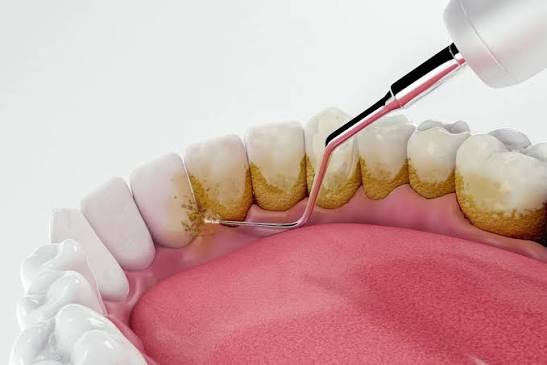
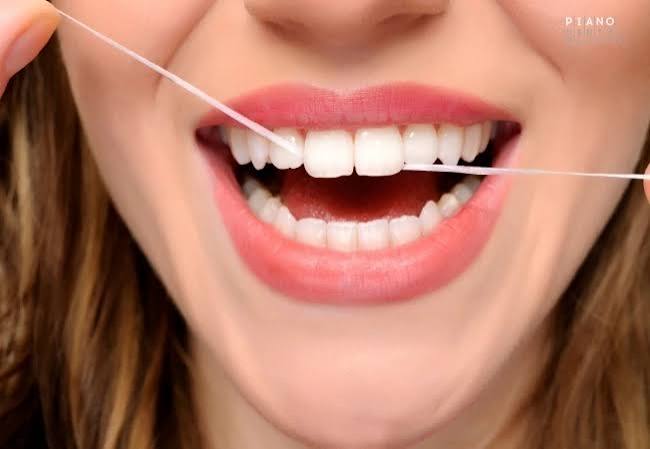
| Removal Method | Can be removed at home with proper brushing, flossing, and interdental brushes. | Cannot be removed with brushing. Requires professional ultrasonic scaling. |
| Main Health Risk | Converts sugar into acid, causing cavities and gingivitis. | Pushes against gums, leading to chronic infection, bone loss (periodontitis), and tooth loss. |
Long-Term Benefits of Professional Plaque Cleaning
If plaque is soft and removable at home, why schedule professional cleaning? Because even with perfect technique, tooth anatomy includes grooves, tight contact points, and deep posterior areas your brush simply can’t access.
During plaque removal sessions at Panorama Ankara, these microscopic niches are cleaned using advanced AirFlow technology. A controlled stream of water, air, and fine non-abrasive powder flushes away biofilm from areas unreachable by standard home care—without scraping or damaging enamel.
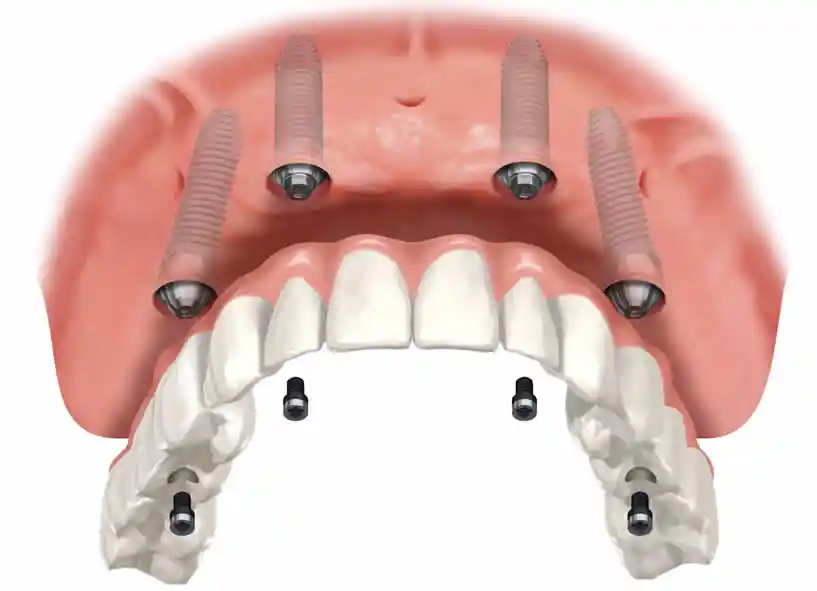
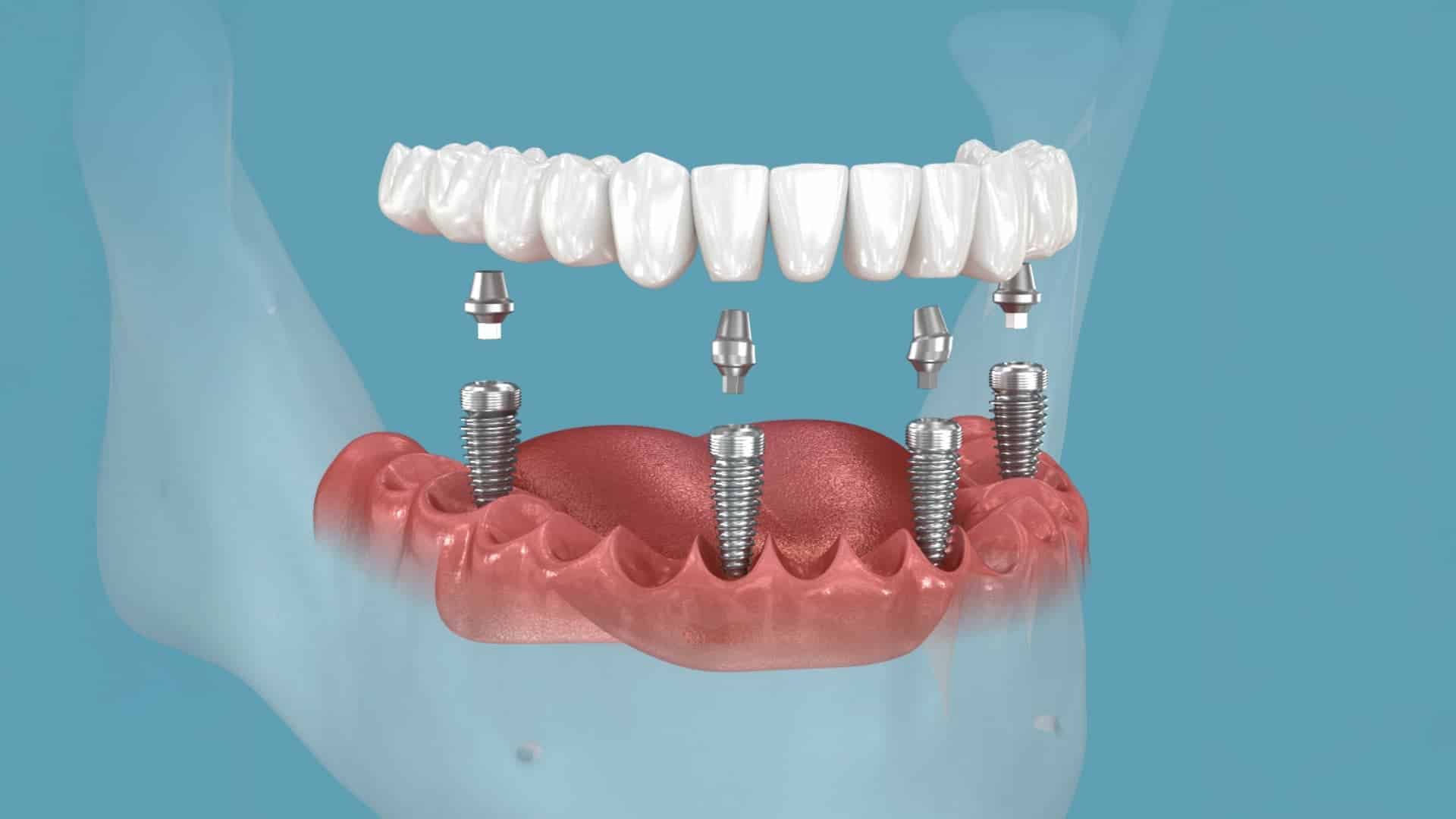
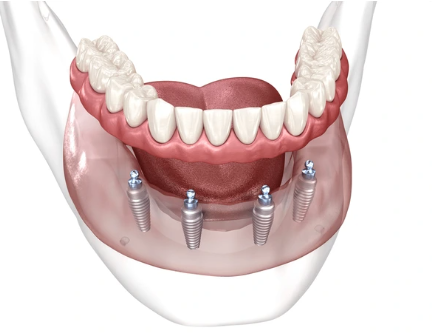
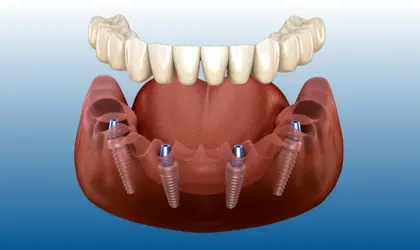
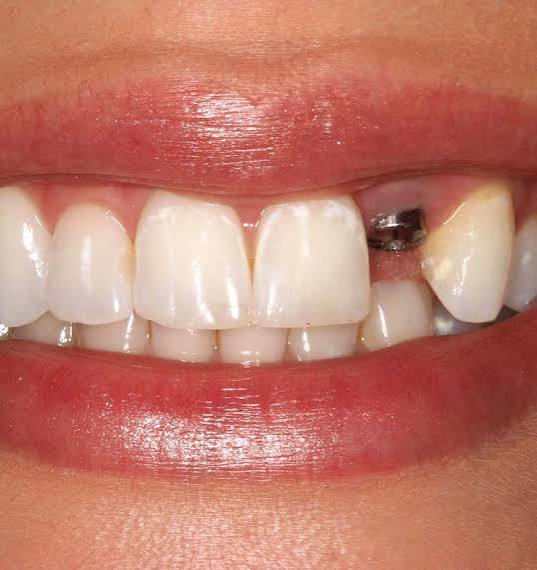
For patients undergoing orthodontic treatment, or those with implants and bridges, plaque accumulation happens faster and carries higher risk. Biofilm around brackets or beneath prosthetics can compromise expensive restorations and cause tissue loss over time. Our precision plaque management protocol acts like long-term insurance for your dental investments.
A healthy body starts with a balanced oral ecosystem. If your gums feel tender while brushing, your mouth doesn’t feel truly fresh, or your tongue senses rough patches on tooth surfaces, biofilm buildup has likely begun.
In your search for Ankara dental plaque cleaning, discover the most preventive and enlightening face of modern dentistry at Panorama Ankara. Eliminate invisible threats before they turn into cavities—and enjoy a lifetime of smooth, flawless enamel.