

Whether teeth need to be shaved down for veneers and smile design depends on the case. In some situations, treatment can proceed with no or very little tooth reduction, while in others a certain amount of tissue may need to be removed from the tooth surface. The general trend today is a minimally invasive approach that aims to preserve as much tooth structure as possible wherever it can.
When people hear “smile design”, many imagine a procedure in which the teeth are reduced and covered. In fact, smile design is a planning process and covers a range of treatment options. In this article, we look at the factors that determine the amount of tooth reduction and what the minimally invasive approach means.
What Does “Shaving Teeth” Mean?
What is informally called “shaving” or “filing down” teeth is known in dentistry as tooth preparation or reduction. In this procedure, a certain amount of tissue is removed from the tooth surface so that the restoration can fit. The amount removed varies according to the type and thickness of the restoration to be placed.
Tooth enamel is a tissue that cannot regenerate. For this reason, reduction is considered irreversible, and careful planning is carried out before the decision is made.
How is the tooth protected during preparation?
Preparation is usually carried out under local anaesthesia with water-cooled instruments, which limits heat build-up in the tooth. After preparation, the teeth are usually covered with temporary restorations until the final restorations are ready. Temporary restorations protect the tooth from external factors and also let the person experience the new tooth shape in daily life. Mild sensitivity to hot and cold may occur during this period and usually decreases over time.
Amount of Reduction by Method
The methods that can be used in smile design differ in how much tissue is removed from the tooth. In broad order:
- Composite bonding: Done by adding material to the tooth surface. In most cases, no reduction is needed, or it is very limited. Bonding and composite veneers fall into this group.
- No-prep or minimal-prep veneers: In suitable cases, for example where teeth are small or there are gaps between them, very thin ceramic veneers can be placed with minimal or no reduction.
- Conventional porcelain veneers: Reduction is usually kept within the enamel layer where possible and limited to the front surface of the tooth.
- Full-coverage crowns: Because they cover all surfaces of the tooth, they require more reduction. They are usually considered for teeth with large fillings, fractures or root canal treatment.
Laminate veneers and e.max restorations can be planned in different thicknesses depending on the condition of the tooth. Which method is suitable depends not only on aesthetic expectations but also on the tooth’s structure and functional needs.
Factors That Decide Whether Teeth Need to Be Shaved in Smile Design
The same aesthetic goal may require different amounts of intervention in different people. The main factors the dentist assesses are:
Tooth position
For teeth that protrude or are crowded, more reduction may be needed to achieve a straight appearance with restorations. For teeth set further back, it may be more likely that treatment can proceed by adding material.
Existing restorations and tooth structure
Large fillings, old crowns, fractures or root canal treatment affect how much sound tissue a tooth has. In these cases, the type of restoration and the amount of reduction are decided accordingly.
Discolouration
In teeth with marked darkening, the restoration may need to be thicker to mask the underlying colour. This can affect the amount of reduction. In some cases, whitening first can help allow thinner restorations.
Bite and habits
How the teeth meet and habits such as clenching or grinding (bruxism) are functional factors that affect the thickness of the restoration and therefore the amount of intervention.
The person’s expectations
The scope of the desired change also affects the amount of intervention. Lightening the teeth by a few shades, slightly lengthening them or making marked changes in shape each call for different approaches. Discussing expectations openly during the examination helps set a realistic goal and avoid unnecessary intervention. In some cases, part of what is wanted can be achieved with less invasive methods alone, such as whitening or orthodontics.
How Is the Minimally Invasive Approach Applied?
Minimally invasive dentistry is a treatment philosophy based on preserving healthy tooth structure as far as possible. This approach can be supported in several ways:
- Advance planning: The goal is set with digital design and an intraoral trial; reduction is then carried out only where needed to reach this goal.
- Using guides: The amount of reduction can be checked through the trial material or clear guides.
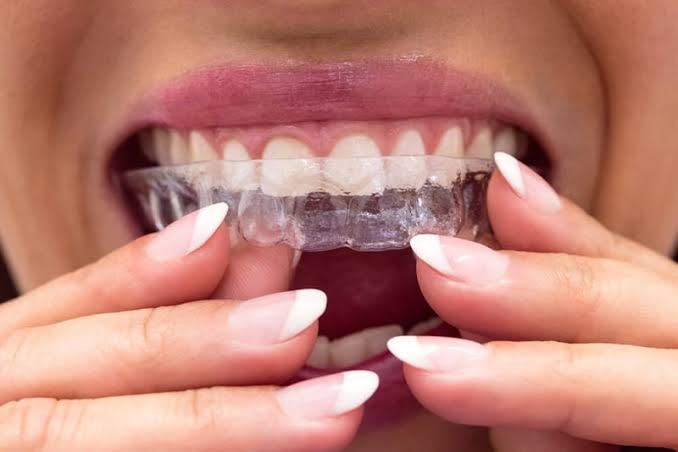
- Orthodontic preparation: If crowded teeth are first aligned with clear aligners or other orthodontic methods, the amount of reduction needed for restorations may decrease.
- Prioritising additive methods: Where suitable, treatments that add material are considered first.
However, minimally invasive does not always mean no reduction. Some teeth may need a certain amount of tissue removed for sufficient strength and a suitable appearance. What matters is that this amount is planned and justified.
It should be remembered that the decision on the amount of reduction also affects long-term follow-up. Restorations may need to be renewed over time, and each renewal may involve additional loss of tooth structure. For this reason, preserving as much tooth structure as possible in the initial plan can help leave more options for any future treatment.
Frequently Asked Questions
Are prepared teeth damaged over time?
When reduction stays within the enamel layer and the restoration is bonded properly, the aim is to preserve the tooth’s structure. Deeper reduction may cause sensitivity. Regular care and check-ups are important in this process.
Are no-prep veneers suitable for everyone?
No. No-prep veneers are usually considered for teeth that are small, set back or spaced apart. On protruding teeth, they can make the teeth look bulky.
If veneers are removed, will my teeth go back to how they were?
In teeth that have been prepared, the removed tissue does not grow back. For this reason, prepared teeth need to be protected with a restoration in the long term; this is taken into account at the planning stage.
Which needs less reduction, composite or ceramic veneers?
Composite treatments usually require less reduction because they are mostly additive. However, composites may have different maintenance needs over time in terms of staining and wear. The choice is made by assessing the condition of the tooth, expectations and functional needs together.
Note: This article is for general information purposes only. Whether treatment is needed and which method is appropriate are determined individually by your dentist after an examination and any necessary tests.