

Do Dental Alignment Problems Affect Speech Function?
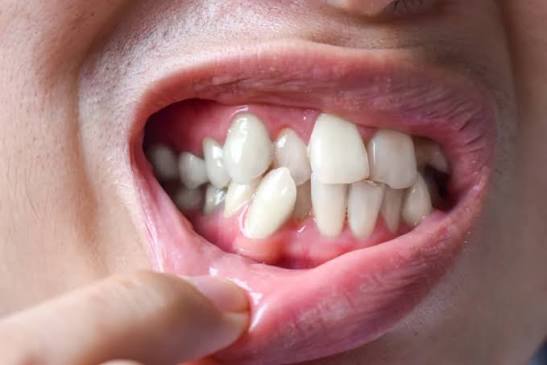
Human communication is a remarkable process made possible by the seamless coordination of complex neurological, physiological, and anatomical systems. Speech is not merely the production of sound through vocal cord vibration; it is the process of shaping that sound into meaningful words by the structures within the oral cavity. This process is known as “articulation.” The tongue, lips, palate, and—just as critically—the teeth all play active roles in articulation. Irregularities in tooth alignment, missing teeth, or jaw anomalies can disrupt this delicate aerodynamic system, leading to speech disorders, lisping, or incorrect pronunciation of certain phonemes. Although dental crowding or bite problems are often perceived as purely aesthetic concerns, they are in fact functional health issues that directly affect speech performance.
Speech Physiology and the Role of Teeth
During speech, airflow from the lungs generates a raw sound as it vibrates the vocal cords. This sound is then transformed into letters and words by organs known as “articulators,” which direct, constrict, or temporarily block airflow. Teeth—particularly the anterior incisors—serve as passive yet essential articulators within this system. They provide a rigid surface against which the tongue can stabilize, enabling controlled airflow. Teeth also support the lips, contributing to the formation of labial sounds. When tooth position, angulation, or interdental spacing is altered, airflow is diverted along unintended paths, distorting sound quality. For example, the production of sibilant sounds such as “S, Z, SH, and J” requires the teeth to be closely positioned so air can pass through a narrow channel. Even minor deviations in alignment may cause these sounds to be perceived as whistling or lisping.
Open Bite and Lisping Speech
Among dental alignment disorders, one of the conditions that most noticeably affects speech is “open bite.” In this anomaly, the posterior teeth contact each other while a vertical gap remains between the upper and lower incisors. Under normal conditions, the tongue should be positioned behind the teeth during speech, swallowing, and certain phoneme productions. In open bite cases, however, the tongue involuntarily moves forward to seal this gap, often protruding between the teeth. This condition is known as “tongue thrust.” Tongue protrusion allows air to escape uncontrollably, particularly affecting sibilant sounds such as “S” and “Z.” As a result, an articulation disorder known as “interdental lisping” develops. This is not merely a pronunciation error but a myofunctional disorder caused by improper tongue posture, and it typically requires orthodontic intervention.
Diastema (Spacing) and Whistling Sounds
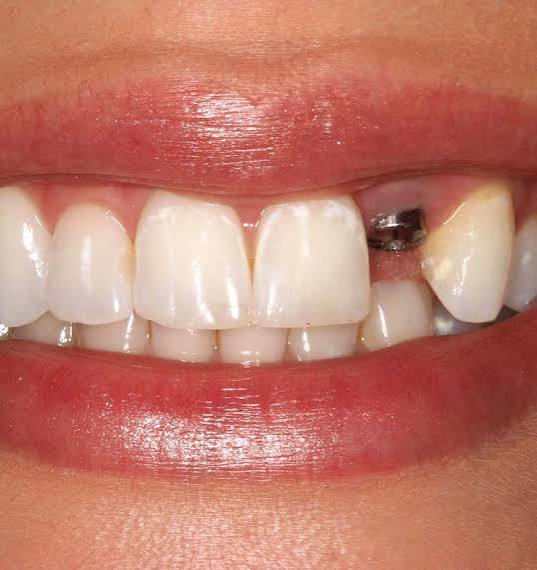
Spaces between teeth are referred to as “diastema.” Gaps—especially between the upper central incisors—can negatively impact speech clarity and fluency. During articulation, airflow must pass through dental barriers in a controlled manner. When wide interdental spaces are present, air escapes uncontrollably through these gaps, producing an unwanted whistling or hissing sound during speech. This effect is particularly noticeable with labiodental sounds such as “F” and “V,” as well as with the “S” sound. To compensate, individuals may unconsciously tighten their lips or reposition their tongue, increasing speech effort and causing unnecessary facial muscle tension. Orthodontic closure of diastemas restores airflow control and significantly improves speech precision.
Class III Malocclusion (Mandibular Prognathism) and Consonant Disorders
Conditions in which the lower jaw is positioned ahead of the upper jaw—either skeletally or dentally—are classified as “Class III malocclusion.” This anatomical configuration disrupts the natural resting and functional position of the tongue. Under normal circumstances, the tongue contacts the upper palate to produce sounds such as “T, D, N, and L.” In Class III cases, however, the tongue is displaced forward and downward along with the mandible, making it difficult for the tongue tip to reach the alveolar ridge and upper incisors. This leads to distortions in consonant production, causing sounds to appear muffled or flattened. Additionally, the production of “F” and “V” sounds—which require contact between the upper incisors and the lower lip—becomes difficult or impossible. This anatomical mismatch significantly reduces speech intelligibility.
Sound Groups Affected by Dental Irregularities
The phonemes most commonly affected by dental alignment issues are summarized below. Distortion of these sounds often indicates a dentally driven articulation disorder:
- Sibilant Sounds (S, Z, SH, J): Most frequently affected. Open bite causes lisping, while spacing leads to whistling. Incisor positioning is critical for these sounds.
- Labiodental Sounds (F, V): Formed by contact between the upper incisors and lower lip. Excessively protruded or retruded upper teeth disrupt this contact.
- Linguo-alveolar Sounds (T, D, N, L): Produced when the tongue tip contacts the alveolar ridge behind the upper incisors. Crowding or a narrow palate may prevent proper contact.
- Bilabial Sounds (P, B, M): Created by lip closure. Excessive dental protrusion can hinder lip seal, reducing the plosive quality of these sounds.
Table: Malocclusion Types and Potential Speech Disorders
The table below compares common orthodontic problems with their associated speech impairments:
| Orthodontic Condition (Malocclusion) | Affected Anatomical Relationship | Observed Speech Disorder |
|---|---|---|
| Anterior Open Bite | Front teeth do not occlude; tongue protrudes. | Lisping; distortion of S and Z sounds. |
| Diastema (Spacing) | Uncontrolled air leakage between teeth. | Whistling speech; audible air escape. |
| Deep Bite | Excessive vertical overlap restricts jaw movement. | Clenched sound quality; reduced articulation clarity. |
| Class III Malocclusion | Tongue positioned forward and downward. | Distorted T, D, L sounds; difficulty producing F and V. |
| Maxillary Constriction | Insufficient palatal space for tongue placement. | Reduced speech rate; nasal resonance (hypernasality). |
Orthodontic Treatment and the Adaptation Process
Orthodontics is the primary treatment modality for speech problems caused by dental misalignment. Aligning teeth into ideal positions, expanding dental arches, and correcting occlusion provide the anatomical foundation required for proper articulation. However, treatment involves an adaptation period that requires patience. When orthodontic appliances (brackets, wires, or palatal expanders) are first placed, they may temporarily reduce oral space and restrict tongue mobility. This can lead to short-term speech disturbances during the initial weeks of treatment. Such changes are expected and temporary. The tongue muscles rapidly adapt through neuromuscular adaptation. Once treatment is completed and appliances are removed, speech clarity typically improves significantly due to the elimination of mechanical obstacles.
Psychosocial Impact and Self-Confidence
Speech disorders are not merely mechanical problems; they carry profound psychosocial implications. Children of school age and socially active adults may withdraw from communication due to fear of ridicule when they struggle with pronunciation caused by dental irregularities. Lisping or unclear speech can negatively affect communication skills and self-esteem. Correcting dental alignment does more than enhance smile aesthetics—it helps individuals reclaim their voice, expression, and confidence. Clear and fluent speech is a critical component of both professional success and social interaction.
Conclusion: The Unity of Form and Function
In conclusion, there is an undeniable relationship between dental alignment problems and speech function. Teeth function like tuning pegs of a musical instrument; when they are misaligned, sound quality deteriorates. Open bite, spacing, and jaw discrepancies impair articulation and reduce speech intelligibility. Orthodontic treatment corrects these anatomical irregularities, allowing the tongue and lips to function optimally. However, treatment success depends on accurate diagnosis, appropriate planning, and, when necessary, interdisciplinary collaboration with speech therapy. A healthy dental structure forms the foundation not only of an attractive smile but also of clear, effective communication.