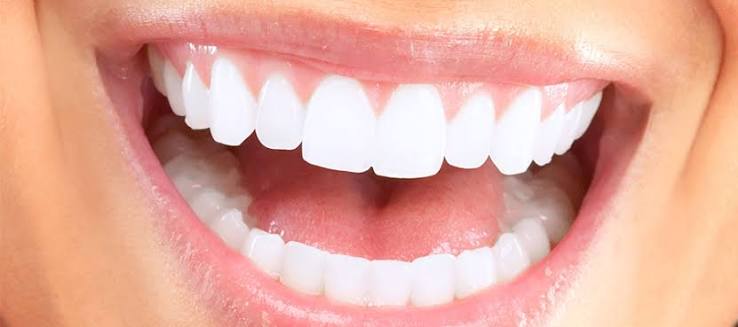


Pink aesthetics is a term describing the level, symmetry and colour of the gums visible when smiling, and the condition of the gum tips between the teeth (the papillae). In smile design, the gums are as decisive as the shape and colour of the teeth, because they directly affect how we perceive the length and proportions of the teeth. For this reason, healthy and balanced gums are considered one of the basic elements of aesthetic planning.
In dentistry, the appearance of the teeth is called “white aesthetics” and the appearance of the gums “pink aesthetics”. In this article, we look at how gum level affects the smile, common situations and how gums are assessed during the design process.
What Makes Up Pink Aesthetics?
Several basic features are examined when assessing the gums:
- Level of the gum margins: In the upper front teeth, the gum levels of the central incisors and canines are usually similar, while those of the lateral incisors sit slightly lower.
- Symmetry: Gum levels that are close to each other on matching teeth on the right and left sides contribute to a balanced appearance.
- Gingival zenith: The highest point of the gum margin on each tooth, usually located slightly behind the middle of the tooth.
- Papillae: The triangular portions of gum between the teeth. When papillae are lost, dark triangular gaps may appear between the teeth.
- Colour and texture: Healthy gums usually look light pink and firm, with a slightly stippled surface.
These elements are not assessed on their own but together with the lip line. The position of the upper lip when smiling determines how much of the gums will show. In people with a low smile line, small differences in gum level often go unseen, whereas with a high smile line the same differences can become noticeable. For this reason, the gums are assessed on the person’s natural smile using photographs and videos.
How Does Gum Level Affect the Smile?
Excessive gum display
A noticeable amount of gum showing when smiling is called a “gummy smile”. This can have different causes: the gum covering more of the tooth than it should, the upper lip rising too high when smiling, or excess vertical growth of the upper jaw are some of them. The approaches considered differ depending on the cause. You can find more information on our gummy smile treatment page.
Gum recession
When the gum margin recedes towards the root, the teeth can look long and root surfaces can become exposed. Incorrect brushing, gum disease, tooth position and a thin gum type may play a role. You can read our article on what causes gum recession for its causes and treatment approaches.
Asymmetrical gum levels
When the gum sits lower or higher on one of two matching teeth, the teeth can look different in length. This difference sometimes comes from the position of the tooth and sometimes from the structure of the gum, and the treatment choice is made accordingly.
How Is Pink Aesthetics Planned in Smile Design?
The pink aesthetics assessment is carried out before any restorations are made on the teeth, because gum level determines the length of the restoration and where its margin will sit.
Health first
If there is inflammation, bleeding or pocket depth in the gums, these need to be treated before aesthetic procedures. Inflamed gums look swollen and red, and their level may change after treatment. For this reason, restoration margins are planned once gum health has been achieved and the tissues have stabilised. Gum aesthetics treatment may be considered as part of this process.
Approaches that may be considered
Options for adjusting gum level vary according to the cause:
- Gum contouring (gingivectomy): Aims to balance tooth lengths by reshaping excess gum tissue.
- Crown lengthening: A surgical procedure in which the gum and, where needed, the underlying bone are reshaped.
- Gum grafts: In areas of gum recession, may aim to cover the root surface and increase gum thickness.
- Orthodontic treatment: Changing the position of the teeth can also help change gum levels.
Biological limits
There is a biological tissue distance between the gum margin and the underlying bone that needs to be preserved. Restoration margins placed too close to this zone can lead to chronic inflammation and changes in gum level. For this reason, gum adjustments and restoration planning are carried out together with a periodontal assessment.
Gums and Restoration Fit
How well veneers or crowns fit at the gum margin is important for maintaining pink aesthetics. Restorations with poor marginal fit, or that are difficult to clean, can encourage plaque build-up and cause gum inflammation. Regular oral care and check-ups help maintain gum health.
Gum tissue varies from person to person. People with a thin gum type may be more prone to recession. This affects both the choice of treatment and long-term care recommendations.
Pink aesthetics around implants
Pink aesthetics is particularly important for patients planning an implant in the front of the mouth. The gum around an implant has a different structure from the tissue around natural teeth, and preserving the papillae can become difficult when bone support is lost. For this reason, implant position, the amount of surrounding bone and gum thickness are assessed as part of aesthetic planning. Where needed, bone or soft tissue procedures may also be included in the plan.
Frequently Asked Questions
Are gum levels adjusted in every smile design?
No. If gum levels are balanced and healthy, no additional procedure may be needed. Whether adjustment is needed is decided after examination and aesthetic analysis.
Do gums go back to how they were after gum contouring?
With appropriate planning, the gum usually stabilises at its new level. However, if biological limits are not taken into account, the gum may reshape itself over time; this is why an accurate diagnosis matters.
Can black triangles between teeth be treated?
Depending on the cause, orthodontic treatment, reshaping of restorations or gum procedures may be considered. Bone support affects the likelihood of closing these triangles.
Which dentists work together on pink aesthetics?
A periodontist usually takes part in gum-related assessments and procedures. A shared treatment plan is created together with the dentist planning the restorations and, where needed, an orthodontist.
Note: This article is for general information purposes only. Whether treatment is needed and which method is appropriate are determined individually by your dentist after an examination and any necessary tests.