

Digital Smile Design (DSD) is a method in which your smile is analyzed with photos, video and digital measurements and planned on a computer. The simulation shows the direction and proportions of the treatment result in a way that is close to reality. However, it does not promise exactly the same result; depending on your tooth structure, gum level and the chosen treatment, the real result may carry small differences.
What Digital Smile Design is and how it differs from the classic method
Digital Smile Design is a digital workflow used to evaluate the smile together with facial proportions and to plan the treatment with the patient at the design stage. In the classic method, the plan mostly moves forward through impressions and the dentist’s description; the patient sees the result only during treatment. In DSD, the length, width and lines of the teeth and their relationship with the lip are worked out in advance using facial photos, a smile video and scan data.
You can also find the general framework of digital planning in our article what is digital smile design.
Planning with photos and an intraoral scan
The DSD plan is prepared by bringing together face and mouth photos and intraoral scan data. The process usually consists of the following steps:
- Taking standard photos and short videos of the face and of the moment of smiling
- Producing a three-dimensional digital model of the teeth with an intraoral scan; you can take a look at our intraoral scan page on this
- Where considered necessary, examining the tooth roots and bone structure with an X-ray or tomography
- Designing the teeth digitally according to the facial lines, lip line and gums
This data lets the dentist see more clearly what kind of change is needed on which tooth. Anesthesia is generally not needed for DSD; because at this stage photos and scans are taken and no procedure is done on the tooth.
How the simulation is shown to the patient
The simulation is usually shown on the screen with the design placed over your own photo, and it is evaluated together. The length, shape and position of the teeth are discussed; the design can be rearranged in line with your expectations.
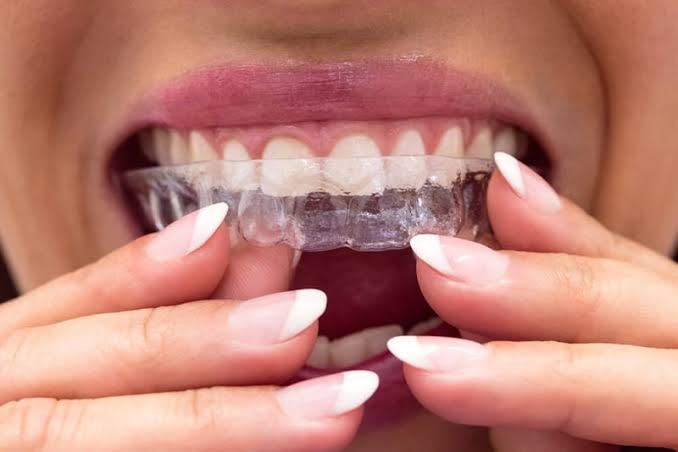
After the digital image, the plan can be tried in the mouth with a mock-up. A mock-up is trying the design on your teeth for a short time with a temporary model or template produced from the digital design. That way you can see your smile in front of a mirror, while speaking and while smiling. Digital wax-up and 3D printing are also among the outputs used at this stage.
The relationship between the simulation and the real result
The simulation draws the target framework of the real result; however, the final look is determined together by the tooth tissue, the gums and the material used. The image on the screen is prepared according to ideal proportions. In a real mouth, the color of the teeth, the surface texture, the way they reflect light and the gum line can make the result a little different.
For this reason, it is right to see the simulation not as a commitment but as a shared plan between the dentist and the patient. The mock-up stage is the most practical way to see the difference between the design on the screen and the real mouth before treatment begins.
Could additional orthodontic or restorative treatment be needed
Yes, additional treatments may be needed if the position of the teeth, the gum level or the tooth structure does not allow the design to be applied directly. DSD is not a treatment but a planning method; which treatments are needed becomes clear as a result of the plan.
- If the teeth are crowded or spaced, orthodontic treatment may be recommended before the design so that the teeth can be positioned.
- If the gum line affects the look of the smile, gum aesthetics may be considered.
- For broken, worn or discolored teeth, restorative options such as bonding, composite fillings, veneers or crowns may come up.
The cost also varies according to this picture; the type and scope of the treatment to be applied are decisive. Clear information can only be given after the examination and planning.
Results change over time
The look of a treatment planned with DSD may change over time depending on the chosen treatment and your care routine. The digital design itself is not a result that stays in the mouth, but the plan of the path to treatment. The factors that affect the long-term look are as follows:
- The material used and the type of treatment applied
- Daily oral care and regular check-ups
- Habits such as clenching and grinding the teeth
- Gum health and changes that may occur over time in the gum level
Regular check-ups and personalized care play a role in preserving the planned smile. It is also useful to talk with your dentist about topics such as the effect of smoking and staining foods.
Treatment steps after planning
After planning is completed, the treatment is applied step by step in line with the design you approved. The order is generally as follows: if needed, preliminary treatments (orthodontics, gum adjustment, fillings), then final approval with a mock-up, then the chosen aesthetic application. Which application is chosen varies from person to person. You can find the whole process on our smile design page.
After treatment, check-up appointments and care recommendations are added to the plan to monitor the result.
Preparing for the first meeting
Explaining your expectations clearly at the first meeting helps the planning go forward in a healthy way. Preparing the following will make things easier for you:
- Noting what you want to change in your smile (color, length, spacing, gum appearance)
- Bringing examples of smiles you like or your own old photos
- Informing the dentist about dental treatments done before and the medications you use
- Writing down your questions about duration, care and additional treatment
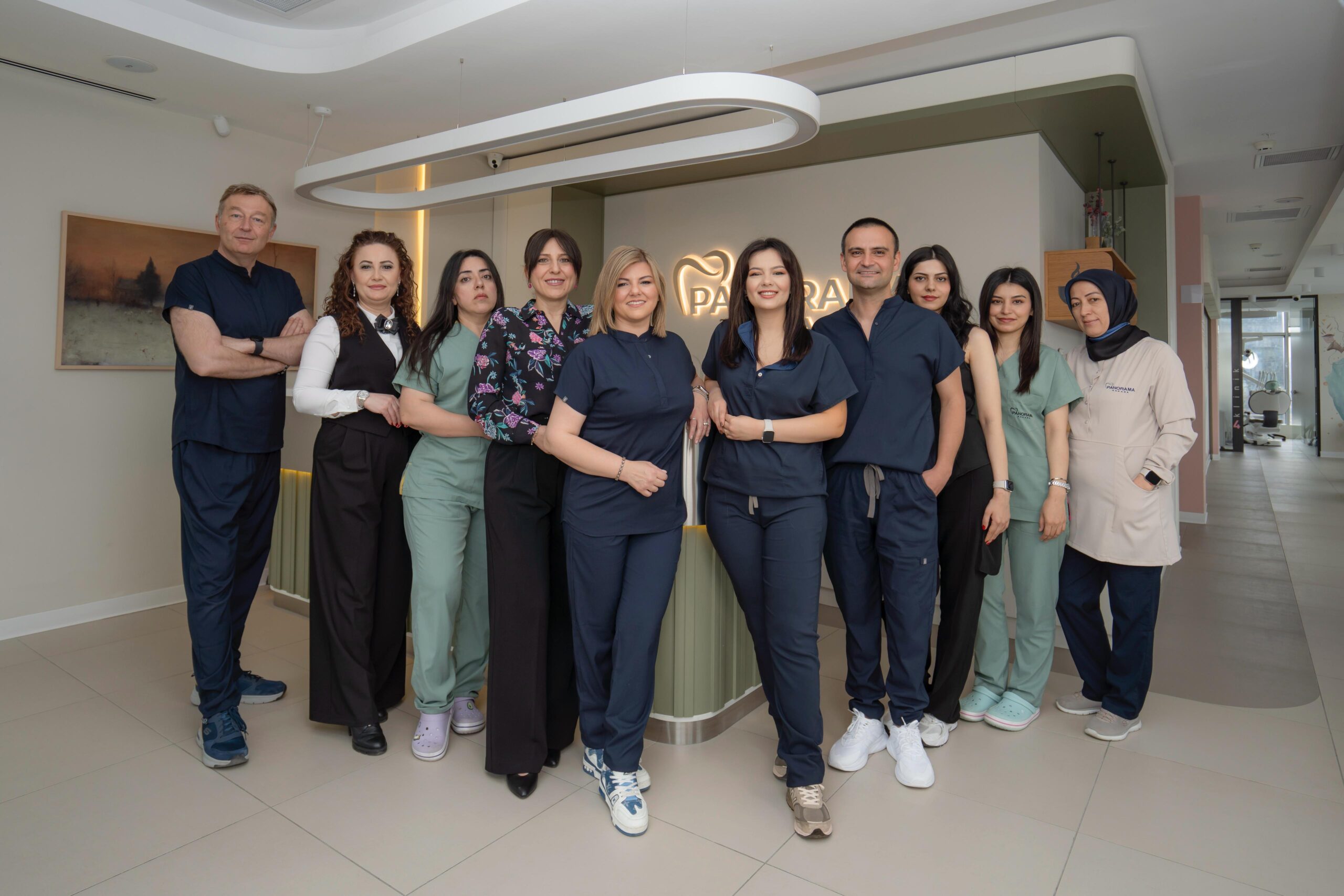
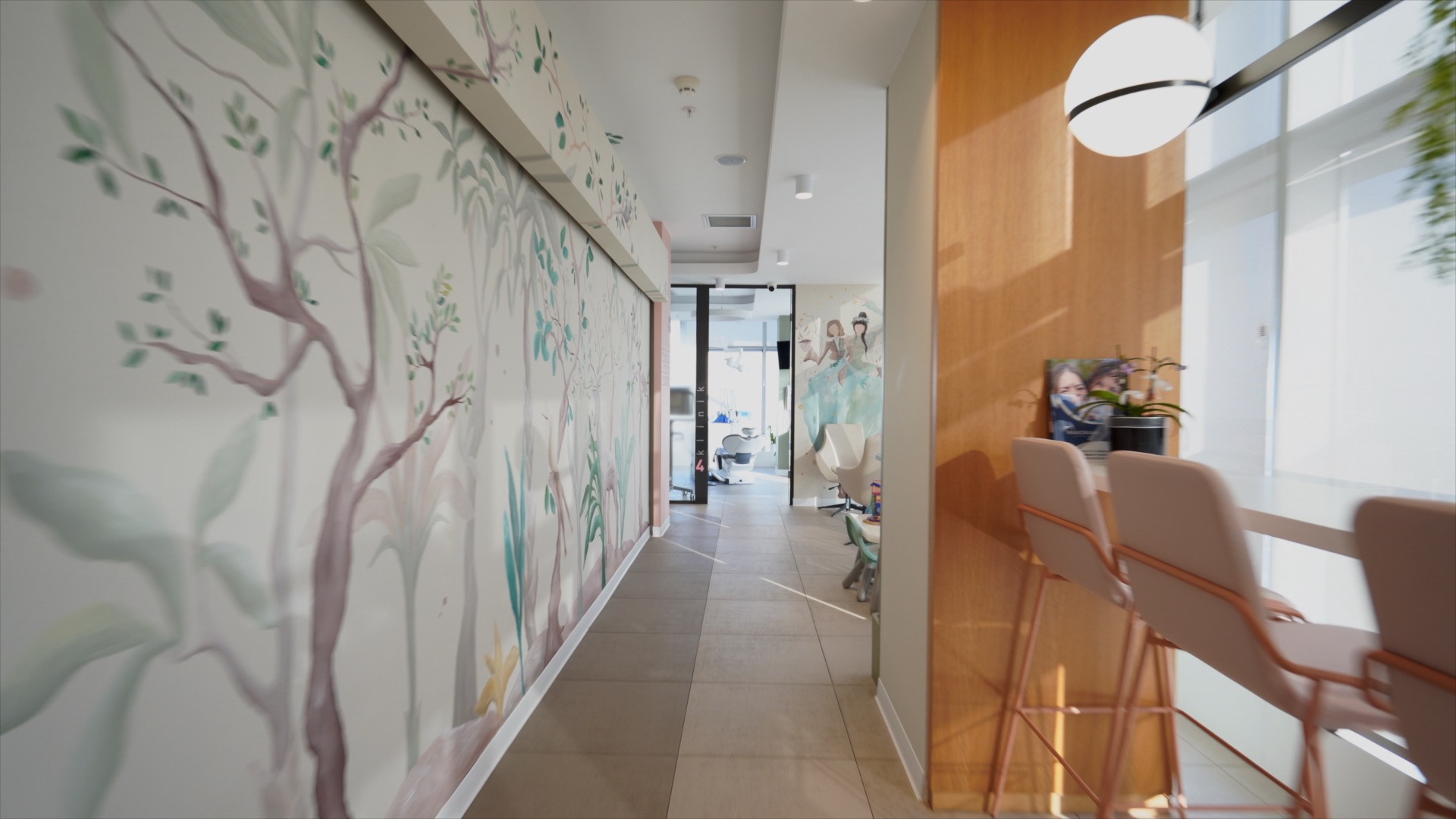
You can have this meeting face to face at our clinic in Çankaya. For those coming from other cities in Turkey, you can also get information about the planning process.
Frequently asked questions
What is Digital Smile Design?
Digital Smile Design is a planning method in which the smile is analyzed with photos, video and digital scan data and designed on a computer. It lets you see the direction of the result before treatment begins and make a joint decision with your dentist.
How is smile design done with DSD?
First face and mouth photos and an intraoral scan are taken, then the teeth are designed digitally according to facial proportions. The design is examined together on the screen and, if wished, tried in the mouth with a mock-up.
How closely does a DSD simulation reflect reality?
The simulation shows the targeted proportions and the general look close to reality; however, because of factors such as tooth color, texture and gums, the final result may carry small differences. The mock-up is the most practical way to see this difference in advance.
Is orthodontics needed after DSD?
Orthodontics may be needed if the position of the teeth does not allow the design; this often comes up in situations such as crowding and spacing. The assessment made at the planning stage determines this.
Are DSD results permanent?
Since DSD is a planning method, the lifespan of the result depends on the treatment applied, the material and the care routine. Regular check-ups and good oral care help preserve the look.
If you would like to evaluate the digital planning process for your smile together, you can get in touch with Panorama Ankara and set up a meeting appointment.